Photo credit: Haus of Guns/YouTube
Some of the most trusted pistols ever made don’t need to be complicated. No optic cuts, no five-position backstraps, no futuristic controls. Instead, they rely on straightforward mechanics that have been proven through years of use—on duty, in the woods, and at the range. And when you’ve seen as many handguns go wrong as I have, you start to appreciate the ones that keep things clean and functional.
This list isn’t about nostalgia. These guns still see real-world carry and use because they work. They’re easy to maintain, intuitive to shoot, and reliable under pressure. If you’ve ever cleared a malfunction while cold and shaking or tried to remember how to take apart something overly engineered in the field, you know the value of a handgun that doesn’t ask for more than it gives. Here are 15 handguns that keep things straightforward—and still get the job done every single time.
Glock 19

You can say what you want about the looks or the trigger, but the Glock 19 is still the standard for a reason. It’s easy to shoot, easy to carry, and doesn’t require a manual to figure out. You’ve got a simple striker-fired system with no external safety to slow you down.
It’s one of those guns you forget is on your hip, which is exactly what you want in a carry piece. It breaks down in seconds, runs dirty, and eats every kind of ammo you feed it. Sure, there are flashier options out there. But if you want something that’s going to go bang every time and doesn’t overcomplicate anything, this one still belongs in your safe—or better yet, your waistband.
Ruger LCR

The Ruger LCR proves you don’t need steel and wood to build a revolver that works. Its polymer frame keeps weight down, and the enclosed hammer makes it snag-free for pocket or ankle carry. And that double-action trigger? It’s one of the smoothest you’ll find on a snub-nose.
You won’t be shooting bullseyes at 50 yards, but that’s not what this thing’s for. It’s meant to be pulled and fired quickly when it matters, and in that role, it’s hard to beat. Maintenance is a breeze, and there’s nothing you really need to “learn” to run it right. For a backup gun or deep concealment, it still earns its spot.
Smith & Wesson Model 10

This is one of those guns that refuses to go away because it never really needed to be changed. The Smith & Wesson Model 10 has been carried by police and civilians for over a century, and it still performs as well as anything modern in its class.
It’s a fixed-sight, six-shot .38 with a smooth trigger and a grip that actually fits most hands. No frills, no fuss—just a gun that points well and fires reliably. If you’ve ever trained with one, you know how naturally it balances. And once you’ve cleaned one, you start to wonder why everything else feels like extra work.
SIG P210

The SIG P210 isn’t flashy, but it’s one of the smoothest, most mechanically precise handguns ever made. It doesn’t need modern tweaks to shoot better than you can. You get a single-stack 9mm with a tight slide-to-frame fit, a crisp single-action trigger, and old-school ergonomics that make it a shooter’s gun.
It’s got roots in military service, and while it might feel a little heavy compared to today’s polymer options, that weight works in your favor. Recoil is minimal, follow-up shots are fast, and everything about the design feels intentional. No unnecessary controls, no learning curve. It’s proof that sometimes the older layout still outperforms the new.
Colt 1911
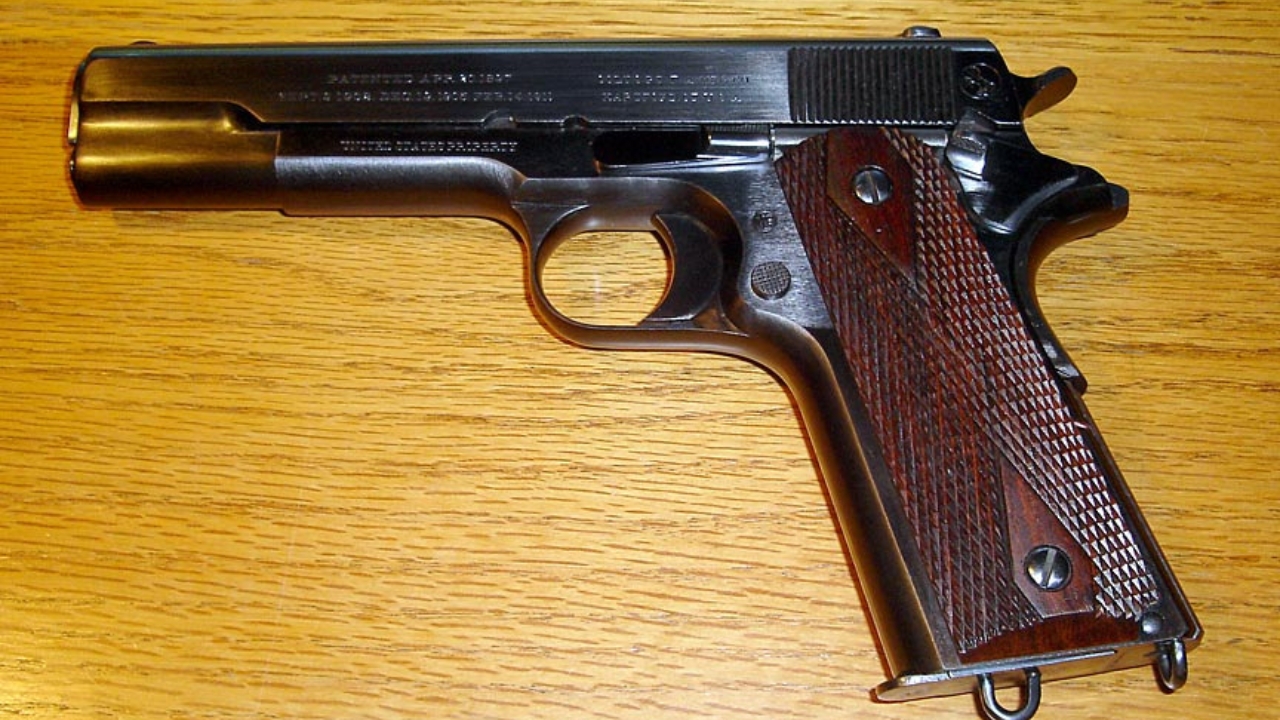
You’ve heard it before, but it’s still true—the 1911 design works. When built right, it’s one of the most accurate, intuitive-shooting handguns you can carry. The grip angle, the trigger, the way it settles into your hand—it all adds up to something that’s hard to beat, even over a century later.
Yes, it has a manual safety and a grip safety, but neither gets in the way once you’ve trained with it. And if you’re running a solid .45 or 10mm version, you’ve got plenty of punch in a package that’s surprisingly shootable. For anyone who still values mechanical honesty, the 1911 hasn’t lost its place.
Kahr CW9

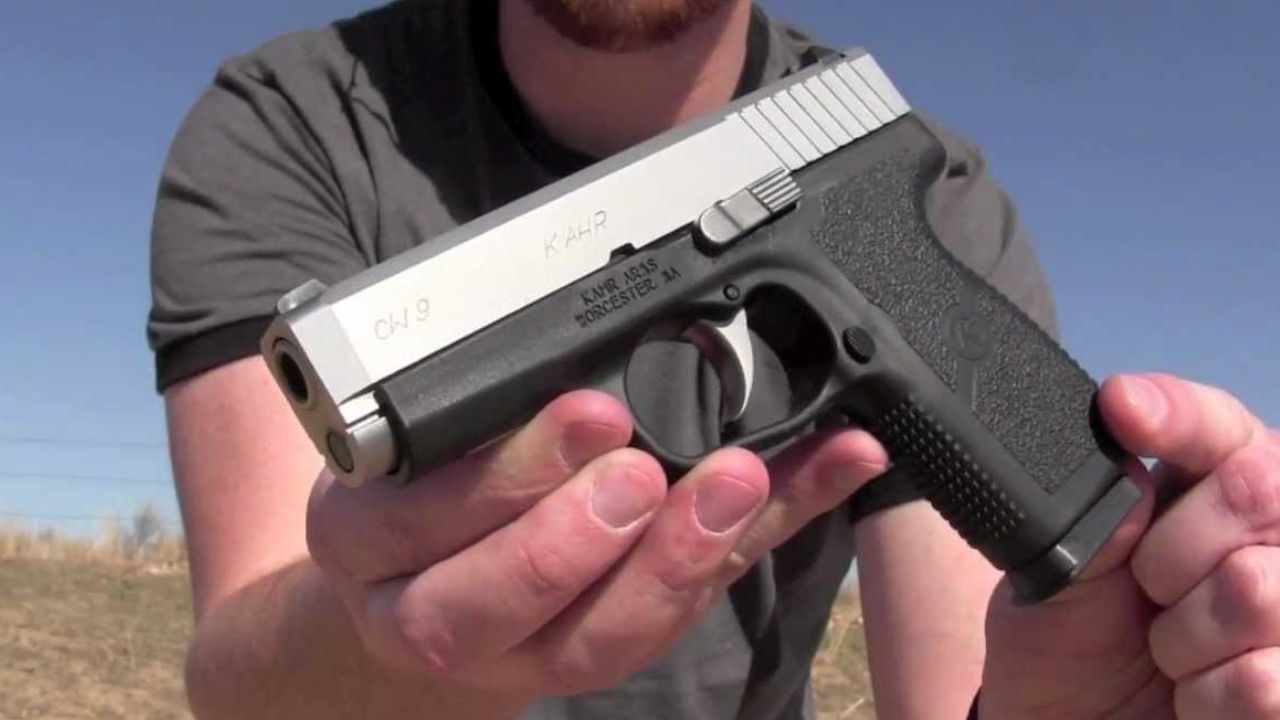
The Kahr CW9 doesn’t get much attention these days, but it’s always been a sleeper when it comes to carry guns. You’ve got a single-stack 9mm with a double-action-only trigger that’s long but consistent, and that simplicity is part of what makes it work so well.
It’s slim enough to disappear under a T-shirt, yet big enough to shoot well with both hands. No external safety, no decocker, no drama. Strip it, clean it, reload it, and carry it. For folks who want something a little more refined than a striker-fired pistol but still streamlined, the CW9 delivers without showing off.
Smith & Wesson Shield

The original Shield took off because it offered a solid middle ground. It wasn’t too small to shoot, wasn’t too big to carry, and didn’t try to be more complicated than it needed to be. You get a striker-fired single-stack 9mm with familiar controls and decent sights right out of the box.
It fits the hand better than many of its competitors, and it runs well whether you’re using factory ball or defensive hollow-points. Nothing about it feels excessive or gimmicky, which is part of the reason so many first-time carriers still trust it. Even as the market’s shifted toward micro-compacts, the Shield holds its own.
CZ 75

You’ll hear CZ fans say the 75 is one of the best service pistols ever made, and they’re not wrong. The all-steel frame gives it great balance, and the double-action/single-action trigger system is smooth and predictable once you’ve run it a few times.
There’s nothing weird or over-complicated here. You get a full-size handgun with excellent ergonomics and a manual safety or decocker depending on the model. Stripping it down is easy, and it’ll eat whatever ammo you have on hand. It’s one of those guns that reminds you good steel and good design still have a place.
Beretta 92FS

Some folks knock the 92FS for being big, but once you shoot one, the weight and size start making sense. It’s soft-shooting, reliable, and mechanically straightforward. The open-slide design makes feeding and ejection consistent, and you won’t spend much time trying to figure out how it works.
This thing served in the U.S. military for decades, and for good reason. It’s easy to maintain, easy to shoot well, and rugged enough for serious use. The DA/SA trigger might take a little practice, but once you’ve got it down, it rewards a steady hand. It’s a big pistol that earns its size.
Ruger Security-9
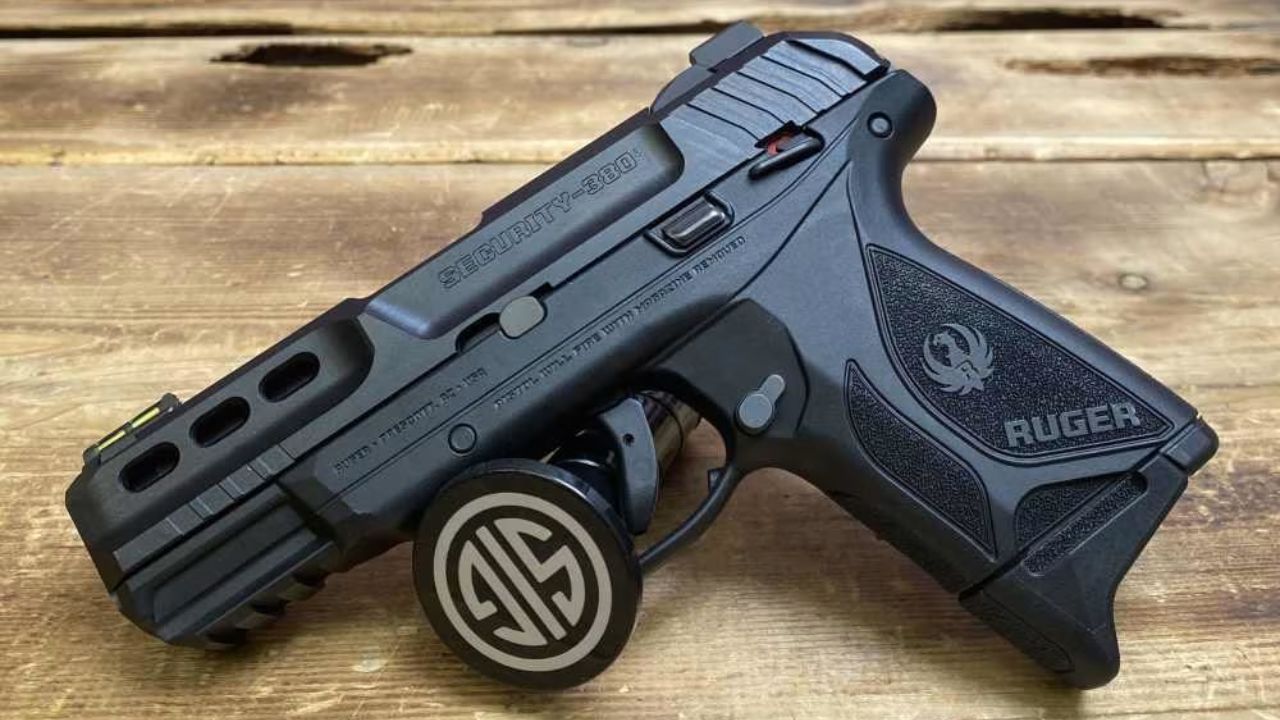
Ruger didn’t reinvent anything with the Security-9, and that’s what makes it work. It’s a hammer-fired 9mm with a familiar feel and a design that keeps things practical. No excessive controls, no flashy extras, and a price tag that makes it accessible for most shooters.
You’ve got a straightforward takedown, simple internals, and reliability that holds up under regular use. It points naturally and handles recoil well enough for newer shooters to get comfortable quickly. It’s not a duty gun, and it’s not pretending to be. But for daily carry or range use, it keeps things clean and functional.
Walther PP
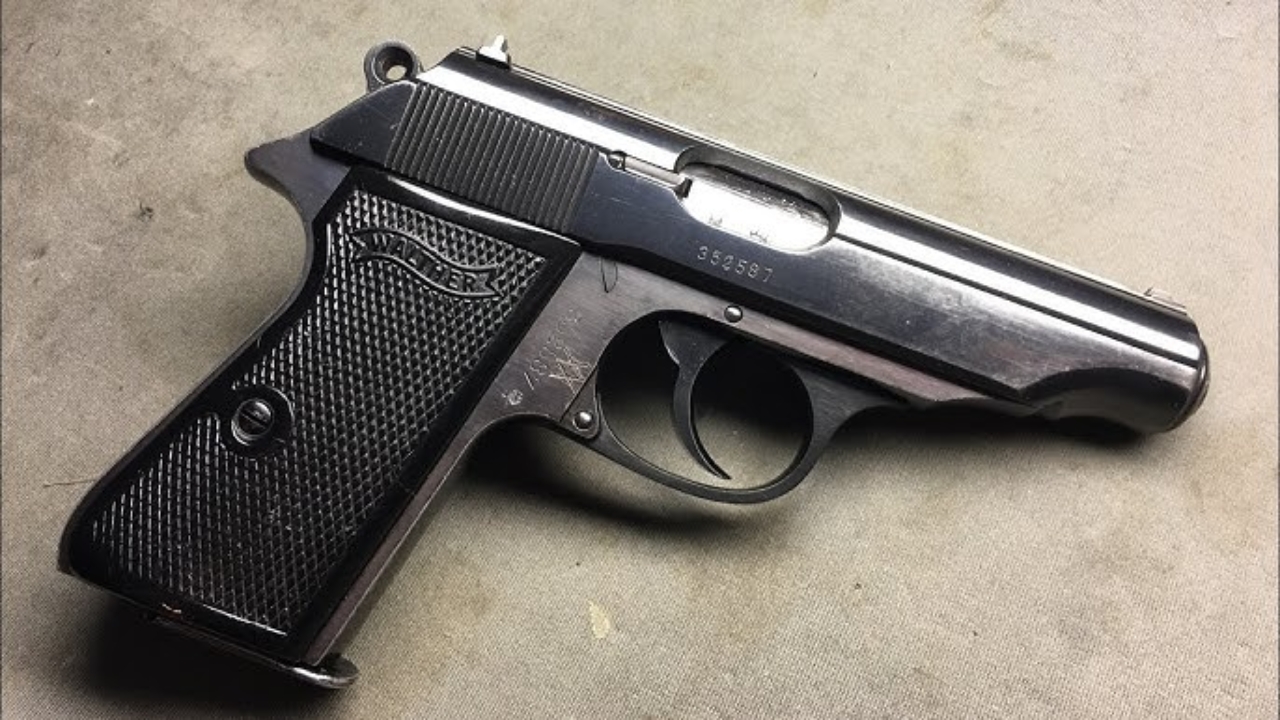
The Walther PP isn’t flashy, but it set the tone for compact carry pistols for decades. Its fixed barrel design helps with accuracy, and the double-action/single-action trigger is reliable and consistent. With its slim profile and all-metal frame, it carries well without disappearing into your hand.
While it might seem outdated next to today’s micro-compacts, the PP is still a functional choice that’s easy to shoot and maintain. You don’t need fancy features or optics plates to run one effectively. Load it, rack it, and it’s ready to go. It’s another reminder that simplicity doesn’t mean sacrifice.
Taurus 856
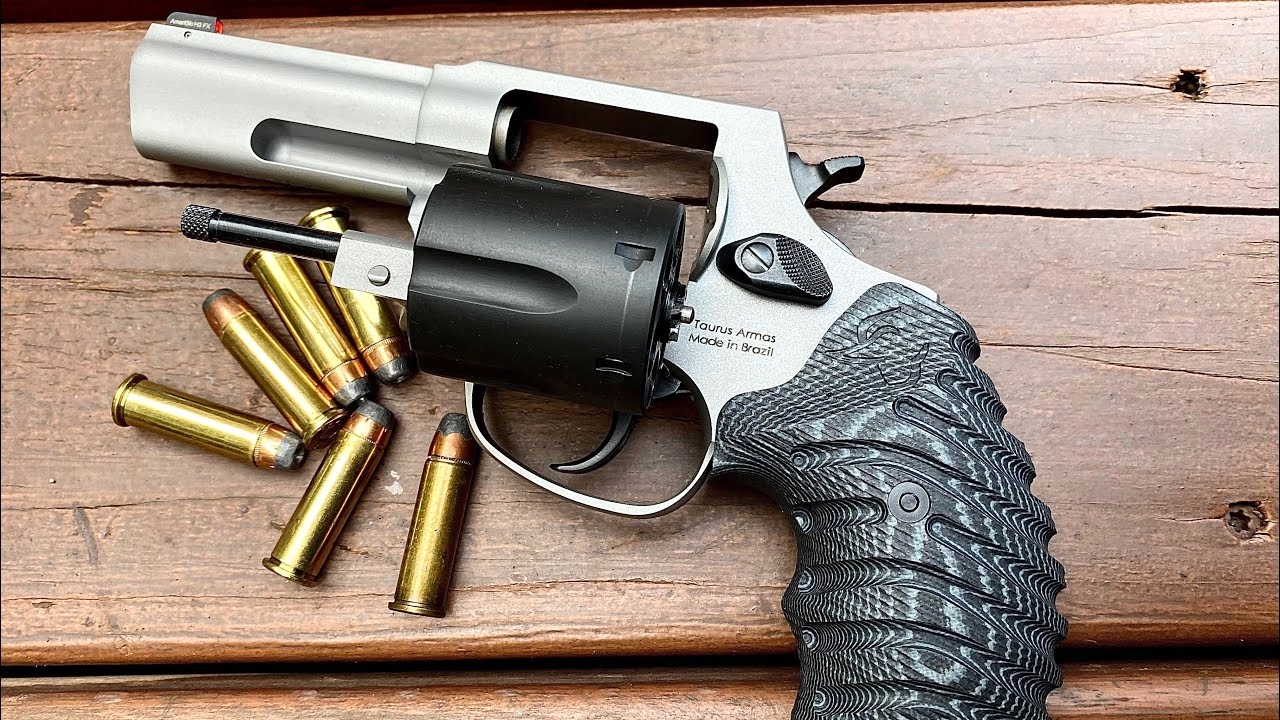
The Taurus 856 keeps things traditional with a six-shot cylinder and a solid double-action trigger. It’s not pretending to be high-end, and it doesn’t need to. It does the job it was designed for—short-range defense—in a way that’s easy to understand and use.
It’s got a bit more heft than some of the ultra-light snub-noses out there, and that helps manage recoil when it counts. You’re not going to impress anyone at the gun counter with it, but if you want a revolver that’s affordable, reliable, and doesn’t overcomplicate anything, this one deserves a look.
Glock 26
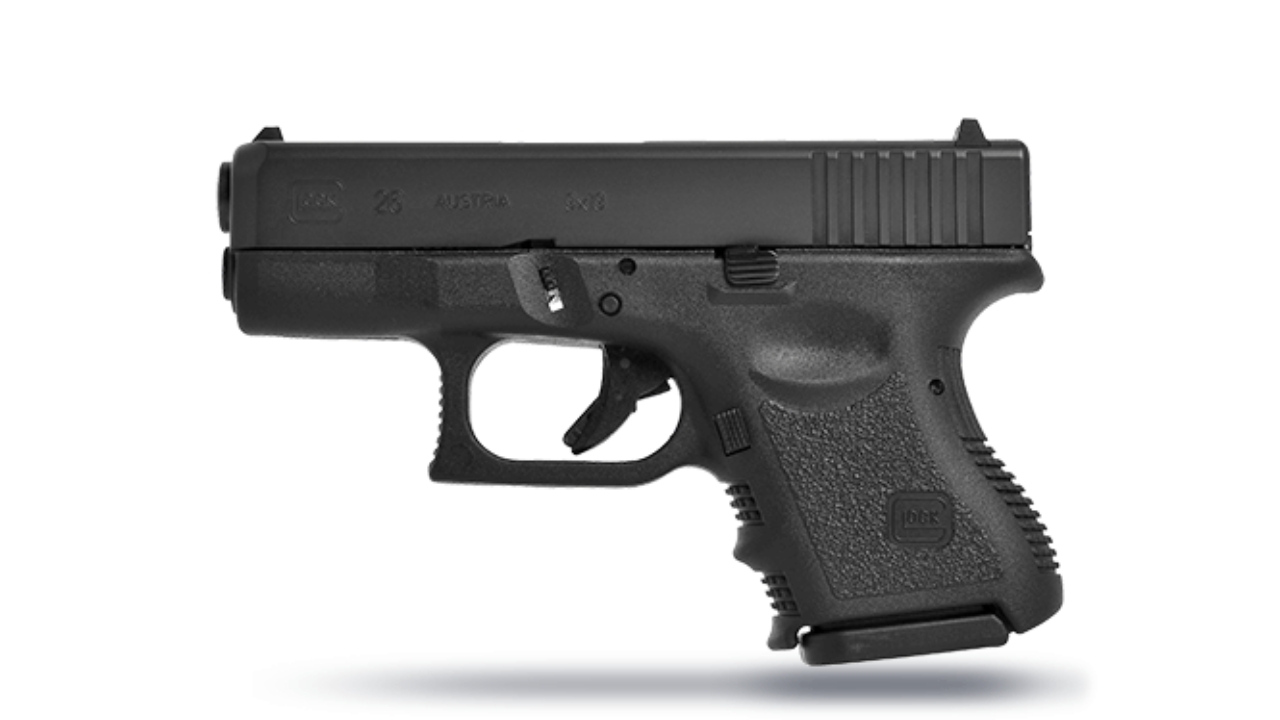
The Glock 26 isn’t as slim as some of the newer options, but it’s still one of the most versatile subcompacts around. You get ten rounds of 9mm in a frame that’s easy to conceal and shoots like a bigger gun. And like any Glock, it’s built to keep running without asking for much in return.
No decocker, no external safety, and field stripping is as easy as it gets. You can also use full-size Glock mags, which makes it a great companion piece for folks who carry a G19 or G17 as a primary. It’s not flashy, but it’s dependable, and that’s the point.
Springfield XD Service Model
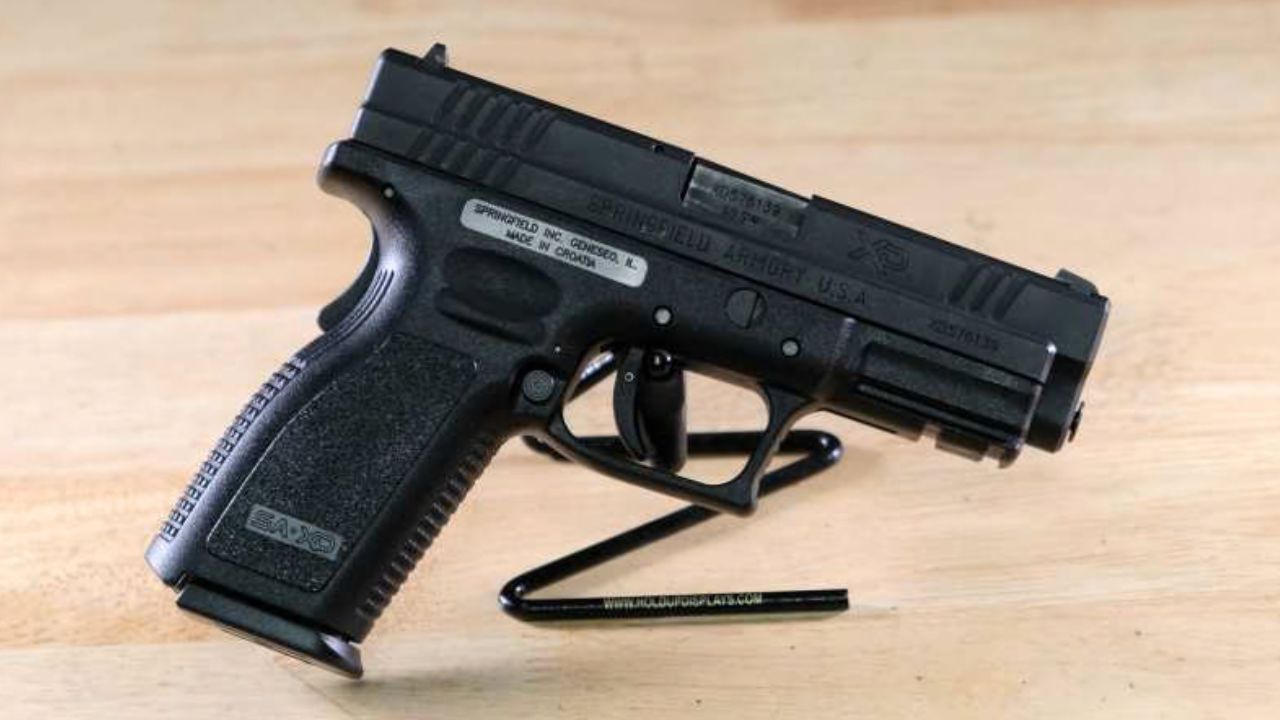
The original XD Service Model didn’t try to chase trends. It stuck to what worked—grip safety, striker-fired action, and a size that was comfortable both on the belt and at the range. It had good capacity, manageable recoil, and controls that were easy to learn.
Some folks like to debate the grip safety, but once you’re used to it, it fades into the background. What matters is how reliably the gun runs and how quickly it gets back on target. The XD might not be winning any new style points these days, but it’s still doing its job without needing anything extra.
Makarov
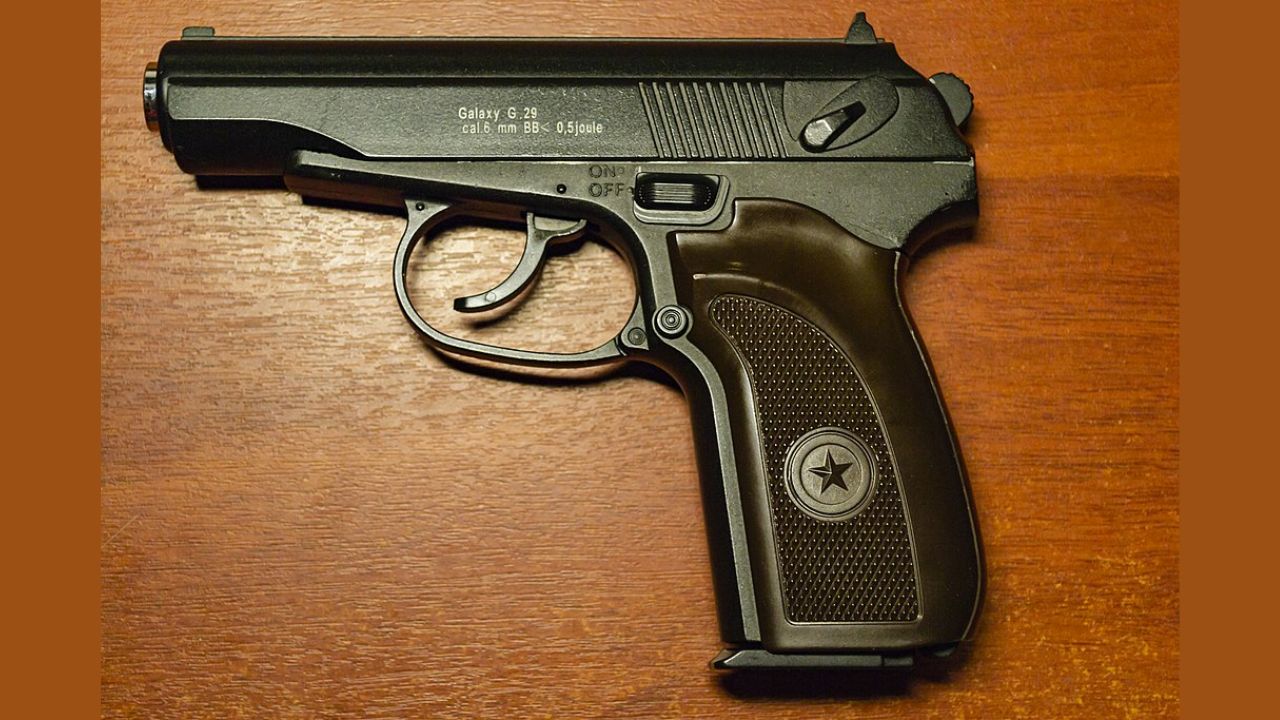
The Makarov is as straightforward as it gets. Built like a tank, it uses a simple blowback system and a heavy spring to make up for the lack of complexity. It’s a bit chunky for its size, but it handles recoil well and rarely breaks down.
Controls are basic—just a safety and a mag release—and the fixed barrel helps with accuracy. Cleaning one is easy, and parts are minimal. It’s not the prettiest pistol on this list, and it’s not chambered in a trendy caliber, but it reminds you that reliability doesn’t need to come wrapped in modern styling.
Like The Avid Outdoorsman’s content? Be sure to follow us.
Here’s more from us: