Photo credit: TheGearTester/YouTube
Some handguns are forgiving—they’ll run dirty, feed cheap ammo, and shrug off neglect. Others? They demand absolute perfection. These are the guns that make you question whether they were built for real-world use or a spotless laboratory. If your grip isn’t perfect, your ammo isn’t premium, or your maintenance schedule slips, they’ll punish you with malfunctions. Many of them look great, shoot accurately, and have loyal followings—but only when everything lines up just right. They’re the kind of handguns that separate careful owners from casual shooters, and if you don’t treat them like precision instruments, they’ll remind you why reliability always beats refinement.
Kimber Ultra Carry II

The Kimber Ultra Carry II is a beautiful compact 1911, but beauty comes at a price. Its tight tolerances make it accurate but finicky. It doesn’t like cheap ammo, weak grips, or skipping cleaning sessions. A little carbon fouling and it starts acting up like it’s insulted.
The short barrel and lightweight frame also make it unforgiving to poor shooting form. Limp-wrist it, and you’ll see failures to feed or eject. It’s a pistol that rewards perfection—clean guns, strong grips, and quality magazines—but punishes shortcuts. You can make it run flawlessly, but you’ll earn it the hard way.
Walther CCP M1

The first-generation Walther CCP M1 was an experiment that looked good on paper. The gas-delayed blowback system was supposed to soften recoil and improve control. What it did instead was introduce a maintenance nightmare. The system fouled quickly, required special cleaning, and didn’t handle carbon buildup well.
It was also a chore to disassemble. If you didn’t follow every step exactly, you risked damaging the gun or reassembling it wrong. While the M2 version fixed many issues, the M1 made shooters realize how fragile precision systems can be when you add real-world grit and sweat. It demanded perfection—and punished anyone who didn’t read the manual three times.
Colt Mustang Pocketlite

The Colt Mustang Pocketlite is one of those carry pistols that feels great in the hand and shoots surprisingly well—until you push it. Chambered in .380 ACP, it’s small, lightweight, and easy to conceal. But its reliability depends heavily on ammo and grip.
Any deviation from a firm, consistent hold can cause stovepipes or short-cycles. Dirty magazines or soft primers make it even worse. It’s a gun that thrives under careful use but falters when treated casually. Keep it clean, feed it high-quality ammo, and it performs beautifully. Do otherwise, and it turns into a pocket-sized headache.
Remington R51

The Remington R51 was supposed to be a modern revival of a classic design. Instead, it became a lesson in how precision and reality can clash. The gun’s hesitation-lock system was sensitive to tolerances, lubrication, and even user grip. Early models were notorious for feeding issues and cycling failures.
When clean and perfectly maintained, the R51 could shoot well—but few shooters had the patience to baby it. Its compact frame and snappy recoil made it even more temperamental. It’s a handgun that demanded perfection to perform, and it quickly proved that the margin for error was razor thin.
SIG Sauer P938

The SIG P938 looks like a dream carry gun—small, lightweight, and built like a miniature 1911. But with that 1911 heritage comes the same need for attention. The short slide cycle, combined with its light weight, means limp-wristing or weak ammo can cause failures fast.
It prefers high-quality magazines and strong grip pressure. The trigger can be great, but the gun’s timing is tight, and it doesn’t tolerate sloppy handling. If you treat it right, it’s accurate and crisp. If you don’t, it’ll remind you that small guns magnify small mistakes.
Springfield Armory EMP

The Springfield EMP was designed specifically around 9mm and .40 S&W for a compact 1911-style pistol. It’s an elegant concept—but one that requires discipline. Because of its tight slide-to-frame fit and short cycling distance, it’s sensitive to debris, ammo quality, and lubrication.
It runs beautifully when maintained perfectly, but a little grime or a weak hold can throw it off. Shooters who treat it like a duty pistol often find themselves clearing jams. It’s accurate, well-balanced, and rewarding—but only for shooters willing to treat it like a high-performance machine, not a workhorse.
KelTec PF9

The KelTec PF9 is as lightweight and compact as carry pistols get—but it’s not a gun that forgives mistakes. The trigger is long, the recoil is sharp, and reliability depends on a firm grip and premium ammo. Feed it cheap range rounds or relax your wrist, and it’ll choke.
Its design leaves little margin for error. It was meant to be carried more than shot, and that shows. You can keep it running with proper maintenance and tight form, but it’s a gun that demands effort from both you and your ammunition.
Smith & Wesson 3913

The Smith & Wesson 3913 was one of the sleekest single-stack 9mm pistols of its time, but it can be temperamental with ammo and lubrication. It’s a DA/SA gun that rewards smooth, consistent shooting—but if you short-stroke the slide or under-lube it, you’ll know.
Its accuracy is excellent, but its design reflects a time when shooters were expected to clean and oil regularly. The 3913 isn’t a modern “run dirty” gun. It’s a refined tool that performs beautifully when pampered and gets moody when it’s not.
Beretta Nano

The Beretta Nano looked great for concealed carry—tiny, snag-free, and minimalist. Unfortunately, it was one of the most grip-sensitive pistols of its era. It needed a firm wrist and specific ammo weight to cycle properly. Light loads or soft holds caused frequent stovepipes.
Beretta later refined the design into the APX Carry, which handled much better. But the original Nano was proof that small doesn’t always mean practical. It’s a handgun that demanded perfect form every single time, which is a tough ask for a carry gun designed for stressful situations.
Taurus PT709 Slim

The PT709 Slim is another example of a budget pistol that punishes anything less than perfect fundamentals. Its small frame and light slide make it highly sensitive to grip pressure and ammo quality. It’ll run fine one day, then jam constantly the next if your stance changes.
It’s accurate when you do everything right, but that’s the problem—you have to. It rewards careful shooters with solid performance but frustrates anyone looking for reliability without constant attention. It’s a carry gun that demands more practice than most owners are willing to give.
Colt Double Eagle
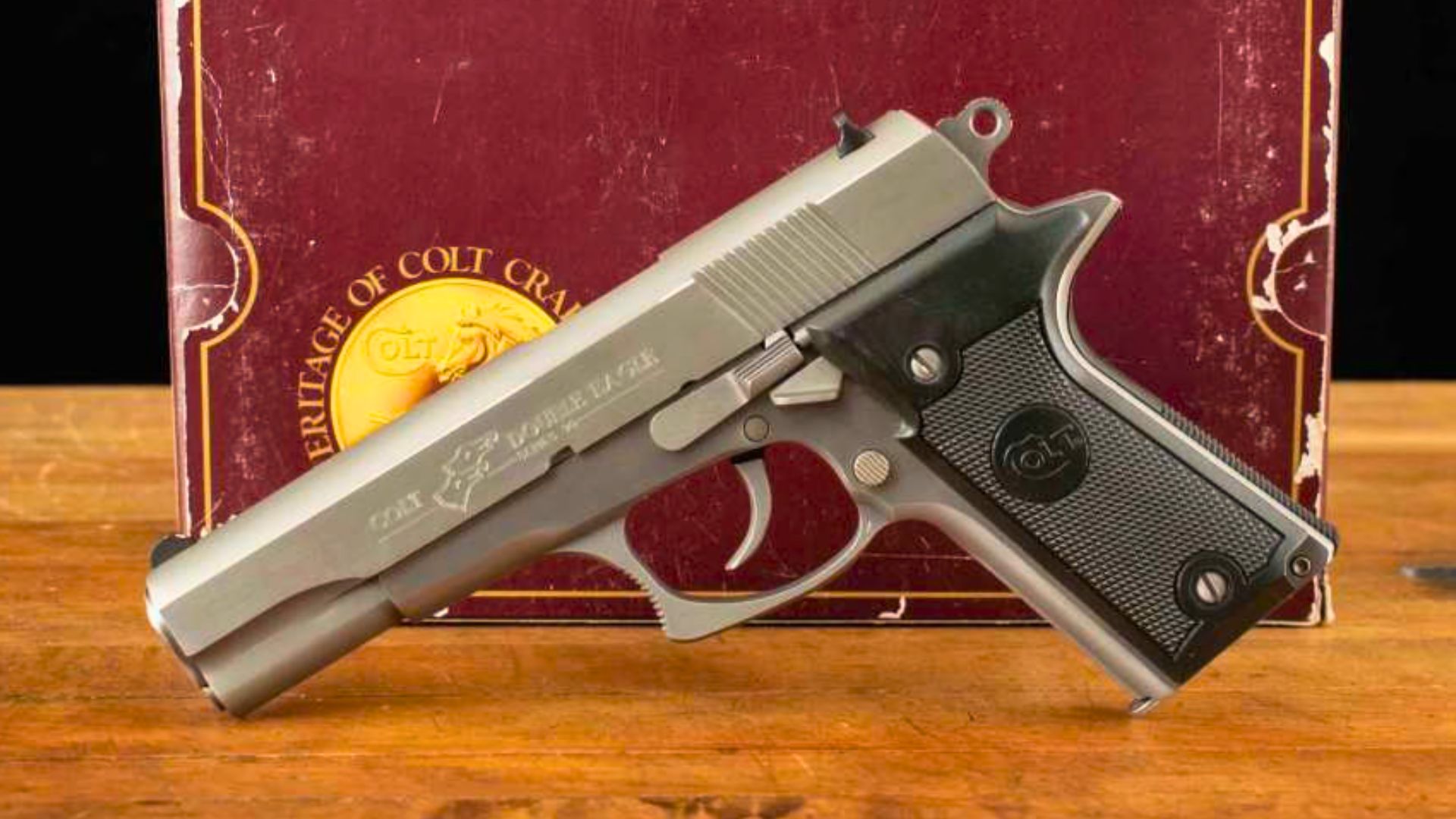
Colt’s Double Eagle tried to bring 1911 fans into the DA/SA world, and it did so with mixed results. The trigger was complicated, the decocker system fragile, and the gun needed perfect maintenance to stay reliable. A little wear in the action could throw off timing entirely.
Shooters who kept theirs tuned and clean swore by them, but many others experienced failure after failure. It’s a handgun that never quite earned its name—it demanded perfection, both from its owners and the factory, to run like it should.
Kahr PM9
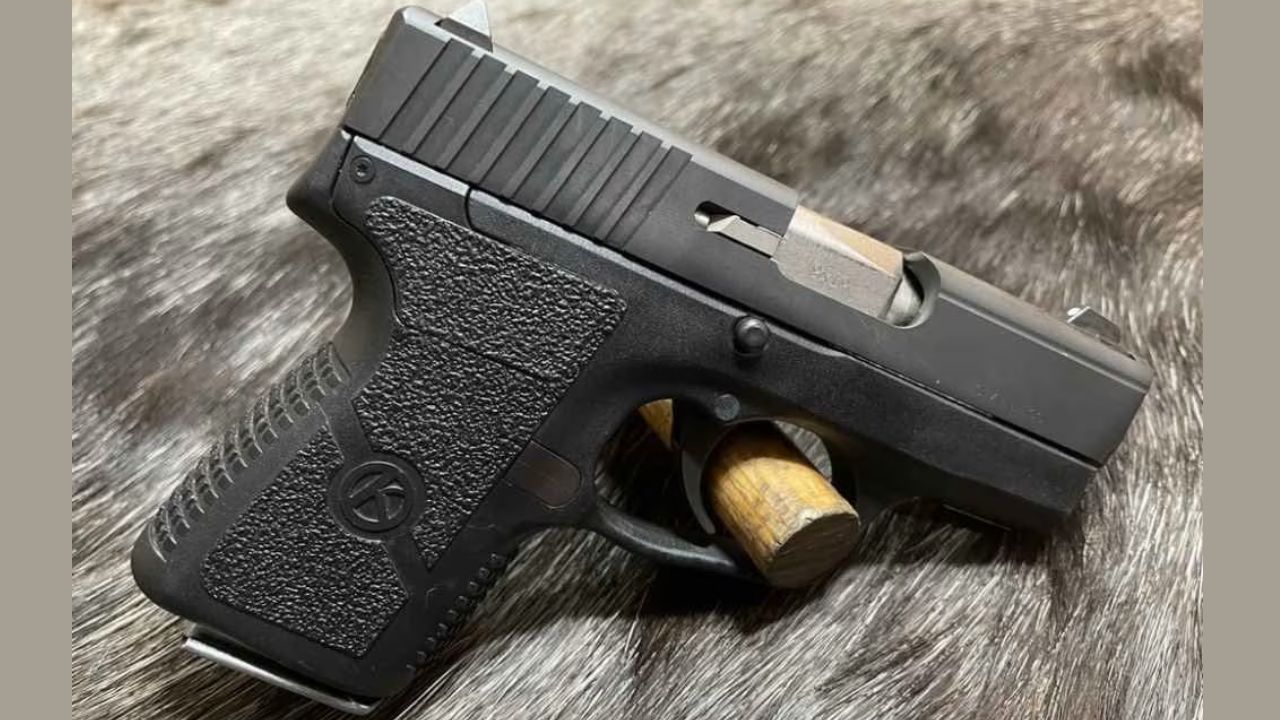
The Kahr PM9 is one of the most accurate pocket pistols ever made—but it’s picky. Its short slide, tight recoil spring, and long trigger pull make it unforgiving of weak ammo or limp wrists. Early break-in periods were infamous for jams and nose-dives.
Once it’s broken in and perfectly maintained, it shoots incredibly well. But getting there takes patience. It’s a carry pistol for meticulous shooters who like to tinker and clean. Anyone looking for grab-and-go reliability usually moves on fast.
SIG Sauer P232

The P232 is a classic, sleek .380 that oozes old-school charm—but it’s picky as they come. It’s sensitive to ammo length, magazine condition, and lubrication. Too dry or too dirty, and it’ll start failing to feed. The blowback system also makes it recoil sharply for such a small caliber.
It runs beautifully when cared for, but most shooters find it demanding. Every part of the gun needs to be maintained, from the slide rails to the extractor. It’s one of those pistols that loves attention and falls apart without it.
Steyr M9-A1

The Steyr M9-A1 has a cult following for its accuracy and unique ergonomics, but it also has a reputation for finickiness. It’s extremely ammo-sensitive, and its tight tolerances mean a little grime can cause problems. Many shooters found it choked on lower-quality 9mm or reloads.
It’s a high-performing pistol when fed premium ammo and kept spotless. But it doesn’t handle neglect well, and field maintenance isn’t its strong suit. It’s a shooter’s gun through and through—built for precision, not practicality.
Kimber Micro 9

The Kimber Micro 9 is a beautiful little carry gun that shares the same traits as its larger 1911 relatives—tight tolerances, short slide travel, and no patience for bad ammo. It shoots incredibly well when everything’s right, but that’s a big “if.”
Even slight variations in grip, ammo weight, or lubrication can cause cycling issues. It’s accurate, concealable, and refined—but it demands constant upkeep and firm fundamentals. It’s the kind of handgun you show off proudly, then clean thoroughly before it ever sees a holster again.
Like The Avid Outdoorsman’s content? Be sure to follow us.
Here’s more from us:
The worst deer rifles money can buy
Sidearms That Belong in the Safe — Not Your Belt
*This article was developed with AI-powered tools and has been carefully reviewed by our editors.