Photo credit: WHO_TEE_WHO/YouTube
Every shooter has a soft spot for a caliber that once ruled the racks but now sits forgotten. These were the rounds everyone talked about—ones that shaped hunting trips, filled gun safes, and made legends out of rifles. But time, trends, and technology have a way of pushing the old guard aside. New cartridges with flashier numbers and sleeker designs took over, leaving yesterday’s favorites to fade into the background. They still work, still perform, but their voices have quieted. You won’t see them on the shelves like you used to, and most folks younger than forty have never fired one. These are the calibers that went from commanding respect to being quietly ignored.
.257 Roberts

The .257 Roberts was once the dream round for deer and antelope hunters. It shot flat, hit hard, and recoiled lightly. In the mid-20th century, it was considered near perfect for the American hunter. But with the rise of newer cartridges like the 6mm Creedmoor and .243 Winchester, its popularity slowly faded.
Despite its performance, the .257 never had strong factory support in recent decades. Ammo became harder to find, and new rifles chambered for it nearly vanished. It still works beautifully for medium game, but you’ll rarely see it at a modern gun counter. It’s a classic example of a cartridge that deserved more attention but got lost in the shuffle.
.300 Savage

Before the .308 Winchester came along, the .300 Savage was king. It packed plenty of punch in a short action and became a favorite for deer hunters using the Savage Model 99. But the arrival of the .308 made it look dated almost overnight.
Today, it’s more nostalgia than necessity. The .300 Savage still performs fine for deer-sized game, but its days in the spotlight are long gone. You’ll find a few loyal fans keeping it alive, mostly through handloads and cherished old rifles. For the rest, it’s a name they’ve heard but never seen in action.
.32 Winchester Special

The .32 Winchester Special was once a common sight in lever-action rifles, sitting right between the .30-30 and .35 Remington. Hunters loved its power and accuracy for close to mid-range work. But over time, it became a victim of limited ammo choices and marketing neglect.
It never really outperformed the .30-30 in any meaningful way, and that sealed its fate. While it’s still a capable brush gun round, you’re more likely to find it in a dusty heirloom than on a deer stand today. The .32 Special isn’t gone—but it’s whispering now.
.35 Remington
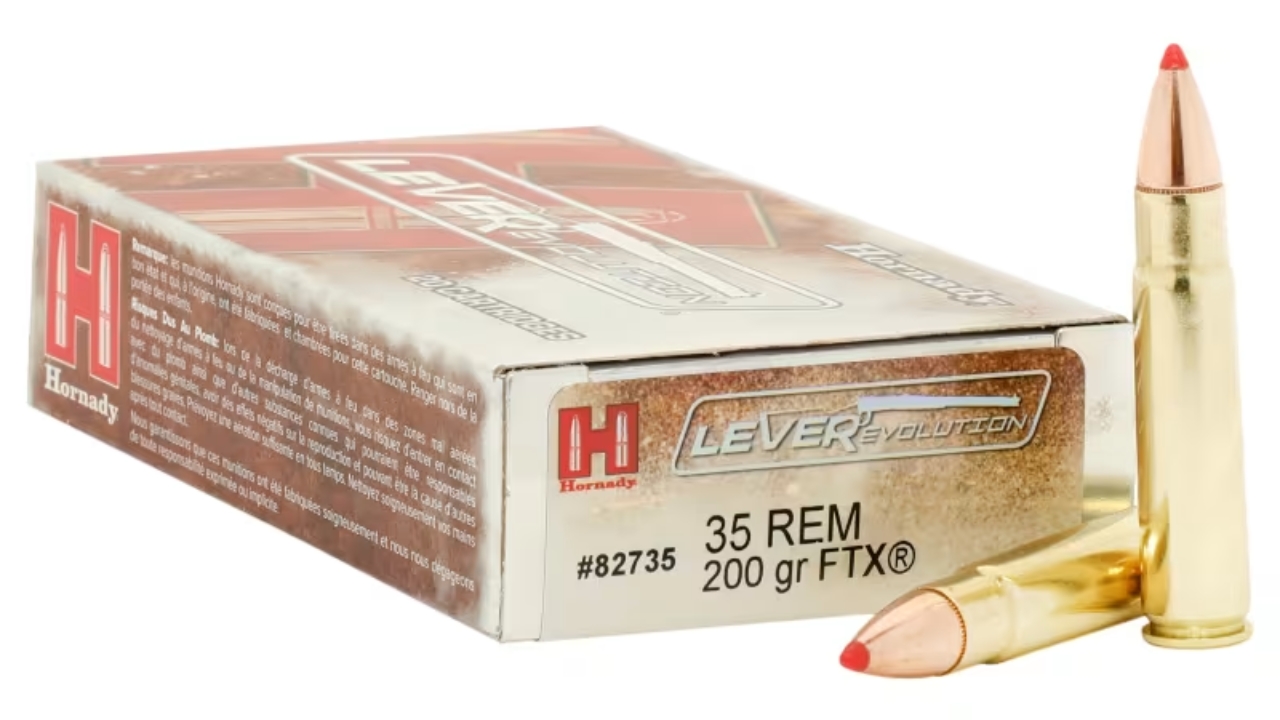
The .35 Remington was the lever-gun bruiser of its day. It offered more thump than a .30-30 without beating up the shooter. For woods hunters, it was perfect—until interest in heavy, slow rounds began to fade. Modern hunters chasing flatter trajectories left it behind.
You’ll still find a few Marlin 336 rifles chambered in .35 Remington, but ammo is rare and expensive. Those who use it swear by it, but most shooters have moved on. It’s one of those cartridges that quietly reminds you how much hunting has changed.
.22 Hornet
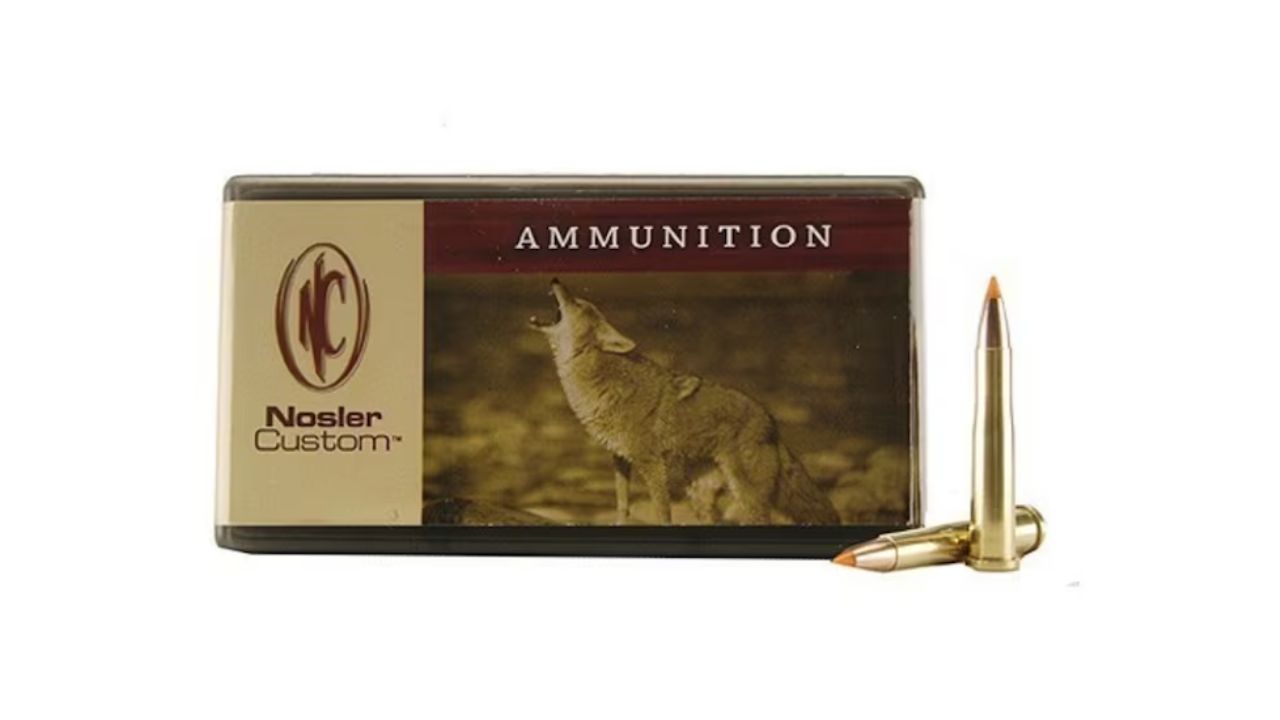
The .22 Hornet used to be the go-to round for small game and varmints before the .223 Remington took over. It offered great accuracy with almost no recoil, but it’s been outclassed in every category by newer cartridges.
Its limited range and inconsistent ammo availability didn’t help. While it’s still a fun round for handloaders, most shooters looking for a light varmint cartridge pick something modern. The Hornet still buzzes in the background, but few hear it anymore.
.280 Remington

The .280 Remington never got the credit it deserved. It was efficient, accurate, and powerful—sitting perfectly between the .270 and .30-06. But poor timing and marketing left it overlooked. When the .270 had Jack O’Connor and the .30-06 had decades of trust, the .280 had no champion.
Remington tried to revive it as the “7mm Express,” but that only confused people. It’s still an excellent hunting cartridge, but few new rifles chamber it now. The 7mm-08 and 6.5 PRC have stolen the stage. The .280 is still capable—just quieter than it should be.
.222 Remington
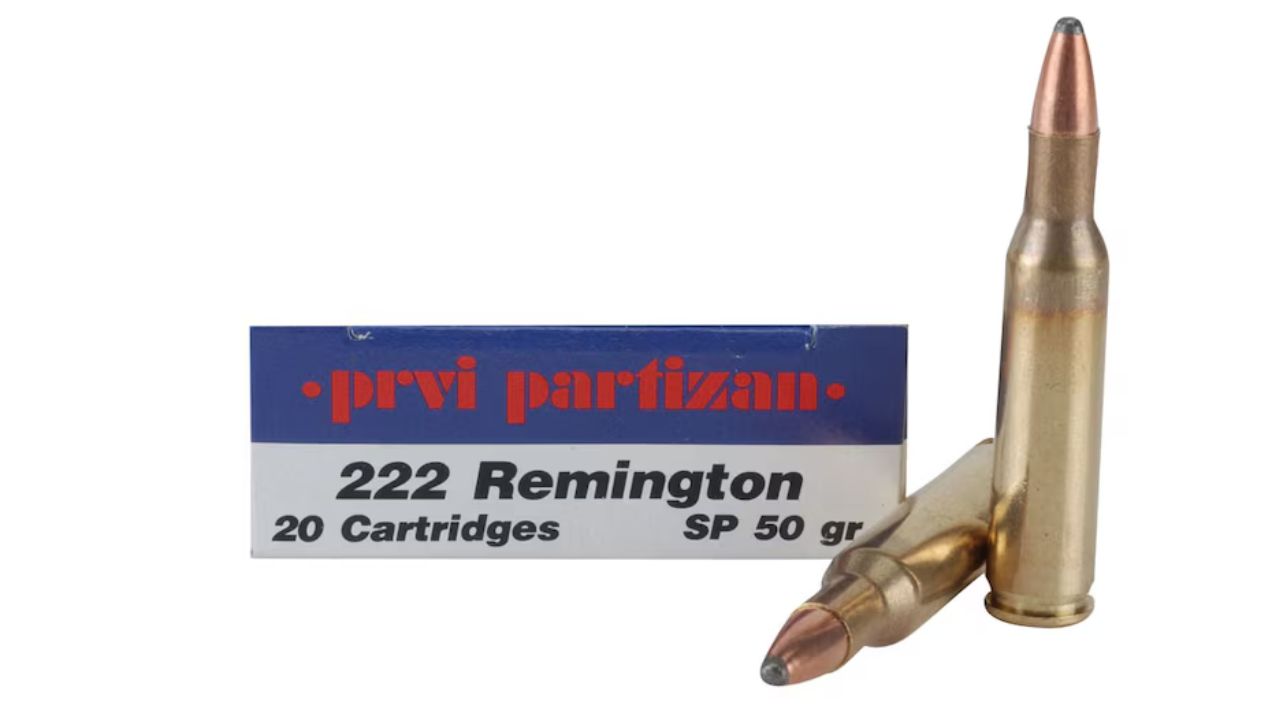
The .222 Remington was the precision shooter’s favorite before the .223 came along. Known for tiny groups and smooth recoil, it dominated benchrest competitions for years. Then NATO adopted the .223, and the .222 was instantly overshadowed.
It’s still accurate and efficient, but nobody chambers new rifles in it anymore. If you find one, it’s usually an old varmint rig gathering dust. It’s a round that never failed—it just got replaced by something close enough to make it irrelevant.
.264 Winchester Magnum

The .264 Winchester Magnum came out swinging in the 1950s with blazing speed and flat trajectories. It should’ve been a long-range legend, but it burned barrels fast and developed a reputation for being temperamental. The .270 and .300 Win Mags were easier to live with.
Hunters loved it for a time, but it never recovered from that early reputation. Modern shooters chasing long-range accuracy have better options now. Still, the .264 was ahead of its time—it just couldn’t handle its own pressure.
.220 Swift

The .220 Swift was once the king of speed, breaking 4,000 feet per second long before most cartridges could dream of it. It was incredibly accurate, devastating on varmints, and decades ahead of its competition. The downside? Barrel life.
Shooters learned quickly that its velocity came at a cost. Barrels wore out fast, and recoil was sharper than expected for a varmint round. It’s still legendary among handloaders, but the .204 Ruger and .22-250 have taken its place. The Swift still screams—but mostly in memory.
.300 H&H Magnum
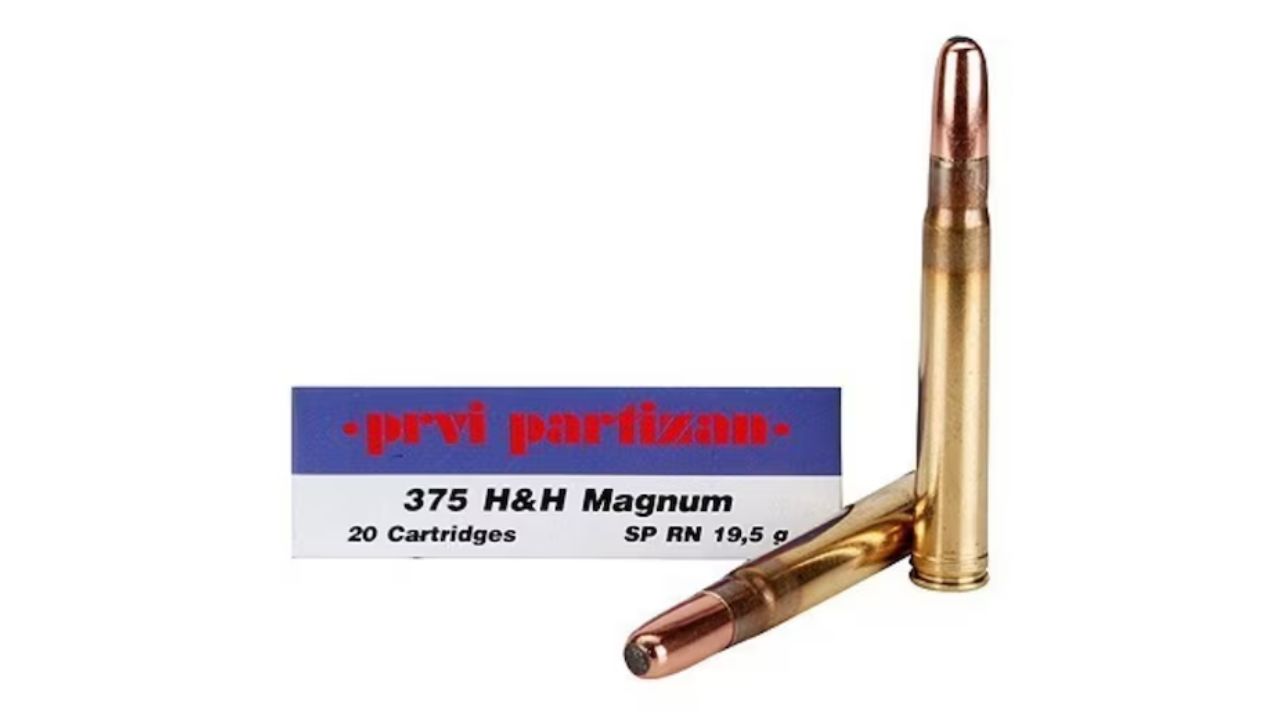
The .300 H&H Magnum was once the most respected magnum on the planet. It had smooth feeding, solid ballistics, and a reputation for accuracy. But as belted magnums like the .300 Winchester Magnum arrived, the H&H quietly faded.
It still delivers excellent performance, but few modern rifles are chambered for it, and factory ammo costs a fortune. Handloaders keep it alive out of respect, but it’s a round that now lives mostly in classic safari stories and dusty gun cabinets.
.348 Winchester
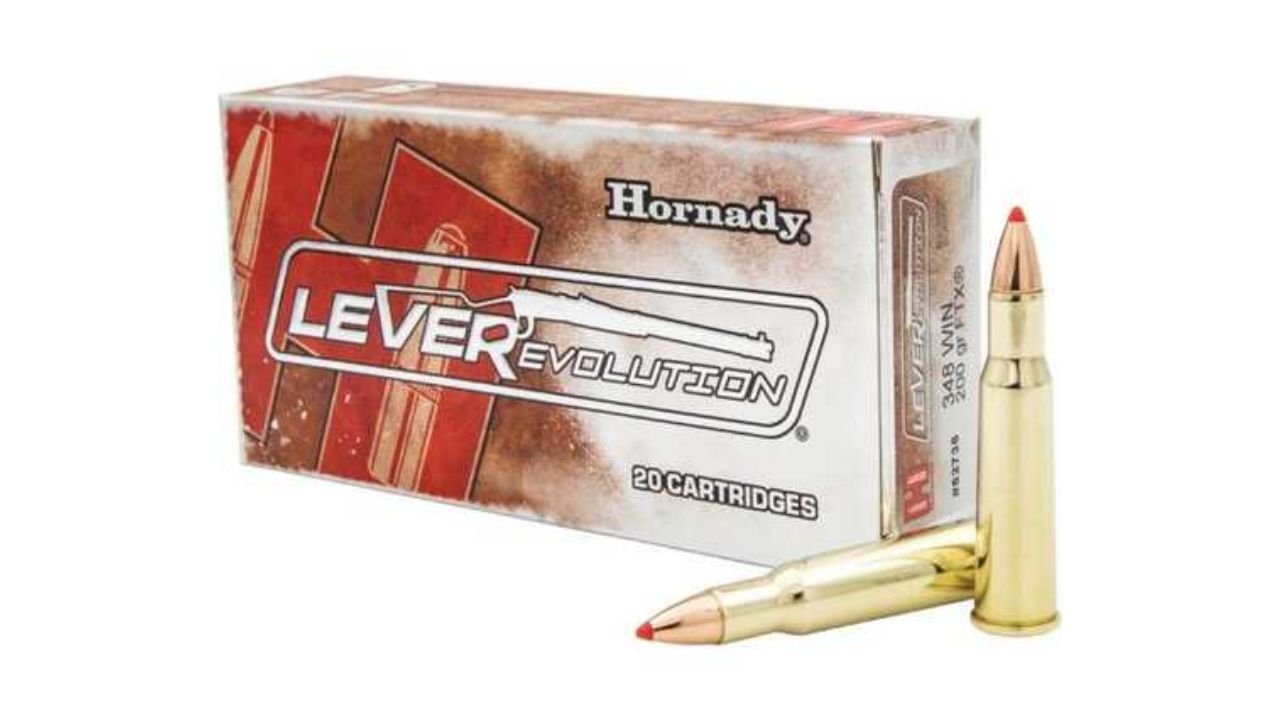
If you’ve ever handled a Winchester Model 71, you’ve seen one of the most powerful lever-gun cartridges ever made. The .348 Winchester hit hard and carried energy far beyond what most lever guns could manage. But the Model 71 was expensive, and the round never caught on elsewhere.
Today, it’s practically extinct outside of collectors and diehards. It’s a shame, too—it offered real punch and character. But in an era of cheaper, flatter-shooting options, it became a relic of power with nowhere to go.
.45 GAP
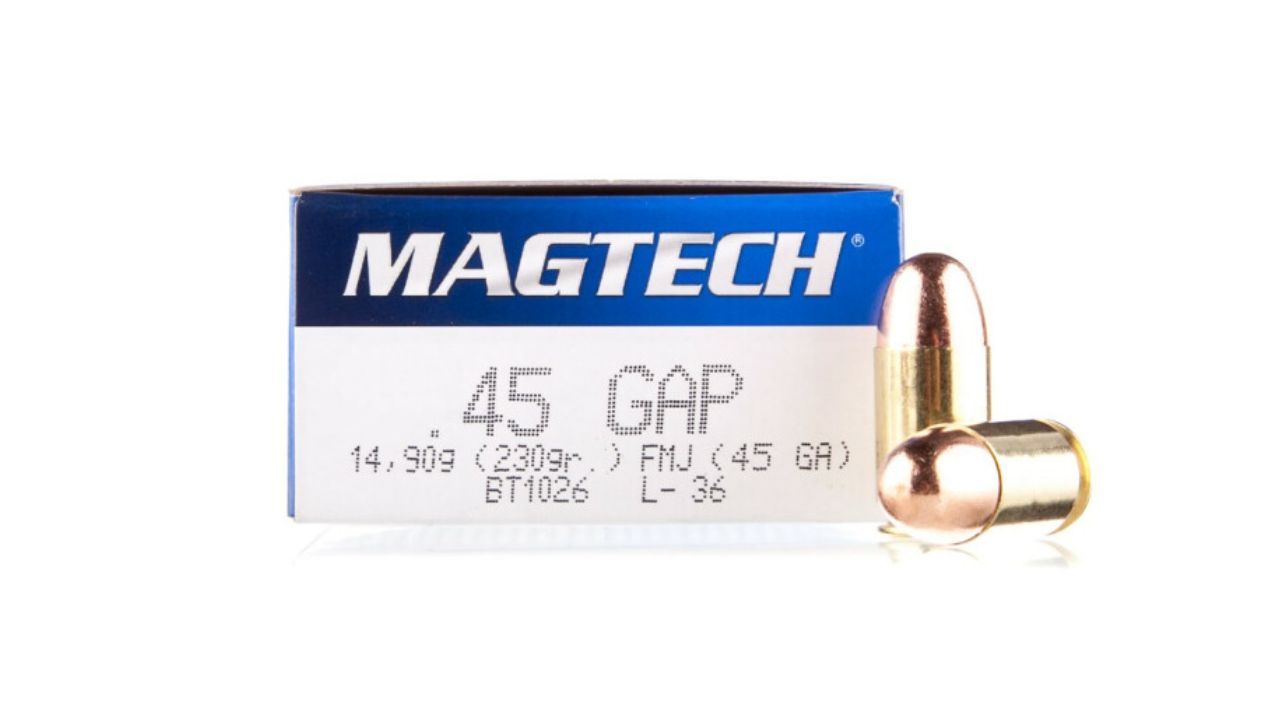
The .45 GAP was Glock’s attempt to slim down .45 ACP performance into smaller frames. It worked mechanically but failed culturally. Shooters stuck with the classic .45 ACP, and ammo companies never fully embraced it.
It’s rare to find now, and few manufacturers still chamber it. For a cartridge that had a bold start, it faded fast. The .45 GAP didn’t fail because it was weak—it failed because it couldn’t replace a legend.
.25-06 Remington
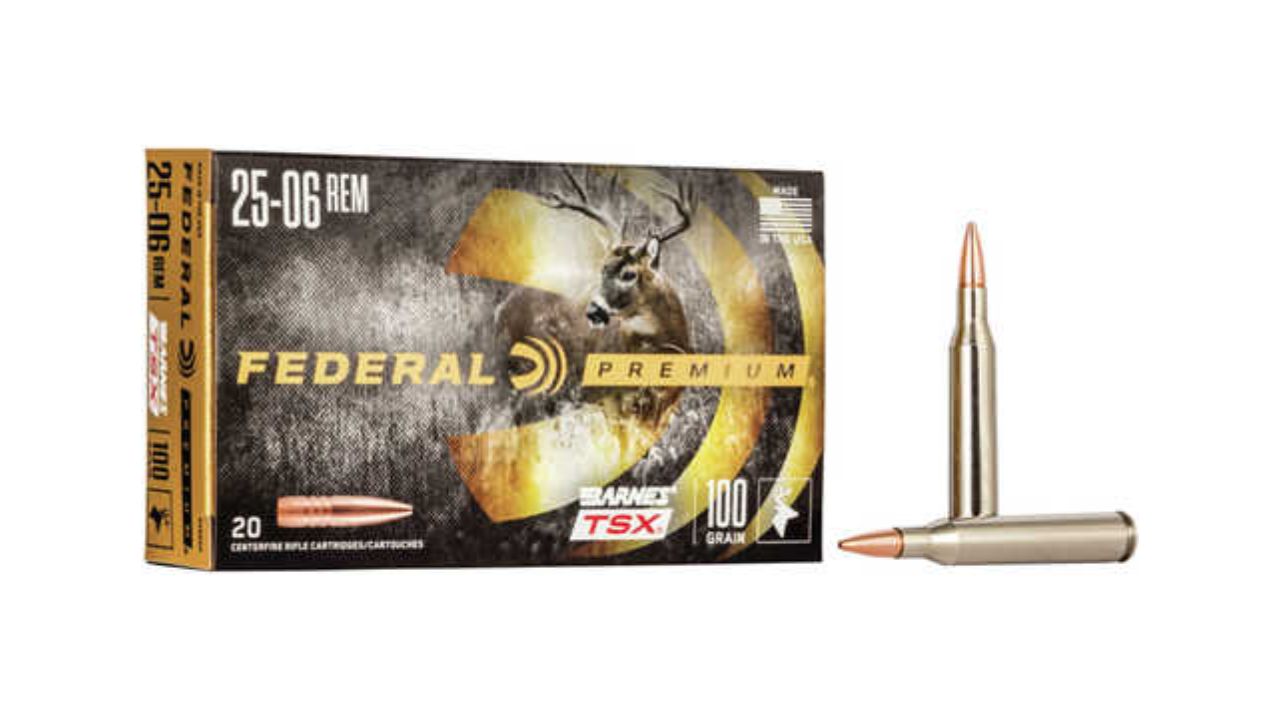
The .25-06 was the flat-shooting darling of deer hunters for decades. It hit hard, recoiled lightly, and stretched distance with ease. But newer 6.5mm cartridges have taken its spotlight. The 6.5 Creedmoor made it look dated, even though it still outpaces it in some ways.
Factory ammo options have dwindled, and it’s rarely seen on shelves. The cartridge didn’t do anything wrong—it simply got ignored as trends shifted. Those who still use it know it’s one of the best all-around rounds ever made.
.41 Magnum

The .41 Magnum was designed as the perfect middle ground between the .357 and .44 Magnum. It worked beautifully on paper, and it shoots well, but it never caught on. Neither law enforcement nor hunters adopted it widely, leaving it in limbo.
It’s accurate, powerful, and well-balanced—but ammo availability is poor, and few revolvers are made for it anymore. It’s one of those cartridges that deserved more fans. Now, it survives quietly in the hands of those who know what it’s capable of.
.300 Weatherby Magnum

The .300 Weatherby Magnum was once the symbol of long-range luxury. It delivered incredible speed and power long before most shooters talked about “magnum performance.” But it’s also expensive to shoot and loud enough to make you regret pulling the trigger twice.
As newer magnums like the .300 PRC and .28 Nosler arrived, the Weatherby slowly slipped into obscurity. It’s still a powerhouse, but only a handful of dedicated shooters keep it alive. Once a roaring champion, it now whispers from the back of the safe.
Like The Avid Outdoorsman’s content? Be sure to follow us.
Here’s more from us:
The worst deer rifles money can buy
Sidearms That Belong in the Safe — Not Your Belt
*This article was developed with AI-powered tools and has been carefully reviewed by our editors.