
Photo credit: PeopleImages/Shutterstock.com
A rifle might look steady on the bench, but a full hunting season has a way of revealing weaknesses you won’t see in a single afternoon. Temperature swings, moisture, rough handling, and the constant in-and-out of trucks and blinds expose how well a rifle really holds zero. Some rifles keep punching steady groups month after month.
Others start to drift, change personality, or throw that critical first shot wide when you need it tight. These rifles often struggle to stay consistent from opening day to the final sits of late season.
Mossberg ATR
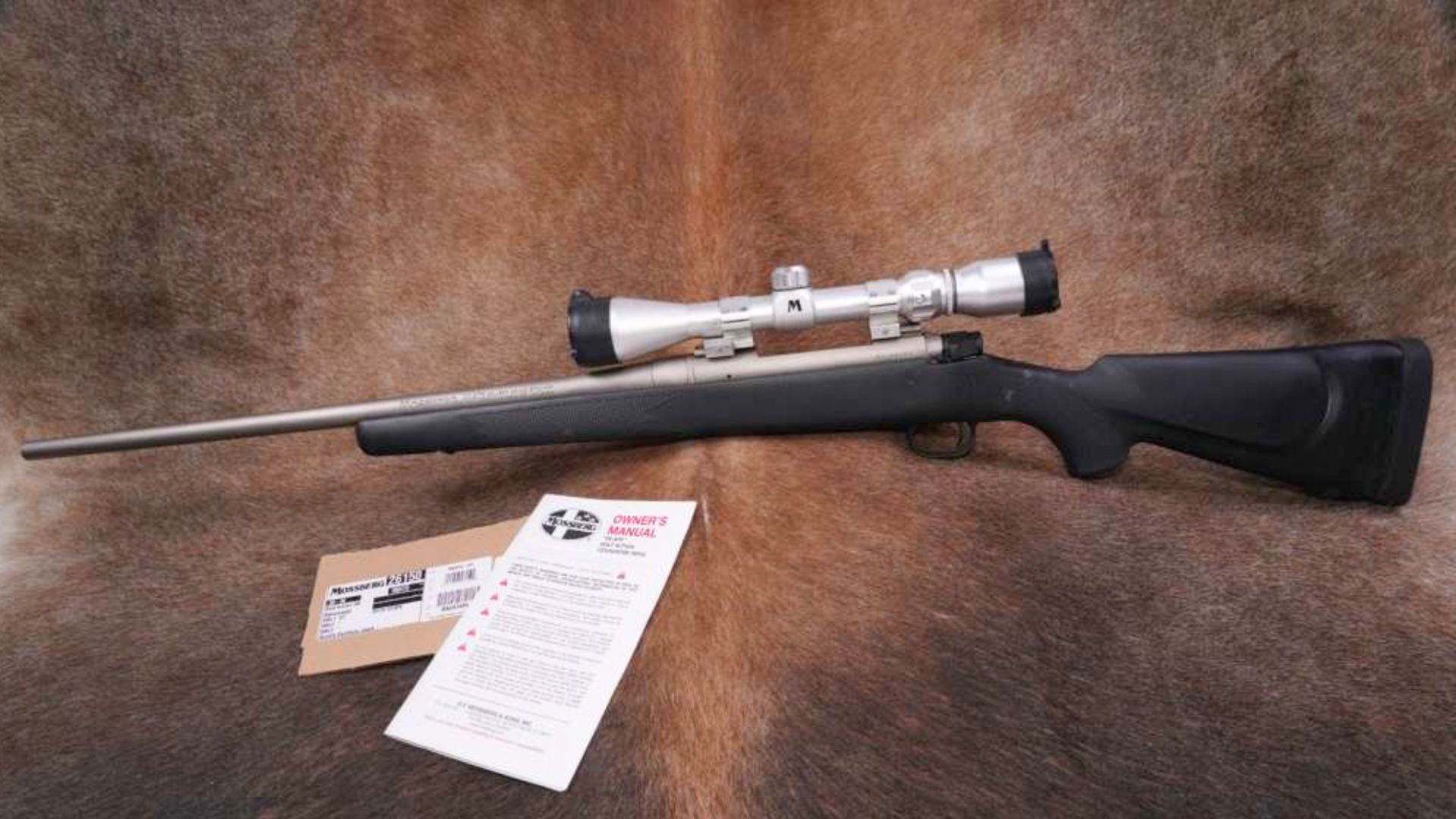
The Mossberg ATR has taken plenty of deer over the years, but it’s also a rifle that can show accuracy shifts once weather changes start piling up. The factory stock can flex under sling tension or when shooting off improvised rests, and that inconsistency shows up on target.
As the season progresses and temperatures fluctuate, some hunters notice their groups wandering more than they’d like. The rifle may zero well in mild conditions but print differently once the mercury drops. For hunters who expect the same performance in November and January, the ATR can require too many mid-season adjustments.
Ruger American Predator (Early Production)

The Predator line improved over time, but some early rifles were touchy about maintaining zero across a full season. The polymer stocks, while lightweight, weren’t as rigid as they could be, and pressure differences around the fore-end sometimes affected accuracy in colder weather.
Hunters have reported rifles that shoot tight early-season clusters but widen noticeably after weeks spent riding in trucks or leaning against trees. While many Predator rifles perform well, the early models occasionally struggled to keep a consistent point of impact once humidity and temperature started swinging.
Remington Model Seven

The Remington Model Seven is popular for its compact feel, but the lightweight barrels can be sensitive to temperature changes. A rifle that groups well in warm preseason range sessions might behave differently once late-season cold stiffens the barrel and stock.
Some hunters also found that slight differences in how the rifle is rested—especially when using shooting sticks—produce changes in vertical impact. Across a long season, these quirks add up, leading shooters to chase a zero they thought was locked in. It’s handy in the woods, but consistency can suffer over time.
Marlin X7
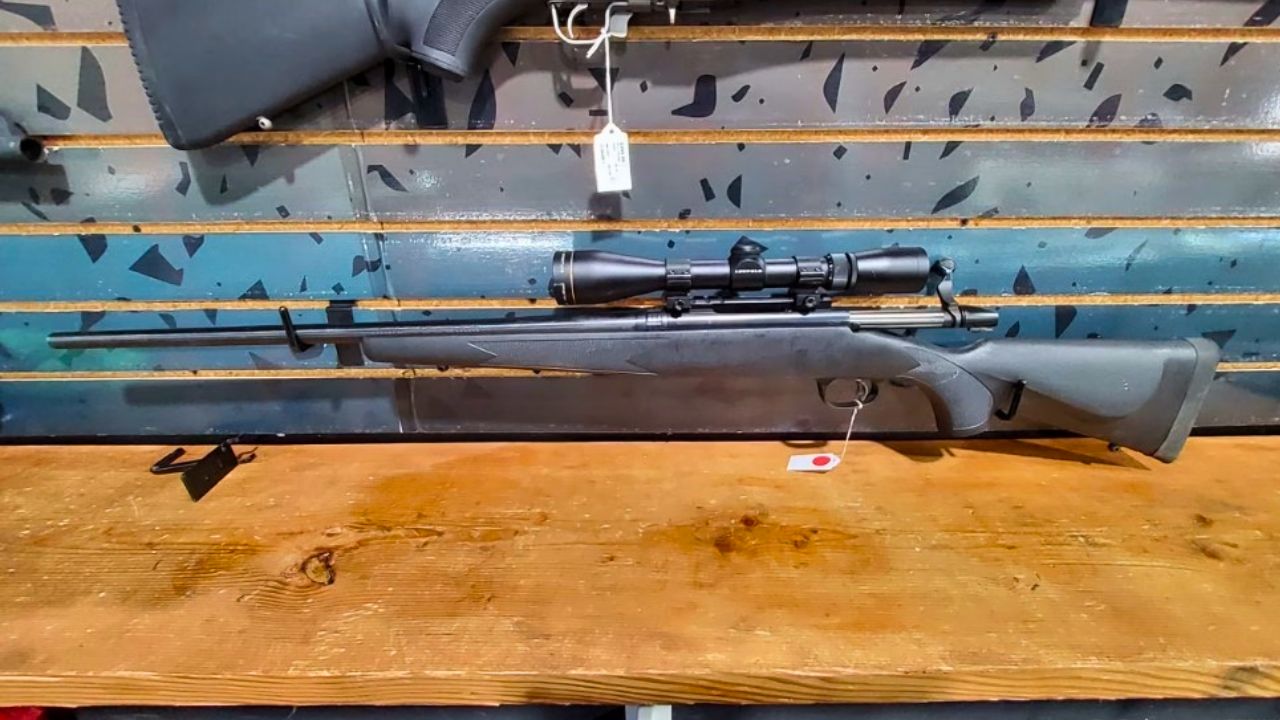
The Marlin X7 gained a following for its crisp trigger, but not all shooters had luck keeping it dialed throughout the season. The injection-molded stock can flex under pressure, especially at the forend, and that contact influences barrel harmonics more than most hunters expect.
Heat and cold cycles also affect these rifles differently. A load that prints well on a warm September afternoon may shift once the rifle sees freezing temperatures. While some X7 rifles shoot lights-out all year, others force hunters to tweak their zero more often than they’d prefer.
Howa 1500 Lightweight
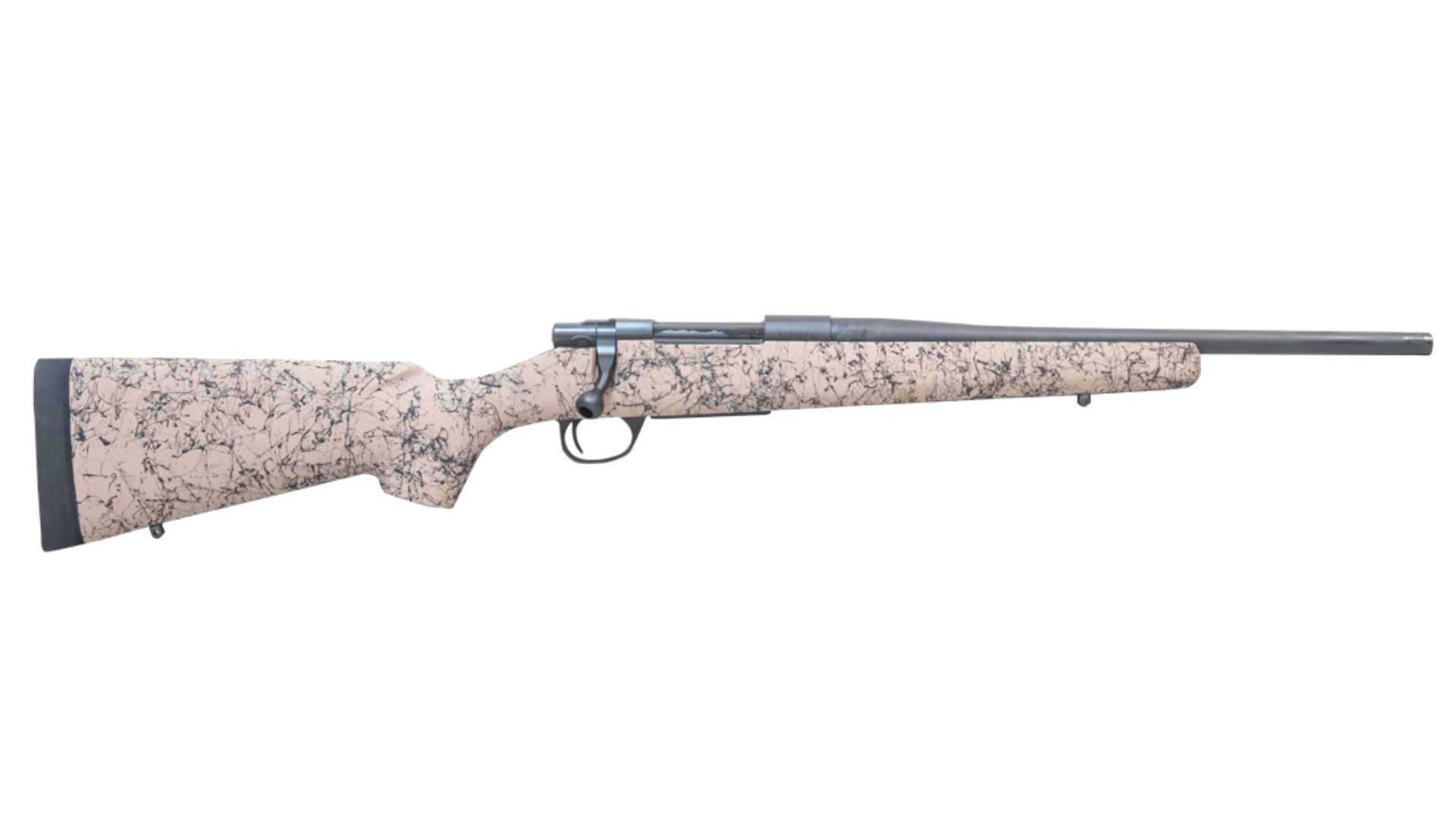
The Howa 1500 is well regarded, but the lightweight sporter versions can show sensitivity to environmental changes. Thin barrels heat quickly and cool unevenly, and hunters who shoot several rounds while checking zero might see wandering impacts as the barrel temperature fluctuates.
Once the rifle sits in a truck or blind for hours, the cold-bore shot may land slightly off from the warm-barrel groups seen at the range. Across a season, that inconsistency becomes noticeable. The rifle is durable and reliable, but the light-profile barrel can make predictable accuracy a challenge.
Savage 11 Trophy Hunter
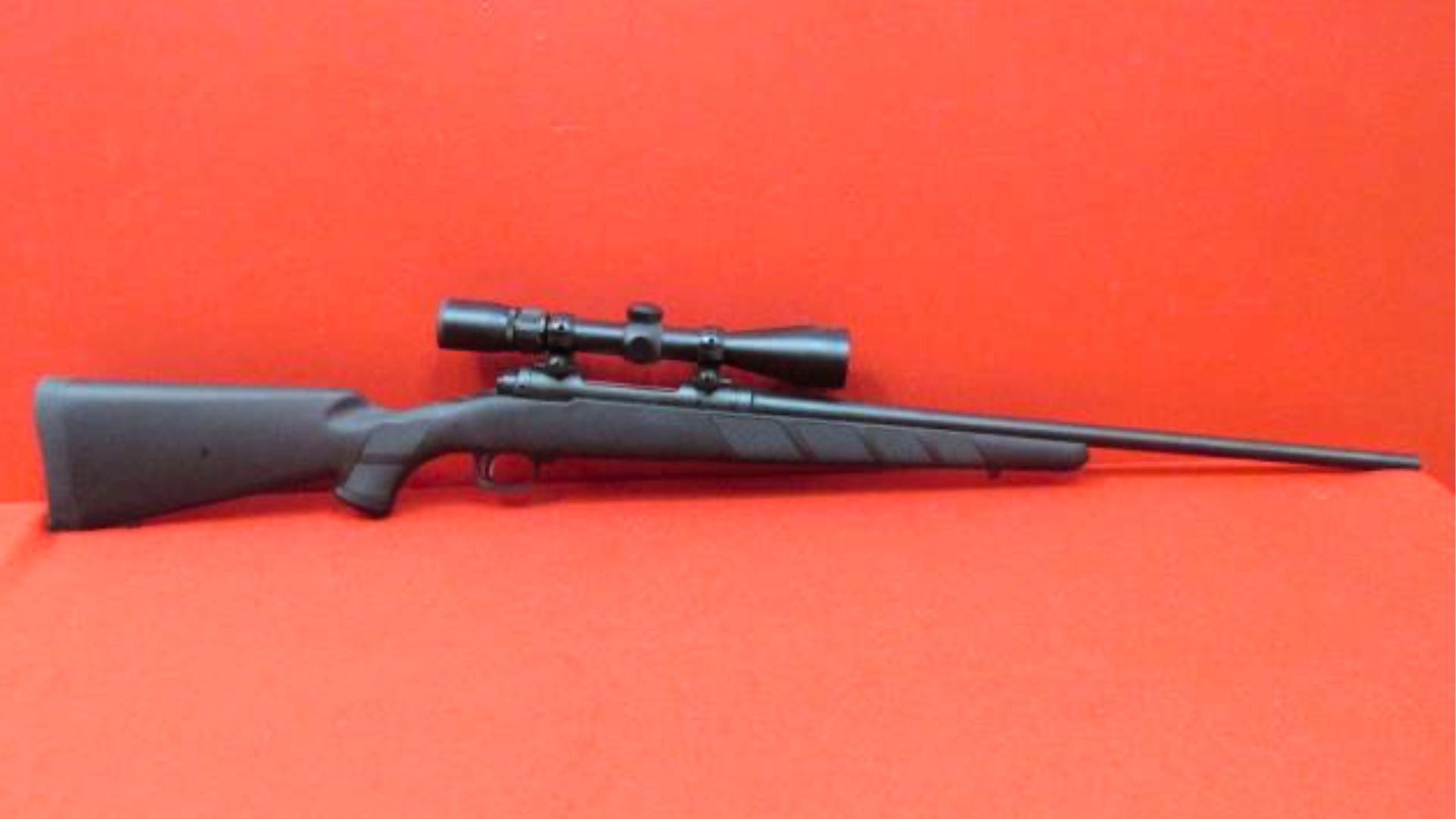
The Savage 11 Trophy Hunter often ships with good glass and shoots decently out of the box, but some rifles struggle with long-term consistency. The basic synthetic stocks found on many of these packages can flex unpredictably, especially when braced on rough rests.
Zero shifts become more obvious as the season progresses, particularly when humidity rises or drops rapidly. Hunters who expect cold-bore shots to land exactly where they left off weeks earlier may find themselves re-confirming point of impact more than they want to. It’s capable, but finicky in changing weather.
Browning A-Bolt II Composite Stalker
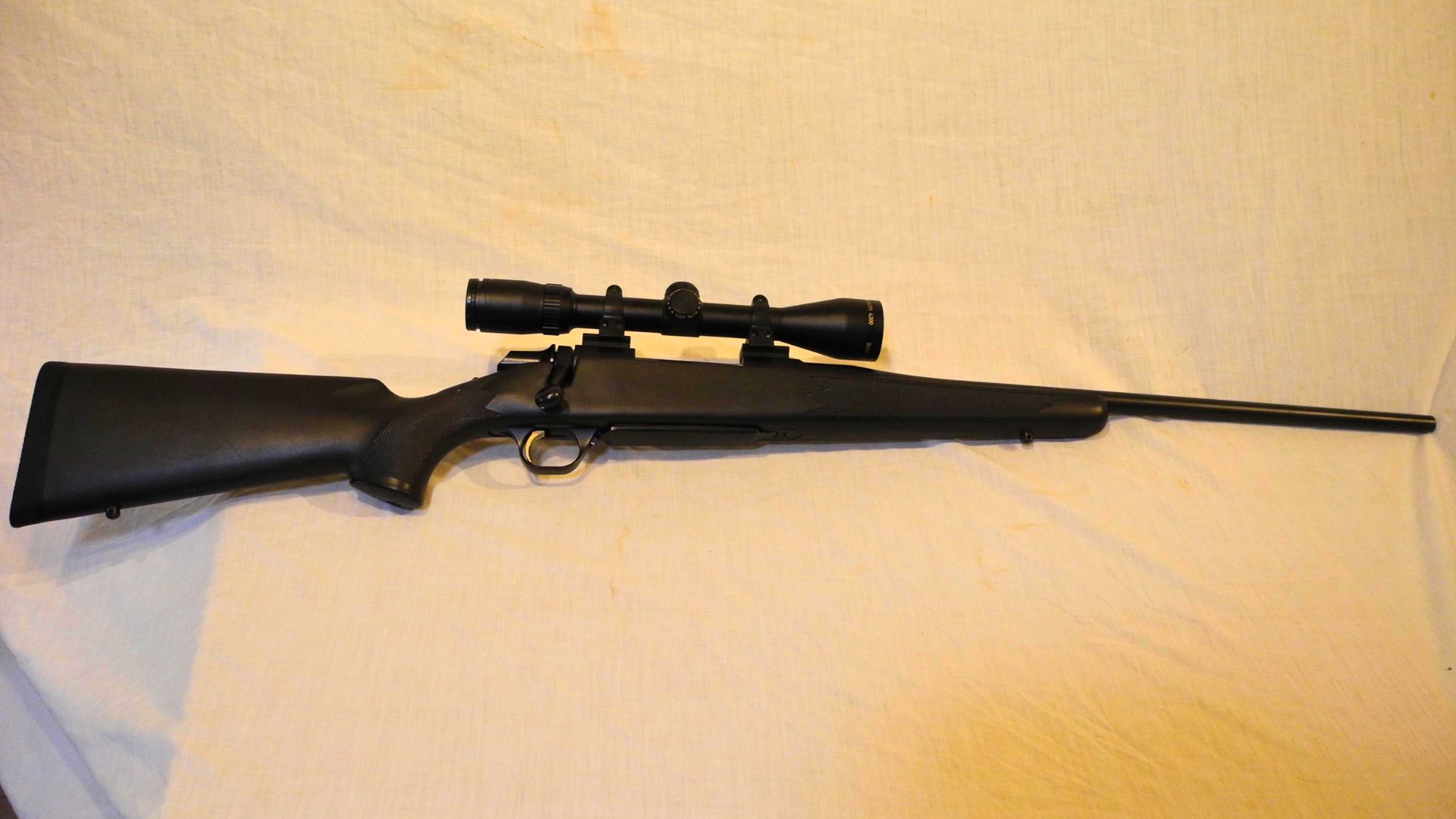
The A-Bolt II has plenty of fans, but the Composite Stalker version can show surprising sensitivity to temperature changes. The stock, while durable and lightweight, occasionally exerts slight pressure on the barrel as the weather shifts.
Accuracy changes are often subtle at first—a half inch here, an inch there—but by late season, it becomes clear the rifle isn’t printing the same. Hunters who need reliable, repeatable cold-bore impacts sometimes find themselves frustrated when the rifle behaves differently from month to month.
Tikka T3 Lite (Early Polymer Stock)

The Tikka T3 Lite generally shoots well, but early polymer stocks weren’t as rigid as later versions. Some hunters found that slight inward flex under sling tension could affect barrel clearance, especially in cold weather.
Over a long season, that sensitivity can create shifts in point of impact, turning a tight-shooting rifle into one that suddenly doesn’t match its earlier performance. While many T3 Lite rifles are excellent, certain early examples made hunters double-check their zero more often than they’d like.
Weatherby Vanguard Synthetic (Older Models)
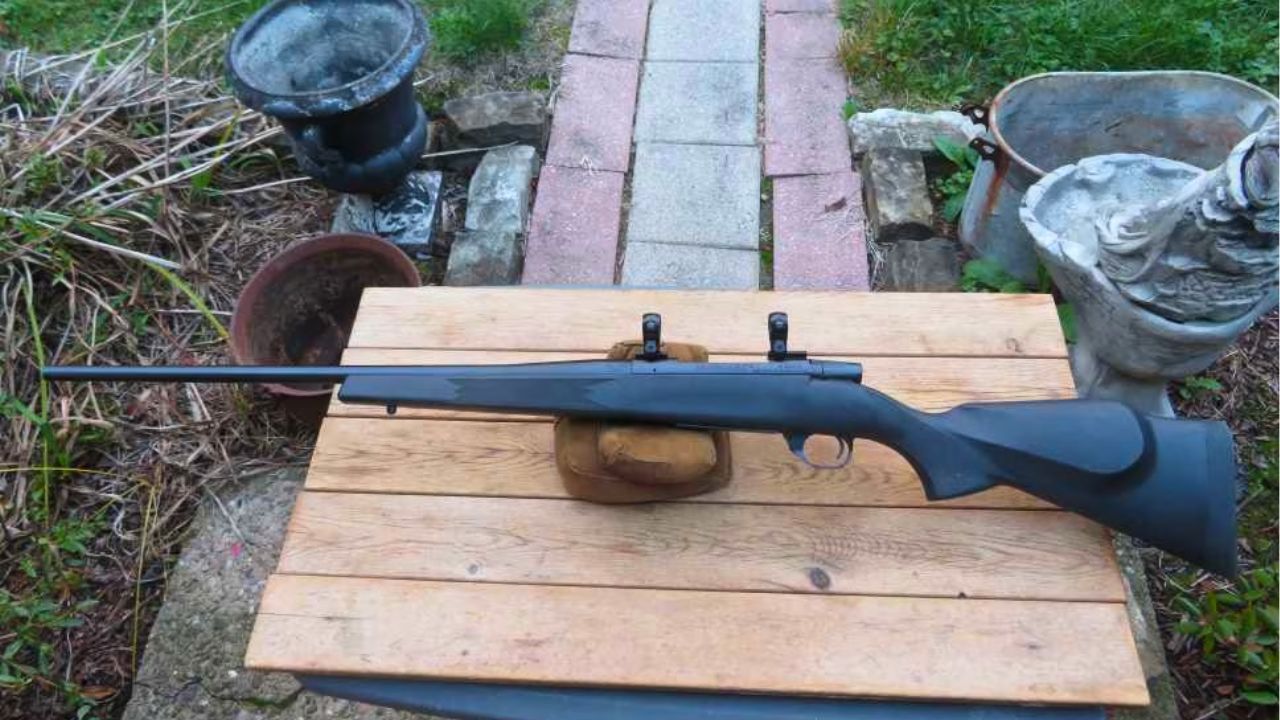
Older synthetic-stock Vanguards are built tough but sometimes lack the rigidity needed for season-long accuracy. The fore-end can flex when braced against uneven terrain, creating enough barrel contact to change point of impact.
Hunters often notice this after weeks of varied field positions. What shot well during preseason tuning may drift unpredictably once the rifle sees rain, cold, and constant carrying. The rifle remains reliable mechanically, but precision-minded hunters occasionally find it tough to keep perfectly dialed in.
Remington 783

The Remington 783 delivers good value, but maintaining the same level of accuracy across an entire season can be challenging. The stock, recoil lug setup, and barrel profile all contribute to changes in point of impact under different conditions.
Shooters often see good early-season performance, only to find groups widening after carrying the rifle for weeks. Snow, rain, and humidity shift the feel of the rifle, and the cold-bore shot may not match where the rifle was printing in mild weather. It’s serviceable, but not always predictable.
Mossberg Patriot Synthetic
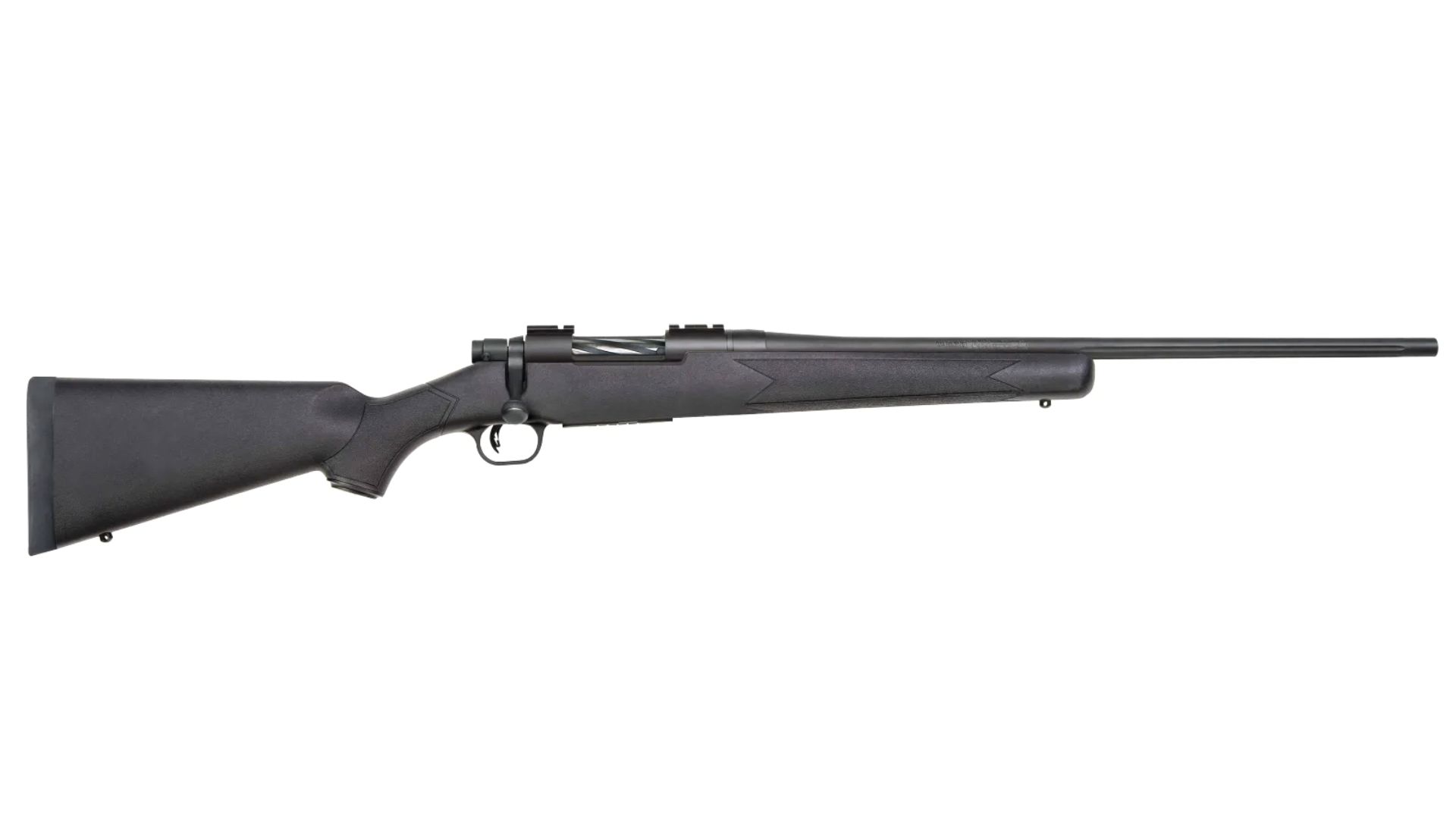
The Patriot Synthetic can deliver solid hunting accuracy, but the flexible stock becomes a limiting factor during long seasons. Resting the rifle on fence posts, backpacks, or tree limbs can subtly warp the fore-end, affecting consistency without the shooter realizing it.
Once temperatures start dropping, the polymer stiffens in odd ways, occasionally shifting barrel pressure. Hunters often compensate by re-zeroing mid-season, but the rifle rarely stays locked in without careful handling. It’s functional and affordable but not always stable over months of use.
CVA Cascade

The CVA Cascade is a newer rifle that performs well for many shooters, but some lightweight-barrel models struggle to stay consistent through extreme weather swings. Cold-bore impacts can differ from warm-barrel groups more than hunters expect.
By late season, those differences create enough uncertainty that hunters feel compelled to confirm zero repeatedly. While the Cascade has plenty of strengths, certain configurations don’t maintain accuracy as predictably as others when subjected to real hunting conditions.
Ruger M77 Mark II (Sporter Barrel)

The M77 Mark II is rugged, but sporter-barrel versions sometimes show wandering accuracy across long seasons. The barrel heats fast, cools slowly, and reacts noticeably to temperature changes between vehicles, blinds, and open fields.
Hunters often trust the rifle’s reliability, but not always its ability to place the first shot exactly where it was printing months earlier. It’s a classic design, but the combination of bedding system and slim barrel can make full-season consistency harder to maintain.
Savage Axis II XP (With Factory Glass)
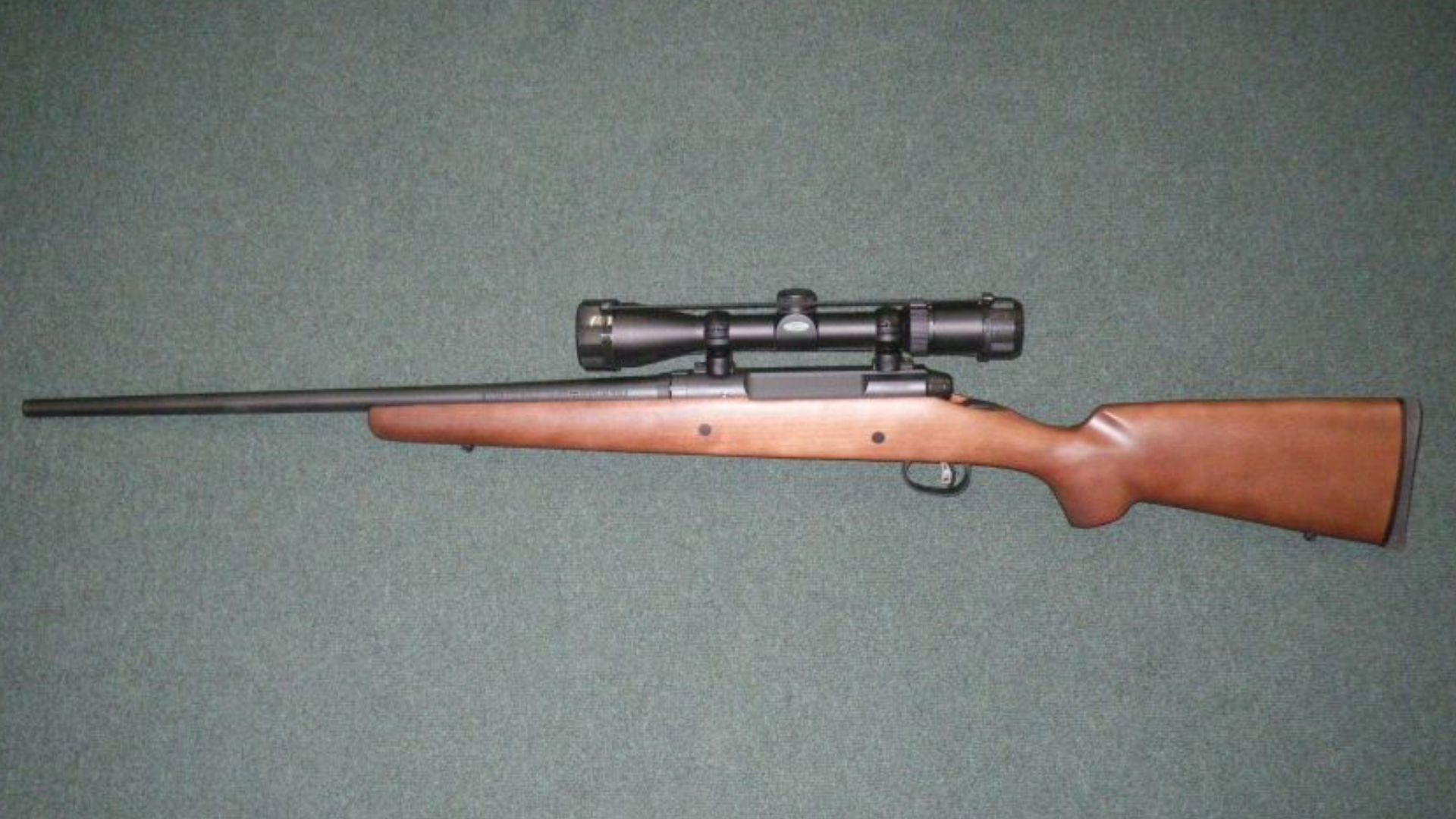
Many Axis II rifles shoot well, but the XP packages with lightweight factory optics sometimes drift as the season progresses. The combination of a flexible stock and budget scope can create more point-of-impact changes than most hunters expect.
As temperatures fluctuate and the rifle experiences bumps and vibration, the setup can lose the precision it showed early on. Hunters often blame ammo when the real culprit is the stock and optic shifting microscopically under field conditions.
Winchester XPR

The Winchester XPR is fast-handling and affordable, but a number of shooters report accuracy changing over long seasons, especially with the earliest stock designs. The fore-ends can flex under sling tension or when braced awkwardly on natural rests.
Those pressure changes show up downrange as wandering groups or cold-bore inconsistency. While many XPRs shoot very well, certain rifles don’t deliver the same point of impact all season without occasional fine-tuning.
Like The Avid Outdoorsman’s content? Subscribe to our newsletter so you never miss an article.
Here’s more from us:


