Photo credit: WHO_TEE_WHO/YouTube
Every few years, gun makers roll out new calibers that promise to change the game—faster speeds, flatter trajectories, harder hits. But not every cartridge earns its keep once the honeymoon ends. Some sound good in theory but fail in the field, sending shooters back to what already worked. Whether it’s recoil that’s too harsh, ammo that’s impossible to find, or ballistics that look great on paper but disappoint downrange, these rounds all taught shooters the same lesson: newer doesn’t always mean better. Here are the calibers that made plenty of smart folks rethink their setups after a few range trips or hunts.
.224 Valkyrie
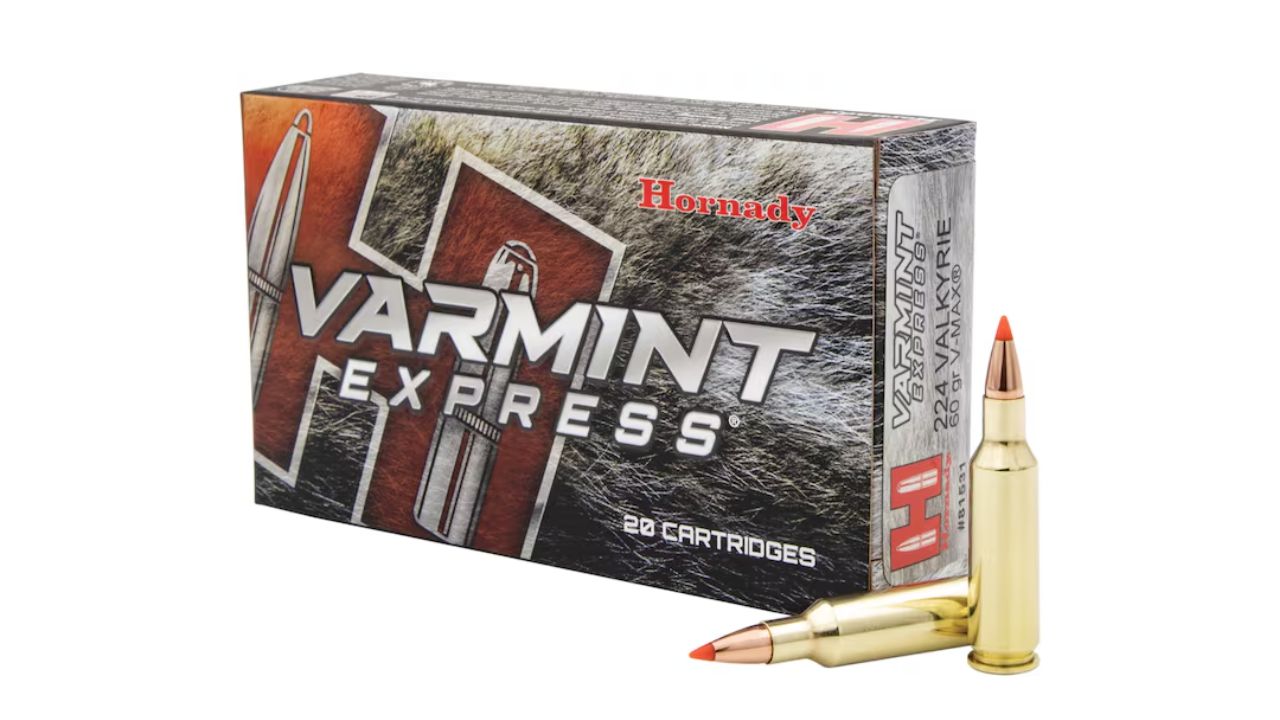
When Federal launched the .224 Valkyrie, it was supposed to turn the AR-15 into a long-range monster. It offered high ballistic coefficients and promised sub-MOA accuracy past 1,000 yards. But real-world results didn’t always match the hype. Barrel twist issues, inconsistent factory loads, and erratic velocity spread left many shooters frustrated.
While the round can shine in carefully tuned setups, it demands too much precision for most casual shooters. Many folks found that a well-built .223 Wylde or 6.5 Grendel simply performed more consistently. The .224 Valkyrie isn’t a total failure—it’s just one of those cartridges that never lived up to its marketing.
.30 Super Carry
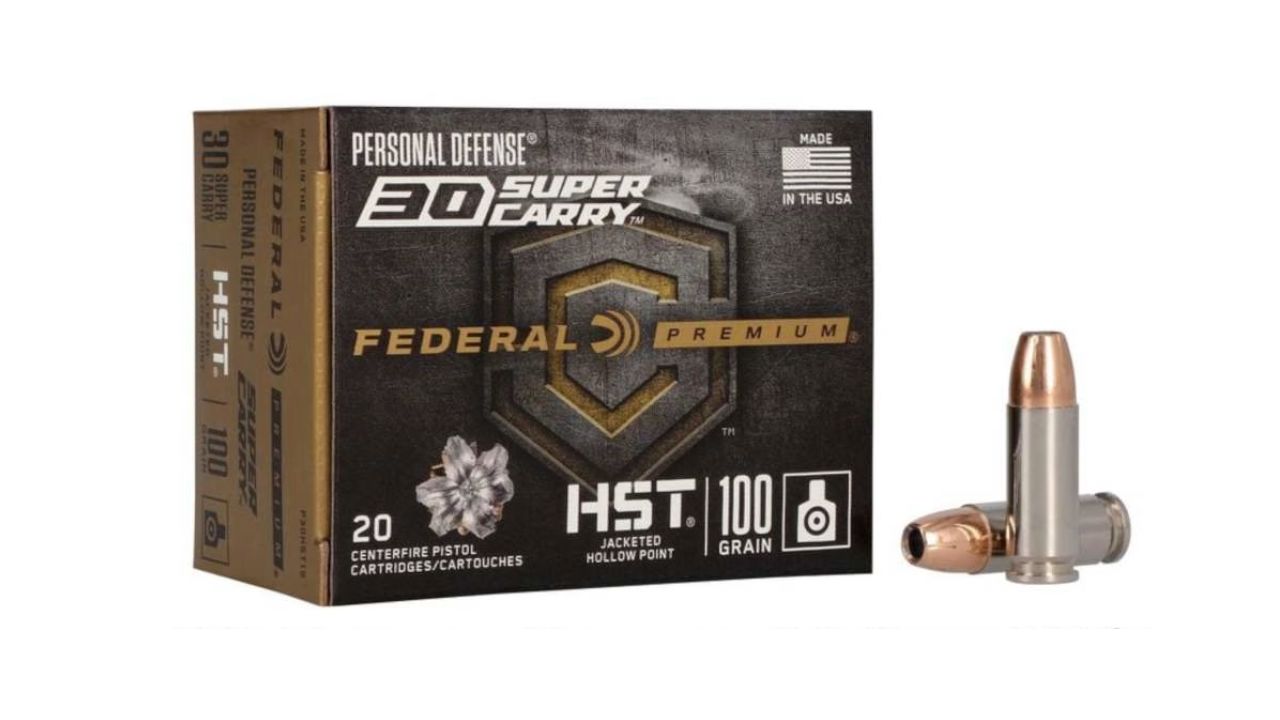
The .30 Super Carry came out swinging, positioned as the next evolution in concealed carry ammo. It promised 9mm-like performance with smaller case dimensions to fit more rounds per magazine. Sounds perfect, right? The problem was simple: nobody asked for it.
The 9mm already does everything this cartridge tried to improve. Ammo availability has been poor since day one, and the ballistic gains don’t outweigh the hassle. Shooters who tested it found recoil similar to 9mm but with limited gun options and higher prices. It’s another example of a solution looking for a problem.
6.8 Western

The 6.8 Western was designed to deliver long-range hunting performance in a short-action rifle, blending the best traits of the .270 and 6.5 PRC. On paper, it works. In practice, it never quite found its audience. Recoil sits high for its class, and ammo choices remain limited.
It performs well when handloaded, but factory loads can be inconsistent. Many hunters found that the 6.5 PRC or .300 Win Mag handled similar tasks with more predictable results. The 6.8 Western isn’t a bad round—it’s just one that came too late into an already crowded market.
.17 WSM

The .17 Winchester Super Magnum promised incredible rimfire velocity—3,000 feet per second from a tiny cartridge. But with that speed came issues. The rifles were expensive, accuracy was hit or miss, and barrel life suffered. Plus, its performance edge over the .17 HMR wasn’t enough to justify the hassle.
For varmint hunters, it sounded like the dream round, but it turned out temperamental. Wind drift was still an issue, and the ammo never became affordable or easy to find. Most shooters went right back to .17 HMR or .22 WMR, proving that faster doesn’t always mean better.
.350 Legend

The .350 Legend was built for states that restrict rifle hunting to straight-wall cartridges. It gained quick popularity for that reason, but the hype didn’t last. Ballistically, it falls short compared to traditional bottleneck cartridges, and bullet selection is limited.
Some rifles shoot it well, others don’t. The .350’s accuracy issues and modest range leave many hunters unimpressed. It’s fine for short shots in thick woods, but beyond 200 yards, performance drops fast. It filled a niche but never quite broke out of it, leaving shooters wishing for more versatility.
5.7x28mm
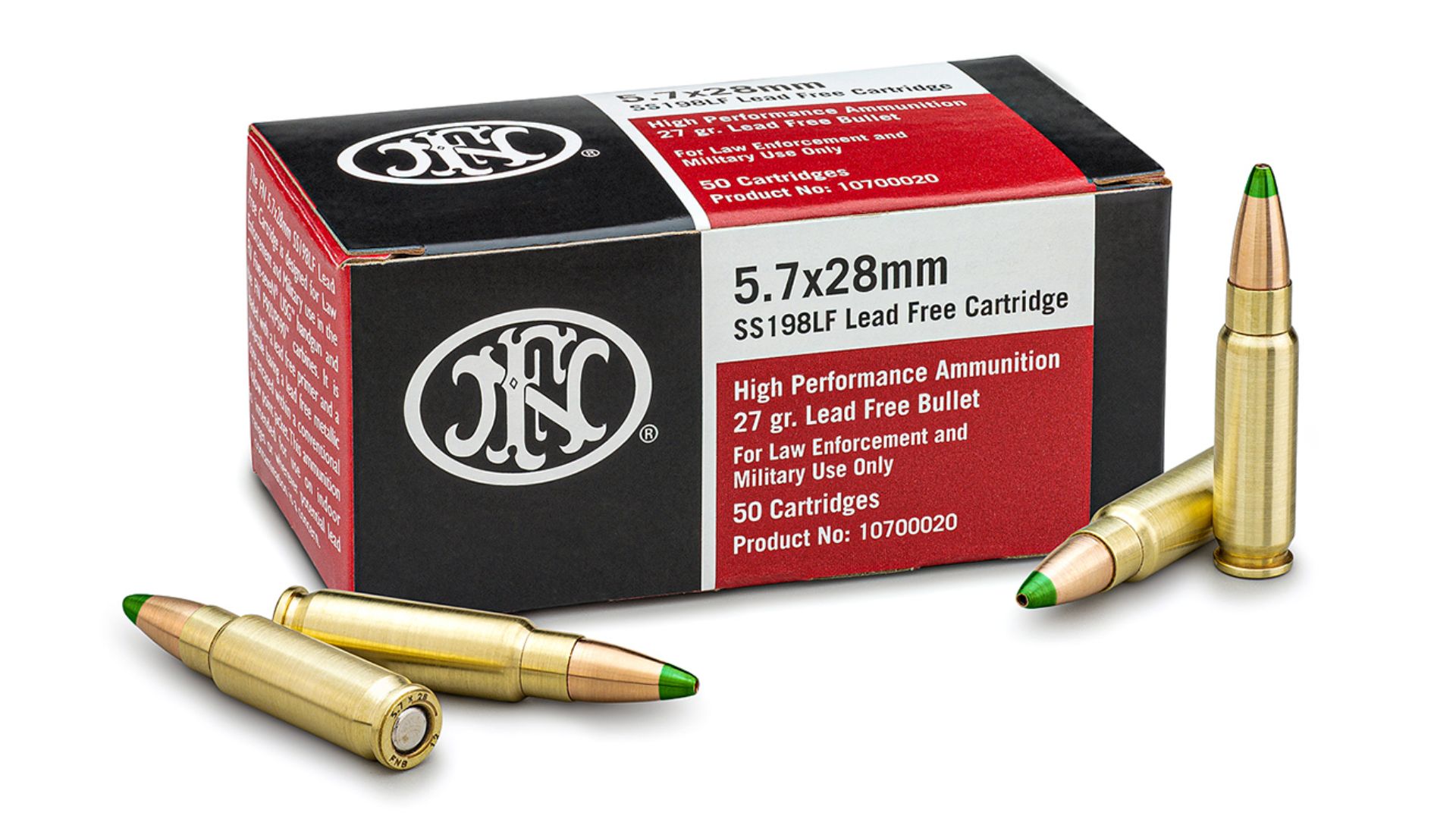
The 5.7x28mm has always walked a strange line between novelty and practicality. Originally built for the FN P90 and Five-seveN pistol, it’s light, fast, and fun—but not particularly effective compared to standard defensive calibers. Recoil is low, but so is stopping power.
Ammo cost and limited availability keep it from gaining traction with average shooters. It’s accurate and unique, but it doesn’t bring enough to the table for hunting or self-defense. Most people who try it enjoy the experience, then move on to something more practical.
.458 SOCOM
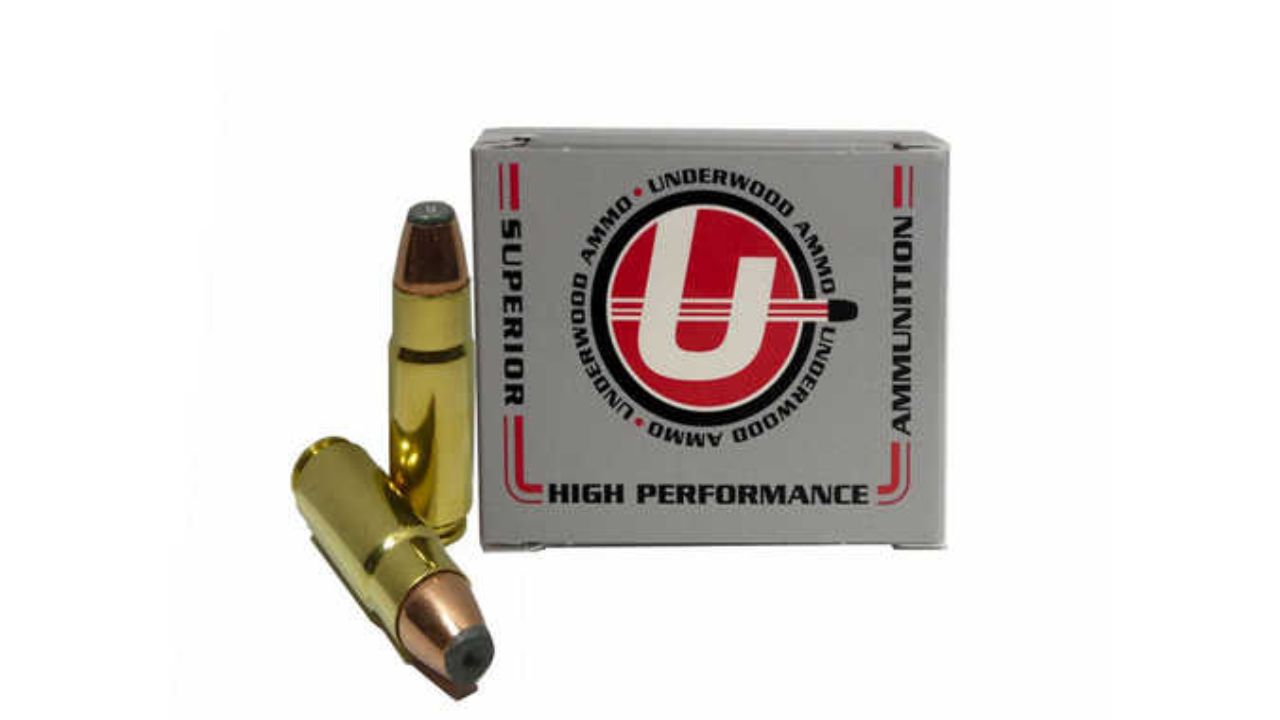
The .458 SOCOM was designed for heavy-hitting performance in the AR-15 platform. It does that well—but at a cost. The recoil is brutal, ammo is expensive, and finding reliable magazines can be a chore. For most shooters, it’s more of a novelty than a necessity.
It’s capable of taking large game at close range, but so are lighter, easier-to-shoot calibers. Unless you’re running suppressed or chasing hogs up close, the .458 SOCOM often ends up collecting dust after the initial excitement wears off.
.26 Nosler
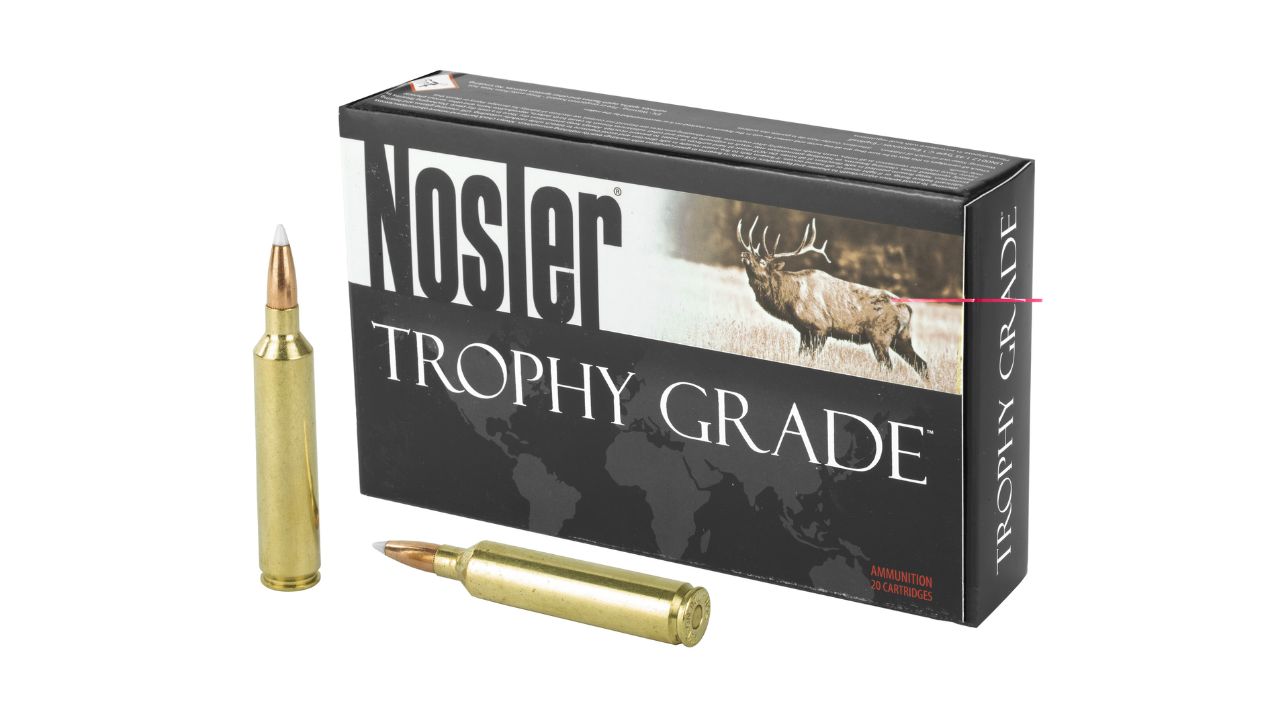
The .26 Nosler claimed “world’s fastest 6.5,” and it wasn’t lying. The problem is, all that speed comes with heat and barrel erosion. It burns through throats faster than most shooters can afford. Accuracy drops quickly after a few hundred rounds, and factory ammo isn’t cheap.
For hunters who take only a few shots a year, it works fine—but long-range shooters learned fast that it’s not a practical target round. The .26 Nosler delivers impressive numbers, but it also proves that pushing limits comes with tradeoffs.
.450 Bushmaster
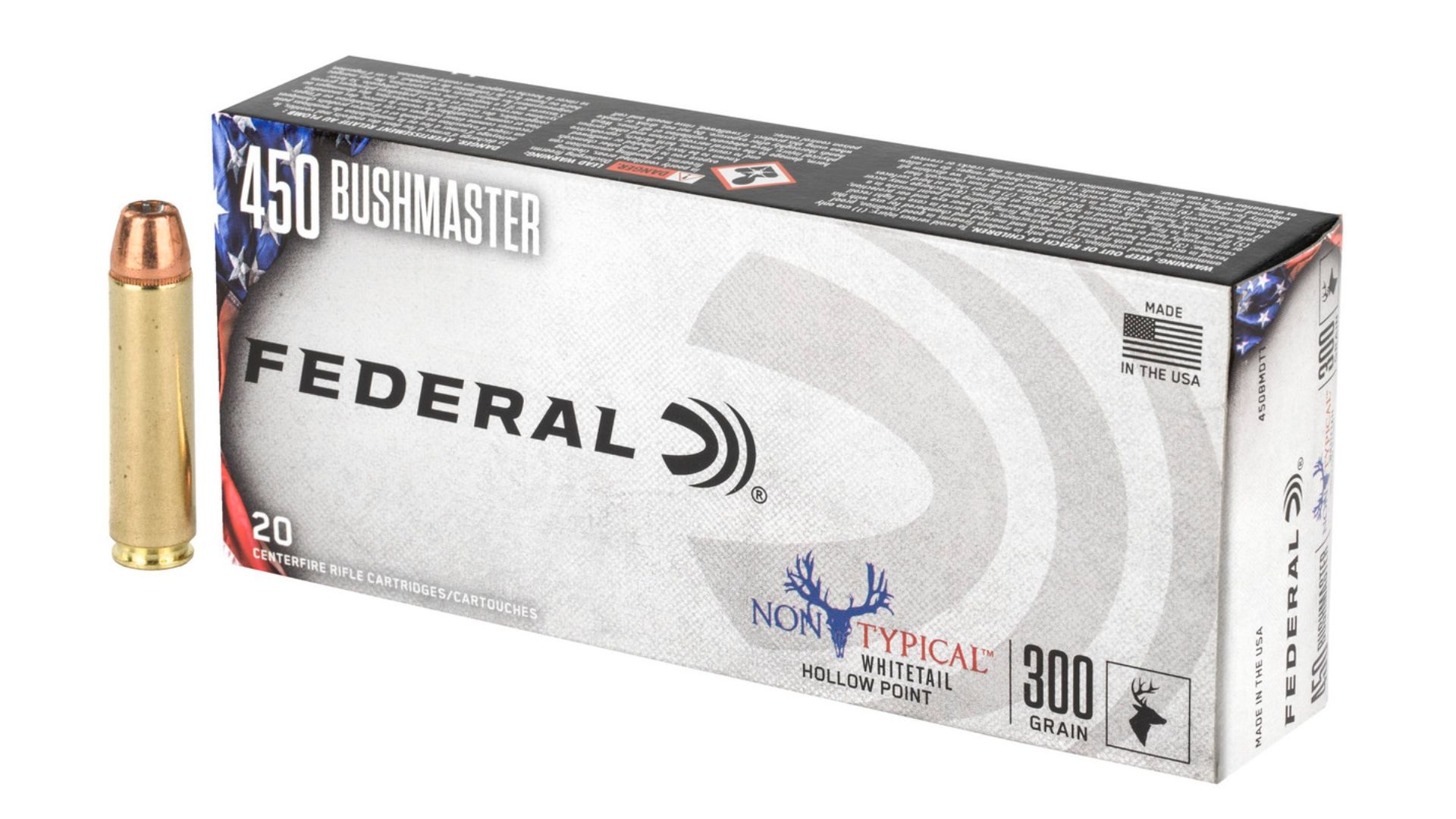
The .450 Bushmaster looked like the ultimate AR-15 big-bore solution—big bullet, big punch. In reality, it’s loud, kicks hard, and lacks range. Beyond 200 yards, it starts to drop fast, and accuracy can be hit or miss depending on load and barrel.
It’s effective for short-range hunting, but there’s little reason to pick it over a .308 or .30-06. The .450 can hit hard, sure, but it also leaves you dealing with recoil that’s out of proportion for its actual gain. It’s fun to shoot once, not fun to zero twice.
6.5 PRC

The 6.5 PRC came out to great fanfare, and it’s definitely accurate—but it’s not for everyone. Recoil is sharper than many expect, and the cartridge’s long-range advantage is minimal for most hunters. Barrel life is shorter than the 6.5 Creedmoor, and factory ammo isn’t cheap.
For serious precision shooters, it delivers. But for the average hunter or range shooter, the gains don’t justify the tradeoffs. Many folks end up switching back to the Creedmoor for convenience, comfort, and longevity.
.30 T/C
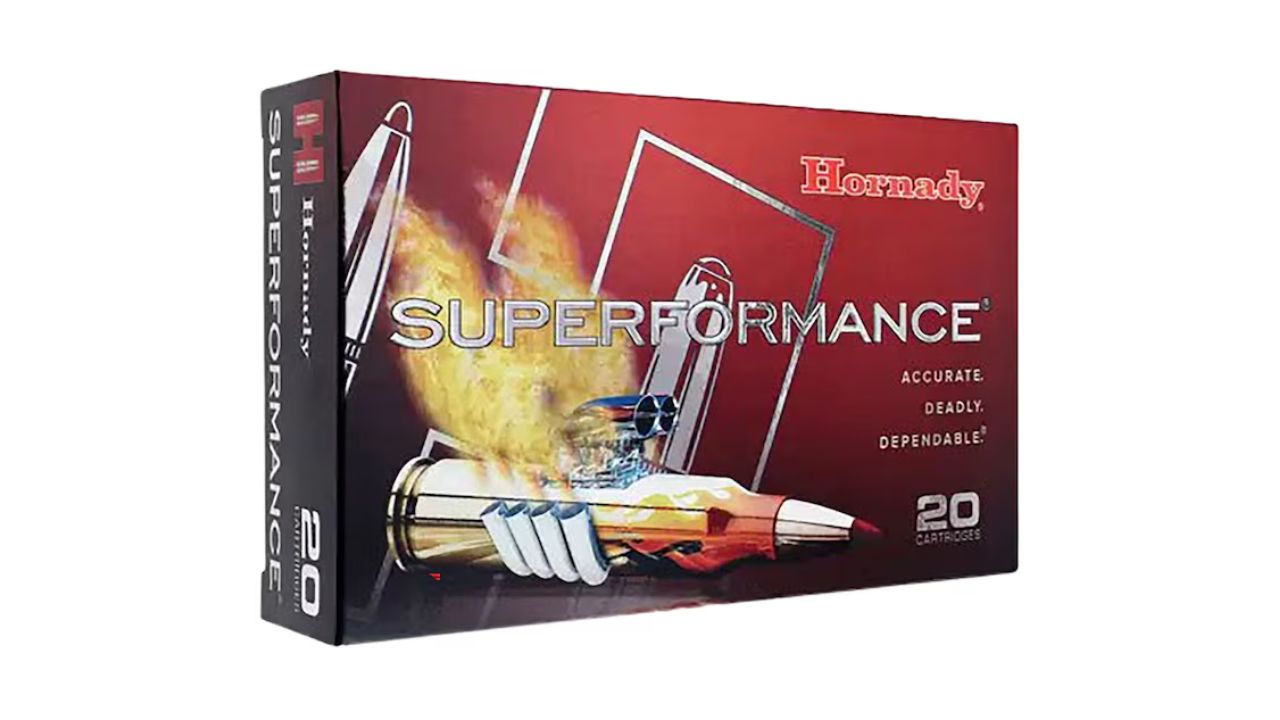
The .30 Thompson/Center tried to modernize the classic .308, promising similar performance from a shorter case. It worked technically—but nobody cared. Ammo availability was poor from the start, and it didn’t outperform existing options enough to catch on.
Shooters found themselves with a fine cartridge that nobody made ammo for. It quickly faded from shelves, and even reloading components became rare. It’s one of those “why bother” rounds that sent its few fans back to the .308, shaking their heads.
.17 Mach 2
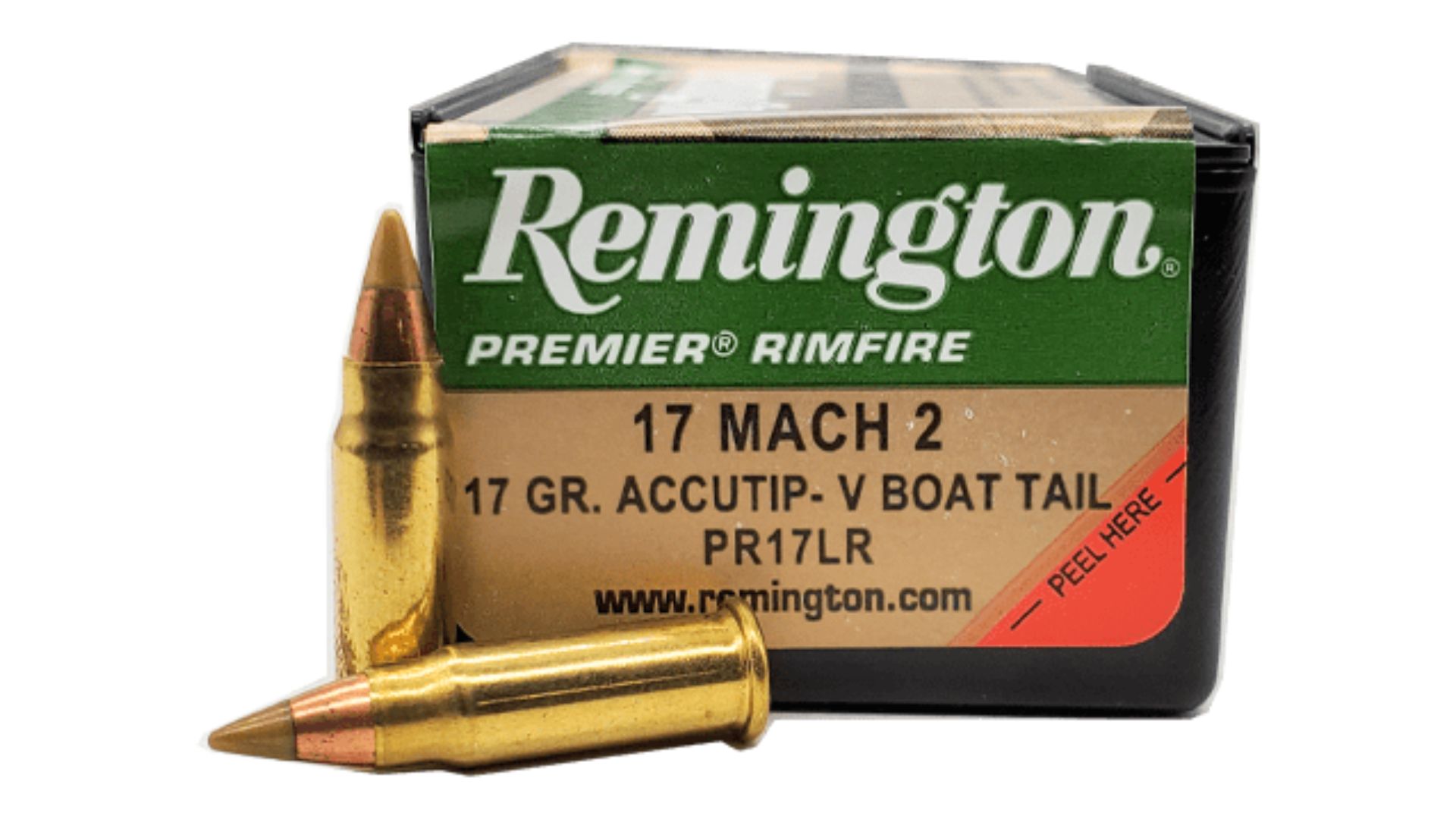
The .17 Mach 2 was supposed to be the affordable, low-recoil alternative to the .17 HMR. But the timing was off, and the performance didn’t justify switching. It ran hot and dirty in semi-autos, causing cycling issues. Accuracy was fine, but the ammo never became mainstream.
Shooters who tried it quickly realized the .22 LR and .17 HMR already covered everything it did. It’s an oddball rimfire that faded quietly, leaving behind a few curious collectors and dusty boxes of ammo.
.300 RUM
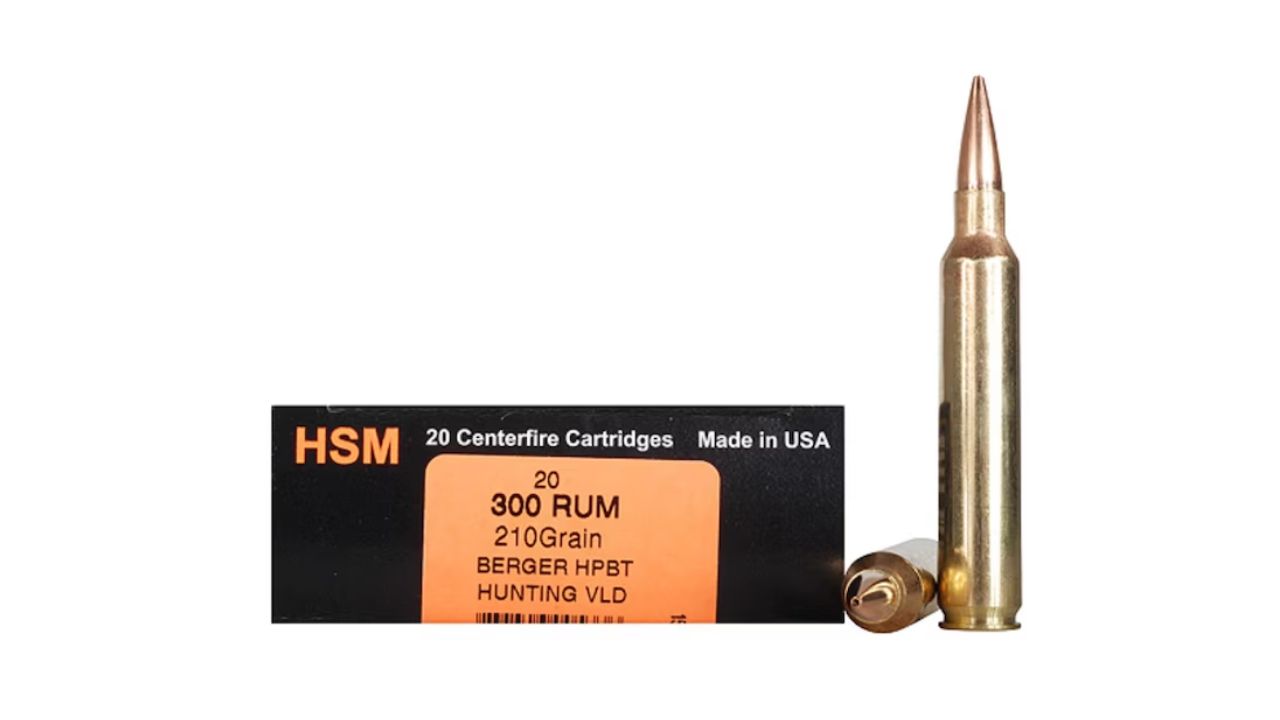
The .300 Remington Ultra Magnum has power to spare—but it’s a punishing round. Recoil is intense, barrel life is short, and factory ammo is expensive. It can perform exceptionally well for long-range hunting, but only if you’re ready to deal with the blast and wear.
Many shooters eventually step back to the .300 Win Mag, which delivers 95% of the performance with half the headache. The .300 RUM proved that too much of a good thing can ruin the fun.
.204 Ruger

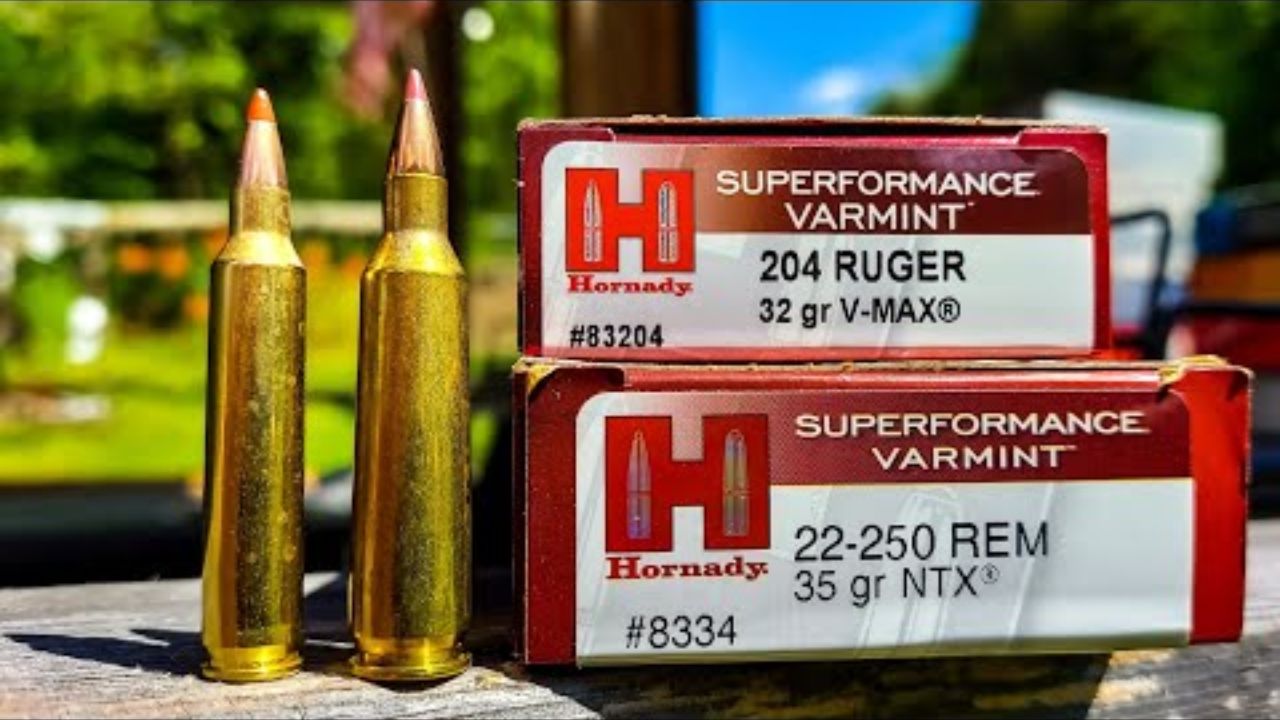
The .204 Ruger had its moment as a varmint-shooting marvel. It’s fast, flat, and accurate, but wind drift is brutal, and the tiny bullets don’t always perform well on impact. It’s fun to shoot, but it never replaced the .223 or .22-250 in the field.
It burns barrels quicker than its mild report suggests, and ammo variety is limited. It’s great on calm days but frustrating in real-world conditions. Many varmint hunters gave it a shot—then quietly went back to the classics.
.45 GAP

The .45 GAP was Glock’s attempt to deliver .45 ACP power in a 9mm-sized frame. It worked mechanically, but shooters didn’t bite. Ammo was scarce, expensive, and incompatible with anything else. Law enforcement agencies that adopted it quickly switched back to 9mm or .45 ACP.
It shoots fine, but it’s a logistical headache. The .45 GAP became a cautionary tale—don’t reinvent the wheel if the wheel already works. Shooters went back to what they knew, leaving this round behind as an interesting but unnecessary experiment.
Like The Avid Outdoorsman’s content? Be sure to follow us.
Here’s more from us:
The worst deer rifles money can buy
Sidearms That Belong in the Safe — Not Your Belt
*This article was developed with AI-powered tools and has been carefully reviewed by our editors.