Photo credit: ShotgunMikey/YouTube
Some handguns are built for a moment. They hit the market at the right time, ride a wave of hype, and then slowly start feeling tied to whatever trend sold them in the first place. Other handguns do something much harder. They stay useful while the market keeps changing around them. Capacity trends shift, carry styles change, optics show up, polymer takes over, micro-compacts explode, and somehow these guns still keep making practical sense.
That is what sets this group apart. These are not handguns that survived on nostalgia alone. They stayed relevant because they kept shooting well, carrying well, and doing real work while newer options kept taking turns being the next big thing. These are the handguns that stayed useful while trends changed.
SIG Sauer P229

The SIG Sauer P229 has stayed useful because it never depended on being the lightest, the cheapest, or the newest thing in the holster. It was built as a serious fighting pistol, and that purpose still comes through the second you pick one up. The gun feels substantial without being clumsy, and it shoots with the kind of steadiness that keeps mattering long after trend-driven carry pistols start feeling a little too compromised.
What keeps the P229 relevant is balance. It is compact enough to carry, large enough to shoot well, and durable enough to live a hard life without needing much sympathy from the owner. Plenty of handguns came along promising a better answer. The P229 kept reminding people that a very good answer was already sitting there.
Beretta PX4 Storm Compact
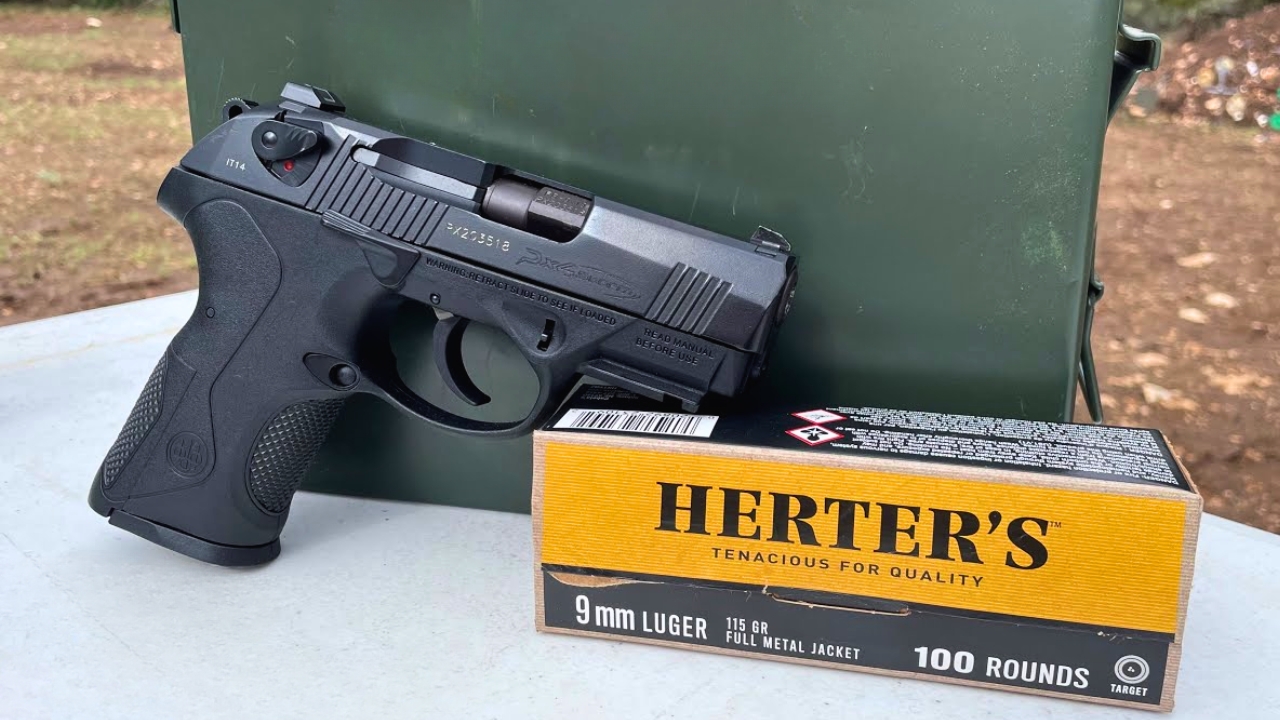
The PX4 Storm Compact never got the same broad love as some of the cleaner-looking pistols around it, but it stayed useful because it kept doing practical things very well. It shoots softly for its size, handles recoil with less drama than many compact pistols, and feels more settled in the hand than buyers sometimes expect before they actually run one. That kind of usefulness ages extremely well.
It also helps that the pistol never needed a trend to justify itself. It worked when slimmer carry guns were hot, it worked when duty-style compacts were hot, and it still works now that buyers are trying to split the difference between the two. The PX4 Compact stayed relevant by never pretending to be anything other than a smart shooting handgun.
CZ P-01
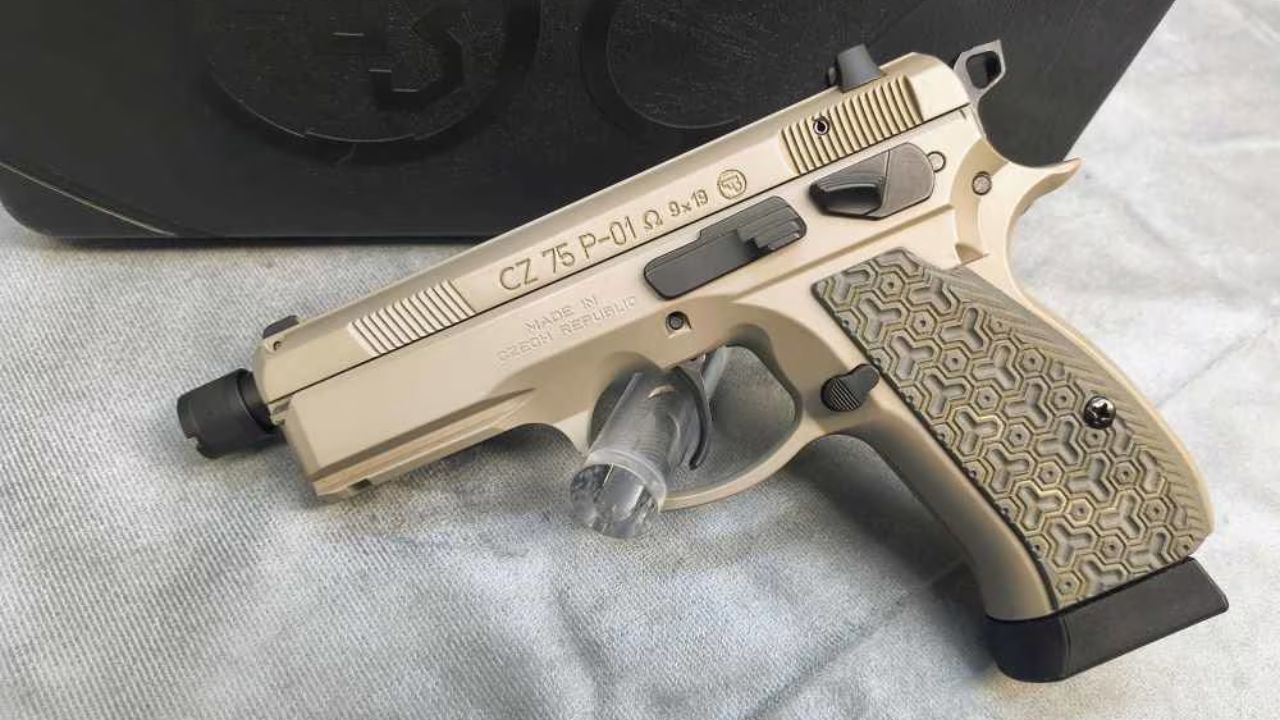
The CZ P-01 has stayed useful because it got the hard part right from the start. It is compact enough to carry seriously, heavy enough to shoot comfortably, and reliable enough that people who own one usually stop worrying about whether it is still current. It may not have dominated every trend cycle, but it never really needed to. It kept solving real problems.
That is why it still holds up so well. The P-01 fits the hand, shoots flatter than a lot of people expect, and has enough all-around practicality to survive changing tastes in defensive handguns. Trends kept swinging between tiny pistols and full-size duty guns cut down just enough to carry. The CZ quietly stayed in the middle, where a lot of useful handguns live.
Smith & Wesson 6906

The Smith & Wesson 6906 is one of those pistols that makes more sense the longer the handgun market keeps trying to reinvent the obvious. It is compact, all steel, and built around the kind of practical service-pistol thinking that used to matter more. That kept it from feeling flashy, but it also kept it from aging badly. It still feels like a real gun built to do real work.
That is exactly why it stayed useful. The 6906 carries better than its weight scares people into assuming, shoots better than many smaller guns, and avoids the fragile feel that some newer carry pistols bring with them. It outlasted trends by being grounded, and grounded handguns usually age better than the clever ones.
HK USP Compact

The HK USP Compact stayed useful because it was built with a level of seriousness that never really goes out of style. It is not trying to charm anyone. It is trying to function under hard use, hold up over time, and remain trustworthy when the owner stops babying it. That attitude helped it survive more than one shift in what people thought a carry or duty handgun should look like.
It also remains practical because it still shoots like a grown-up handgun. The controls, size, and overall feel may not be trendy, but they are useful. The USP Compact kept making sense while other pistols rose and fell because it was never built around fashion in the first place. It was built around trust.
Glock 26 Gen 3

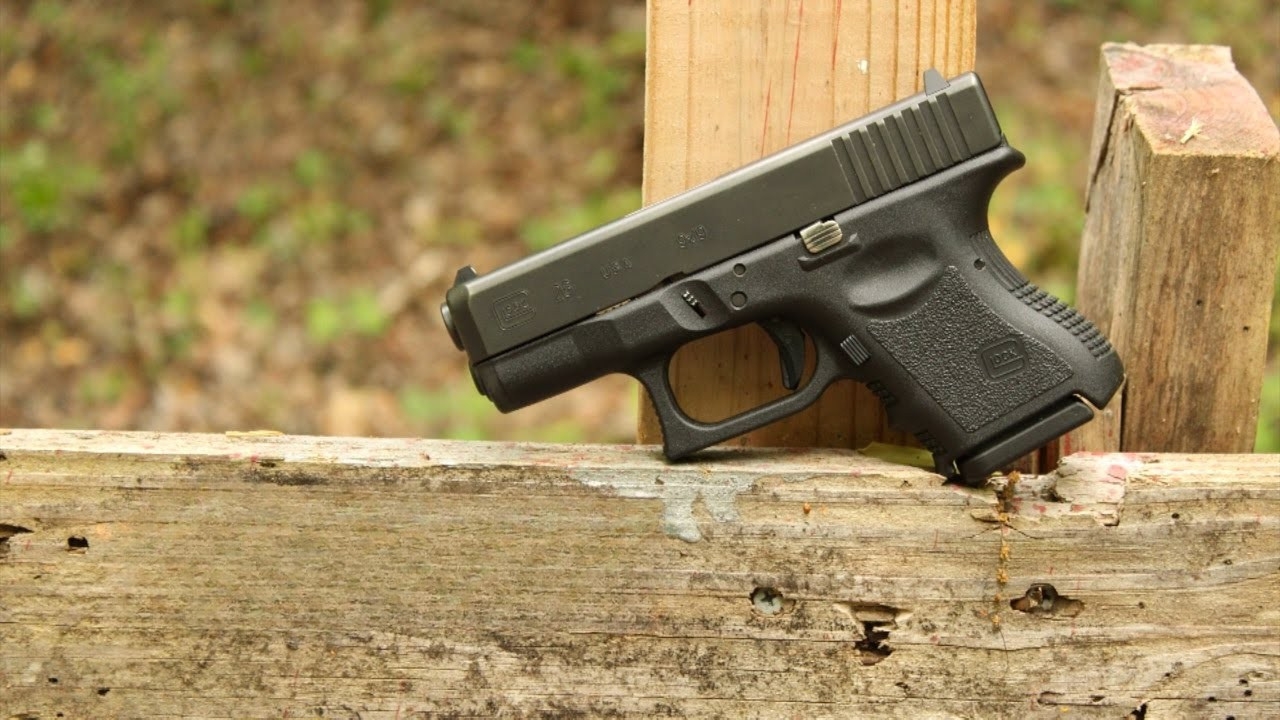
The Glock 26 Gen 3 stayed useful because it solved concealed-carry problems before the market turned compact 9mms into a full-time obsession. It was small enough to hide, large enough to shoot decently, and simple enough to trust. That basic formula has survived a lot of changes in handgun taste, from slim single-stacks to micro-compacts to optics-ready everything.
What keeps the 26 relevant is how little of its usefulness depends on hype. It is not the sexiest carry gun, and it never was. But it remains easy to support, easy to train with, and easy to trust. That kind of staying power is not an accident. It is what happens when a pistol gets the fundamentals right and leaves the trend-chasing to other guns.
Ruger SP101 3-inch
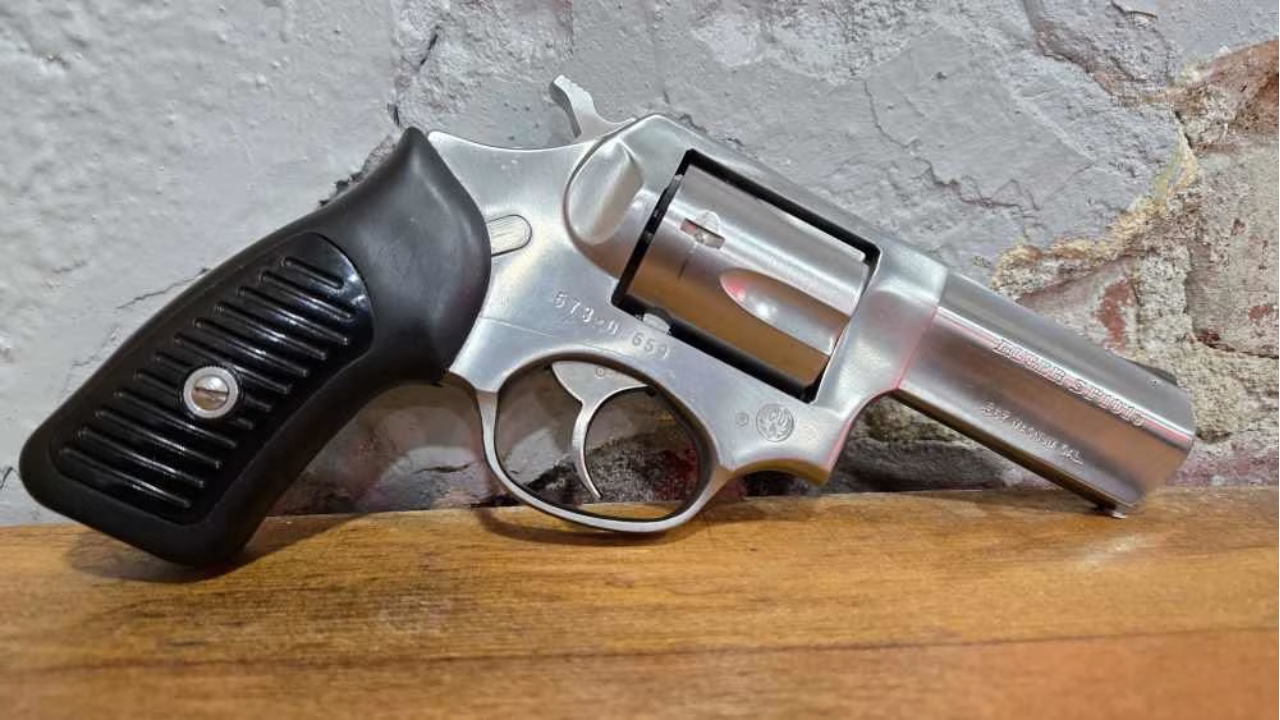
The 3-inch Ruger SP101 stayed useful because it never cared what the autoloader market was doing. It kept offering the same practical mix of strength, concealability, and shootability even while buyers swung between bigger pistols, smaller pistols, and every new carry fad in between. That kind of independence is part of why it still works so well.
The extra barrel length gives it real shooting value without making it cumbersome, and the platform itself remains as honest as ever. It is not trying to be an answer for every role. It is just a revolver that carries well enough, shoots well enough, and lasts long enough to keep making practical sense. That is a strong formula in any era.
Walther P99 AS

The Walther P99 AS stayed useful because it was ahead of some trends and untouched by others in the best possible way. It offered serious ergonomics, real-world shootability, and a trigger system that gave owners something more interesting than a lot of same-feeling striker guns. Even as the market kept flattening into more generic carry and duty pistols, the P99 kept enough identity to stay relevant.
Its usefulness never depended on being the hottest thing in the room. It depended on being a good pistol that handled well and kept making sense in the hand. That is why it still matters. A lot of handguns aged into irrelevance once the trend wave moved on. The P99 aged into one of those pistols people appreciate more the longer they have context.
Colt Defender
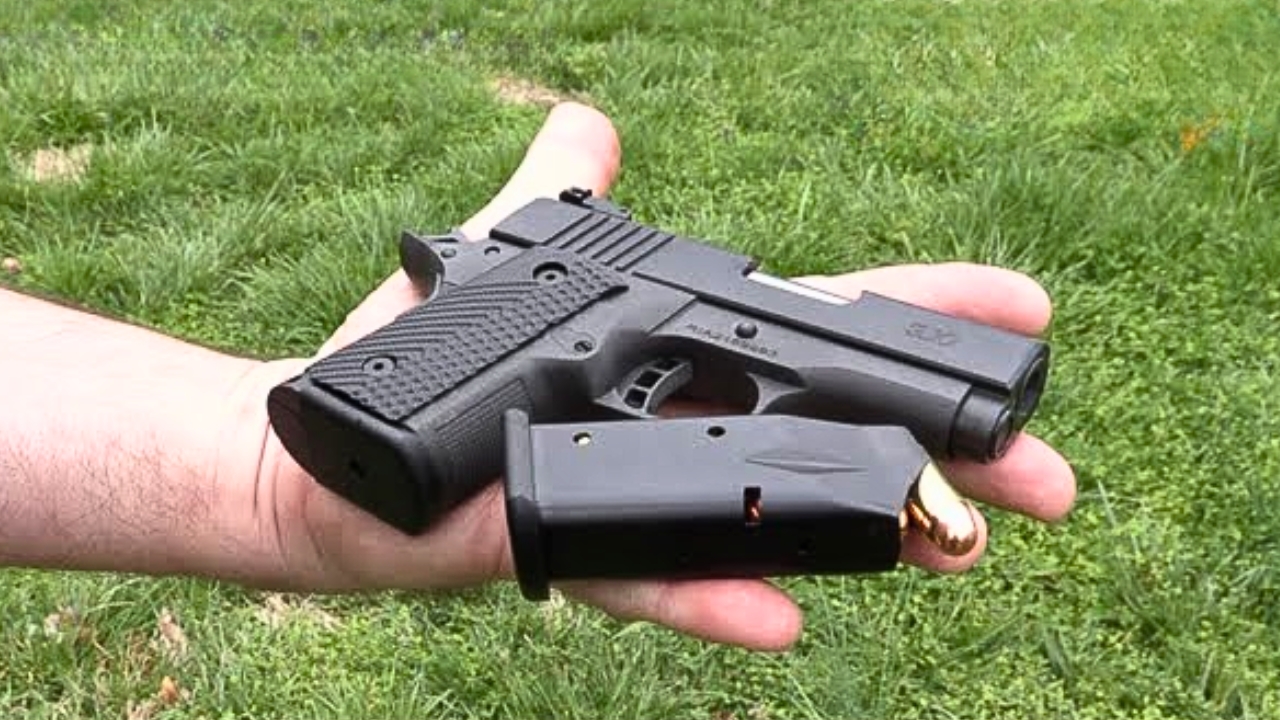
The Colt Defender stayed useful because it kept the short 1911 idea alive in a way that still made real-world carry sense. It did not need to be the most broadly practical handgun on the planet to stay relevant. It just needed to be compact, shootable enough, and familiar in a format many people still trusted. That turned out to be enough to survive several cycles of carry-gun fashion.
It also stayed useful because it gave owners a real carry pistol with real personality. Plenty of small handguns came along promising more capacity or lighter weight, but not all of them delivered the same kind of shooting confidence. The Defender kept its place because it offered something practical and distinct at the same time, which is harder to replace than many buyers think.
Smith & Wesson Model 64
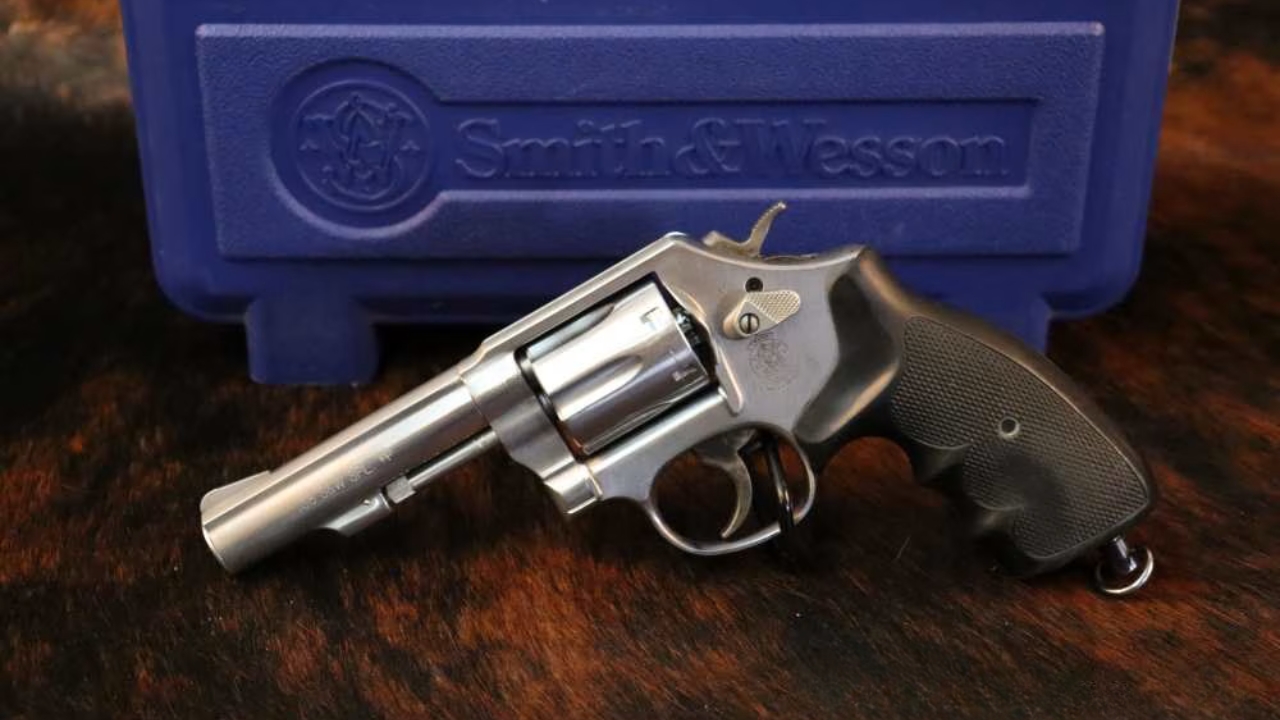
The Model 64 stayed useful because good medium-frame revolvers never stopped being good medium-frame revolvers just because the market got distracted. It is plain, stainless, durable, and easy to understand. That alone has kept it relevant through more changes in defensive-handgun taste than many supposedly smarter guns ever survived. It still points naturally and still behaves like a handgun meant to be trusted.
That matters more than trend watchers like to admit. The Model 64 never needed to be cutting-edge. It needed to remain dependable, shootable, and durable enough to justify its place. It did all three. That is how an old service revolver keeps staying useful while entire generations of “next step” pistols come and go.
Beretta 84FS Cheetah

The Beretta 84FS stayed useful because it kept doing what a lot of compact pistols stopped trying to do: it stayed pleasant. It is easy to shoot, easy to like in the hand, and built with a level of refinement that still matters even when buyers pretend all that counts is size and capacity. That made it more than just a stylish old .380. It made it a handgun people actually enjoy living with.
As carry trends changed, the Cheetah kept making a kind of quiet sense. It was never the final answer to every role, but it remained useful because it was comfortable, controllable, and built with care. Those traits hold up. Many trend-driven compact pistols solved one problem by creating three others. The Beretta stayed much more balanced.
SIG Sauer P220 Carry
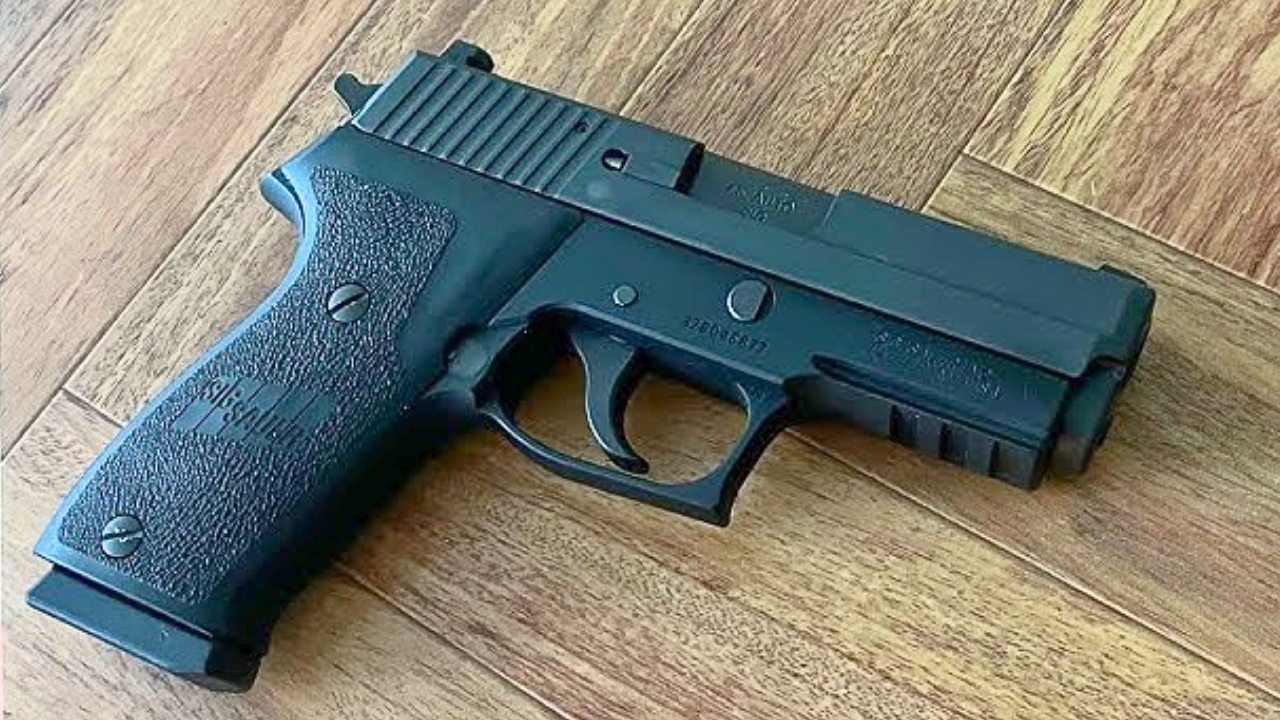
The P220 Carry stayed useful because it gave people a .45 that still felt serious without becoming a giant burden to own or carry. It sits in that sweet spot where the pistol remains shootable enough to matter and compact enough to make practical sense. That is not as easy to pull off as many manufacturers act like it is, especially in .45 ACP.
The reason it kept its value through changing trends is simple. It still feels like a proper fighting pistol. Buyers could chase lighter polymer .45s or smaller carry guns, but many of those options came with compromises the SIG never seemed eager to make. The P220 Carry stayed useful because it stayed confident in what it was supposed to be.
Ruger P95

The Ruger P95 stayed useful while trends changed because it never had much interest in impressing anyone in the first place. It was chunky, plain, and deeply practical. That kept some buyers from getting excited about it, but it also protected the pistol from aging badly. It was not attached to a fashion moment. It was attached to the boring idea that a handgun should just work.
That boring idea has held up very well. The P95 remains one of those pistols people may not brag about first, but they still remember trusting. It handled abuse, cheap ammo, and long ownership without becoming a project. That is a very strong kind of usefulness, especially in a handgun market full of pistols that seemed better until they needed an explanation.
Smith & Wesson 986
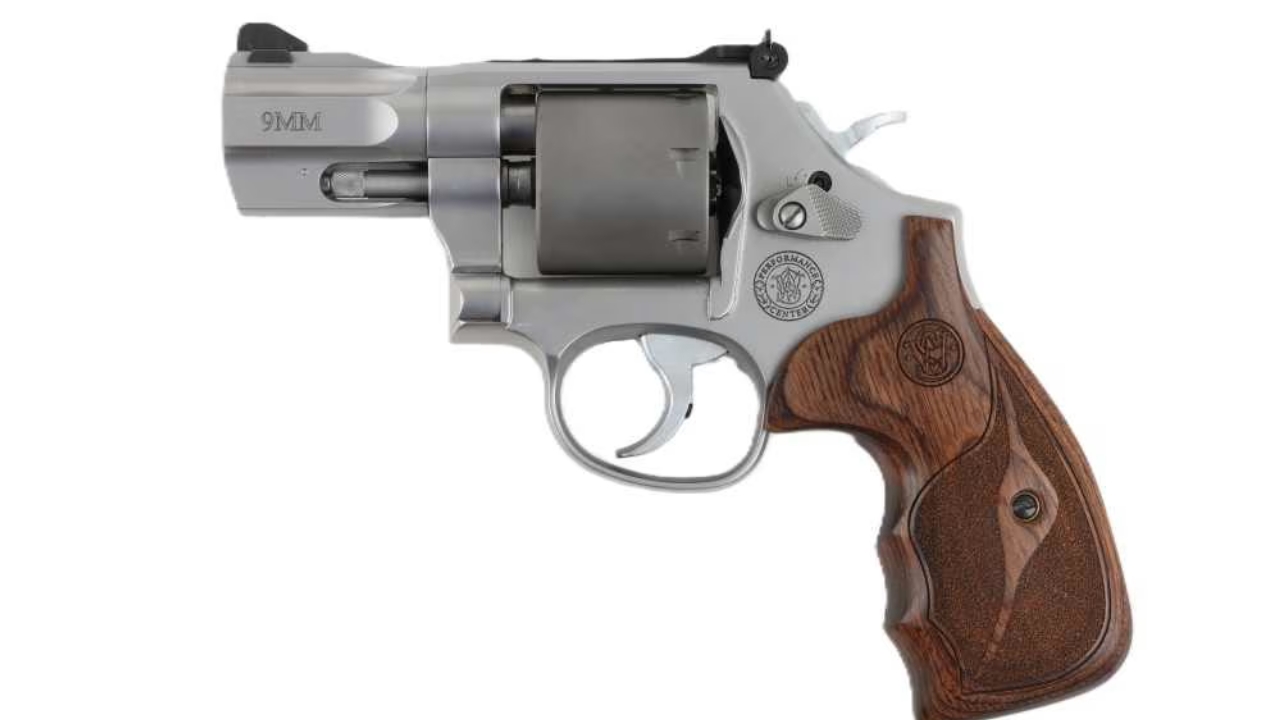
The Smith & Wesson 986 stayed useful because moon-clip 9mm revolvers never stopped making practical sense for the people who actually used them. It lives in a strange space on paper, which is exactly why it survived so well in reality. It offers low-cost practice, excellent shootability, and revolver handling with a cartridge that stays easy to feed and easy to manage. That combination has real staying power.
As semi-auto trends changed, the 986 kept doing something different without becoming outdated. It remained relevant because it is fun, practical, and surprisingly efficient once you spend real time with one. That is often how useful handguns survive changing tastes. They keep proving themselves without needing the market’s permission.
HK P30SK
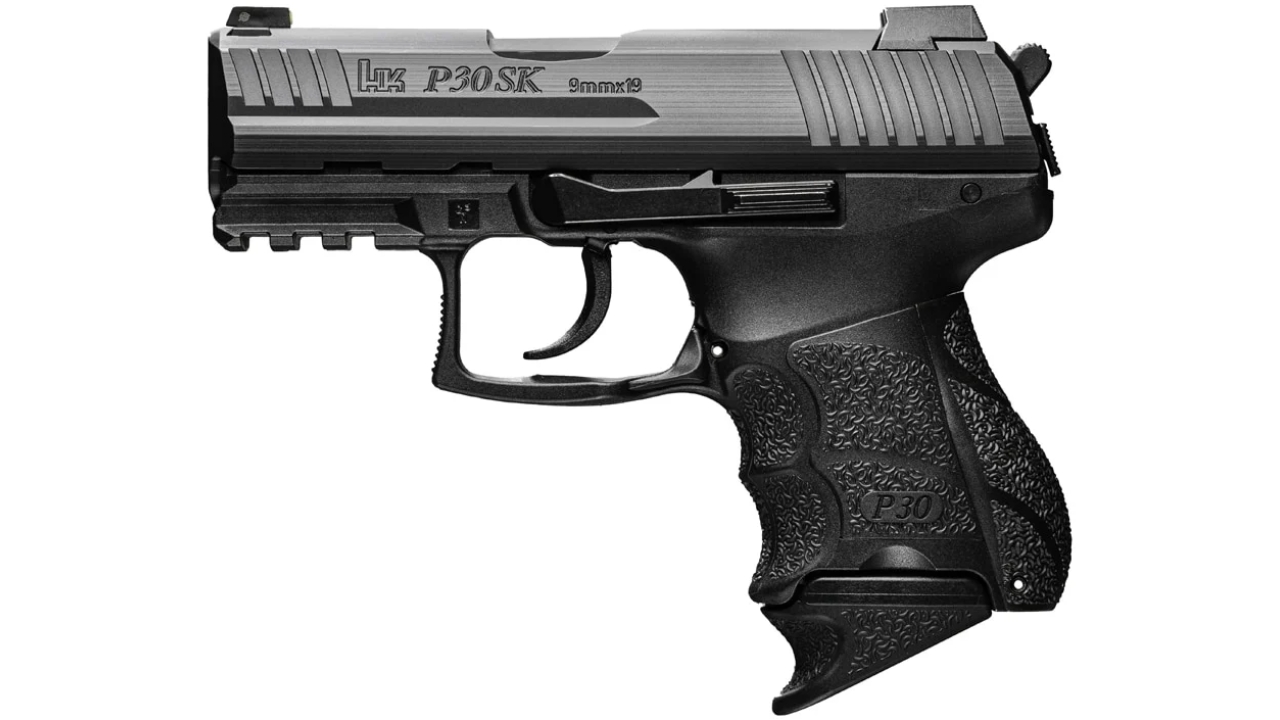
The HK P30SK stayed useful because it offered a compact defensive pistol with more control and more maturity than many smaller carry guns around it. It did not try to be the thinnest answer or the cheapest answer. It just tried to be a serious handgun in a compact form, and that has helped it survive more than one swing in what buyers thought concealed carry was supposed to look like.
Its ergonomics, durability, and overall shooting manners have kept it relevant. That is why people still come back to it. A lot of pistols rode temporary trends by promising maximum concealability or maximum capacity in a tiny package. The P30SK stayed useful by refusing to forget that a carry gun still has to be shot well, not just hidden well.
Like The Avid Outdoorsman’s content? Subscribe to our newsletter so you never miss an article.
Here’s more from us: