Photo credit: James Case- CC BY 2.0, /Wikimedia Commons
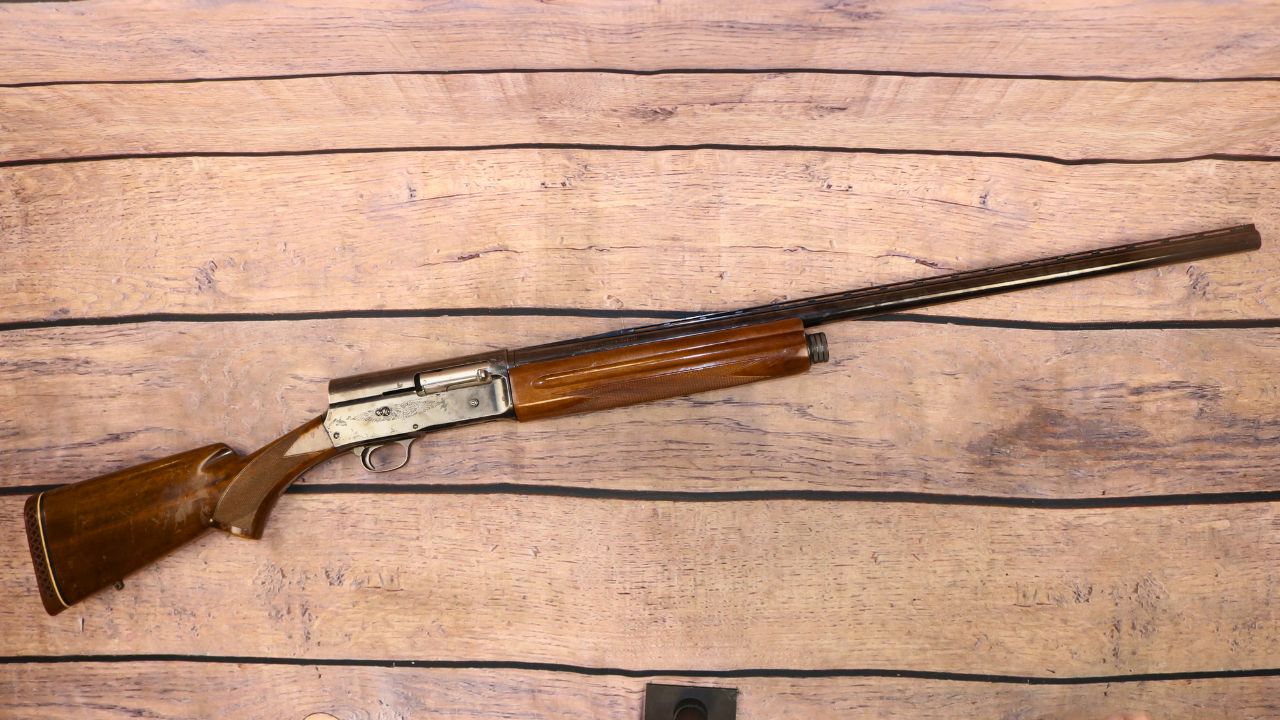
The Browning Auto-5 is one of the most important shotguns ever made, but a lot of shooters only know the basics. They know it has that unmistakable humpback profile, they know it is old, and they know John Browning had a hand in it. What a lot of people do not realize is just how much history, engineering, and staying power is packed into that one shotgun. The Auto-5 was not just another old bird gun. It was the first successful semi-automatic shotgun and stayed in production for nearly a century.
That alone would make it a big deal, but the details around it are what really make it interesting. The Auto-5 crossed generations, wars, factories, and even countries while still keeping the same basic identity. It influenced later shotgun design in a major way, and it earned a reputation that went way beyond novelty. For a gun that has been around this long, there are still plenty of things about it that even experienced shooters never really learned.
1. It was the first successful semi-auto shotgun

This is the big one, and it still surprises people who assume some later design wore that crown. The Auto-5 is widely recognized as the first successful semi-automatic shotgun. John Moses Browning filed the patent for the recoil-operated design in 1899, and that design turned into a shotgun that actually worked in the real world and kept working for decades. A lot of “firsts” in gun history are more like rough drafts. The Auto-5 was different because it truly stuck.
That matters because this was not some weird historical dead end. The Auto-5 helped prove that a self-loading shotgun could be reliable, practical, and worth owning. That changed the shotgun world. Once Browning showed that it could be done, the semi-auto shotgun stopped being a dream and became a real category. That is a huge piece of firearms history, and the Auto-5 sits right in the middle of it.
2. Browning did not get Winchester to build it
A lot of shooters associate John Browning so closely with Winchester that they assume the Auto-5 started there too. It did not. American Rifleman notes that Browning first brought the design to Winchester, but the arrangement he wanted did not happen. Instead, he eventually reached a deal with Fabrique Nationale in Belgium in 1902 for worldwide rights to produce the shotgun.
That is a big moment in firearms history because it shows Browning knew what he had. He was not willing to just dump the design on terms he did not like. The end result was one of the most famous shotgun partnerships ever, and it helped turn the Auto-5 into an international success. So even though the gun is thoroughly American in the mind of a lot of shooters, its manufacturing story began in Belgium, not at Winchester.
3. Production began in 1902 and lasted almost a century
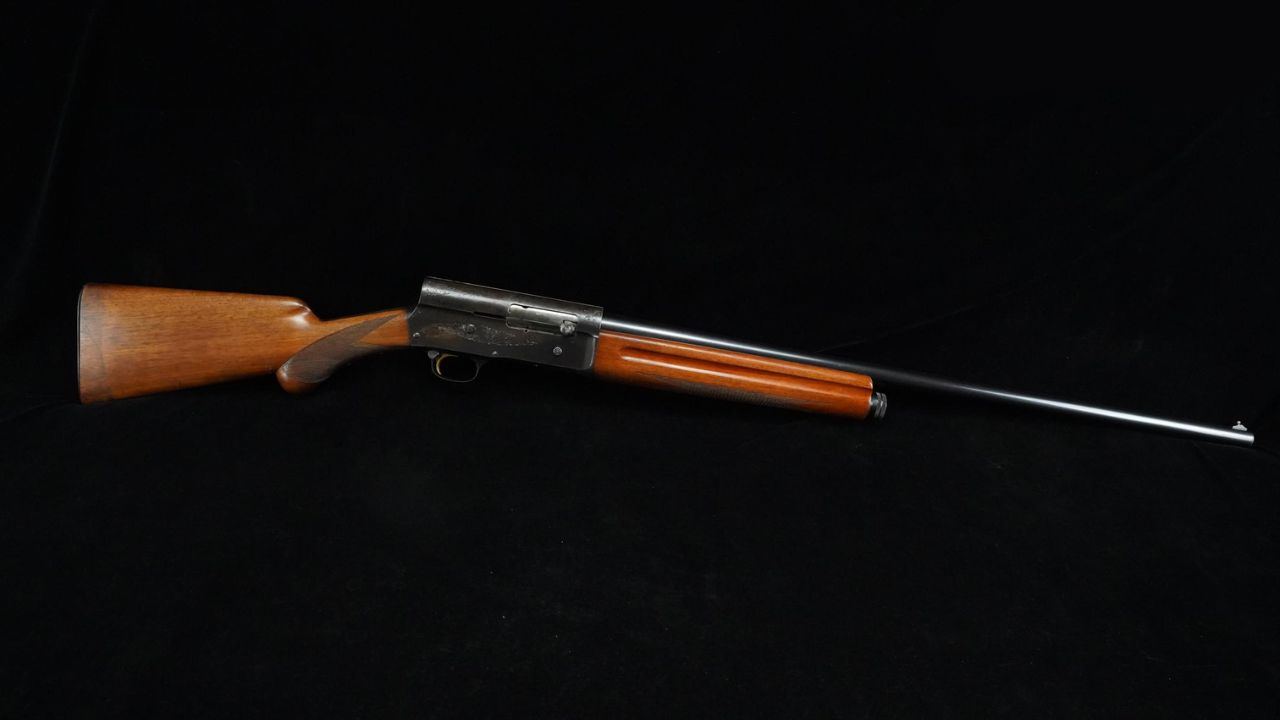
The Auto-5 was not one of those short-lived classics people romanticize because it disappeared too soon. Browning’s own records say production began in 1902, and the line ran until 1998, with a Final Tribute version issued in 1999 to mark the end. That is an astonishing run for any firearm, especially a semi-auto shotgun design from the turn of the century.
Think about how much the gun world changed in that span. The Auto-5 lived through both World Wars, the rise of pumps, the rise of modern gas guns, and huge shifts in hunting and defensive preferences. Most designs would have gotten pushed out or heavily reinvented along the way. The Auto-5 kept its core identity for generation after generation, which tells you just how right Browning got it the first time.
4. Its “humpback” shape is not just for looks

The Auto-5’s tall rear receiver is one of the easiest shotgun shapes in the world to recognize. That profile is why so many shooters call it the humpback. It is not just a styling quirk, either. The receiver shape comes from the way the gun was engineered, and it became one of the most identifiable silhouettes in shotgun history.
That shape ended up being a huge part of the gun’s identity. A lot of old shotguns blur together at a glance, but the Auto-5 does not. You can usually spot one from a distance. That helped build the gun’s reputation because it never looked like anything else. Even people who do not know much about old shotguns often know exactly what they are looking at when they see that high rear end and long receiver line.
5. It runs on long recoil, not gas
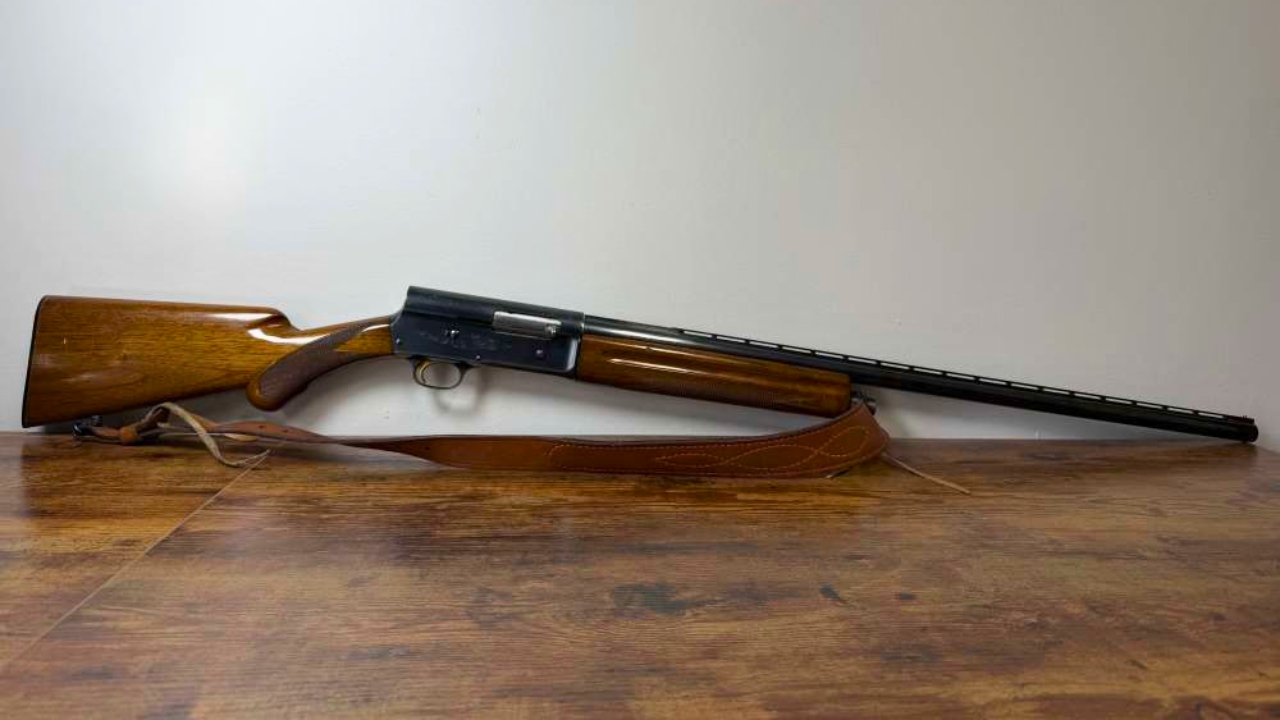
Plenty of shooters know the Auto-5 is old, but not all of them understand how it actually works. The original Auto-5 is a recoil-operated shotgun, specifically a long-recoil design. That means the barrel and bolt travel rearward together after firing before separating during the cycle. It is a very different feel and system from the gas-operated semi-autos a lot of shooters are more used to today.
That long-recoil system is a big reason the Auto-5 feels like its own thing. It has a distinct movement and personality when it cycles, and that is part of what longtime owners appreciate about it. It is not modern in the same way later semi-autos are, but it is smart engineering for its era. Browning found a way to make a self-loading shotgun work reliably before the semi-auto shotgun world really existed.
6. The magazine cut-off is one of its coolest old-school features
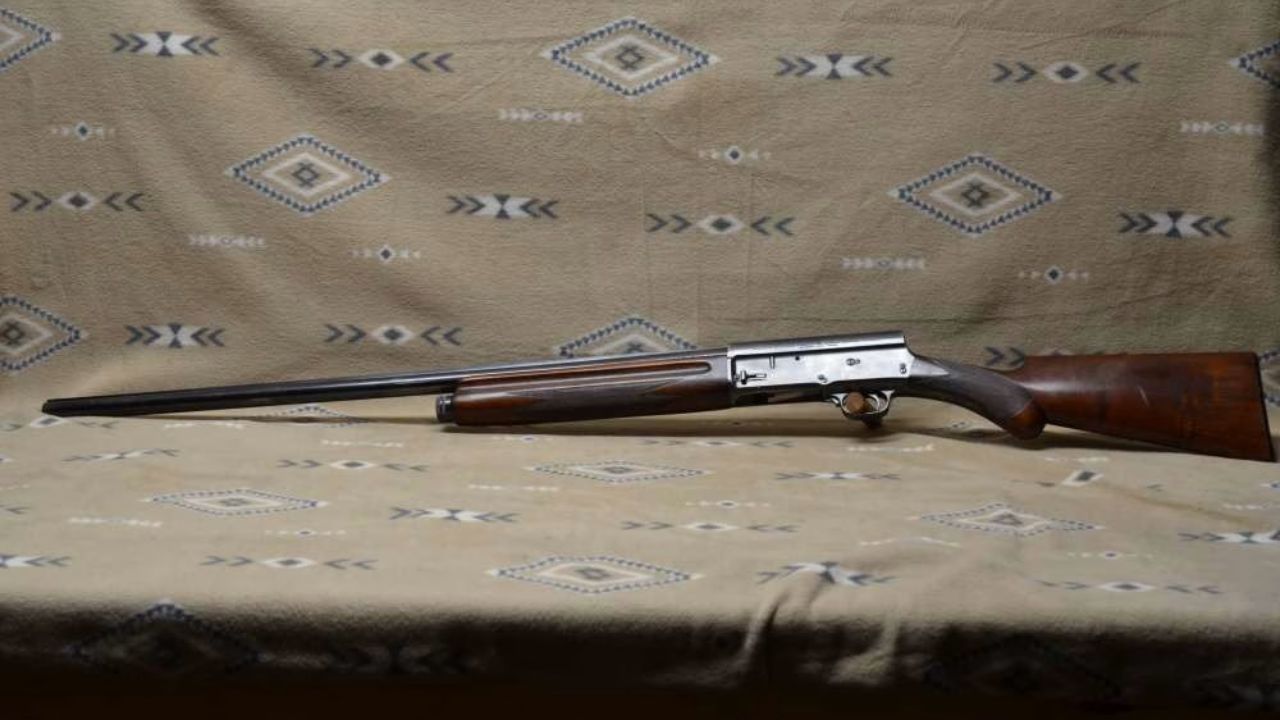
One detail many shooters miss is the magazine cut-off. Browning’s historical timeline notes that the wartime American-made Browning versions included the magazine cut-off, which was not part of the Remington Model 11. That feature allowed the shooter to lock shells in the magazine and clear or change the chambered shell without feeding a new round from the tube.
That might sound minor now, but it was a genuinely useful field feature. A hunter could swap loads more easily when conditions changed, like moving from one type of game situation to another. It is one of those practical touches that shows the Auto-5 was not just mechanically impressive. It was built with real use in mind. A lot of modern shooters never spend enough time with old shotguns to realize how clever some of those features really were.
7. The Remington Model 11 is basically its American cousin

A lot of people think the Auto-5 existed in a vacuum, but the design also showed up in closely related forms. One of the most famous was the Remington Model 11, which was built under license and is directly tied to the same Browning design lineage. That is one reason collectors and old-shotgun guys often talk about the Auto-5 family more broadly instead of just one exact rollmark.
That relationship also explains why some shooters run across a Model 11 and assume it is just another old semi-auto. In reality, they are looking at a very important branch of the same family tree. The Auto-5’s success was strong enough that its design spread, and that spread helped cement its influence on the American shotgun market in a big way. It was not just one famous gun. It was a whole design legacy.
8. Browning ordered 10,000 of them in the first order
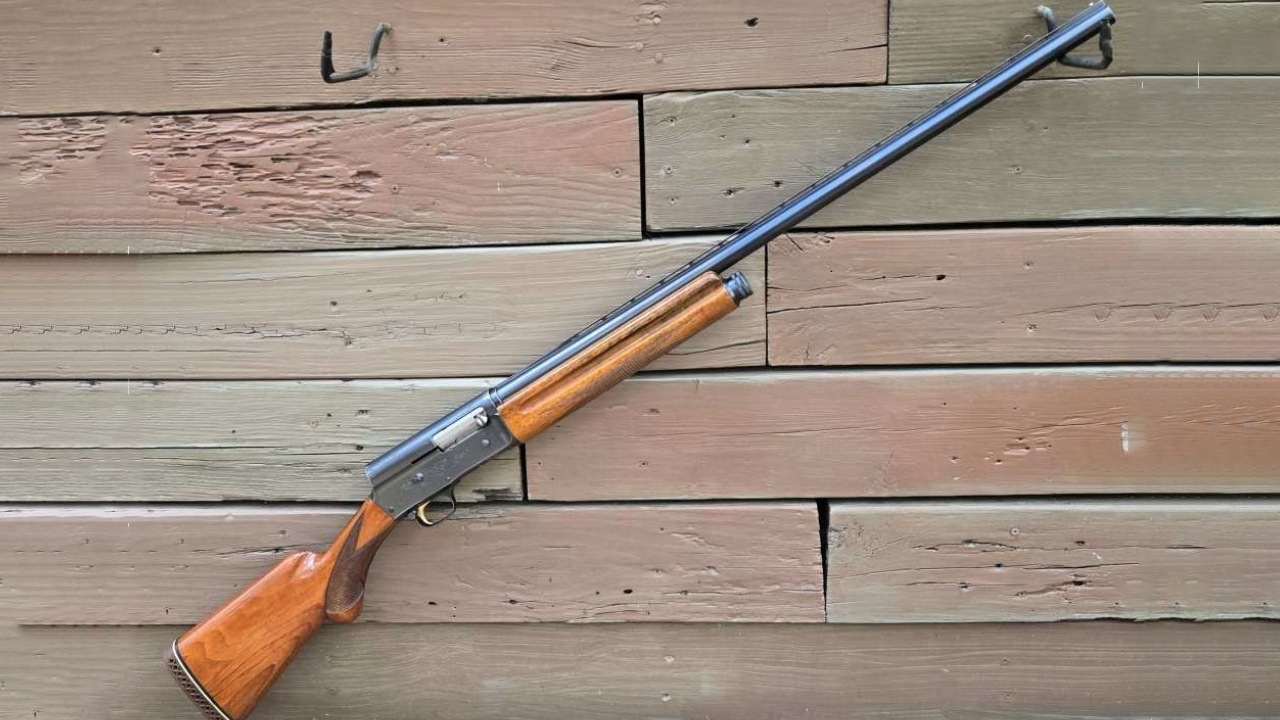
This is one of those details that says a lot about how much confidence there was in the design. Browning’s own serialization history states that when production began in 1902, John M. Browning ordered 10,000 of these shotguns in his first order from FN. That is not a small test batch. That is a serious vote of confidence in a brand-new concept.
It also gives you a sense of how bold this move really was. Browning was not dabbling here. He believed enough in the Auto-5 to push it into the market in a big way, and that decision paid off. It is easy to look back now and act like the Auto-5 was destined to succeed, but at the time this was still a major bet on a new kind of shotgun.
9. Wartime production got complicated fast
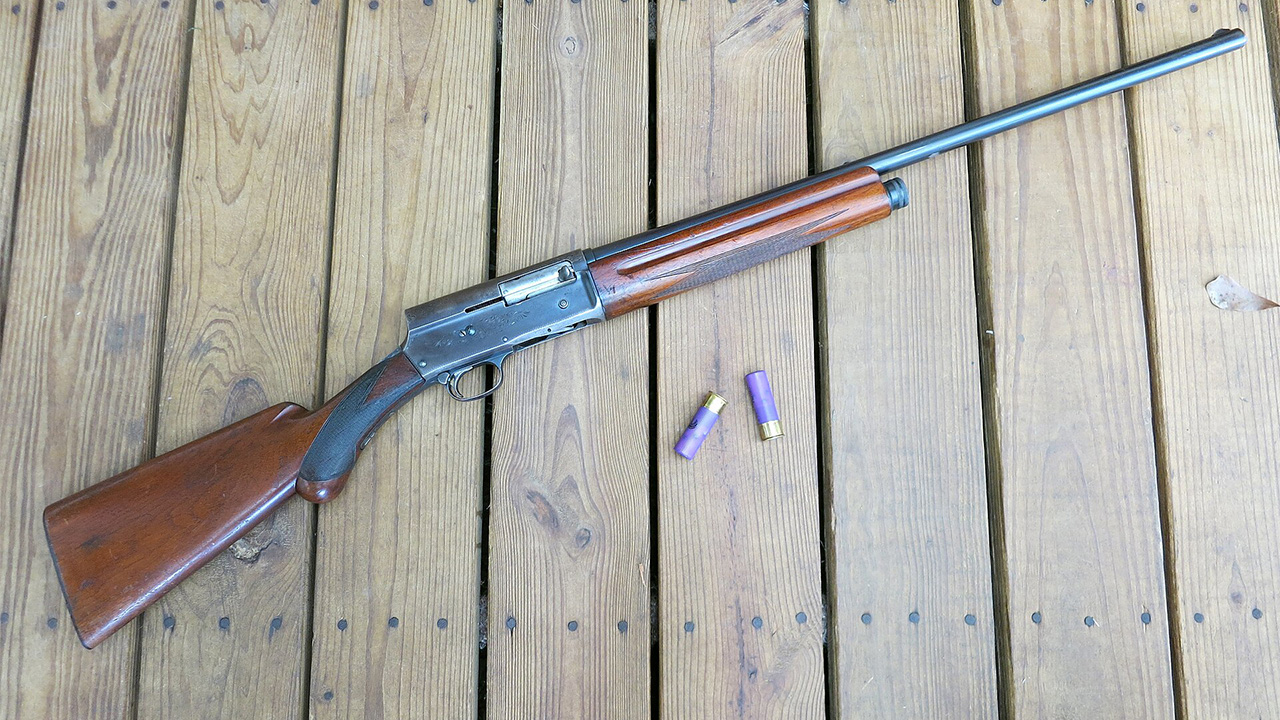
A lot of shooters know Belgian-made Auto-5s are a thing, but fewer know how much World War II scrambled production. Browning’s historic timeline says German occupation stopped Belgian production, and Remington stepped in to make an American-made Auto-5 for Browning during the 1940–42 period. Then Remington resumed making it again from 1945 to 1947 before FN resumed production in 1946.
That is a pretty wild production story for one shotgun. It also matters to collectors because where and when an Auto-5 was made can change how people view it. The gun’s history is not just about design. It is also about world events shaping where these shotguns came from. That adds a whole extra layer to the Auto-5 that a lot of casual shooters never think about when they see one leaning in a gun cabinet.
10. The “Sweet Sixteen” is one of the most beloved versions
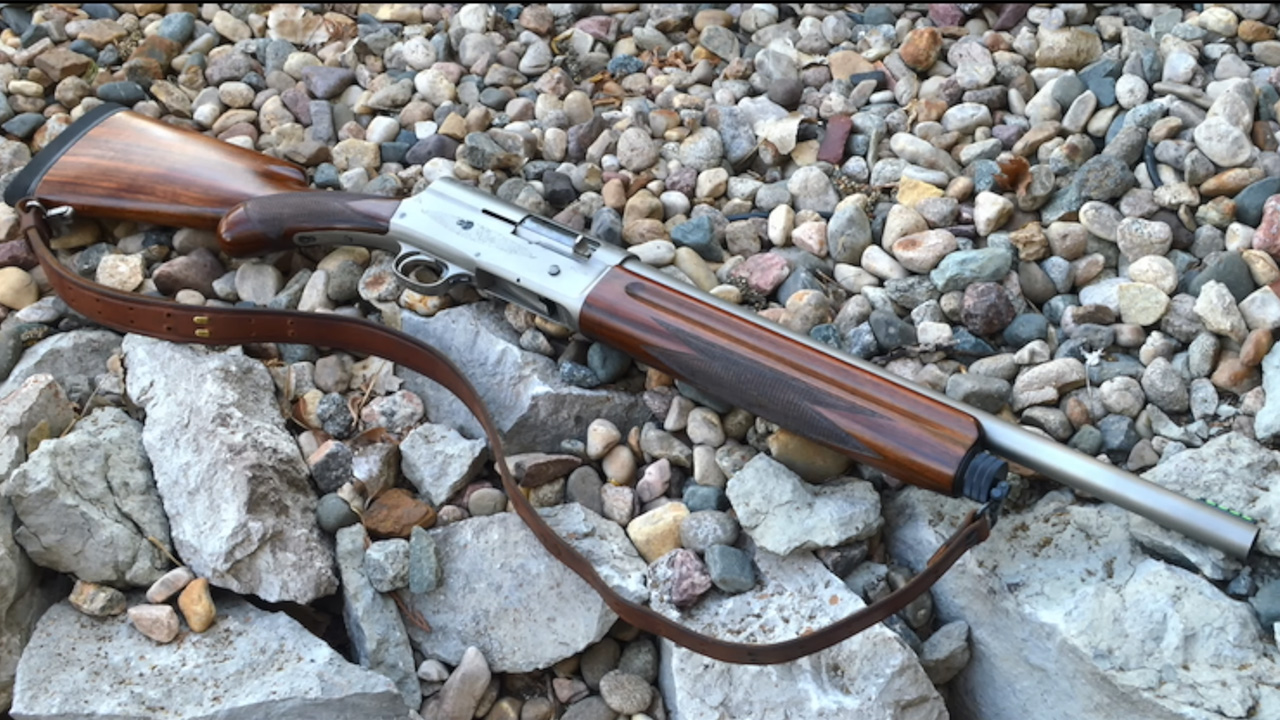
The Sweet Sixteen is one of the best-known Auto-5 variants, and Browning’s historic timeline notes that the Auto-5 Sweet Sixteen was introduced in 1937. That model developed a loyal following because it gave shooters a lighter, handier version of the platform in 16 gauge, which many hunters saw as a great balance between 12 and 20.
The reason people still talk about the Sweet Sixteen with such affection is simple: it hit a sweet spot, no pun intended. It carried easier than a 12 while still giving hunters more confidence than a 20 in a lot of field situations. On a platform already known for its personality and effectiveness, that lighter variation became a standout. Even shooters who are not deep into old Browning lore have usually heard that name before.
11. It was made in more than one gauge
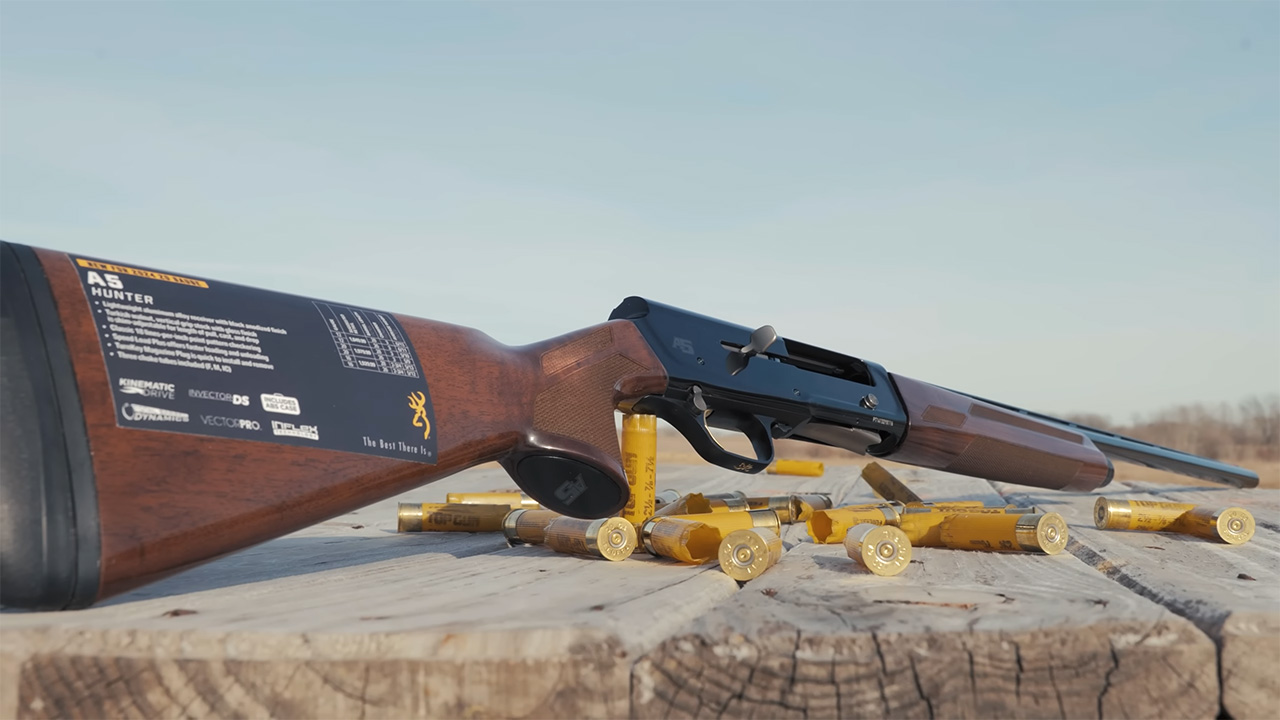
Some shooters think of the Auto-5 as mainly a 12 gauge, and that is understandable since that is the version most people picture first. But the historical record shows the Auto-5 was produced in multiple gauges, including 12, 16, and 20 gauge. That broader range helped the gun appeal to more hunters and shooters over the years.
That flexibility mattered because the Auto-5 was never just a one-role shotgun. Different gauges made it more useful for different people and different hunting styles. It could fit upland work, general field use, and other roles without changing the core design that made it famous. That helped keep the platform relevant longer than a lot of single-purpose shotguns.
12. The original gun and today’s A5 are not the same operating system

This is one that trips people up all the time because the name stayed famous. The original Auto-5 was the classic long-recoil gun that Browning patented around the turn of the century. The modern A5 lineup looks back to that legacy, but American Rifleman’s 2023 coverage of the current A5 makes clear that today’s gun is a different era of shotgun, even while the name and silhouette honor the old design.
That is worth knowing because a lot of shooters casually talk as if every “A5” is basically the same machine. It is not. The original Auto-5 is the historic humpback long-recoil gun that ran for almost a century. The newer A5 is a modern shotgun paying tribute to that history. Same bloodline in spirit, but not the same exact mechanical story.
13. It saw real military use

Most people think of the Auto-5 as a hunting gun first, and that is fair, but it also had military service history. Reference histories note that the shotgun saw military use in multiple conflicts and by various forces over the years. That alone tells you the platform was seen as more than a sporting piece.
That military use makes sense when you think about what the Auto-5 offered for its time. It gave users a fast follow-up capability in a proven shotgun platform, and that could be valuable in close-range work. It is another reminder that the Auto-5 was not just a pretty old field gun with a good name. It was a serious tool that found use in far more settings than many shooters realize.
14. Later production moved to Japan

A lot of shooters still think of the Auto-5 as strictly Belgian, but Browning’s manufacturing FAQ notes that the Browning-designed Auto-5 eventually moved from Belgium to Miroku in Japan. That is an important part of the gun’s later history, especially for people trying to understand markings, value, and when a specific gun was made.
For some buyers, country of manufacture becomes a huge talking point, but the bigger takeaway is that the design was strong enough to keep going across different factories and eras. The Auto-5 did not vanish when one chapter ended. It kept moving and kept selling. That says a lot about the staying power of the design and the demand it continued to hold with shooters.
15. The Final Tribute really was the end of an era
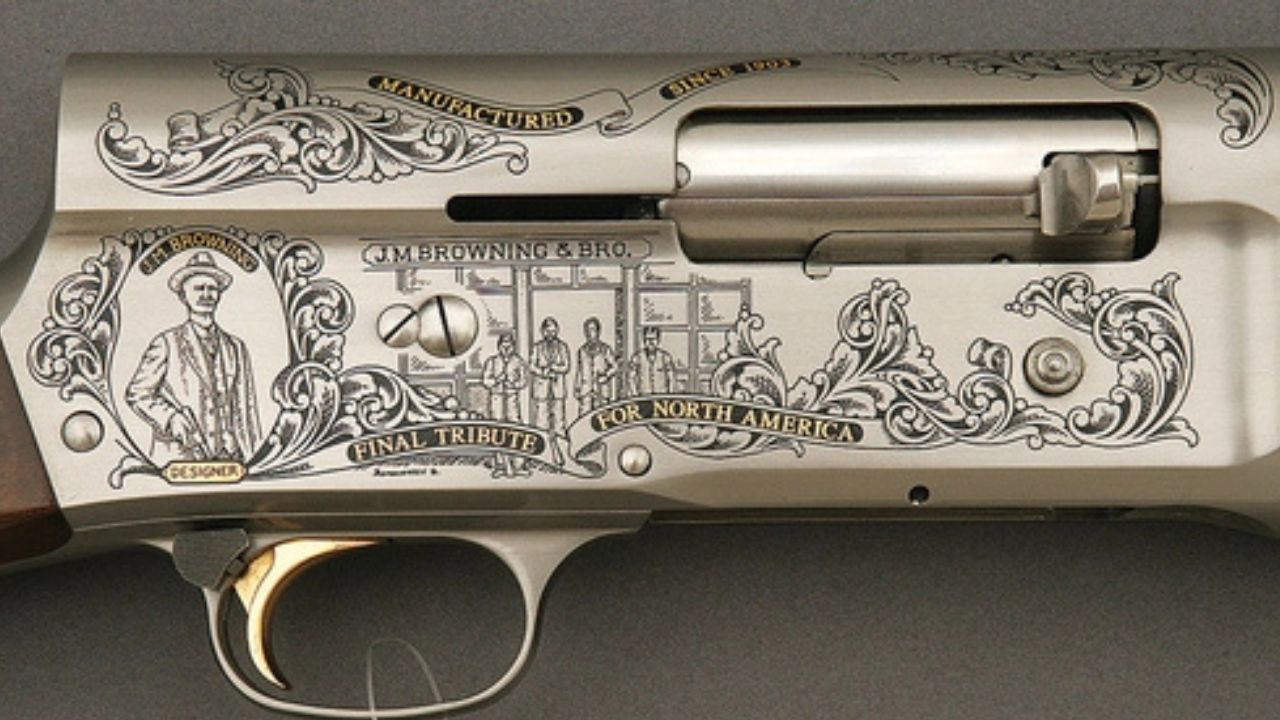
When people say the original Auto-5 had a long run, they are not kidding. Browning states that in 1999 it issued the “Final Tribute” version, and only 1,000 of those were produced. Browning also says production of the famous A-5 ceased after that. That gave the original line a pretty fitting sendoff after nearly a century in the market.
That ending matters because very few firearm designs get to close the book with that kind of legacy behind them. The Auto-5 was not some forgotten shotgun quietly fading out of a catalog. It left as a legend. For shooters who like old guns, bird guns, Browning history, or just smart firearm design, the Auto-5 is one of those shotguns that still deserves real respect. It changed the game when it arrived, and it kept its place far longer than most guns ever do.
Like The Avid Outdoorsman’s content? Subscribe to our newsletter so you never miss an article.
Here’s more from us: