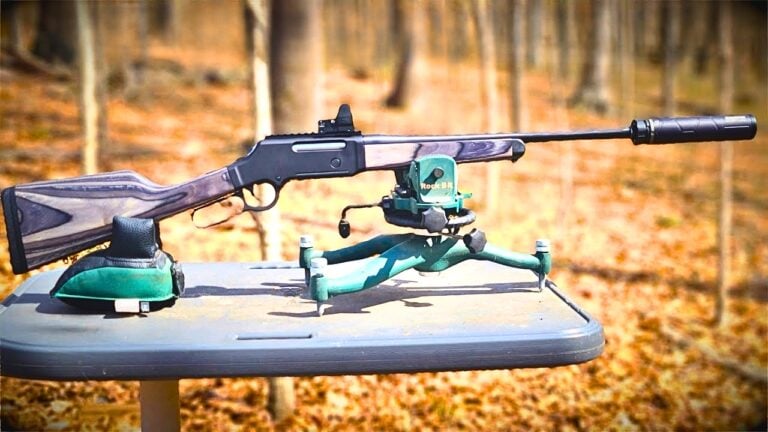
Photo credit: Justin Crook Photography/Shutterstock.com
Some cartridges develop a kind of mythology around them, usually spread by hunters who’ve used them once or twice on bigger animals and walked away with a story. But stories don’t always match the real numbers. When you look at energy, bullet construction, and how these rounds behave on the shoulder of a heavy animal, the limitations show fast.
Plenty of cartridges excel on deer-sized game but fall short once hide, bone, and muscle get thicker. You can push those boundaries if everything goes perfectly, but that’s not how field conditions work. These are the rounds hunters talk up for bigger game, even though they simply weren’t built for that role.
.243 Winchester

The .243 is a deer hunter’s favorite, but it’s stretched thin when people start aiming it at larger-bodied game. Light bullets moving fast don’t always penetrate deep enough on thick shoulders. On bigger animals, shots that should anchor cleanly sometimes turn into long tracking jobs.
You’ll see impressive performance with the right bullet and perfect placement, but the margin for error is tiny. Hunters talk themselves into believing the .243 is enough for anything “if you hit the right spot,” but that line only works until you face a steep quartering angle or a heavy rib.
.22-250 Remington

The .22-250 is lightning-fast and perfect for varmints, but some hunters push it far beyond that. Even with heavier .22-caliber bullets, the round simply lacks the weight and sectional density to reliably reach vital organs on big-bodied game. The impact looks dramatic, but penetration is often shallow.
On deer-sized animals, results vary wildly depending on bullet choice, and that inconsistency only gets worse with heavier targets. Hunters brag about “dropping them in their tracks,” but those stories leave out the ones that ran far because the bullet didn’t make it into anything vital.
.25-06 Remington

The .25-06 is a flat-shooter with great reach, but it isn’t the powerhouse some hunters claim it to be for bigger game. It hits fast but doesn’t always hit deep, especially with lighter bullet weights. It does well on deer, but once shoulder thickness increases, performance becomes less predictable.
If you use heavy bonded bullets and avoid steep angles, it can deliver clean kills. But hunters often use lighter loads meant for speed, and that’s where penetration becomes questionable. The cartridge isn’t weak—it’s just not the big-game thumper some pretend it is.
.223 Remington

Everyone knows someone who swears the .223 is all you need “if you place your shot right.” And while modern bonded bullets have improved performance on deer, extending it to bigger animals is a stretch. You’re still dealing with a small-diameter bullet lacking the mass to break through heavier bone.
It’s a round that shines in lightweight rifles and lower recoil, but that doesn’t turn it into a big-game option. Hunters who try it on large animals often face marginal penetration or bullets that lose steam too quickly after impact.
.30-30 Winchester

Inside 150 yards, the .30-30 performs well. But hunters sometimes push it much farther on big-bodied animals simply because the rifle is familiar. Past its comfort zone, the round loses energy fast, and traditional flat-nose bullets have trouble holding enough penetration on steep angles.
The cartridge can absolutely take larger game under the right conditions, but too many hunters act as if distance doesn’t matter. Once energy drops off, it becomes a round better suited for close woods work—not long shots on anything heavy.
6.5 Creedmoor

The 6.5 Creedmoor can be an excellent hunting round, but some shooters load it with lightweight match-style bullets that were never meant for game bigger than deer. Those thinner-jacketed bullets fragment quickly and sometimes fail to reach the vitals through shoulder bone.
Hunters who treat every 6.5 load as equal create the cartridge’s biggest problems. With the right bullet, it can handle larger animals well. But the idea that any 6.5 round works on big game leads to shots that don’t penetrate deeply enough to be ethical.
.270 Winchester (with soft bullets)
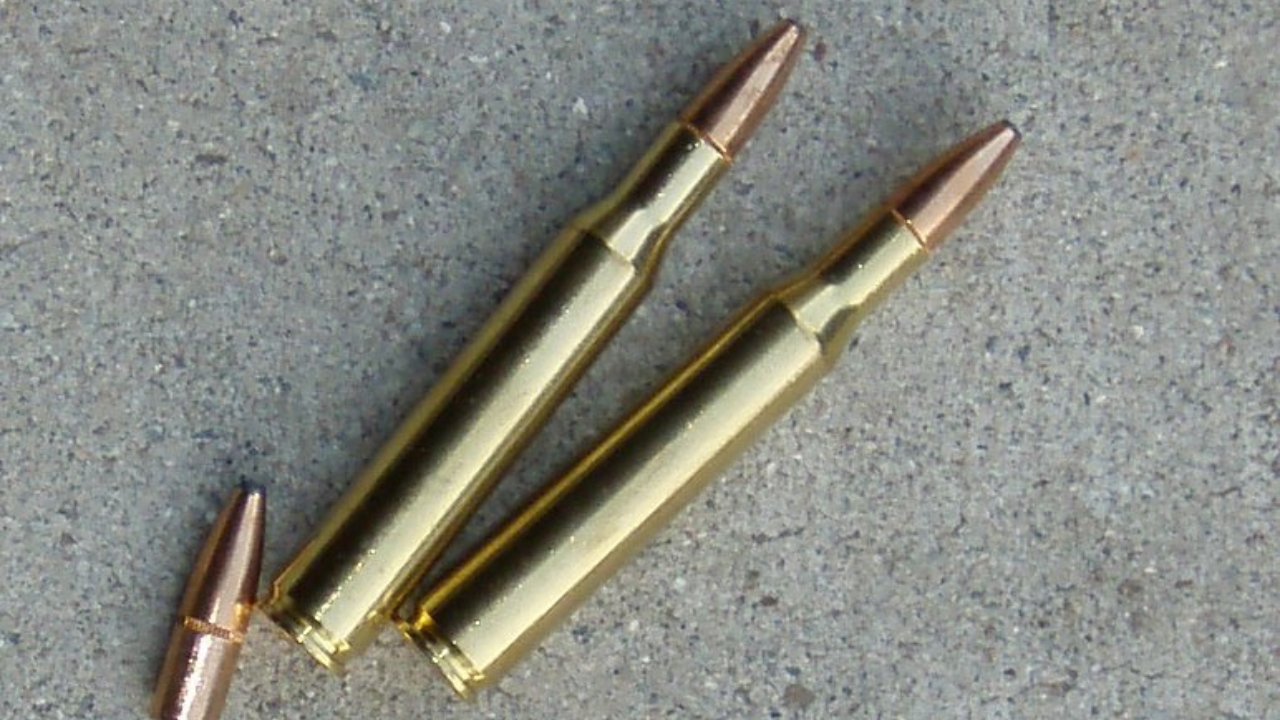
The .270 has a long history of success, but not every bullet built for it performs the same. Hunters who use soft, rapid-expansion loads on bigger game often find shallow wound channels and bullets that fail to hold together. That leads to long tracking jobs and inconsistent results.
With controlled-expansion bullets, the .270 performs far better. The issue comes when hunters assume every factory load behaves the same. On big animals, it needs toughness, not speed alone.
7mm-08 Remington (light loads)

The 7mm-08 is a fantastic deer round, but when hunters load it lightly or use thin-jacketed bullets, its performance on bigger game becomes shaky. The bullet diameter is there, but penetration depends heavily on bullet construction.
Some hunters try to stretch it into elk country, only to find that their chosen bullet expands too quickly. The cartridge is capable, but only with the right load. Too many shooters ignore that part and hope it performs beyond its true limits.
.357 Magnum (from carbines)

A .357 carbine adds velocity, but it doesn’t magically turn the round into a deep-penetrating big-game cartridge. On deer, heavy hard-cast loads can work well. On larger animals, penetration varies widely, especially with expanding bullets.
Hunters who treat the .357 as a rifle cartridge often overestimate its reach and power. It simply doesn’t carry the mass or energy to reliably punch through thick shoulders or heavy ribs at typical hunting distances.
6.5 Grendel

The 6.5 Grendel is efficient and accurate, but it’s still tied to the limitations of the AR-15 platform. Bullet weight tops out quickly, and velocity isn’t high enough to guarantee deep penetration on bigger animals. It works well on deer, but larger game exposes its ceiling fast.
Hunters often assume that bullet diameter alone will carry them through. In reality, the Grendel needs careful shot placement and controlled-expansion bullets to avoid shallow impacts.
.300 Blackout (supersonic)

Supersonic .300 Blackout loads sound promising on paper, but real-world use shows inconsistent penetration on heavier animals. Bullet weight is respectable, but velocity is limited, and energy drops sharply past moderate distances.
Some hunters swear by it because they’ve dropped a few deer, but larger animals reveal how quickly performance falls apart. It’s a niche cartridge—not a universal big-game round.
.45-70 Government (soft lead loads)

The .45-70 can be incredibly effective, but not every load is equal. Soft, mild-pressure lead bullets expand too quickly on big animals and sometimes crumble before reaching the vitals. Hunters who rely on these lighter loads often see huge surface wounds with disappointing penetration.
With modern hard-cast or bonded bullets, the .45-70 becomes a powerhouse. But using soft traditional loads on very large game is where many hunters get into trouble.
.260 Remington (match bullets)

The .260 is nearly identical to the 6.5 Creedmoor, and it faces the same issue: hunters sometimes use match bullets on game too large. Those bullets are designed to win competitions, not handle shoulder impacts. They fragment fast and don’t always make it through both lungs.
The cartridge itself is fully capable, but the wrong bullet paired with optimistic expectations turns it into a liability.
.44 Magnum (from revolvers)
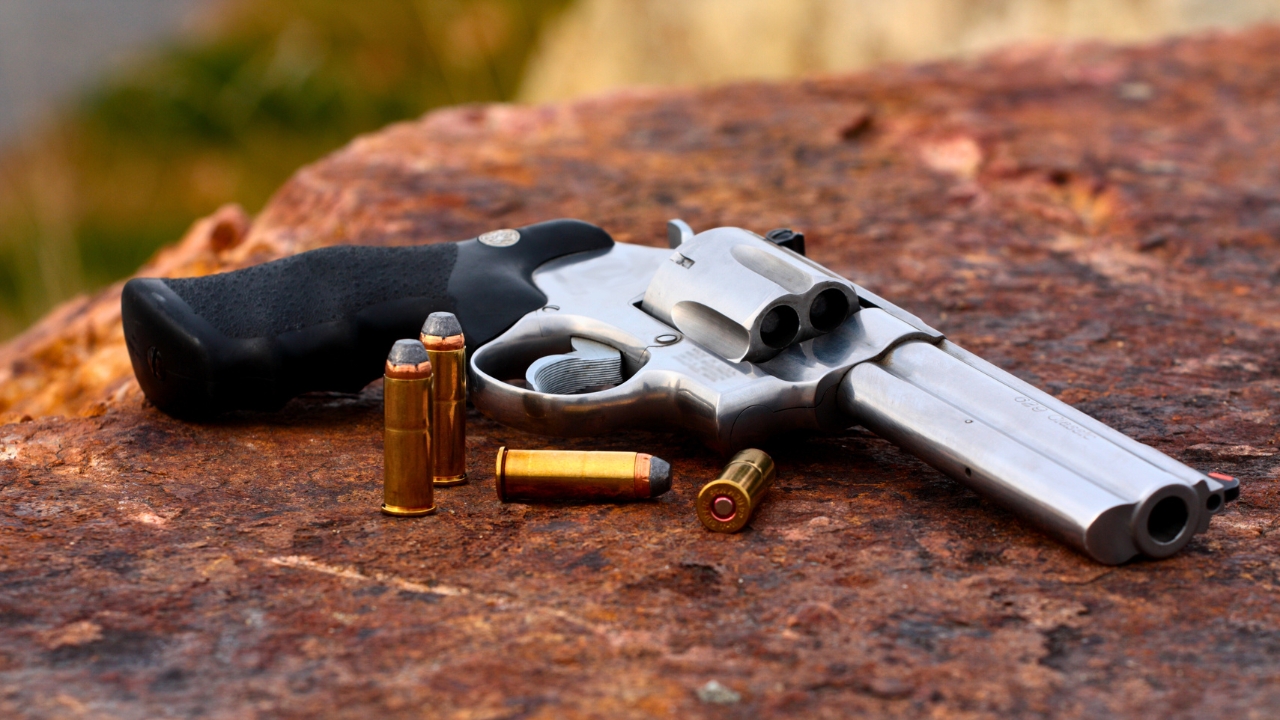
From a revolver, the .44 Magnum loses significant velocity compared to a carbine. While it’s powerful on deer with the right bullets, some hunters treat it like a do-it-all round for heavier game. Penetration varies widely depending on bullet style and muzzle velocity.
It can be effective in close quarters, but the idea of it being reliable for bigger animals from a short barrel is oversold. The drop in velocity matters more than people think.
.300 Savage
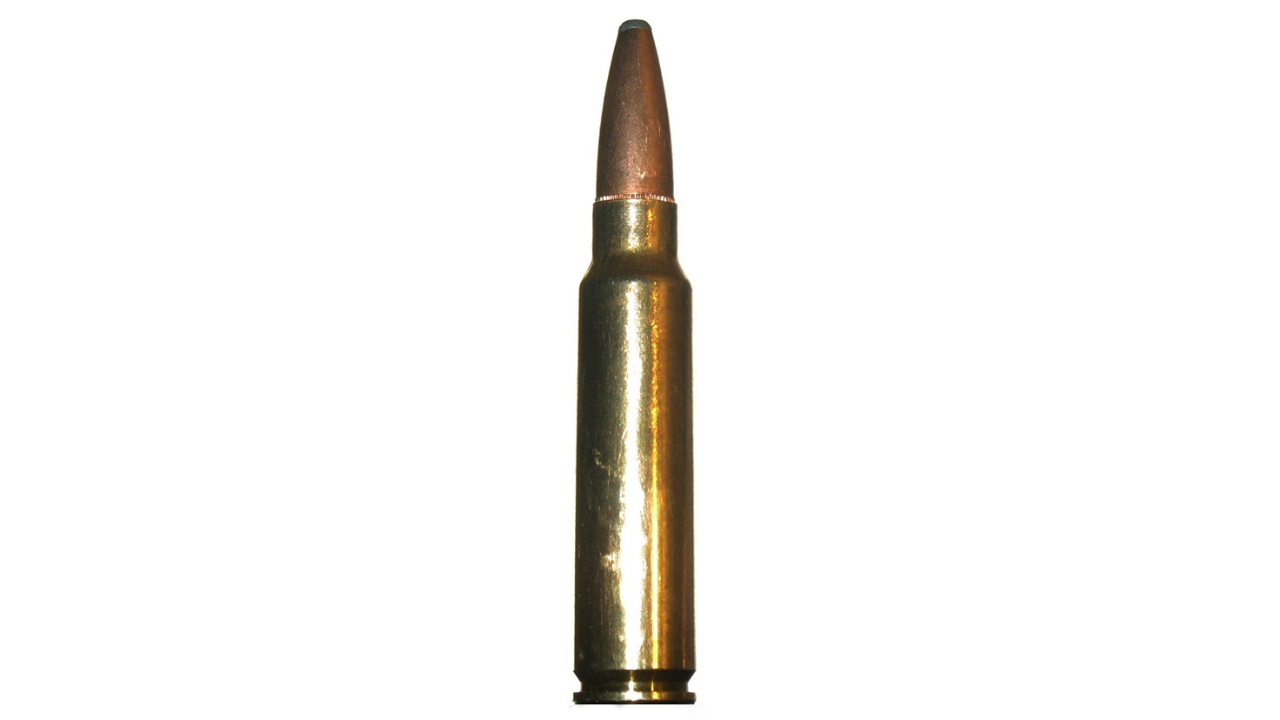
The .300 Savage is a classic, but its performance window is narrow. Hunters sometimes try stretching it into territory better suited for newer, faster rounds. As ranges increase or animals get heavier, the cartridge’s moderate velocity starts working against it.
It still works well within its limits, but pretending it’s a modern powerhouse leads to underwhelming penetration and slow kills. Respecting the cartridge’s age and design makes a big difference.
Like The Avid Outdoorsman’s content? Subscribe to our newsletter so you never miss an article.
Here’s more from us: