Photo credit: New World Ordnance/YouTube
When a handgun starts eating firing pins, it’s usually not a mystery—you’re dealing with a design that pushes the part too hard, uses softer metal than it should, or simply wasn’t built for the shooting volume people expect today. Most shooters don’t think about firing pins until they start breaking, but once you’ve had a pistol go click instead of bang, you learn fast which models have a reputation for going through them quicker than they should.
Some firing pin failures show up after steady range use, while others appear because the design itself doesn’t cushion the pin well. If you shoot often, reload, or run your guns hard, these are the handguns you learn to be cautious with.
Taurus PT111 G2

The Taurus PT111 G2 has earned a reputation for firing pin wear because the striker design isn’t as durable as newer models in the lineup. Over time, heavy use can round the tip or cause chipping, especially if you run a lot of inexpensive ammunition with hard primers. You start noticing light strikes first, then outright failures.
The gun’s affordability made it popular, but the firing pin assembly wasn’t built with long-term volume shooters in mind. Many owners replace the striker with aftermarket options just to keep the gun running consistently. If you shoot often, you’ll see the wear sooner rather than later.
SIG P365 (early production)
Early production SIG P365 models struggled with firing pin durability due to primer drag. The design allowed the pin to stay in contact with the primer as the slide cycled, shaving material off the tip with each shot. After a few hundred rounds, some shooters saw chipping or complete breaks.
SIG corrected the issue in later revisions, but those early guns still float around the used market. If you end up with one, you need to inspect the striker regularly. The design isn’t unsafe, but it does mean the firing pin takes more abuse than modern micro-compacts typically allow.
Springfield XD Subcompact (older models)
Older XD Subcompact pistols had firing pin issues that showed up with heavy use. The combination of a fairly light striker and the way the pin channel was cut caused accelerated wear, especially with high-volume training. The tip could flatten or chip, and you’d start to get intermittent light strikes.
Most casual shooters never saw the issue, but anyone who ran several thousand rounds in a short window eventually noticed the firing pin taking a beating. Aftermarket replacements last longer, but the early factory parts weren’t built to handle aggressive training cycles.
Walther P22
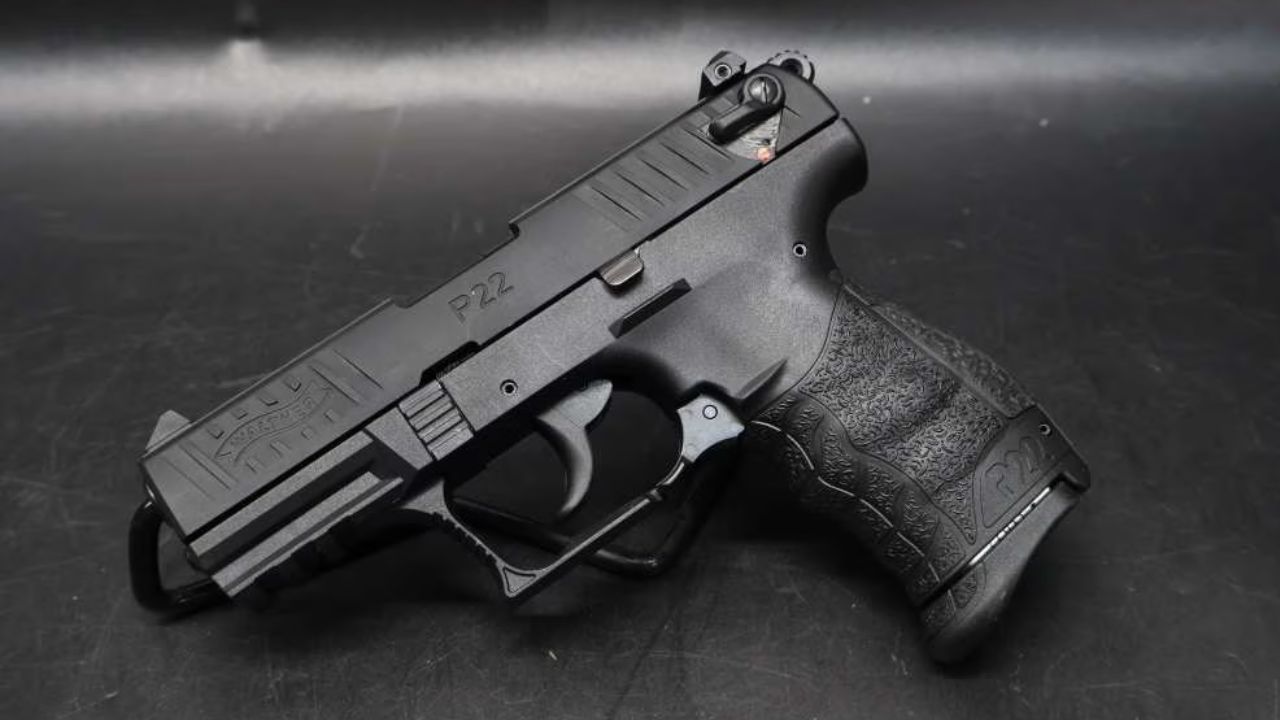
The Walther P22 is notorious for firing pin wear largely because of the rimfire design and mixed build quality across generations. Dry firing is especially punishing to the pin, and even normal use can cause mushrooming or tip deformation. Many owners don’t realize how sensitive rimfires are to firing pin abuse until the problems start.
The P22 is a fun plinker, but it’s not a gun you run hard without expecting parts to wear out. Keeping the chamber clean and avoiding dry fire without snap caps will extend pin life, but the design still sees more wear than many shooters expect.
KelTec PF9
The KelTec PF9 is lightweight and easy to carry, but its firing pin system has always been one of its weaker points. The combination of a thin pin and a slide cut that doesn’t give much support means the striker tip takes a beating under recoil. After enough rounds, the tip can chip or deform.
Many PF9 owners report light strikes well before other components show wear. Running NATO-spec or hotter defensive ammunition accelerates the problem. The gun works best when treated as an ultra-light carry piece, not a high-volume range pistol.
Bersa Thunder .380
The Bersa Thunder .380 uses an internal firing pin system that can wear faster than most centerfire pistols if you shoot it heavily. The metal is softer than many modern designs, and repeated strikes on harder primers gradually round the pin tip.
It’s a reliable gun within normal use, but firing pin life becomes an issue if you train with it as heavily as you would a duty-size pistol. Many longtime owners keep a spare pin on hand because it’s one of the first components that starts showing age.
SCCY CPX-2

The SCCY CPX-2 is known for being budget-friendly, but the firing pin assembly doesn’t always hold up under heavy shooting. The metal used in early models wasn’t particularly durable, leading to chipped or broken pin tips after extended use. You often see intermittent ignition failures before the pin fails outright.
Later production runs improved the part quality, but plenty of older guns are still in circulation. If you shoot frequently, you can expect the firing pin to wear faster than on higher-end pistols. It’s a design that works best for light, occasional use.
Kimber Micro 9 (early runs)
Some early Kimber Micro 9 pistols experienced firing pin wear related to the lightweight design and the combination of slide mass and pin geometry. The firing pin could develop burrs or a flattened tip after sustained use, especially with hotter ammunition.
Kimber addressed the issue, but if you pick up an early-production gun, it’s something to watch. The Micro 9 shoots well, but the firing pin simply wasn’t built to handle thousands of rounds without attention. Routine inspection is key if you run yours often.
Jimenez Arms J.A. 380
The J.A. 380 suffers from multiple durability concerns, and the firing pin is one of the first parts to show wear. The metal is softer than most shooters are used to, and even low-pressure .380 ACP ammunition can deform the tip. Some pins eventually crack under repeated firing.
This isn’t a gun designed for extended training sessions. If you run more than a few hundred rounds through it, you’ll likely start noticing changes in ignition reliability. It’s a good example of why material quality matters in firing pin longevity.
Smith & Wesson SD9 VE (early models)
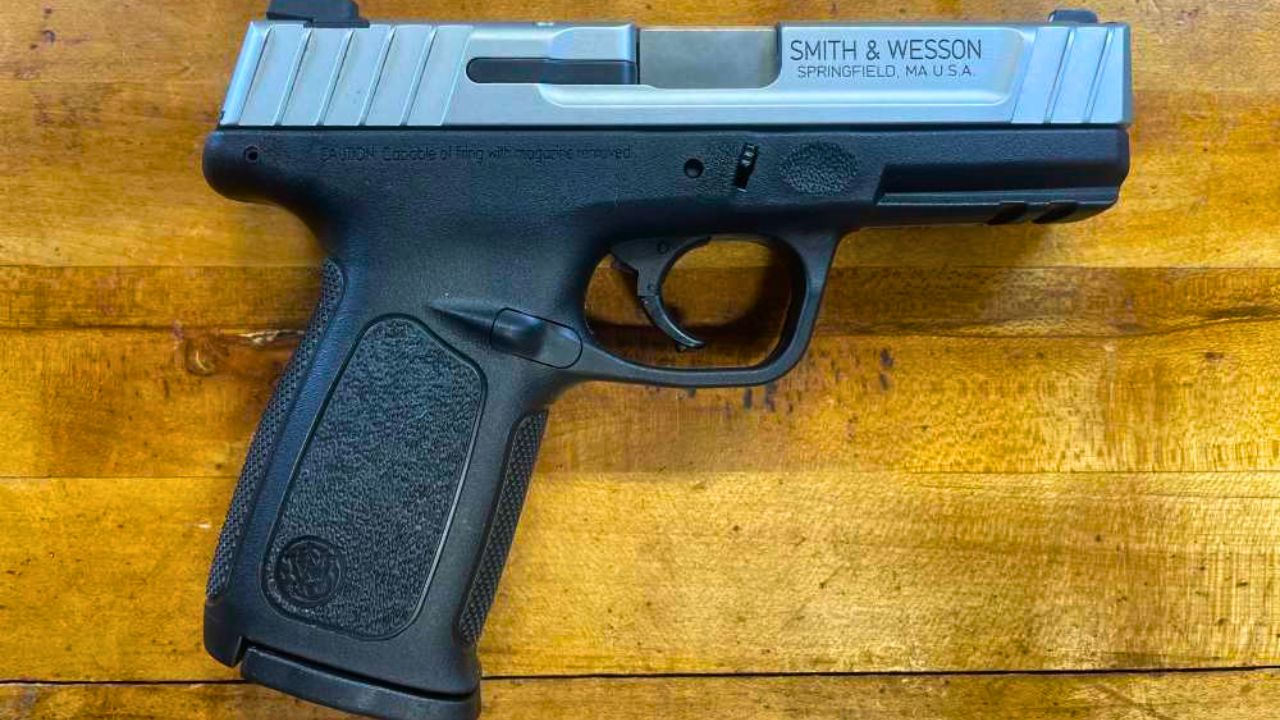
Early production SD9 VE pistols had firing pin issues tied to striker geometry and inconsistent heat treatment. Some shooters saw the tip wear faster than expected, leading to growing ignition problems over time. The design was revised later, but the early guns remain common on the used market.
If you have one of those older models, routine striker inspection is essential. The gun can run well, but the firing pin simply doesn’t tolerate thousands of rounds without showing wear.
Phoenix Arms HP22A
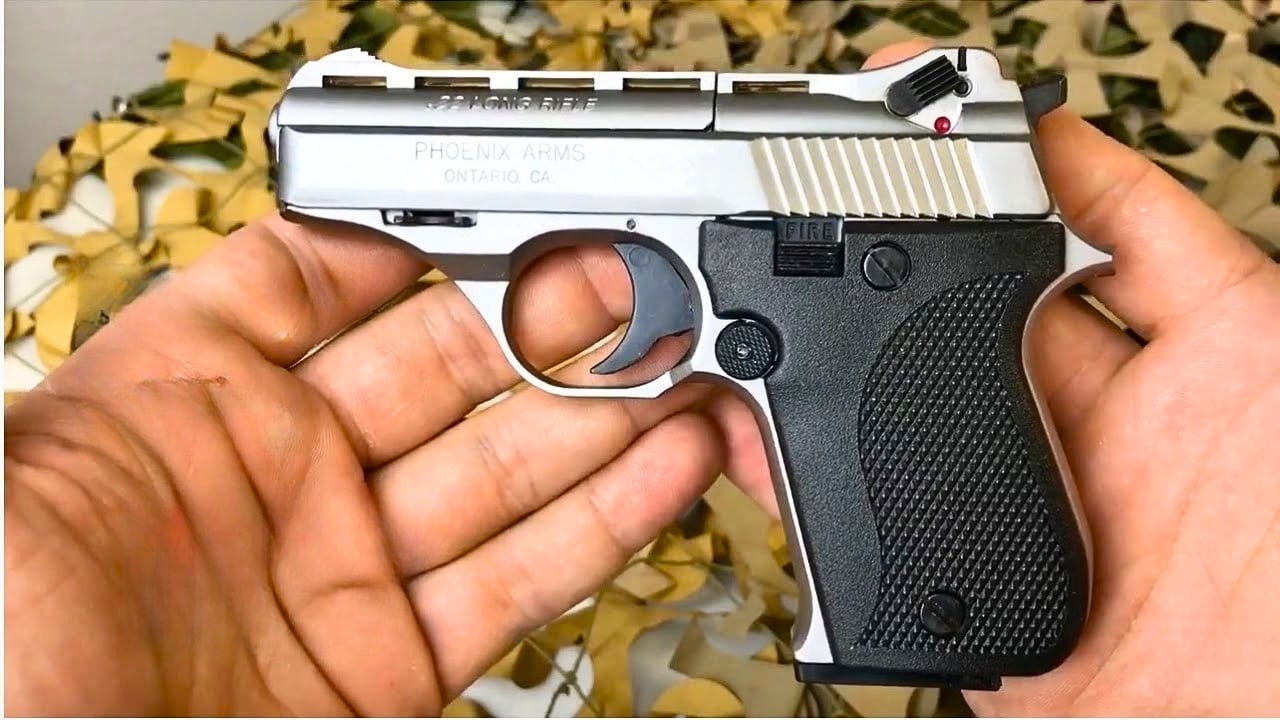
The Phoenix Arms HP22A is a budget rimfire, and like many inexpensive rimfires, its firing pin can deform quickly. Dry firing is especially damaging, but even normal range use can cause rounding or chipping. The small size of the pin and the materials used make it one of the more failure-prone parts of the gun.
If you own an HP22A, you get used to replacing firing pins as part of regular maintenance. The gun is fun to shoot, but it simply wasn’t engineered for long-term durability in that component.
Taurus PT738 TCP
The PT738 TCP is lightweight and carries easily, but the firing pin can wear prematurely under steady use. The small diameter of the striker and the limited support it gets inside the slide create conditions where the tip takes more punishment than it should.
The gun runs fine within moderate round counts, but once you push it past a few hundred rounds, you may start seeing light strikes or inconsistent ignition. Many owners simply treat the firing pin as a consumable part.
Radom P64
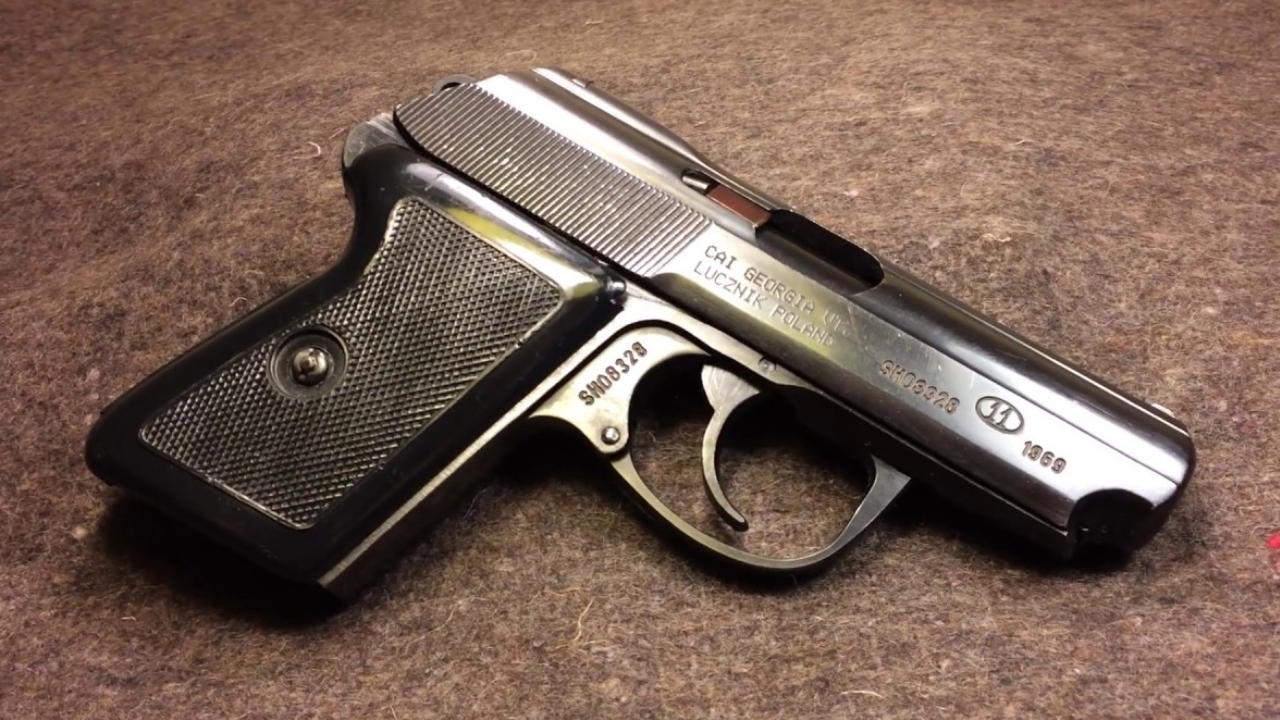
The Radom P64 is durable in many respects, but its firing pin can show wear with steady use, especially if owners dry fire without snap caps. The design wasn’t made with modern high-volume shooting in mind, and the metal can mushroom or chip over time.
Many P64 fans keep replacement firing pins on hand because of how often this issue appears. The pistol is rugged, but the firing pin design is a weak point you notice once you start using it regularly.
Zastava M70 (.32 ACP)
The Zastava M70 is tough, but the firing pin can take a beating with high round counts. The pin isn’t well-supported, and the metallurgy isn’t as refined as on more modern pocket pistols. After a while, you’ll notice flattening or chipping at the tip, especially with European ammunition that tends to have harder primers.
It’s a reliable pistol for normal use, but firing pin wear shows up quicker than most people expect. It’s one of those guns that lasts a long time overall, even though certain small parts don’t hold up under heavy firing.
Hi-Point CF-380
The Hi-Point CF-380 runs surprisingly well, but the firing pin doubles as part of the feed system and endures more abuse than most designs. Over time, the metal can deform, especially if the gun gets dirty or you shoot steel-cased ammunition.
Most owners eventually replace the firing pin as part of normal upkeep. The pistol works, but the design places more stress on the pin than modern striker-fired systems do, which is why wear shows up sooner on these guns.
Like The Avid Outdoorsman’s content? Be sure to follow us.
Here’s more from us: