Photo credit: WHO_TEE_WHO/YouTube
Some pistols keep showing up in gun cases, pawn shops, and range bags no matter how many complaints follow them. You’ve seen it firsthand—guns that sell on price, branding, or nostalgia instead of performance. They stay popular because they’re easy to buy, easy to market, or offer something that looks good on the surface. But once you start shooting them, the weak triggers, spotty reliability, odd ergonomics, or questionable long-term durability become hard to ignore. These are the pistols that somehow maintain steady sales even though plenty of shooters know they fall short where it matters most.
Remington R51

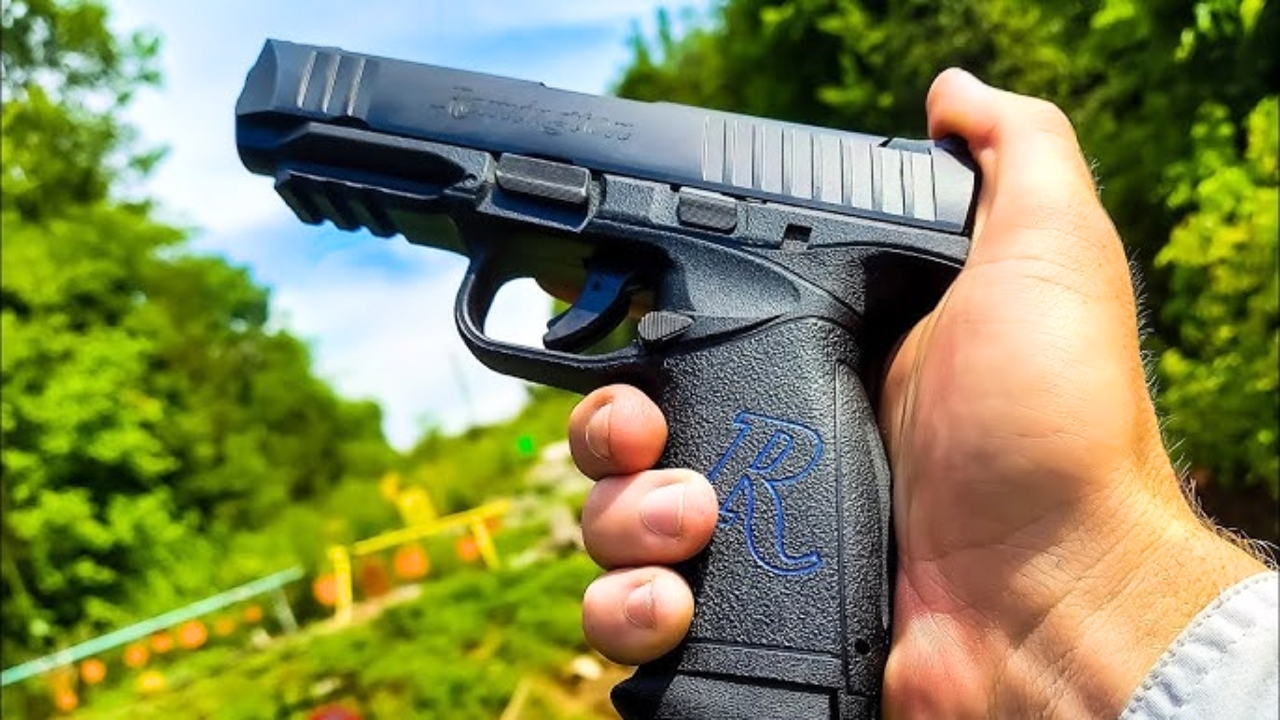
The Remington R51 is one of those pistols that had potential on paper but fell apart in execution. Early versions were plagued with feeding issues, rough cycling, and inconsistent triggers. Remington tried to fix the problems with a second generation, but even those models still struggled with reliability. The hesitation you feel chambering a round or running the slide comes from real design flaws, not user error.
Despite all that, the R51 continues to sell because it carries a familiar name and often shows up at tempting prices. Shooters buy it expecting a compact defensive pistol with heritage behind it, then end up fighting the very problems that made it infamous. It’s a reminder that a trusted brand doesn’t guarantee dependable performance.
KelTec PF9

The KelTec PF9 remains popular among budget-conscious buyers, but the shooting experience tells a different story. Its ultra-light frame produces sharp recoil that’s tough on the hands, especially for new shooters. Long sessions feel punishing, and even short strings of fire can show how easily the pistol jumps around in your grip. That translates into inconsistent accuracy and slower follow-up shots.
Reliability varies widely between individual pistols. Some run fairly well, while others struggle with hollow points or develop wear long before they should. Even though plenty of shooters warn others about these issues, the PF9 keeps selling because it’s thin, affordable, and marketed aggressively. It’s one of the clearest examples of a pistol selling on size and price rather than performance.
Taurus PT111 G2

The PT111 G2 gained a strong following for being inexpensive and feature-rich, but the early models left a long trail of complaints. Owners reported feeding issues, misfires, and premature wear on internal parts. The trigger also varied noticeably between pistols, which made the gun feel unpredictable. Those early problems stuck with the model long after Taurus released better versions.
Even with those concerns, you still see the older G2 pistols selling steadily. Many buyers are attracted to the price tag and the reputation of later improvements, unaware that certain batches had serious shortcomings. If you’ve spent time behind one of the problematic early pistols, you know how inconsistent they could be compared to their reputation.
Kimber Solo

The Kimber Solo exploded onto the market with big expectations, yet it struggled right out of the gate. The pistol only ran reliably with specific ammunition, and even then, feeding issues showed up more often than they should have. For a defensive handgun, that level of ammo sensitivity raises immediate concerns. The expensive price point also led many shooters to expect far more out of it.
Even today, the Solo still pops up on shelves and in listings because the Kimber brand is strong and the gun looks appealing. But the performance problems never went away, and its track record continues to overshadow its styling. It’s a classic case of a beautiful pistol that can’t deliver consistency.
Beretta Nano

The Beretta Nano carries a respected name, but the pistol itself never earned the trust its marketing pushed. Light strikes, failures to eject, and finicky behavior with common defensive loads were recurring issues. Some shooters tried different magazines, ammo types, or maintenance routines, yet the problems often resurfaced.
Despite this history, the Nano still sells because many people assume Beretta guarantees reliability. The pistol’s modular design and small footprint appeal to new buyers who haven’t heard the long list of complaints. When companies replace a model with something more reliable, it usually means the earlier version had deeper problems—and the Nano fits that pattern.
Ruger LC9

The Ruger LC9 shows up all over the place because it’s affordable and easy to conceal, but the long, heavy trigger pull has frustrated countless shooters. It’s difficult to shoot well under stress, and the reset is vague enough that controlled follow-up shots take more focus than they should. Those design quirks alone have made many owners regret their purchase.
Occasional light strikes and cycling issues with certain hollow points added to the LC9’s mixed reputation. Yet the Ruger name and budget-friendly price keep it moving off shelves. It’s a pistol that looks like a smart buy until you actually try to run it fast.
Smith & Wesson Bodyguard 380

The Bodyguard 380 has a strong brand behind it, but its user experience isn’t as polished as many expect. The trigger is long and heavy, making quick, accurate shots difficult. Recoil feels sharper than expected for a small .380, which throws off consistency during longer strings. Those two characteristics alone have turned plenty of shooters away from it.
Still, the Bodyguard 380 continues to sell because it’s slim, lightweight, and widely available. Brand recognition carries it far, even though many shooters find themselves switching to something more manageable after real trigger time.
SCCY CPX-2

The SCCY CPX-2 remains popular because of its price, but performance varies wildly from one pistol to the next. Some run decently, while others struggle with feeding, light strikes, or stiff, wandering triggers. That inconsistency makes it tough to trust as a primary carry gun. The long pull also slows you down more than many budget buyers expect.
Even with these issues, the CPX-2 keeps selling because it offers an attractive package for very little money. But as you spend more time around the shooting community, you hear the same feedback repeatedly: reliability is a gamble, and that gamble doesn’t pay off often enough.
Remington RP9

The RP9 came from a well-known company, yet it quickly became known for inconsistent quality control. Early reviews frequently mentioned feeding issues, poor trigger feel, and magazines that didn’t always seat or eject cleanly. For a full-size defensive pistol, those problems add up quickly.
Even with its troubled past, the RP9 still finds buyers because it’s inexpensive and carries a recognizable name. But shooters who’ve run one hard usually agree—it never reached the level of reliability you expect from a duty-sized handgun.
Hi-Point C9

The Hi-Point C9 sells steadily because of its price, but performance has always been a mixed bag. While some argue that it “works well enough,” the heavy slide, awkward ergonomics, and frequent feeding hiccups tell a different story. It’s also one of the least pleasant pistols to shoot when you pick up the pace.
Even though it has a loyal fanbase, the C9’s design limitations are real. Many owners eventually move on to something more refined. Yet the incredibly low cost guarantees that the pistol keeps selling no matter how often people criticize it.
Cobra Derringers

Cobra derringers are inexpensive and widely available, but their reliability and durability are well below modern carry standards. Misfires, loose hinges, and rough machining show up more often than most shooters are comfortable with. The tiny grip and harsh recoil also make them extremely difficult to control.
They continue to sell because they’re cheap and nostalgic, not because they perform well. Most owners who take them to the range quickly realize that these derringers are more novelty than dependable defensive tools.
Jimenez Arms JA9

The JA9 is another budget pistol that has built its reputation on price rather than performance. Reports of cracked frames, broken firing pins, and unreliable feeding have circulated for years. Long-term durability is questionable, and many shooters retire the pistol early after encountering mechanical issues.
Even with these concerns, the JA9 sticks around because it’s easily found on shelves and in pawn shops. But anyone who has spent time running one knows that affordability doesn’t make up for serious shortcomings in reliability or safety.
Phoenix Arms HP22A

The HP22A remains popular among new shooters, but its pot-metal construction and inconsistent reliability limit its usefulness. The pistol is sensitive to ammunition, cleanliness, and even how firmly you grip it. Combine that with several small controls that feel mushy or fragile, and you end up with a gun that demands more care than most people expect from a budget .22.
Despite the flaws, it sells because it’s cheap, compact, and has a certain curiosity factor. But once you spend time shooting it, the quirks and limitations become hard to overlook.
Raven MP-25

The Raven MP-25 is a relic from the “Saturday Night Special” era, yet it still circulates. The materials and build quality simply don’t match modern standards. Many examples suffer from feeding issues, broken springs, and inconsistent triggers. Long-term ownership often turns into a cycle of tinkering and replacing parts.
Even with those drawbacks, the MP-25 sells because it’s inexpensive and historically widespread. But anyone depending on it for serious use will quickly learn that the design hasn’t aged well—and never offered dependable performance in the first place.
Bryco/Jennings 59

The Bryco/Jennings 59 is another pistol that sold in massive numbers despite serious reliability concerns. Feeding failures, safety issues, and structural problems have been reported across countless examples. Many shooters only learn these limitations once the gun starts malfunctioning under basic use.
Yet the 59 still pops up frequently because older stock and used examples are easy to find at low prices. It’s one of the clearest reminders that widespread availability doesn’t guarantee quality—and sometimes the worst pistols are the ones that keep selling simply because they’re everywhere.
Like The Avid Outdoorsman’s content? Be sure to follow us.
Here’s more from us:
The worst deer rifles money can buy
Sidearms That Belong in the Safe — Not Your Belt
*This article was developed with AI-powered tools and has been carefully reviewed by our editors.