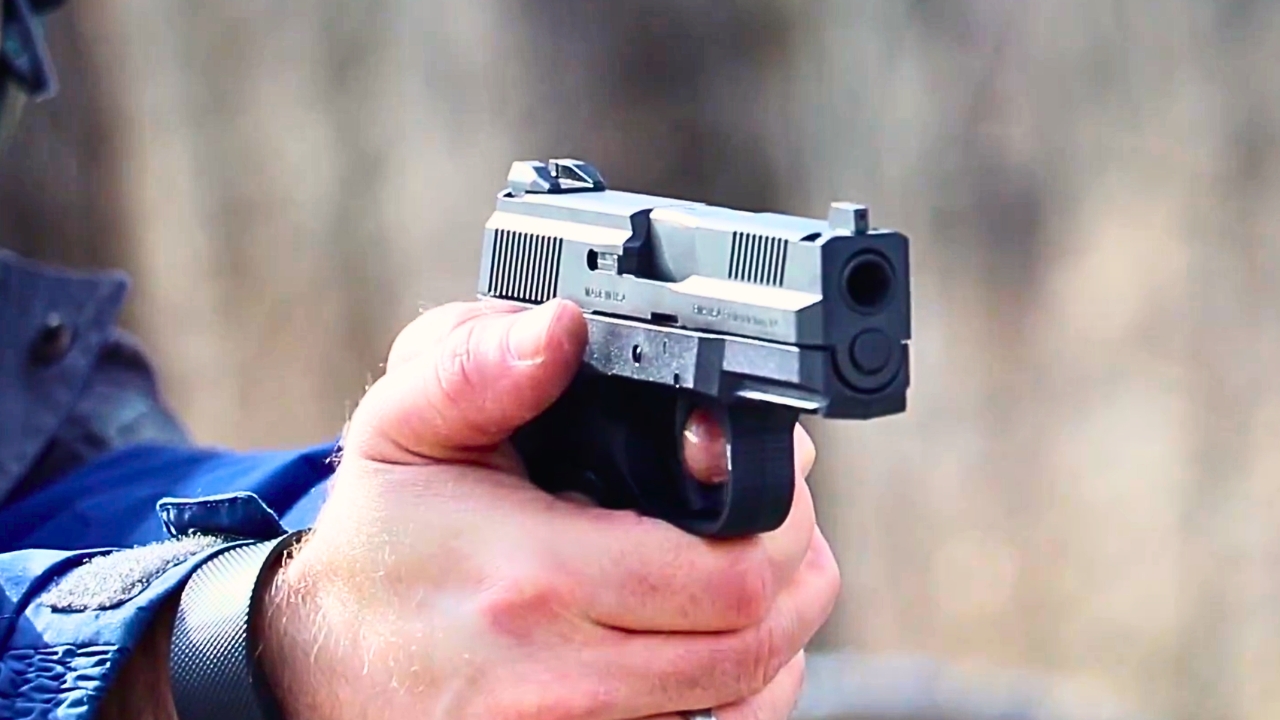
Photo credit: Buffman – R.A.N.G.E./YouTube
Some pistols get recommended with a little too much confidence, and you usually find out why later. A guy will tell you a certain handgun is the smart buy, the dependable choice, the one he would trust any day of the week. Then somewhere deeper in the conversation, the truth slips out: he already sold his. Maybe it never fit his hand right. Maybe it beat him up at the range. Maybe it ran fine but never felt worth keeping once the excitement wore off.
That does not always mean the gun was terrible. Sometimes people sell perfectly decent pistols because something else suited them better. But there are certain models that get praised harder than they get kept. They sound great in recommendation threads, gun-counter talk, and internet debates, yet a lot of the same people pushing them moved on quietly. These are the pistols that seem to collect endorsements faster than long-term loyalty.
Glock 26
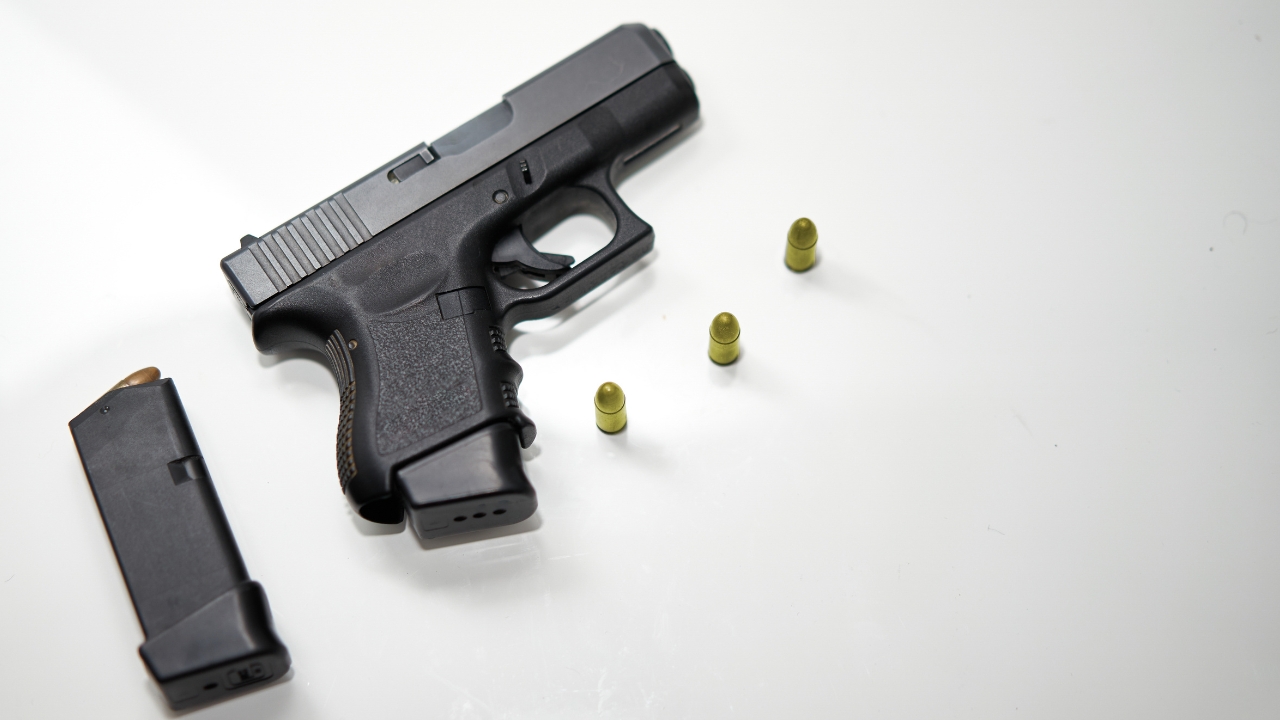
The Glock 26 gets recommended like it is the automatic answer for anybody wanting a small defensive pistol with serious credibility. On paper, that makes sense. It is reliable, easy to support, and backed by one of the strongest reputations in the handgun world. Plenty of shooters still swear by it, and there is no question it has earned respect over time. But it is also one of those guns a lot of people praise before admitting they never really loved living with it.
For some owners, the thickness becomes the problem. Others never quite enjoy the grip, the shootability compared to slightly larger pistols, or the way it carries versus newer options. They recommend it because it feels safe to recommend, not because it stayed in their holster for years. The Glock 26 still matters, but it is also one of the clearest examples of a pistol that gets more loyal public support than private long-term ownership.
Springfield XD-S
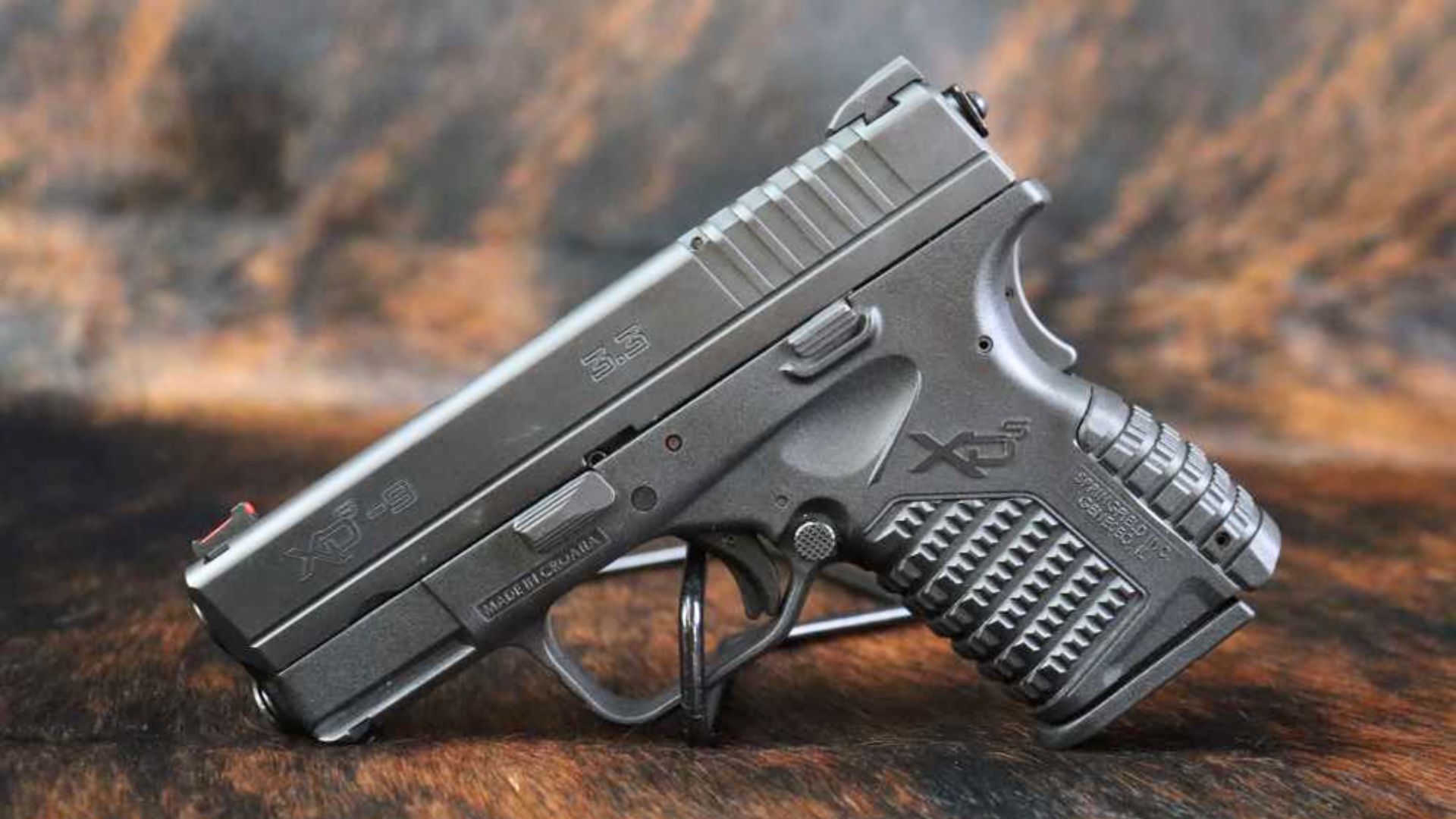
The Springfield XD-S had a stretch where it got pushed hard as a serious slim carry option, especially by shooters who wanted something flatter than a double-stack without going to a tiny pocket gun. It looked like a practical answer, and for plenty of buyers it checked enough boxes to sound impressive in a recommendation. That is why it kept coming up in conversations even when the people praising it were already halfway out the door.
A lot of owners eventually found the shooting experience less enjoyable than they wanted from a gun they were supposed to practice with often. Some disliked the feel in recoil. Some just moved on once the carry market started offering better-balanced alternatives. Yet the XD-S still gets recommended as if it remained a forever solution. That is usually the pattern with pistols like this. They earn polite respect long after many owners already decided they were ready to let them go.
SIG Sauer P290RS

The SIG Sauer P290RS came from a period when buyers were hungry for serious-brand pocket pistols, and that alone gave it a lot of recommendation power. If you wanted something tiny from a respected maker, the name SIG did a lot of heavy lifting before the pistol ever fired a shot. People talked it up because it sounded like the kind of gun that should have been a no-brainer for deep concealment.
Then real ownership started sorting things out. The heavy trigger, the shooting feel, and the general lack of charm in extended use wore on a lot of people. Many owners moved it along after the novelty faded, but the recommendations kept floating around because the logic still sounded solid from a distance. That is how guns like this linger in the conversation. They stay alive in theory longer than they do in actual range bags or carry rotations.
Smith & Wesson Shield 40

The Shield line earned real credibility, but the Shield 40 is one of those pistols that often gets talked about more kindly than it gets remembered. A lot of shooters recommended it because it was a familiar answer at the right time. It was thin, easy to conceal, and wore the kind of name that made people comfortable suggesting it to new buyers. Back when .40 still had more momentum in the carry market, this pistol looked like a serious, no-nonsense option.
Then people actually spent time with it. Plenty decided the recoil was more abrupt than they wanted in a light gun, especially when compared to 9mm choices that became easier and easier to justify. That is where the quiet selling started. Owners moved on, often to softer-shooting alternatives, while still talking about the Shield 40 like it was a smart classic pick. It made sense in its moment, but a lot of people recommended it long after they had personally stopped wanting one.
Ruger LC9

The Ruger LC9 got recommended by a lot of practical-minded gun owners because it seemed like the sort of pistol you were supposed to buy. It was slim, affordable, and came from a company people generally trusted to make honest working guns. For buyers who wanted something easy to carry without spending heavily, the LC9 was a familiar answer. That was enough to keep its name circulating long after many owners had already started looking for excuses to upgrade.
The main issue was not that it failed some dramatic test. It was that the experience of shooting it often did not inspire much affection. The trigger on the original model turned plenty of people off, and the overall feel left a lot of owners treating it as a temporary solution rather than a gun they genuinely enjoyed. That is why it fits here so well. It was easy to recommend in conversation and just as easy to sell once something better came along.
Kimber Solo Carry

The Kimber Solo Carry arrived with the kind of profile that makes people want to recommend a gun before the market has fully judged it. It looked sleek, came from a recognized brand, and seemed built for the shooter who wanted a premium-feeling micro pistol before that category became crowded. On paper, it had the ingredients of a stylish carry favorite. In real ownership, things got much less romantic for a lot of people.
This pistol developed the kind of reputation that makes former owners speak carefully. They often describe it in a way that sounds respectful right before you learn they sold it and never looked back. Between ammunition sensitivity, mixed reliability impressions, and the gap between how good it looked and how much trust it inspired, the Solo Carry became a classic recommendable idea more than a beloved long-term companion. It is one of those pistols whose image lasted better than many owners’ patience.
Walther CCP

The Walther CCP made a lot of sense in recommendation form. Easy to rack, comfortable in the hand, and attached to a brand that usually earns praise for ergonomics, it sounded like a thoughtful answer for shooters wanting something a little friendlier than the usual compact carry pistol. It especially appealed to people shopping for manageable recoil and easier slide manipulation. As a concept, it was easy to defend.
Owning it long term was a different story for plenty of buyers. The gun could feel more complicated and less satisfying than expected once the novelty of its design wore off. Maintenance frustrations and a general sense that there were cleaner options on the shelf pushed more than a few owners to move on. Even so, it still gets suggested by people who remember the concept more fondly than the actual relationship. That is usually a sign a pistol made a better pitch than a lasting impression.
Beretta Nano

The Beretta Nano was recommended heavily by people who trusted the badge and liked the idea of a simple, slim carry gun from a major maker. That alone carried it pretty far. Beretta has enough history that buyers naturally wanted the Nano to be a dependable little answer in a growing concealed-carry market. It looked serious, minimalist, and practical. That made it easy for people to keep speaking well of it, even after the excitement cooled.
The problem was that the ownership experience often felt flatter than the recommendation. It did not win people over the way they hoped, and a lot of owners quietly traded or sold theirs once better micro-compacts started showing up. Still, you hear it recommended now and then as if it was a sleeper hit people overlooked. In truth, many of the people saying nice things about the Nano had already decided they preferred almost anything else they actually enjoyed shooting.
Taurus G2C

The Taurus G2C gets recommended constantly because it fills an obvious role in the market. It is affordable, compact, and accessible to buyers who want a carry pistol without stretching the budget too far. That alone gives it a lot of word-of-mouth momentum. People like recommending it because they know not everyone is shopping in the same price bracket, and the G2C often sounds like the responsible budget answer.
But this is also one of those pistols that many owners treat as a stepping stone. They recommend it because it got them started, not because it became the gun they stuck with once they had better options. A lot of people sell theirs after moving up to something they trust more or simply shoot better. The recommendation stays alive because the entry-level logic holds up. The ownership loyalty is a different story. That gap is exactly why the G2C belongs here.
Kahr CM9

The Kahr CM9 was once a very common recommendation for people who wanted an ultra-concealable 9mm without the size of older compact pistols. It had a slim profile, smooth lines, and a reputation that suggested it was made for serious concealment rather than range-day fun. That earned it plenty of praise. For a while, it felt like the kind of gun knowledgeable carriers were supposed to mention when they wanted to sound practical.
Then the market changed, and long-term loyalty got tested. A lot of owners ended up moving on once they realized how much easier newer pistols were to shoot well, train with, and keep in regular rotation. The Kahr still had defenders, but many were defending the logic of it more than their own ongoing attachment to the pistol. That happens a lot with guns built around deep concealment. They get recommended for discipline and sold for comfort.
Remington R51
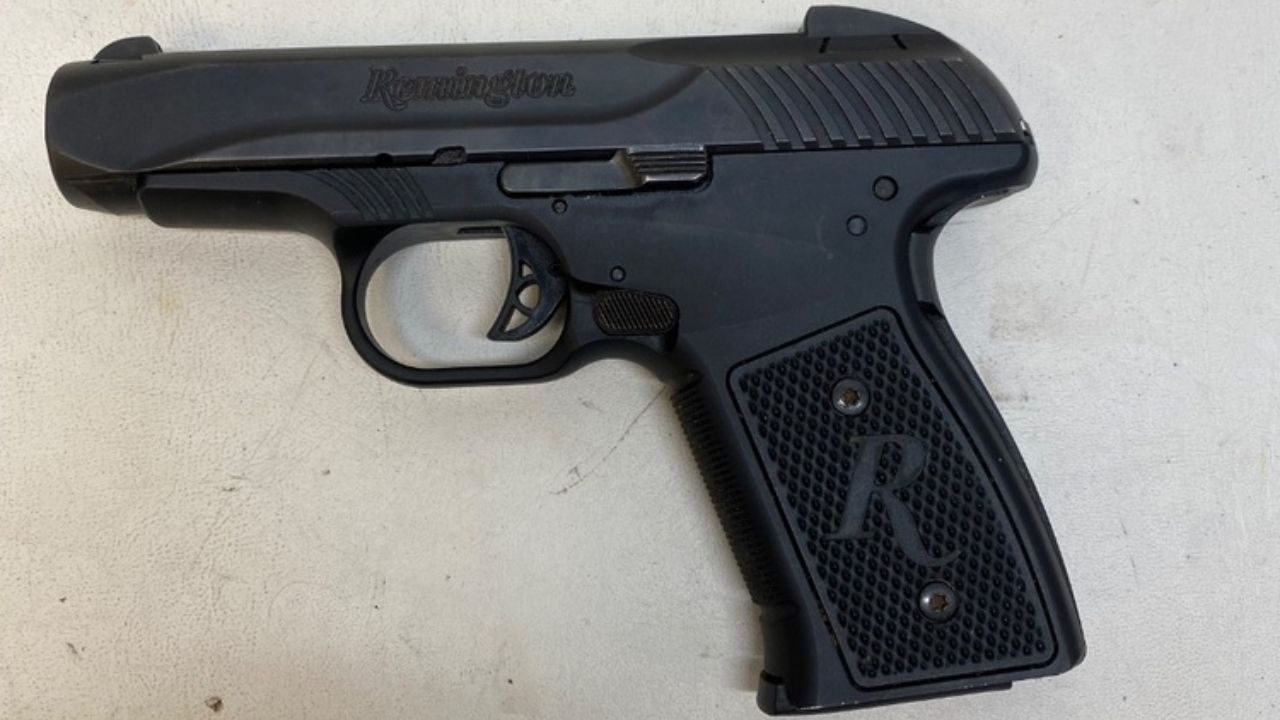
The Remington R51 is one of the easiest examples of a pistol that can still get defended in theory long after real ownership went sideways for a lot of buyers. The concept sounded interesting, and the Remington name gave it more goodwill than a lesser-known company would have enjoyed. People wanted it to work. That desire alone helped it survive in recommendation talk longer than it deserved.
But once shooters actually had to trust it, shoot it, and live with its reputation, the tone changed. A lot of owners did not hang onto theirs for very long, and the gun quickly became something discussed more as an idea or a lesson than as a pistol anyone was excited to keep. Even so, there are still people who talk about it like a misunderstood option. Usually that is not coming from somebody who still owns one with complete confidence.
Mossberg MC1sc

The Mossberg MC1sc benefited from a lot of crossover goodwill. Buyers trusted Mossberg from the shotgun side of the world and wanted that trust to transfer into carry pistols. That made the MC1sc easy to recommend early on. It seemed sensible, compact, and backed by a familiar name that did not feel risky. For a lot of people, that was enough reason to speak well of it before the carry market really sorted it out.
The issue was not that the pistol had no strengths. It was that the segment around it got brutally competitive in a hurry. Once owners had more time with it and more alternatives to compare it against, many decided it was good enough without being memorable enough to keep. Yet its recommendation life stayed surprisingly strong because the brand still sounded reassuring. That is often how it goes. The pistol gets sold, but the name remains easy to say out loud.
FN FNS-9C
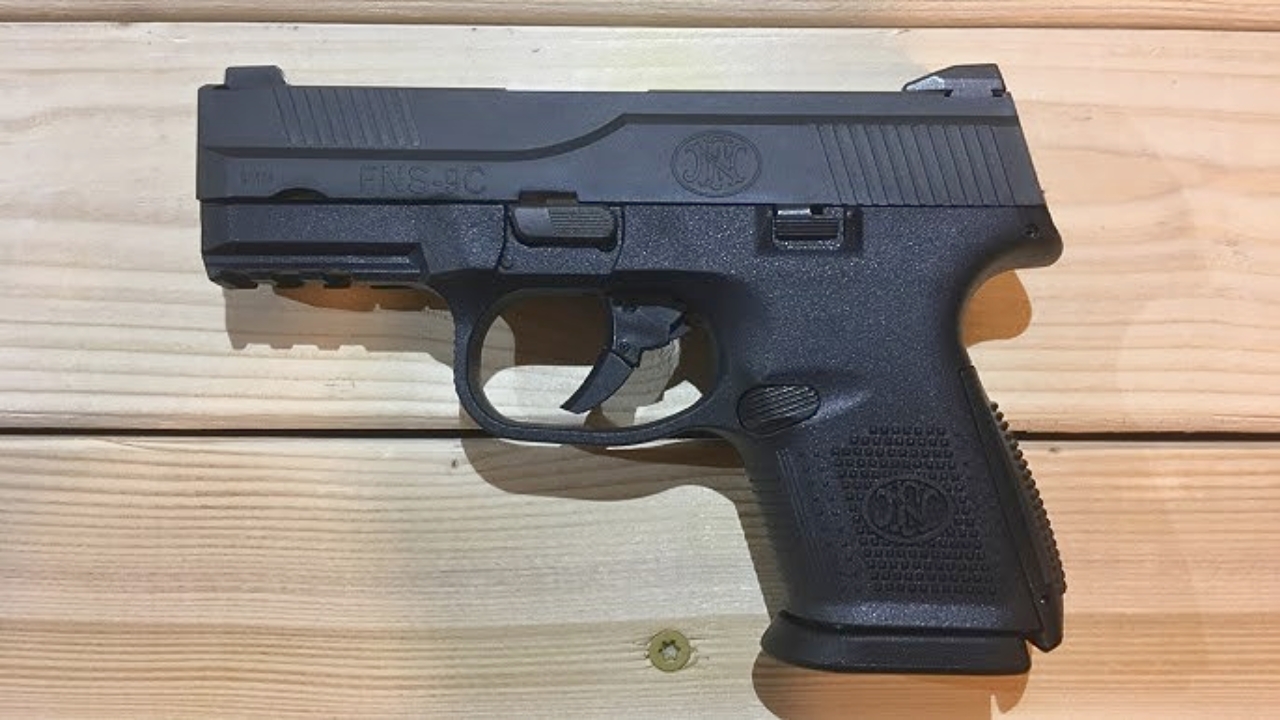
The FN FNS-9C is one of those pistols people often mention with a respectful tone, even when they no longer own one themselves. FN has serious credibility, and the compact version of the FNS looked like it should have stayed a staple. It was capable, sturdy, and came from a company with real-duty reputation. That made it a comfortable recommendation for anybody wanting something outside the most predictable mainstream picks.
But comfort in a recommendation does not always equal long-term attachment. A lot of owners eventually moved on because the pistol never fully separated itself in feel, trigger quality, or overall draw from the pack. It was fine, sometimes more than fine, but not always enough to stay once newer or better-fitting choices showed up. Still, people keep recommending it because it sounds like a smart, serious option. Sometimes that sounds better than it actually lasts.
Heckler & Koch VP9SK

The HK VP9SK gets recommended by shooters who appreciate quality and want to point buyers toward something that feels more refined than the average compact striker gun. That is fair. HK makes good pistols, and the VP9SK has real strengths. It carries strong brand appeal, solid shootability for its size, and the kind of reputation that gives people confidence when they bring it up in a conversation about concealed carry.
At the same time, plenty of owners eventually let theirs go because the gun did not stay compelling enough to beat out slimmer, simpler, or easier-to-carry alternatives. Some found it a little chunky for the role. Others just drifted toward other platforms after the initial excitement settled. The recommendation, though, remains strong because people still respect what it represents. That is the difference. The VP9SK often earns sincere praise, but not always the kind of loyalty that keeps it in the safe.
Springfield Hellcat
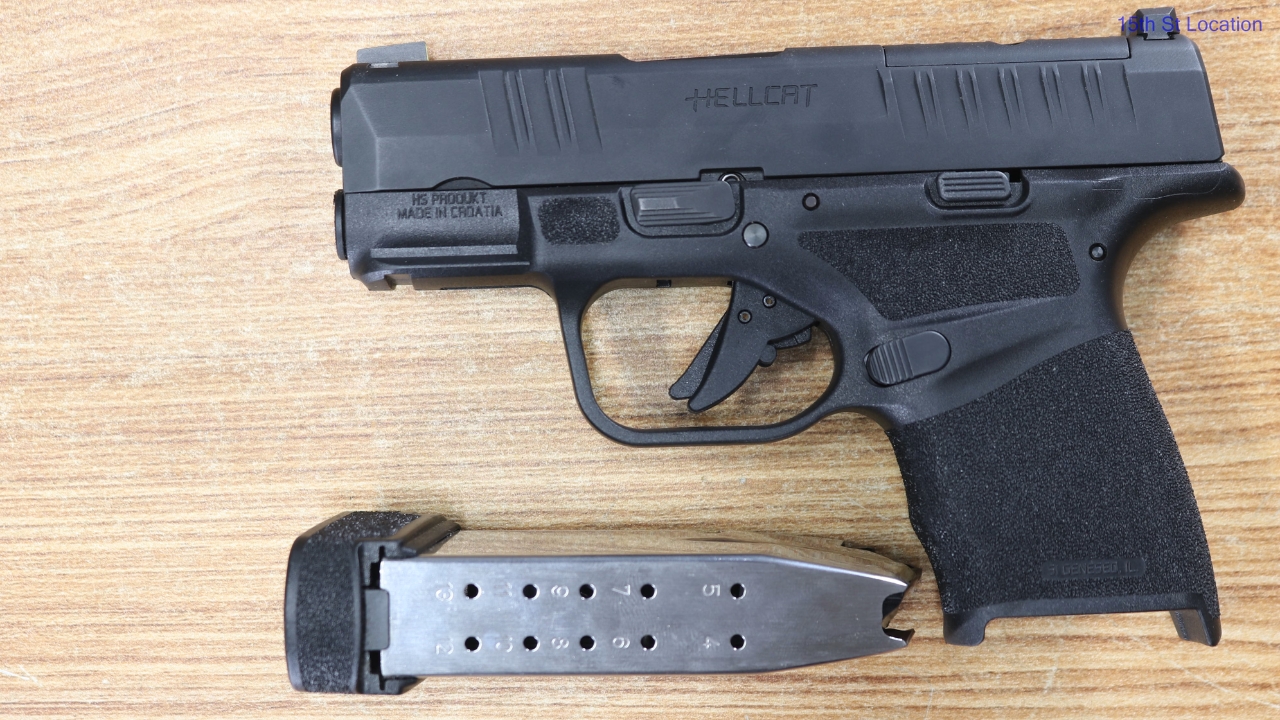
The Springfield Hellcat was recommended hard from the moment it hit the market because it came out swinging in a category everyone suddenly cared about. High capacity in a very compact package gets attention fast, and the Hellcat quickly became one of those pistols people brought up as the obvious modern carry answer. It had specs, timing, and enough brand momentum to turn into an easy recommendation for a huge number of shooters.
The funny part is how many owners later moved on while still speaking well of it. Some found it a little snappy for the size. Some simply liked the idea more than the range experience. Others sold it once a different micro compact fit their hand or their carry routine better. That does not make the Hellcat a bad pistol. It just makes it a very clear example of a gun that often survives in recommendation form longer than it survives in personal ownership.
SIG Sauer P320 Subcompact
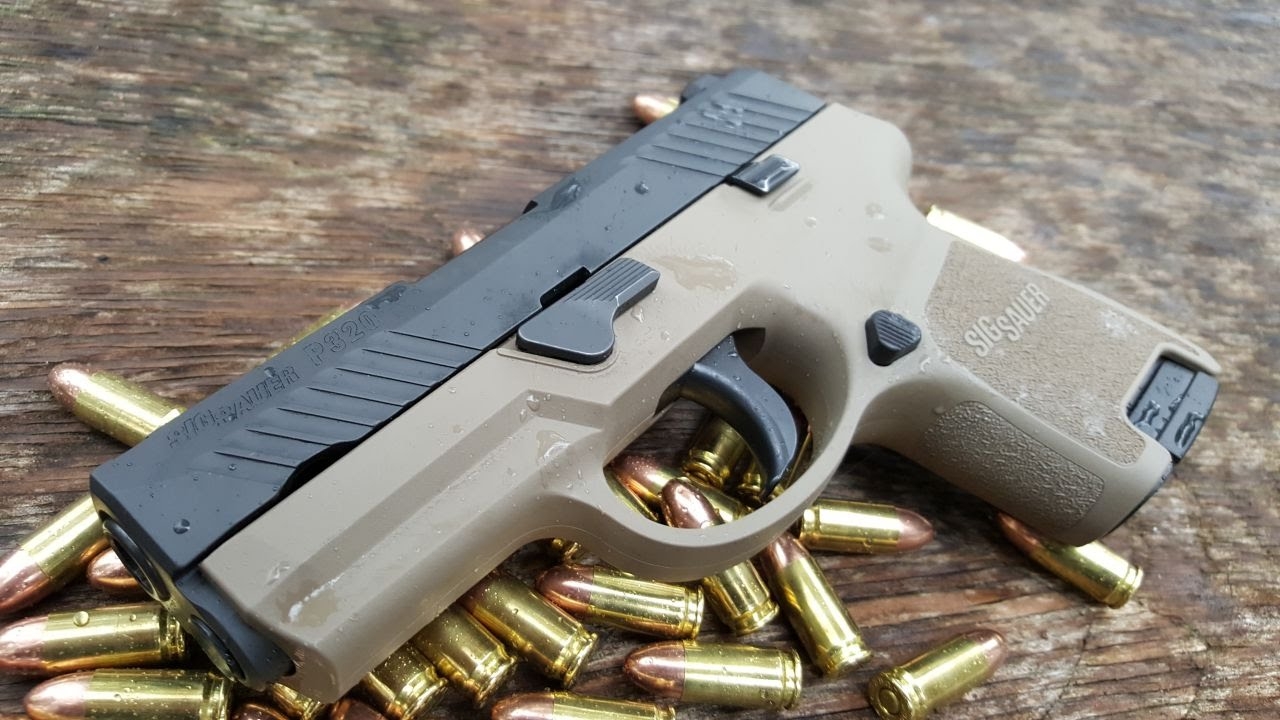
The SIG Sauer P320 Subcompact came from a family of pistols with enough momentum that almost every version got some automatic credibility. Once the P320 name caught on, people were quick to recommend different sizes and setups because the platform felt like the smart modern answer. The Subcompact benefited from that wave. It sounded modular, capable, and flexible enough to make sense for concealed carry.
But for plenty of owners, that particular version did not end up being the keeper they expected. Between changing market preferences, better-balanced carry options, and the platform’s own shifting reputation over time, many moved theirs along. The recommendation often outlasted the personal attachment because people were still selling the larger P320 idea, not necessarily the actual subcompact experience. That is an important difference. A platform can stay respected even while one version quietly disappears from a lot of safes and holsters.
Like The Avid Outdoorsman’s content? Subscribe to our newsletter so you never miss an article.
Here’s more from us: