Photo credit: Dmitri T/Shutterstock.com
Pistol culture is saturated with upgrades that promise tighter groups, faster draws and tactical credibility, yet a surprising number of those add‑ons quietly disappear after a few range trips. You see the same pattern repeat: a new part goes on the gun, performance or comfort actually gets worse, and the owner ends up reversing course and chasing a more balanced setup. The real story is not that customization is bad, but that certain popular modifications clash with how you actually shoot, carry and defend yourself.
If you understand which upgrades tend to get installed, regretted and then removed, you can skip the expensive trial and error. Instead of building a pistol that looks impressive on a bench but fights you in real use, you can focus on changes that genuinely help and avoid the ones that create legal, reliability or usability headaches.
Why you keep “over‑building” your pistol
You are constantly told that a serious shooter customizes everything, so it is easy to treat a stock pistol as unfinished. The industry reinforces that instinct with a steady stream of parts that promise to fix problems you did not know you had, from skeletonized controls to competition triggers. In one detailed breakdown of common mistakes, Aug explains that he now tries to buy a handgun that already includes the features he wants, instead of bolting on layers of aftermarket parts that complicate the system and introduce new failure points, a lesson that reflects years of watching upgrades backfire on the range and in classes.
That pressure to modify is amplified by social media and online communities where heavily customized pistols are the norm and a plain Glock or M&P looks almost unfinished. Yet when you look past the photos and listen to shooters describe what they actually carry, you hear about people stripping off parts that seemed clever in theory but made the gun harder to conceal, slower to draw or less reliable. The gap between what looks impressive and what runs well is why so many owners end up undoing work they were once proud of, and why you should be skeptical of any accessory that does not clearly solve a problem you already have.
Triggers that feel amazing, until they do not
Trigger jobs are among the most common pistol modifications, and they are also among the most frequently reversed. You might be tempted by a lighter break and shorter reset, especially if you shoot at distance or on a timer, and there is no question that a well designed unit can tighten groups. Guidance on accuracy upgrades notes that Custom Trigger Groups The are some of the most replaced internals on a handgun, precisely because they change how the gun feels with every press. While that can be an advantage on the square range, it also means you are altering the core safety and reliability characteristics of a tool you may depend on under stress.
Many shooters discover that an ultra light or competition style trigger is unforgiving of imperfect finger placement, gloves or adrenaline, and they quietly reinstall the factory unit after a few close calls or malfunctions. Others worry about how a modified trigger will be portrayed after a defensive shooting, a concern that surfaces often in carry discussions where people weigh the benefits of a smoother pull against the risk that a prosecutor will argue they built a more dangerous weapon. When you add in the fact that factory triggers are engineered to balance safety, durability and reliability across a wide range of conditions, it becomes clear why so many owners eventually decide that the stock feel is good enough.
Optics, lights and the cluttered slide problem
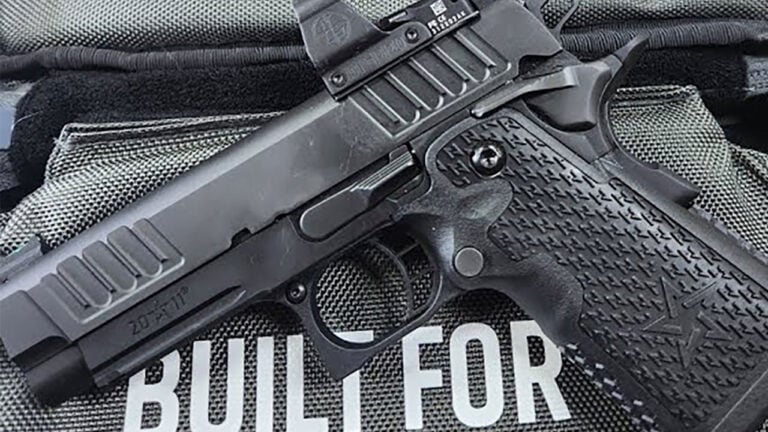
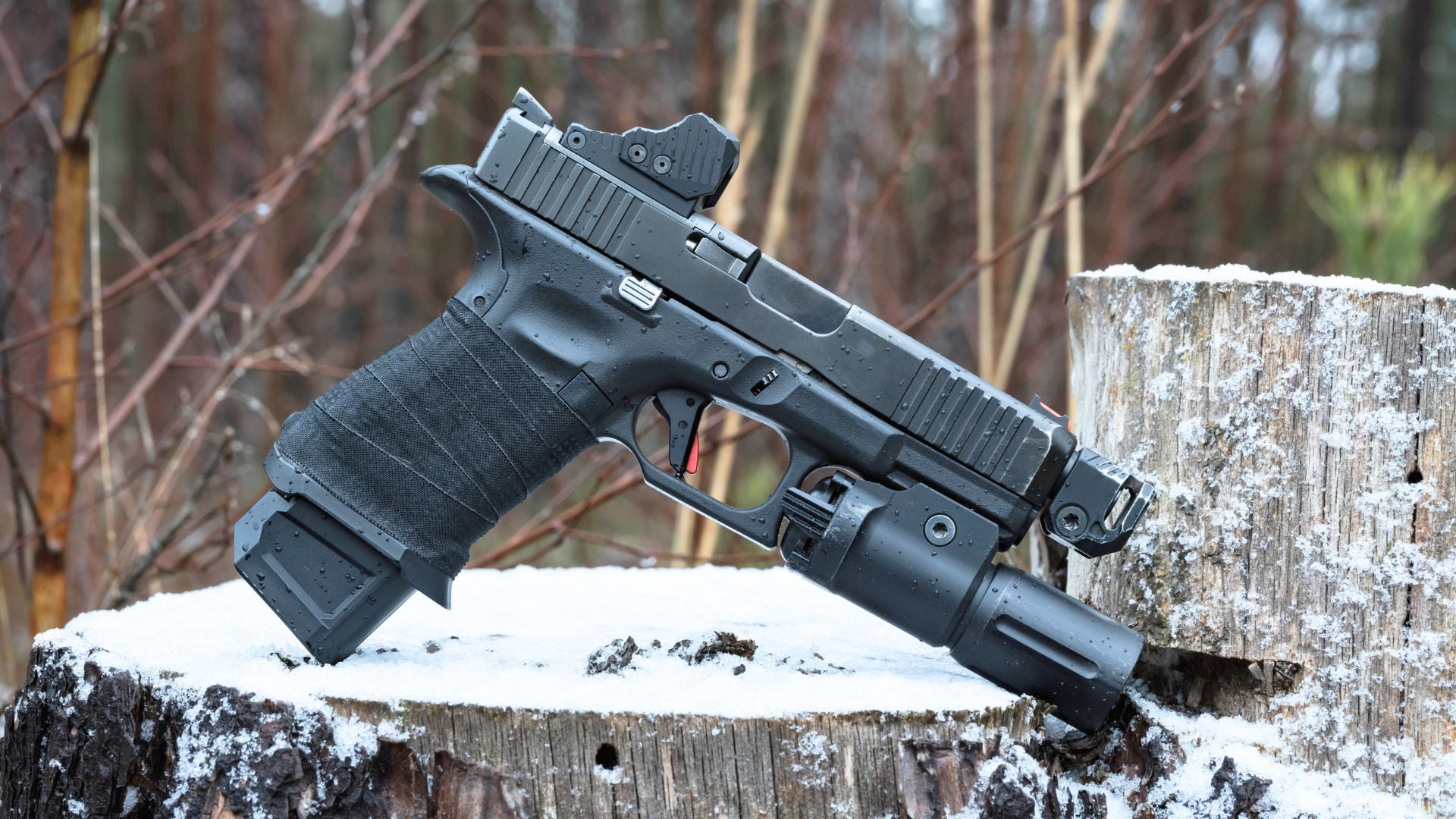
Red dots and weapon lights have moved from niche to mainstream, and for good reason, but they also create some of the most common “upgrade regret” stories. A compact pistol that carried easily in a simple holster can become bulky and top heavy once you add a tall optic, a large light and backup irons, and you may find that your preferred inside‑the‑waistband position no longer works.
In a discussion about Half-Life: Alyx, one player on Mar described wanting a way to strip off certain pistol upgrades because they felt the add-ons made the gun worse—a virtual echo of the real world experience of shooters who discover that extra hardware can slow target acquisition or snag on cover, even if it looks impressive in photos. They wish they could reset the pistol “back to normal,” the way the game lets you rebuild at specific levels—a frustration that mirrors how some owners feel about permanent slide cuts or proprietary mounting systems once their preferences change.
Especially if they, like the commenter who said “I hate optics,” realize they simply shoot better with irons after all, a sentiment that shows up whenever someone admits that not every modern accessory is an upgrade for every user, even if CCO would be close combat optimized in theory.
Lights present a similar tradeoff. A compact weapon light can be invaluable in low light, but oversized units can print badly under clothing and force you into bulkier holsters that are harder to conceal. Some owners end up removing lights from their everyday carry pistols and reserving them for home defense guns where size is less of an issue. The pattern is consistent: you add capability, then discover that the real cost is comfort, concealment and simplicity, and you quietly revert to a leaner setup that you are more likely to carry all day.
Grips, frames and the line between comfort and classification
Grip modules, backstraps and frame accessories promise better control, yet they are another category where you often see upgrades reversed. Aggressive textures can chew up your hands during long practice sessions or abrade your skin when carried against the body, leading you to sand them down or swap back to a milder pattern. Add‑on flared magwells and oversized baseplates can speed reloads, but they also make a pistol harder to conceal and may be incompatible with certain holsters, so they are often removed once the novelty wears off and the daily inconvenience sets in.
There is also a legal dimension that many owners underestimate. In an open letter to Federal Firearms Licensees, the ATF explained that adding a vertical forward grip to a handgun can reclassify it as an “any other weapon,” subject to National Firearms Act registration and taxation, with significant penalties for violations. That kind of regulatory tripwire is exactly why some shooters remove certain accessories once they understand the implications, especially if they travel across state lines or use the pistol for concealed carry. The lesson is simple: an ergonomic tweak is not worth it if it risks turning a straightforward pistol into a legally complex firearm.
Illegal or borderline mods that get quietly undone
Some of the most dramatic pistol modifications are also the ones most likely to be removed in a hurry, often after a conversation with a more experienced shooter or a lawyer. Devices that convert a semi‑automatic handgun into a fully automatic weapon, such as auto sear kits, are treated as machine guns under federal law, and their possession without proper registration can bring severe penalties. A detailed explainer on illegal changes notes that these kits, along with binary triggers and bump stocks, alter how the firearm cycles and can cause uncontrolled bursts that are both unsafe and unlawful, a reality that has led many owners to strip them off once they understand how aggressively they are prosecuted, particularly when they realize that these parts can be traced and that claiming ignorance is not a defense.
Even modifications that are technically legal can create serious problems if they are perceived as reckless or malicious. Overly aggressive engraving, “zombie killer” themes or parts marketed with provocative slogans may play well online but look very different in a courtroom. When shooters learn how prosecutors have used such details to paint defendants as irresponsible, they often remove or replace those components, preferring a pistol that looks boring and defensible over one that screams for attention. The pattern is clear: anything that blurs the line between lawful self defense and prohibited conduct is a prime candidate for quiet removal.
Range bans, buyer’s remorse and the cost of chasing trends
Sometimes you do not even get to decide whether an upgrade stays on your pistol, because your local range makes the call for you. In one widely shared account, a California shooter described how a particular firearm setup was Now banned at their local facility, which instantly rendered both guns and all the associated holsters, magazines and accessories useless for practice there. Similar stories describe people who built out pistols around specific optics or compensators, only to find that those configurations no longer met house rules, forcing them either to strip parts off or stop using the range entirely, a stark reminder that your environment can veto your build choices.
That kind of institutional pushback feeds into a broader sense of buyer’s remorse. You might invest in a micro‑compact like a 365 or a Hellcat Pro with the idea that it will be the perfect everyday carry, then discover that the recoil impulse, grip size or sight picture does not suit you, especially once you add extended mags and a green dot that change the balance. Some shooters report having the same experience with a 1911, realizing that the weight and manual of arms do not match their needs despite the platform’s reputation. When you layer trendy parts on top of a gun that was already a questionable fit, you end up with a very expensive mistake that you either sell at a loss or slowly de‑accessorize in search of something that actually works.
When the community tells you “do not touch that part”
Not every upgrade is controversial. In fact, some components are so central to a pistol’s reliability that experienced shooters warn you away from changing them at all. In a discussion about Glock modifications, one owner on Apr put it bluntly, saying they ABSOLUTELY REFUSE to run anything other than a Glock OEM recoil spring and guide rod because of the platform’s proven track record with factory parts. That kind of hard line is not about brand loyalty so much as an understanding that certain systems are tuned as a whole, and swapping out key components can introduce subtle malfunctions that only appear under stress, in adverse conditions or with specific ammunition.
Similar caution shows up in concealed carry circles when people ask which upgrades might cause problems after a defensive shooting. One widely read thread framed it as What modifications could land someone in hot water, and the answers often pointed back to aggressive trigger work, extreme cosmetic themes and anything that could be portrayed as making the gun more lethal than necessary. When you see that kind of consensus from people who carry daily, it is a signal that some parts are better left stock, not because customization is inherently bad, but because the downside risk is out of proportion to any marginal gain.
Custom pistols that actually get used
None of this means you should avoid customization altogether. The key is to focus on changes that enhance reliability, shootability and fit without undermining the pistol’s core design. High quality builds like custom 1911s illustrate what that balance can look like when it is done thoughtfully. According to one detailed overview, Most gun owners opt for modified firearms because of the enhanced performance aspect, and You can buy a custom factory made pistol from the manufacturer or a gunsmith, provided you stay within the set regulations, which underscores that there is a mature ecosystem for upgrades that respect both engineering and law.
When you look at how experienced instructors recommend choosing a carry gun, the emphasis is on reliability and fit rather than on accessories. One guide to selecting the right handgun notes that Some handguns are more reliable than others and that Though revolvers are not jam proof, they fail less frequently than pistols, a reminder that platform choice and maintenance matter more than cosmetic tweaks. If you start with a gun that fits your hand, your holster and your mission, you are far less likely to chase upgrades that you later regret, and far more likely to invest in training and ammunition, which are the real force multipliers.
How to choose upgrades you will not rip off later
The most reliable way to avoid the install‑and‑remove cycle is to treat every potential upgrade as a hypothesis that needs testing before you commit. That means renting or borrowing pistols with similar parts, or at least dry firing and drawing from the holster with mockups, instead of ordering based on marketing photos. In a video breakdown of common mistakes, Aug describes how he now prioritizes buying pistols that already include the features he wants, a strategy that reduces the temptation to stack aftermarket parts and keeps the gun closer to its factory tested configuration, which is usually the most reliable baseline you will get out of the box, especially if you plan to carry it daily.
It also helps to listen to the kinds of purchases other shooters wish they had made sooner, because those often point to investments that age well. In one candid thread, a user told another that You can do backflips, cartwheels and try out for circus acts and a properly set up piece of gear “ain’t going nowhere,” a colorful way of saying that solid fundamentals like quality belts, holsters and mounting hardware matter more than flashy parts. On the flip side, a detailed explainer on illegal modifications warns that devices which convert a gun into a fully automatic weapon, such as auto sear kits, as well as binary triggers and bump stocks, work differently from standard components and can cause both legal and mechanical problems, a reality highlighted in a Dec video that walks through how these parts change the firing cycle and why they attract intense scrutiny, making them prime examples of upgrades that many owners eventually remove once they understand the stakes.
If you keep those lessons in mind, you can still personalize your pistol without turning it into a project you are constantly undoing. Focus on changes that make the gun easier to shoot accurately and safely, that do not compromise reliability or legality, and that fit your actual use rather than an imagined scenario. The more honest you are about how and why you carry, the fewer parts you will end up pulling off in frustration later.
Supporting sources: Don’t Choose the WRONG Pistol Upgrades…, ILLEGAL Gun Modifications You DON’T Know About, Is there a way to remove weapon upgrades? :: Half-Life: Alyx ….
Like The Avid Outdoorsman’s content? Be sure to follow us.
Here’s more from us: