Photo credit: Spech/Shutterstock.com
If you’re buying your first gun, you don’t need a “statement” piece. You need something that runs, has parts and magazines everywhere, and won’t make you hate range time. Most buyer’s remorse comes from chasing a bargain that needs upgrades, or picking a cool-looking model that’s picky about ammo, maintenance, or grip technique. The best first purchase is the one you can afford to shoot a lot, clean without drama, and keep running for years.
The models below earned their reputations the hard way. They’re widely supported, easy to learn on, and forgiving when you’re still building habits. None of them are perfect for every shooter, but each one has a track record of delivering real utility without sending you back to the gun counter looking for a fix.
Ruger 10/22 Carbine
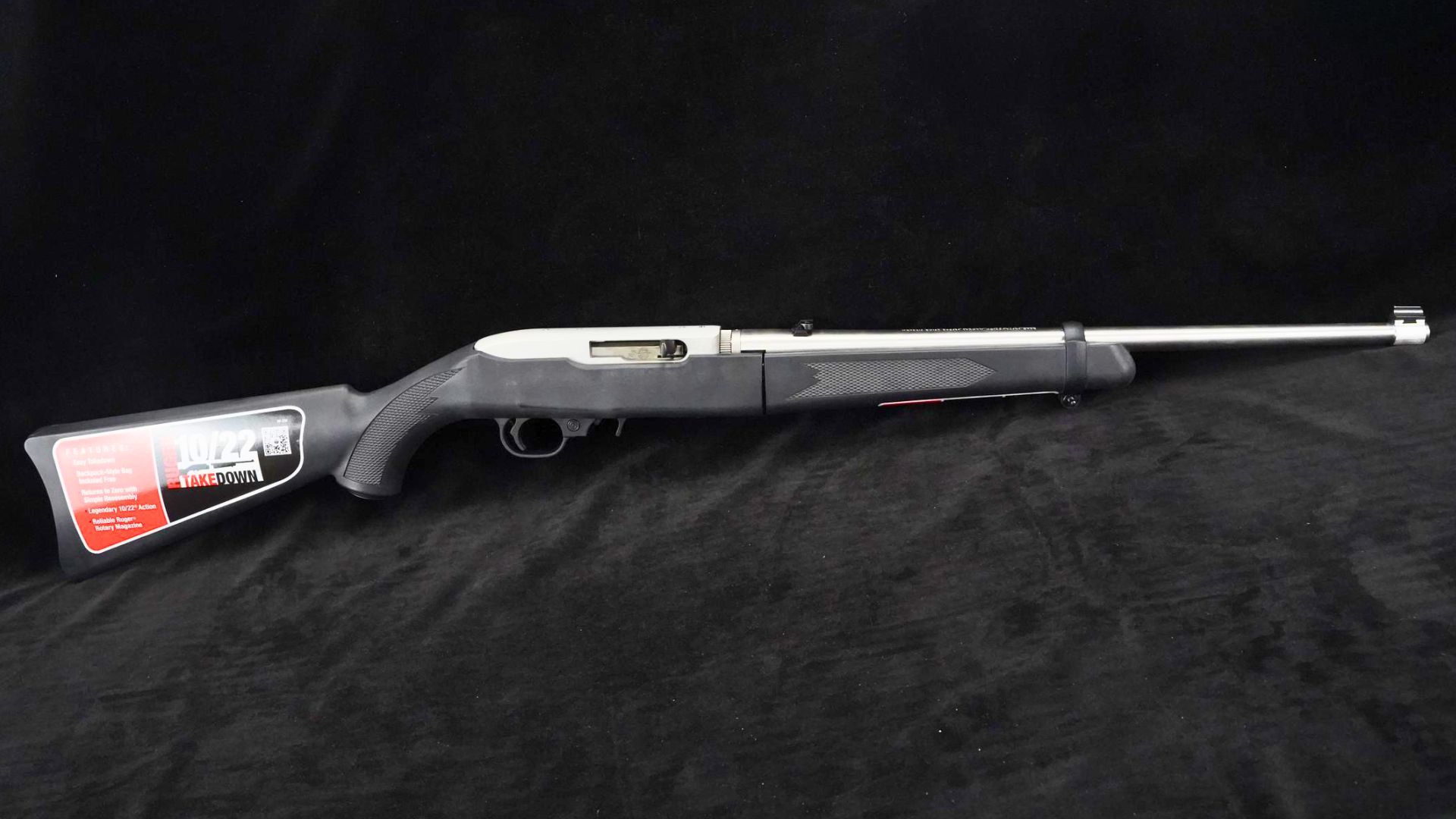
A Ruger 10/22 is the fastest way to build real skill without bleeding your wallet. The controls are straightforward, recoil is nearly nothing, and the rifle teaches you sight picture and trigger control instead of flinch management. The 10-round rotary magazine is compact and reliable, and the gun is forgiving when your hold and follow-through aren’t perfect yet.
The other reason it dodges regret is support. Magazines, stocks, sights, and small parts are everywhere, and almost any range has someone who knows how to keep one running. Start with the basic carbine, shoot it a lot, and you’ll own a training tool that still has a place even after you move to centerfires. If you ever take a class, odds are the instructor has seen every 10/22 issue and fix already.
CZ 457 American

The CZ 457 American is a rimfire bolt gun that feels like a grown-up rifle from the first shot. The action is smooth, the trigger is usually clean, and the stock geometry makes it easy to settle in behind the sights. It teaches you follow-through and wind calls without the noise and recoil that can hide sloppy fundamentals. The bolt throw is short and smooth, so you learn to run a rifle without breaking your position.
Where it saves you from regret is accuracy without tinkering. Feed it good .22 LR ammo and it will reward you with honest groups, even from field rests. It also transitions well into hunting small game, because it carries nicely and balances like a centerfire sporter. When you’re ready to upgrade glass, the rifle is worthy of it.
Henry Classic Lever Action .22 (H001)

The Henry H001 gives you lever-gun handling without centerfire expense. It’s quick to load, light to carry, and the sight radius makes fundamentals feel natural. A lot of new shooters relax behind a lever gun faster than they do behind a semiauto, which matters when you’re learning to call your shots.
It’s also a rifle you’ll actually bring. It rides in a truck, it goes to camp, and it doesn’t punish you for burning through a brick of .22 on a Saturday. The tube magazine is slower than detachable mags, but it’s reliable and keeps the rifle slim and tidy. If you take care of the action and keep it lightly oiled, it will run for a long time. It also teaches you to manage a manual action at speed, which carries over to bigger lever guns later.
Mossberg 500 Field/Security
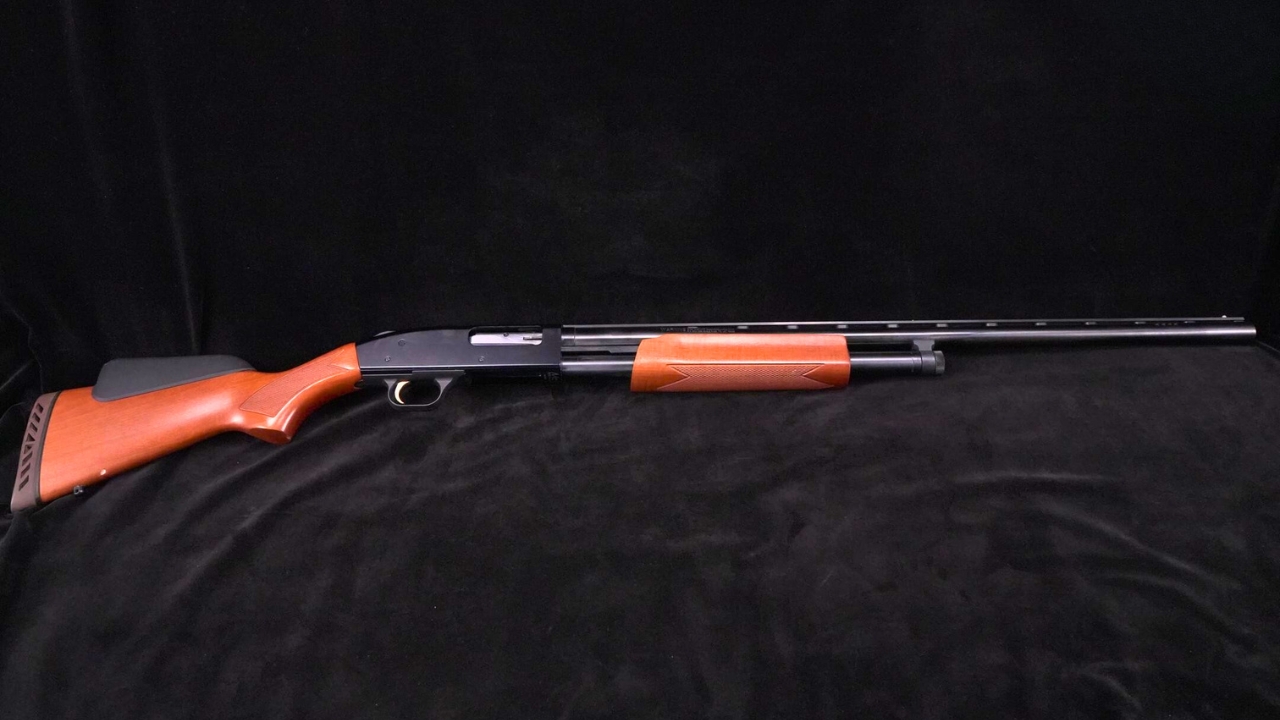
A Mossberg 500 is a smart first long-gun buy because it can cover multiple jobs with one receiver. A field barrel gets you into birds, a shorter barrel handles home defense, and the pump action doesn’t care if you’re feeding it bargain loads or premium buckshot. The tang safety is easy to use from either shoulder, which helps new shooters stay consistent.
The 500 also keeps you out of the upgrade trap. You don’t need an optics cut, a trigger job, or a new stock to make it useful. Learn to run the safety and pump stroke the same way every time, pattern your chosen loads, and you’ll have a shotgun that stays relevant even if your tastes change. Spend the time learning mount, cheek weld, and recoil control, and the gun will feel lighter and faster every season.
Remington 870 Wingmaster

The Remington 870 Wingmaster has been a workhorse for decades because it’s smooth, durable, and easy to keep running. The action cycles with a slick feel that helps you stay on rhythm, and the steel-and-wood build soaks up recoil in a way lighter budget pumps often can’t. It also points naturally, which matters on birds and clays. That smoothness matters when you’re learning to mount the gun and keep your eyes on the target.
Buyer’s remorse shows up when a shotgun feels rough, binds, or beats you up. A Wingmaster avoids a lot of that. Parts support is deep, barrels are plentiful, and the gun is straightforward to maintain. Keep it clean, don’t short-stroke it, and it’ll still feel like a proper tool long after the first “starter gun” phase is over.
Smith & Wesson M&P 2.0 Compact (4-inch)
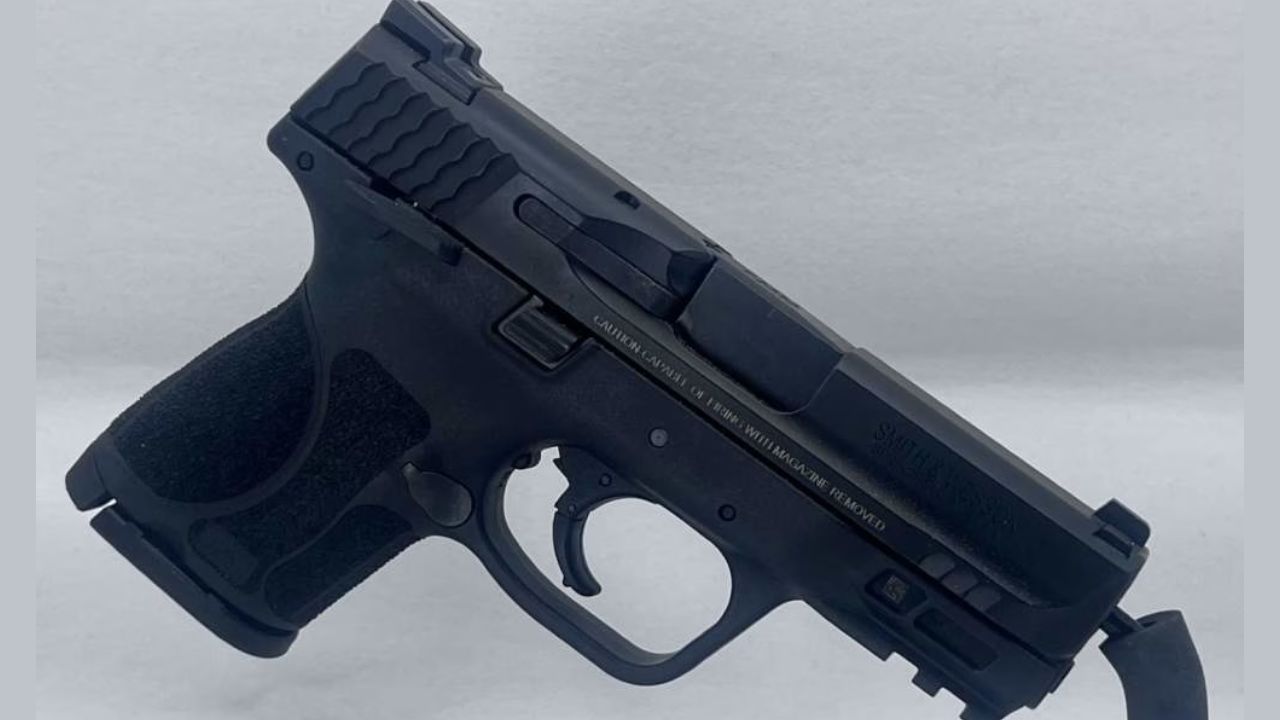
The M&P 2.0 Compact is a smart first handgun because it fits a lot of hands and doesn’t demand a perfect grip to run well. The 4-inch version balances carry and range use, the texture helps you hang on when your hands get sweaty, and the interchangeable backstraps let you tune the feel without chasing parts. In 9mm, practice stays affordable.
What keeps it from becoming a mistake is how common it is in the best way. Holsters, sights, and spare mags are everywhere, and the pistol has a long record in duty and defensive circles. You can learn on it, carry it, and keep it as your baseline even if you branch out later into smaller guns or metal frames. It’s also a great platform for learning good trigger prep and recoil control without fighting a tiny grip.
CZ P-10 C

The CZ P-10 C is one of those pistols that makes you feel steadier than you expected. The grip shape locks in, the trigger is usually crisp for a striker gun, and the recoil impulse is easy to track when you start shooting faster. It’s also built to be used hard, not babied, with a reputation for running through varied ammo without drama.
Where it avoids buyer’s remorse is value. You often get duty-level performance without paying boutique prices, and the gun behaves like it wants to be shot a lot. Set it up with a quality belt holster, add a weapon light if that’s part of your plan, and spend your money on training and spare magazines. The P-10 C rewards good work at the range.
Walther PDP Compact

The Walther PDP Compact is a strong first pistol for shooters who care about grip and sight acquisition. The ergonomics are excellent, the slide serrations are aggressive, and the gun points naturally when you’re presenting from the holster. The trigger feel is also consistently good for a modern striker pistol, which helps you learn a clean press instead of fighting the gun.
It earns its keep on long range days because it’s easy to drive and easy to control. You can work fundamentals at a slow pace, then push speed without the pistol feeling unpredictable. The PDP isn’t the cheapest option in the case, but it’s the kind of buy that keeps you practicing because the gun feels cooperative and consistent. When you’re still building reps, a pistol that tracks predictably keeps your practice productive instead of frustrating.
Ruger Mark IV 22/45

A Ruger Mark IV 22/45 is one of the best “first pistols” you can own even if you plan to carry a 9mm later. It lets you practice sight tracking, trigger control, and transitions with low recoil and low cost. The grip angle is familiar to many shooters, and the pistol stays stable even when you start pushing tempo on steel. Because the gun is so steady, you can see your mistakes clearly and fix them faster.
The Mark IV also dodges the frustration that older rimfire pistols can bring. The one-button takedown makes cleaning approachable, which matters because .22 ammo is dirty and rimfire guns get sluggish when they’re neglected. Buy a handful of magazines and run it hard. It’s a training machine that pays you back every trip to the range.
Ruger GP100 (4.2-inch)

The Ruger GP100 is a strong first revolver buy because it’s built like it expects to be used. The 4.2-inch model gives you a useful sight radius, enough weight to tame recoil, and a cylinder that handles full-power .357 Magnum without feeling fragile. With .38 Special, it’s calm and approachable for long practice sessions.
A GP100 saves you from regret by being hard to outgrow. You can learn double-action fundamentals, carry it in the woods, and keep it as a reliable backup when semiautos get finicky or you want something that’s indifferent to magazine issues. It’s also easy to maintain, and the design holds up well when you’re actually putting rounds through it. The weight and balance also make it a surprisingly good range gun when you want to practice for hours.
Smith & Wesson 686 Plus (4-inch)
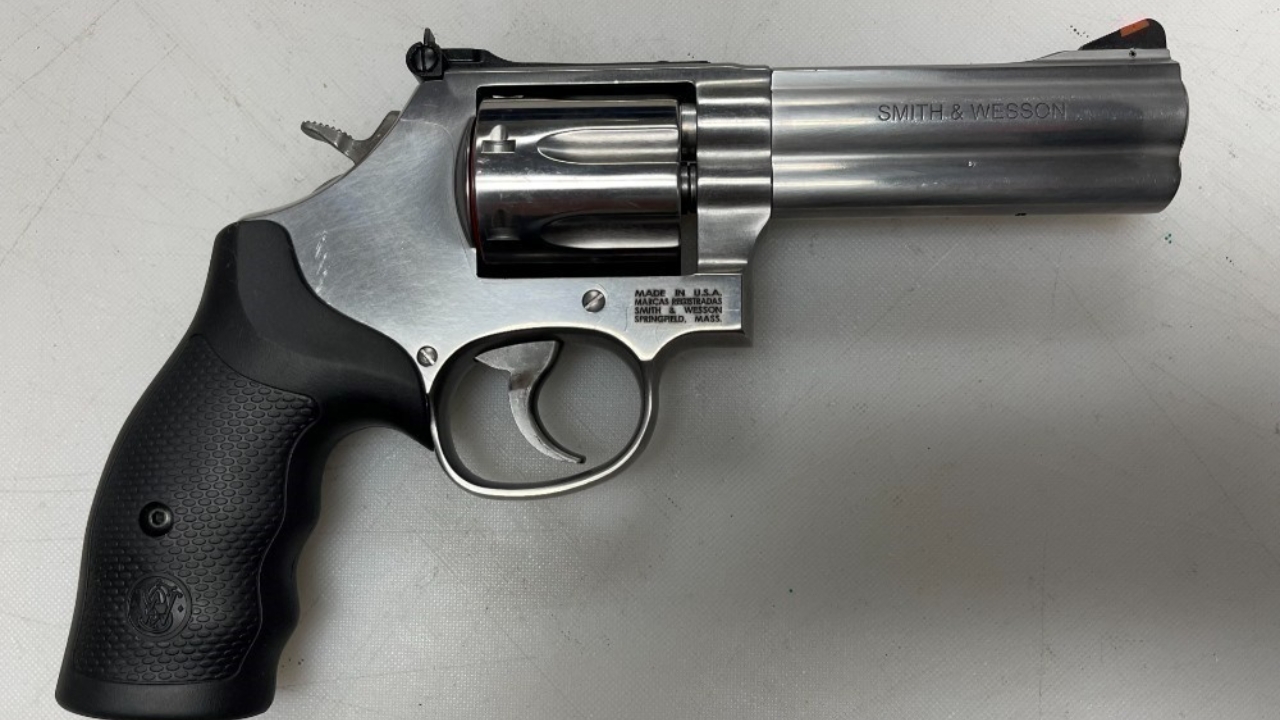
The Smith & Wesson 686 Plus is a revolver that feels refined without being delicate. The L-frame size and full underlug add weight where it counts, so the gun stays flat with .38s and remains manageable with .357. The seven-shot cylinder is a practical perk, and the adjustable sights make it easy to zero to your load. You’ll notice less muzzle jump than you’d expect for a revolver in this power class.
For a first-time buyer, the 686 Plus is a confidence builder. The trigger tends to smooth out with use, the balance is steady, and the gun has a long reputation for durability. Treat it like a training revolver, not a safe queen, and it will keep delivering accuracy and control as your double-action work improves. It’s a classic that still earns its spot.
Ruger American Ranch (5.56 NATO)

The Ruger American Ranch in 5.56 NATO is an easy way to step into a handy bolt gun without spending premium money. The short barrel makes it quick in tight places, recoil is light, and the magazine system is widely supported. Many versions come threaded, which gives you flexibility later if you run a brake or a suppressor.
It also keeps you from buying the wrong first “hunting” rifle. With good loads it works for predators and varmints, and it’s a solid trainer for bolt-gun handling and field shooting. The accuracy is usually more than adequate for real use, and the rifle is friendly to new shooters who want a compact setup that still behaves like a rifle, not a toy. It’s a practical choice when you want one rifle that’s easy to feed, easy to carry, and easy to shoot well.
Tikka T3x Lite

The Tikka T3x Lite is the rifle you buy when you want to start with quality instead of upgrades. The action runs smooth, the factory trigger is typically excellent, and the barrel work is consistently good. In common chamberings like .308 or 6.5 Creedmoor, it’s a legitimate big-game rifle that doesn’t fight you when you’re trying to learn dope and position work.
Where it saves a new buyer is consistency. You aren’t battling a rough bolt, a gritty trigger, or a stock that shifts under sling tension. Mount solid rings, pick a dependable scope, and go hunt. The T3x Lite carries easily, shoots accurately, and holds its value well because experienced hunters know what it is when they see it. If you keep your scope mounting solid and your ammo consistent, the rifle gives you nothing to second-guess.
Smith & Wesson M&P15 Sport II

The M&P15 Sport II is a good first AR because it’s mainstream, proven, and supported. It gives you the baseline manual of arms you’ll see everywhere, it takes standard magazines, and it’s easy to maintain. In 5.56, it’s a low-recoil way to build speed on targets while learning safe handling and consistent reloads. The controls and layout are familiar, which makes learning safer and faster when you’re new to the platform.
It avoids buyer’s remorse because you don’t have to “build” it to make it run. Keep it lubricated, use quality magazines, and stick with reliable ammo, and it will do what an AR should do. Add a sling and a white light and you’re set for practical use. The Sport II is plenty of rifle for training and general-purpose work.
Ruger PC Carbine
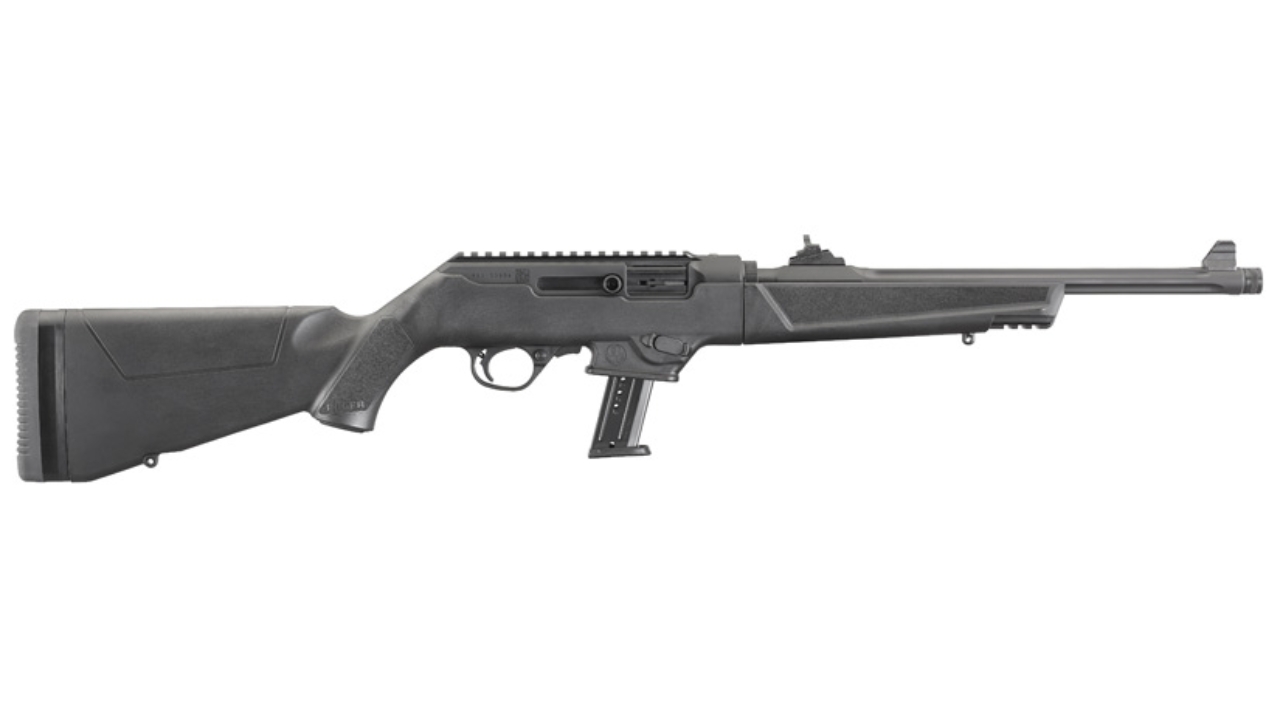
The Ruger PC Carbine is a first-time buyer’s friend because it’s soft shooting, practical, and easy to run well. A 9mm carbine gives you more stability than a handgun, better accuracy at distance, and cheaper practice than most rifle calibers. The takedown design makes it easy to transport and store, and the weight helps keep the gun calm on rapid strings. It also tends to run cleanly and stay controllable when you’re working drills that would be tiring with a full-power rifle.
It’s hard to regret because the gun fills gaps. It’s a solid home-defense option with the right setup, it’s fun on steel, and it lets new shooters learn movement and transitions without heavy recoil. The PC Carbine also plays well with common pistol magazines, so you can build a clean setup without juggling a pile of oddball gear.
Like The Avid Outdoorsman’s content? Subscribe to our newsletter so you never miss an article.
Here’s more from us: