Photo credit: AI-generated image created using ChatGPT. Illustrative only.
Most folks don’t think twice about loading up for a range day. But for one homeowner in a deed-restricted neighborhood, stepping outside with a few long guns turned into an HOA power play that tried to reach all the way into his gun safe. The details came from the original post, and they read like a reminder that some boards will push until somebody pushes back.
The homeowner said he was loading several firearms into his trunk while open carrying—an AR, an AK, a CETME, and a Kriss-style firearm—because he didn’t want to take chances while moving “several thousand worth” of guns. Somebody reported him, and not long after, the HOA came knocking with “inspection” on their mind.
A normal range trip turned into an “inspection” request
According to the homeowner, the HOA claimed he was spotted with “Several assault rifles,” then issued a notice saying they wanted to inspect the property. That alone puts a lot of folks on edge, because “inspection” can mean anything from checking paint and fences to prying into private property that isn’t any of their business.
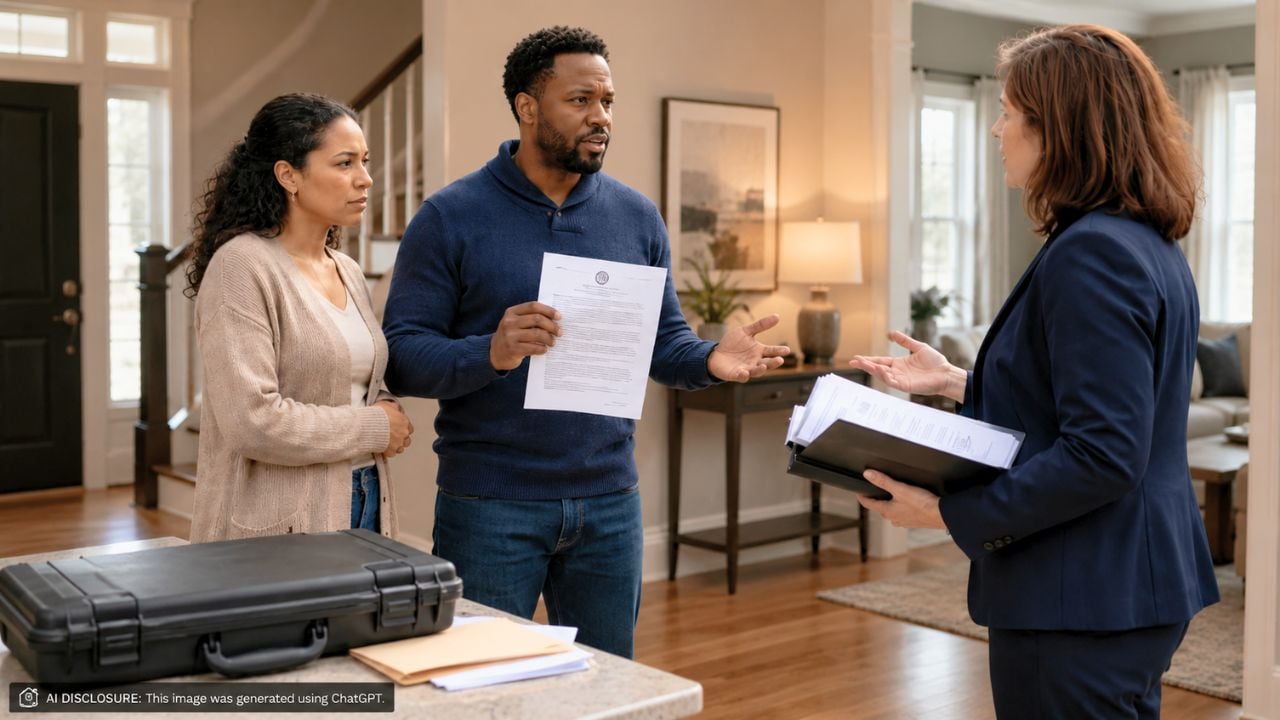
When the HOA reps arrived, the homeowner said they wanted him to open his gun safe. He complied to avoid confrontation, but the tone didn’t improve. One HOA person reportedly told him he’d need to “get rid of these weapons.”
The HOA didn’t stop at a warning—they changed the rules
The homeowner’s response was straightforward: he laughed and told them they had no right to demand he get rid of anything, and that there were no existing CC&Rs covering firearms. In other words, they were making it up as they went.
Instead of backing off, the HOA went the other direction. He said they drafted firearms restrictions and voted them in at the next meeting. After that, he received two notices ordering him to remove all firearms from his home, which is about as intrusive as it gets for a neighborhood association.
Signs went up: “gun-free zone” messaging at neighborhood entrances
Then came the part that felt like a pressure campaign. The homeowner said the HOA posted 30.06 and 30.07 signs at entrances to the neighborhood, at the community pool, and even at both ends of each block. They also sent him a flyer stating the neighborhood was a gun-free zone.
If you’re from Texas—or you’ve spent time hunting and traveling there—you’ll recognize those sign numbers immediately. They’re tied to how licensed carry is restricted on certain properties. But slapping those signs all over an entire neighborhood is a whole different animal than posting them at a private business door. It’s the kind of move that’s meant to intimidate, confuse people who don’t know the fine print, or both.
When he tried to speak, the meeting shut him down
At the next HOA meeting, he showed up to address it directly. When he stood to speak, he said he was “kindly asked to sit down” because the board had “discussed the firearm rules to death” at the last meeting. He refused to sit down and said he was then asked to leave.
That’s a familiar tactic in HOA fights: run the vote through when it’s convenient, then treat homeowner input like a nuisance afterward. Whether it’s a fence line, a chicken coop, or a firearm policy, the board is betting most people won’t have the time—or the patience—to keep showing up.
State preemption is where HOAs often run out of road
The big reason this kind of rule can fall apart is state firearms preemption. In plain language, preemption means the state sets the rules, and local entities (and sometimes quasi-local entities) don’t get to invent their own patchwork regulations that are stricter than state law.
The homeowner’s situation also highlights a practical point: an HOA may control common areas and enforce certain covenants, but that doesn’t automatically give them authority to ban lawful gun ownership inside someone’s home. A board can vote on a lot of things, but a vote doesn’t magically make it enforceable—especially when state law says they’re out of bounds.
Even without getting into a deep legal weeds, the common-sense question is simple: if your state protects firearm possession and restricts local regulation, an HOA trying to ban every resident’s guns across the entire property footprint is picking a fight it may not be allowed to pick.
The “toothless rule” problem: warnings today, leverage tomorrow
In an update, the homeowner said he learned the HOA’s provisions were “toothless” because there was no real penalty schedule attached. As he put it, the most they could do was issue a written warning and “suggest” a monetary payment—compliance was essentially voluntary.
But he also flagged the part that matters to anyone who’s owned a home in a restrictive neighborhood: even toothless rules can become a paper trail. He’d been told it could be used against a homeowner later if the HOA ever tried to escalate a dispute—painting it as a “history of disregarding the rules.” Whether that argument would hold up is another question, but the concern is real. HOAs love documentation, and some boards will stack notices like cordwood.
Practical moves that actually help in an HOA gun dispute
This is where outdoorsmen tend to do better than most—because we’re used to handling problems with a little planning instead of impulse. First, document everything. Save every notice, flyer, and photo of posted signs, and write down dates and names while it’s fresh. If it turns into a formal dispute, “I remember” doesn’t carry like “here’s the letter dated ____.”
Second, separate common areas from private property. An HOA may have more say over a pool, clubhouse, or HOA-owned building than it does over what’s locked in your safe inside your home. Even if you’re well within your rights, it’s smart to avoid turning routine gun handling into a neighborhood spectacle. That doesn’t mean being ashamed of lawful ownership—it means not giving busybodies easy fuel.
Third, get eyes on the actual governing documents and state law that applies. The homeowner said there were no CC&Rs regarding firearms before the board created them. That detail matters. It’s one thing for an HOA to enforce an existing covenant you agreed to at purchase; it’s another to try rewriting the relationship after the fact in a way that conflicts with higher law.
Finally, use the most effective tool most HOAs fear: organized homeowners. The homeowner said he’d already spoken with two gun-owning neighbors, and they were on board with getting more gun owners on the HOA board. That’s not chest-thumping—that’s how you fix the root problem. A board that ignores residents can’t ignore election math.
At the end of the day, the outdoors crowd isn’t looking for conflict. We just want to hunt, shoot, fish, and protect our homes without somebody’s committee treating lawful firearms like contraband. When an HOA tries to swing a ban that broad, state law and homeowner pushback are usually where the line gets drawn—and sometimes the most important thing you can do is show up, bring receipts, and make sure the board doesn’t get the last word by default.