Photo credit: The Avid Outdoorsman
A landowner’s family said they were dealing with a problem that sounded harmless at first, but became more serious once the details came out.
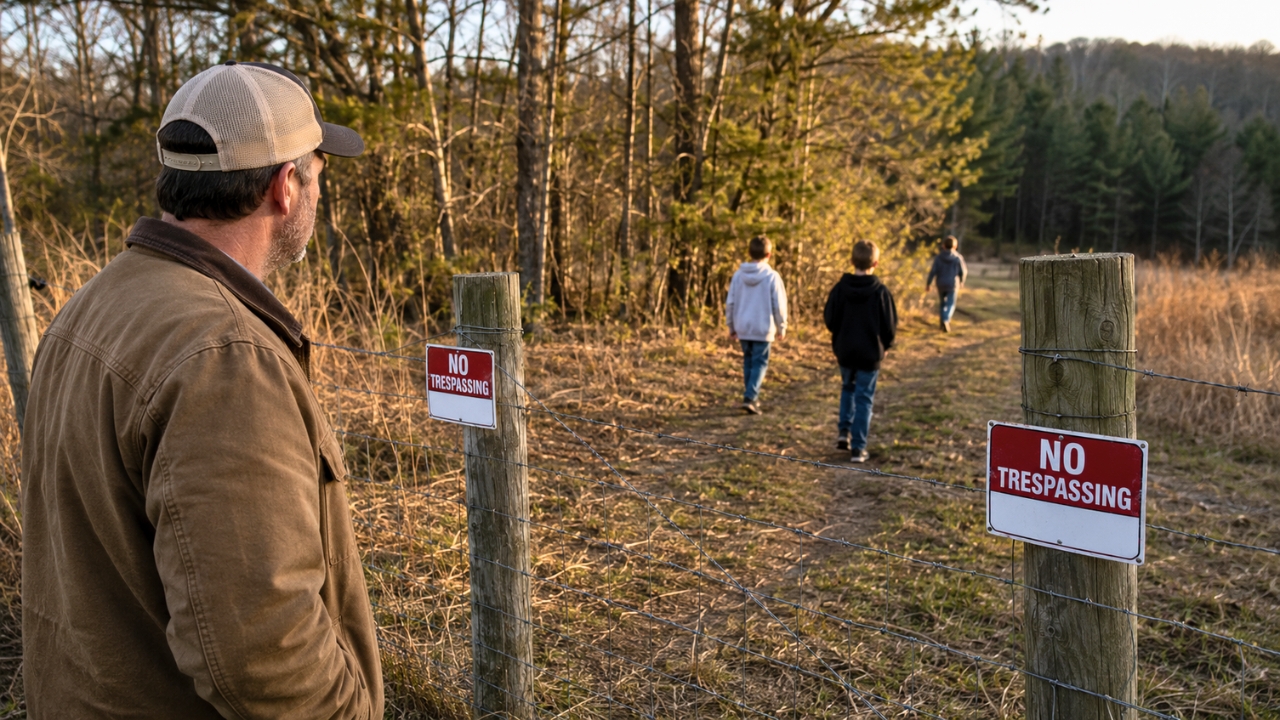
According to the Reddit post, the poster’s father owned a piece of property that was clearly marked with no-trespassing signs. The land was not just an empty backyard or a patch of woods nobody used. It was land where the family hunted.
That mattered because neighborhood kids were allegedly coming onto the property anyway.
The poster described the situation in a Reddit thread and asked what the family could do to keep the kids off the land before someone got hurt: https://www.reddit.com/r/legaladvice/comments/6t4kfj/neighbor_kids_keep_coming_on_my_dads_property/
The land was posted for a reason
No-trespassing signs are easy for people to ignore until something goes wrong.
In this case, the family’s concern was not just privacy. It was safety. The property was used for hunting, which meant there could be blinds, stands, shooting lanes, trails, and people moving through the area with firearms during season.
That is not a place for random kids to wander around without the landowner knowing.
The poster said the signs were already up, which made the situation more frustrating. The family was not relying on some invisible boundary line. They had taken steps to make it clear the land was not open.
But the kids kept coming anyway.
The family worried about liability
One of the biggest concerns was what might happen if one of the kids got hurt.
That is the nightmare scenario for a lot of landowners. Someone comes onto the property without permission, ignores signs, gets injured, and then the owner still has to worry about being blamed.
The poster’s family seemed to understand that simply saying “they should not have been there” might not make the problem disappear.
That is why they wanted to know what steps to take before something happened. The goal was not to punish kids for wandering around. It was to stop the behavior before a hunting property turned into an accident scene.
Commenters said the parents needed to be warned clearly
A lot of commenters focused on the parents.
Kids may not fully understand the risk, especially if they see the woods as a place to play. Their parents needed to know the land was private, posted, and used for hunting.
Several people suggested sending a written warning or certified letter to the parents. That way, if the kids came back later, there would be proof that the parents had already been told.
That kind of documentation matters. A casual conversation at the mailbox can be denied or forgotten. A dated letter is harder to ignore.
It also gives the parents a clear chance to fix the problem before law enforcement gets involved.
Calling law enforcement was also on the table
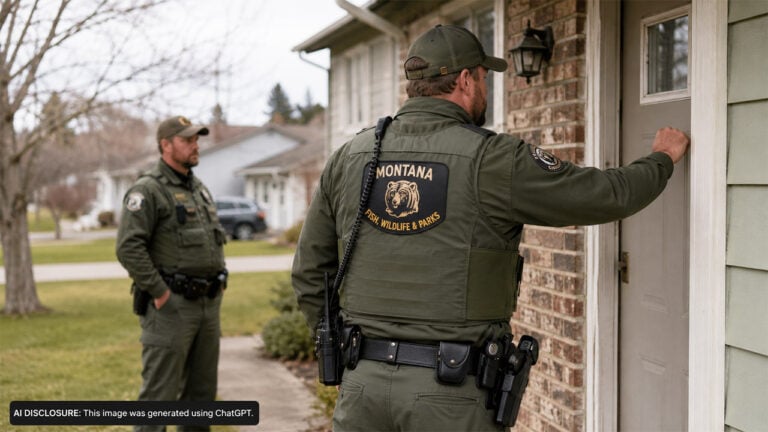
Commenters also told the family to consider contacting the sheriff or local police.
That does not mean demanding the harshest possible response against children. It means creating a record that trespassing is happening and that the property owner has asked for help stopping it.
If the kids kept coming back after the parents were warned, the family would have a stronger case for involving authorities again.
Some commenters suggested calling every time the kids were seen on the property. Others recommended starting with a non-emergency report so the family could ask how local law enforcement wanted them to handle repeat trespassing by minors.
The common theme was documentation. Do not wait until there is an injury to start building a record.
Trail cameras could help prove the pattern
As usual with rural land issues, trail cameras came up as a practical option.
A camera near the access point could show when the kids were coming in and whether they were alone, with friends, or entering from a particular neighbor’s yard.
That matters because a landowner can say “they keep trespassing” all day, but photos make it much easier to show the pattern.
Cameras could also help the family avoid direct confrontation. Instead of chasing kids through the woods or getting into arguments with parents, they could gather proof and hand it to the proper people.
For a hunting property, that is usually the smarter move.
The hunting angle made it different from normal trespassing
Plenty of kids cut across yards or explore wooded areas. That does not make it okay, but most of the time it does not involve an obvious safety issue.
A hunting property is different.
During hunting season, there may be people in stands who are focused on deer movement. There may be shots fired. There may be equipment kids could climb on or mess with. Even outside of season, there can be hazards in the woods that the owner understands better than a child wandering around.
That is why the poster’s family wanted the trespassing stopped before it became a tragedy.
The signs were not just about keeping people out. They were about making sure nobody stumbled into a place where they did not belong.
Commenters warned not to use traps or dangerous deterrents
In threads like this, someone will usually bring up ideas that sound satisfying but are terrible in real life.
Commenters made it clear that the family should not set traps, create hidden hazards, or do anything designed to hurt trespassers. Even when people are on land without permission, setting up dangerous deterrents can create serious legal trouble for the property owner.
The safer options were boring but useful: signs, fences where practical, written warnings, cameras, police reports, and direct contact with the parents.
That advice may not feel dramatic, but it keeps the landowner from becoming the bigger legal problem.
Better signs could help remove excuses
The property already had no-trespassing signs, but commenters still suggested making sure they were placed well and easy to see.
That means signs at common entry points, along paths, near property lines, and anywhere someone might claim they did not know they were crossing onto private land.
If hunting happens on the property, signs warning that the land is used for hunting could also get parents’ attention more quickly than a standard no-trespassing sign.
A parent might shrug off a kid cutting through the woods. They may react differently if they realize their child is wandering around an active hunting area.
The issue was preventable
The frustrating part of the story is that the family was trying to prevent a problem before it happened.
They were not reacting after an injury. They were not trying to make headlines out of kids being kids. They were looking at a posted hunting property and saying, correctly, that children should not be wandering around there without permission.
The practical advice was clear: notify the parents in writing, document the trespassing, consider trail cameras, keep the property well posted, and involve law enforcement if the warnings do not work.
For landowners, that may feel like a lot of effort just to keep people off land that already belongs to them. But when kids are wandering onto hunting property, waiting until something goes wrong is the worst possible plan.
Like The Avid Outdoorsman’s content? Subscribe to our newsletter so you never miss an article.
Here’s more from us: