Photo credit: Lucky Gunner Ammo/Youtube
Compact pistols are supposed to be the easy answer. Toss one on your belt, forget it’s there, and still have something you can run hard if the day turns sideways at the gas station or in a dark parking lot. The problem is, once you’ve carried for a while, you start noticing the little stuff that the spec sheet doesn’t warn you about: weird recoil that beats your hands up, sights that snag, magazines that never quite behave, or a gun that’s “fine” until it’s filthy and you’re sweaty and you need it to be boringly reliable.
What follows are twenty compact handguns I’ve watched experienced carriers move on from. Not because they’re all junk, and not because every one of them will fail you. More often, it’s because daily carry has a way of stripping away the romance. You end up keeping what’s comfortable, dependable, easy to feed, and easy to live with.
1. SIG Sauer P365 SAS
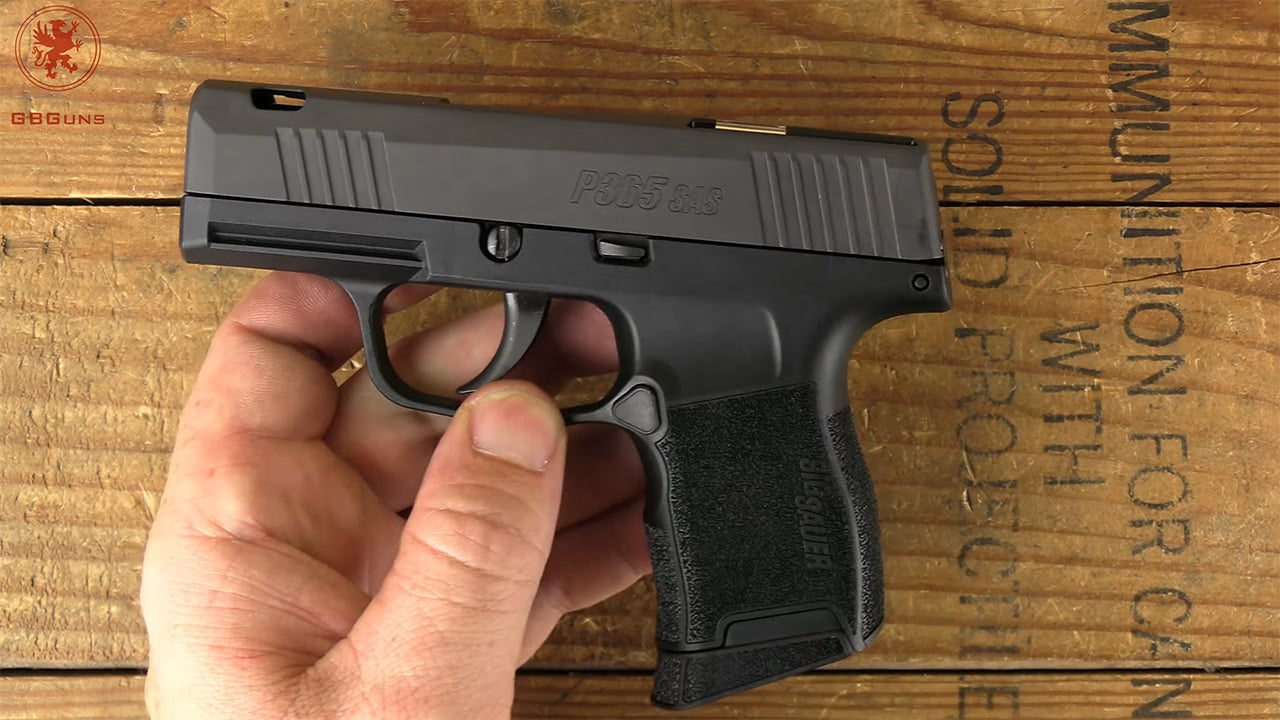
On paper, the “no-snag” idea sounds great. In real life, that flush slide and the embedded bullseye sight can be a headache when you’re trying to pick up the dot fast under real lighting. Indoor range lanes and perfect targets don’t tell the whole story.
Plenty of folks liked the concept and then realized they were slower on follow-up shots, especially when their eyes were tired or the target wasn’t high-contrast. The standard P365 with normal sights (or an optic cut) just ends up being more practical.
2. Glock 43
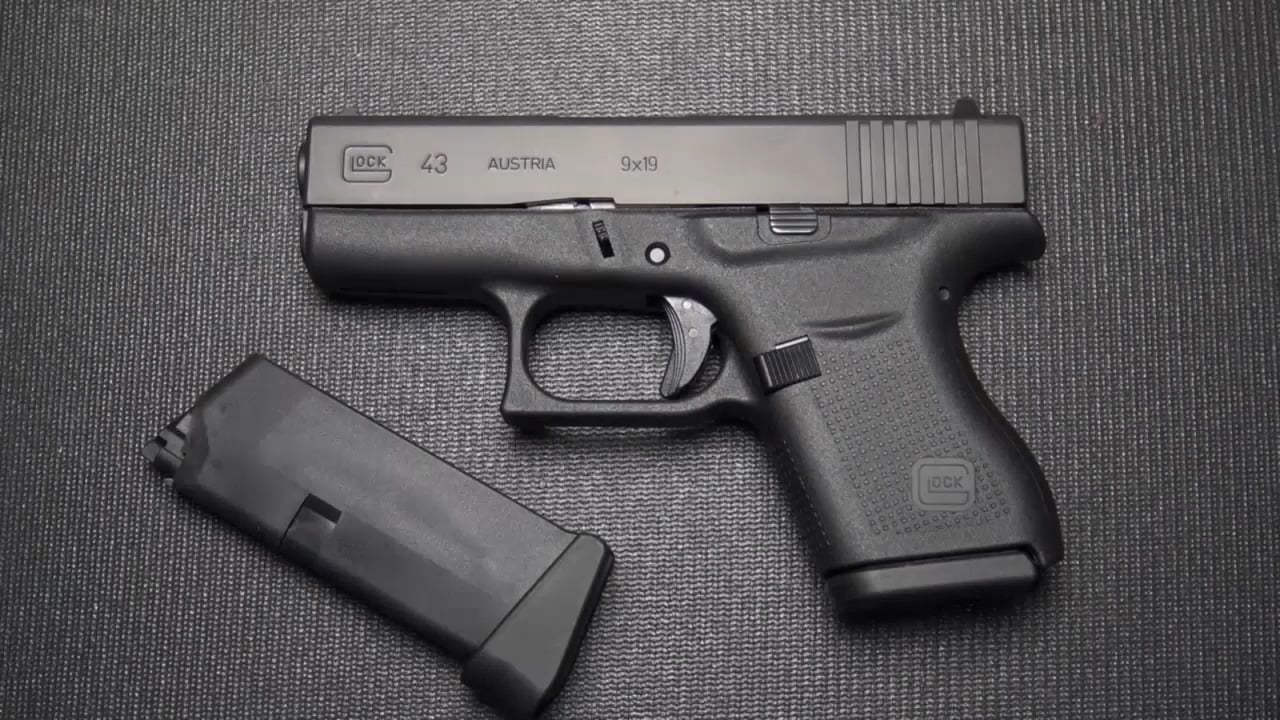
The Glock 43 carried nice and flat, and for a long time it was the answer for “I want a Glock, but smaller.” Then the market filled up with higher-capacity micro-compacts that didn’t get any harder to conceal. That’s when the 43 started getting traded off.
It’s also a gun that can feel a little jumpy for its size, and the short grip makes some shooters feel like they’re hanging on with fingertips. Ask me how I know. A lot of carriers ended up in a 43X or 48 just to get a fuller grip and more control.
3. Glock 43X

This one surprises people because it’s genuinely good. The reason carriers ditch it usually has nothing to do with reliability and everything to do with width and concealment. It’s not thick like a double-stack brick, but it’s not as slim as some expect once they start dressing around it.
And if you’re trying to keep everything factory-simple, the 10-round capacity can feel “almost there” when other options give you more without getting bigger. A lot of 43X owners end up back in a standard micro-compact, or they go the other way into a compact double-stack and stop trying to split the difference.
4. Springfield Armory Hellcat

The Hellcat does a lot right, but it has a personality. The grip texture is aggressive, which is great for control and not so great for bare skin in July. If you carry against your body all day, you notice.
I’ve also seen shooters who never quite warmed up to the trigger feel. Not “bad,” just not what they want in a small gun that already takes more attention to run well. Many end up switching to something that points softer for them, even if it’s slightly bigger.
5. Ruger LCP II

The LCP II is the definition of “better than nothing,” and I don’t mean that as an insult. It’s light, disappears in a pocket, and it’s easy to keep around. But it’s also a gun that reminds you you’re shooting a pocket .380 the moment you touch it off.
A lot of carriers eventually move away because they finally admit they don’t practice enough with it. Tiny sights, tiny grip, snappy feel. They go to a slightly larger .380 or a small 9mm they’ll actually shoot more than a magazine or two at a time.
6. Ruger LC9 / EC9s

These were “good enough” workhorse single-stacks for years. Then the new generation arrived with better triggers, better sights, and more rounds in the same footprint. When that happened, the older LC9-style guns started feeling dated fast.
The long trigger pull on some models is what I hear about most. It’s not unsafe, it’s just not fun, and folks who train regularly get tired of fighting it. They don’t hate the gun; they just stop reaching for it.
7. Smith & Wesson M&P Shield (1.0)
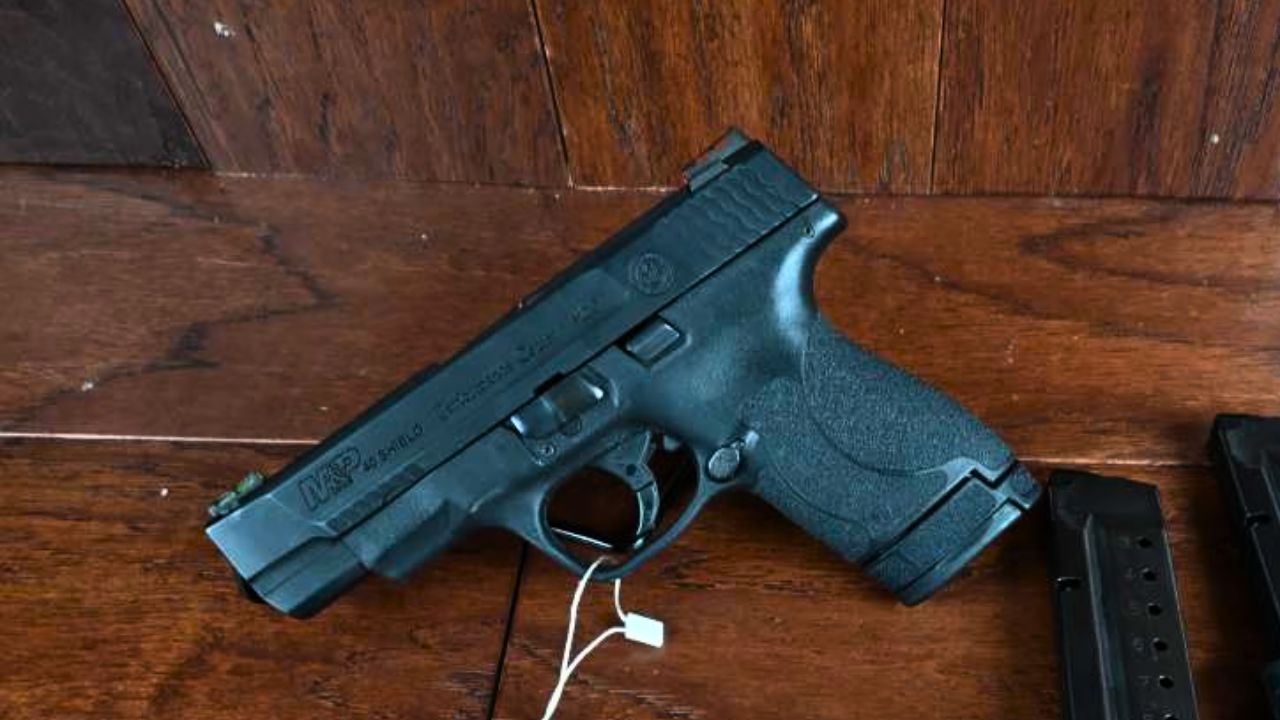
The original Shield earned its keep. The reason experienced carriers moved on is simple: the Shield Plus exists. Same basic idea, better trigger, more capacity, and it shoots flatter for many people.
Still, the old Shield is one I wouldn’t be quick to let go if it’s proven. Magazines are everywhere, holsters are everywhere, and it’s as straightforward as a claw hammer. But “better” has a way of kicking “good” out of a carry rotation.
8. Smith & Wesson Bodyguard .380

It’s small. It’s light. It’s also one of those guns that feels like it’s doing everything it can to wriggle out of your hand. The long trigger and tiny controls can be a real challenge if you’re trying to shoot accurately at speed.
Many folks replaced it with newer small .380s that have better sights and better triggers. The Bodyguard carried fine, but it didn’t encourage practice, and that’s a problem for something you’re trusting your life to.
9. Taurus G2C
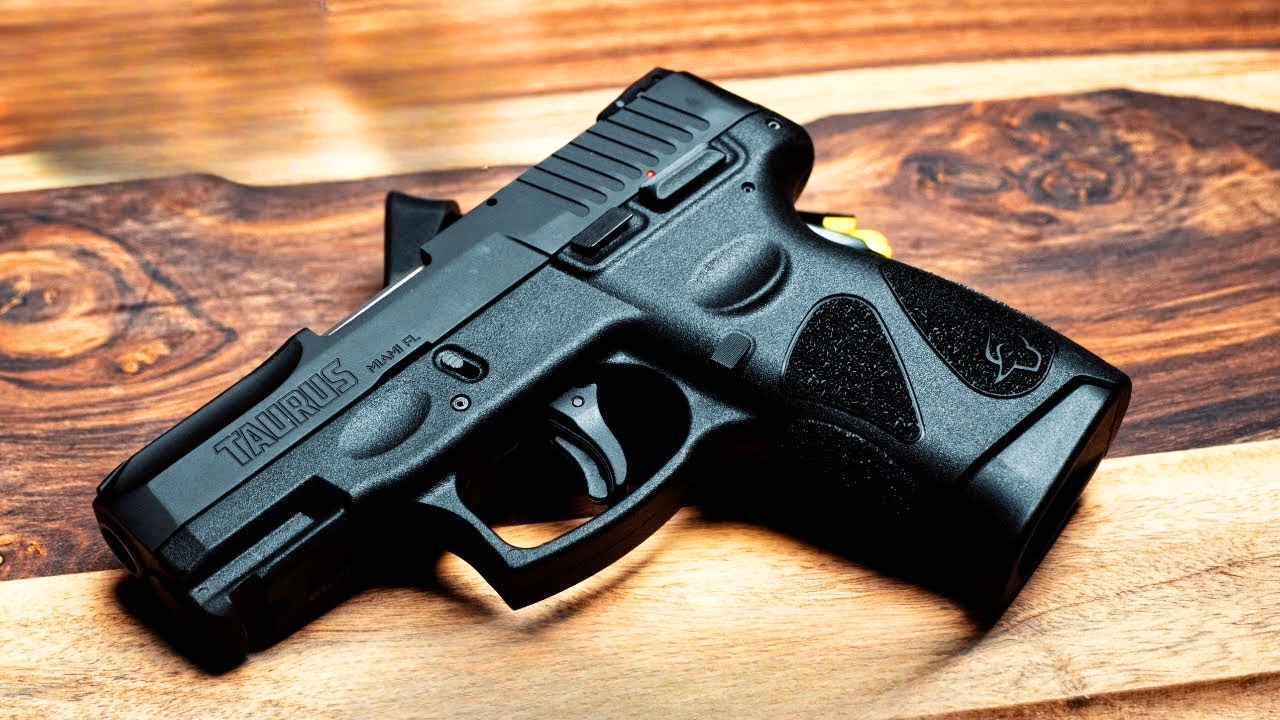
The G2C got popular because it was affordable and it generally worked. But “generally” isn’t the standard most long-time carriers settle for, especially when you start tracking round counts, magazine behavior, and small parts wear.
Another issue is consistency. One will run great, another will be picky, and that’s not a game everyone wants to play. People often graduate to something with a more predictable track record and stronger aftermarket support.
10. Taurus G3c
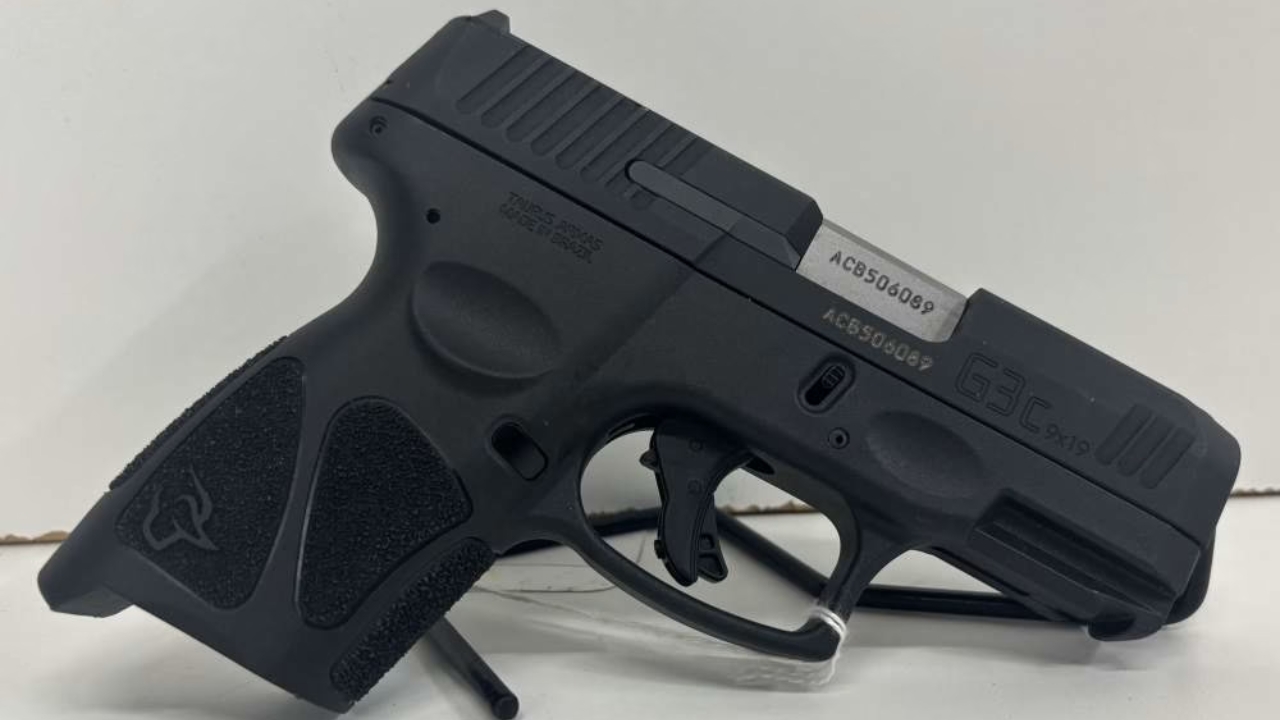
The G3c improved on the G2C in a few ways, but it still lives in that space where buyers are trying to save money on the one item that should be the least complicated purchase. When it runs, it runs. When it doesn’t, the frustration gets old.
I’ve watched folks carry it for a year, then finally buy the gun they wanted in the first place after spending money on extra mags, holsters, and range ammo trying to “make sure.” That’s not always the cheapest path.
11. Kimber Micro 9
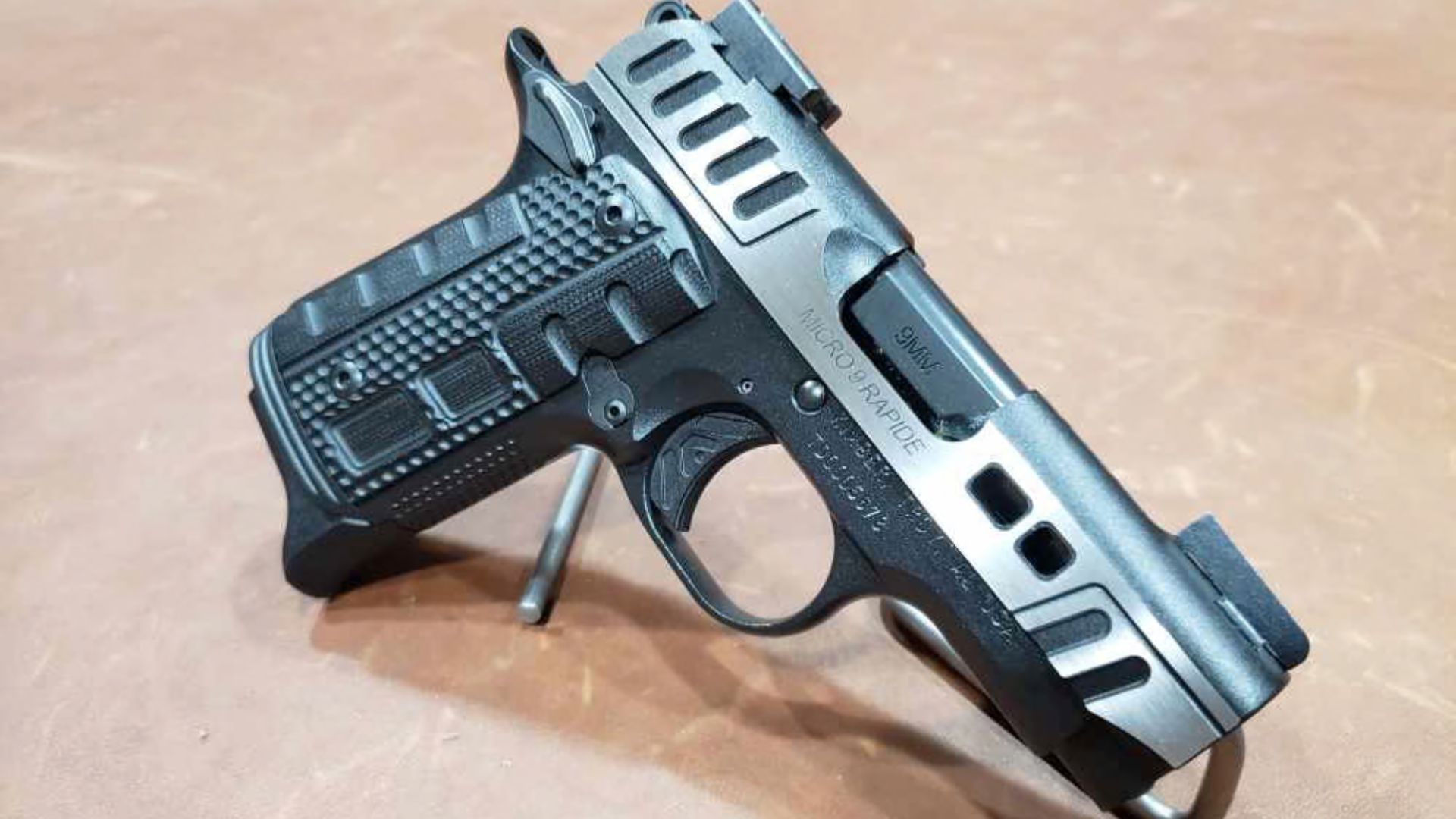
These are good-looking little pistols, and they feel great in the hand at the counter. In the real world, small 1911-style guns can be finicky about ammo, magazines, and maintenance. Not always, but often enough that experienced carriers take notice.
The other piece is cost. If you’re going to spend that kind of money, most folks want boring reliability and easy parts availability. Many switch to a modern striker-fired gun and stop trying to make a tiny 1911 their everyday tool.
12. Kimber Solo

The Solo had a moment. It was compact and classy, but it also developed a reputation for being picky and expensive to keep happy. When a carry gun starts coming with “rules,” it gets traded.
Even people who got a good one often tired of chasing the right ammo and dealing with limited support compared to mainstream options. Carry guns should be simple, and the Solo wasn’t simple for enough owners.
13. Walther PPS M2

The PPS M2 is a sweet-shooting single-stack that points naturally. The problem is, it lives in an awkward middle now. It’s bigger than the micro-compacts but doesn’t offer the same capacity as newer double-stack compacts.
Carriers who loved how it shot still found themselves wanting either more rounds or less bulk. A lot of PPS M2s end up as glovebox or nightstand guns because nobody is mad at them, they just aren’t the first pick anymore.
14. Beretta Nano

The Nano is one of those pistols that felt ahead of its time and then got passed up. The smooth profile is great for carry, but the trigger feel and the overall shootability don’t win many range days against newer designs.
Parts and mags aren’t as common as Glock or SIG stuff either, and that matters when you actually use the gun. Many owners eventually move to something with better sights, better support, and a more modern feel.
15. Remington RM380

The RM380 is a neat little .380 with a classic vibe. The trouble is availability and long-term support. When a brand’s handgun line gets messy over the years, people get nervous about parts, magazines, and service.
It’s also not the easiest .380 to run quickly compared to the latest pocket guns. A lot of carriers don’t ditch it because they hate it; they ditch it because they don’t want their daily carry to be a scavenger hunt.
16. Kahr CM9

Kahr made slim carry guns before slim carry guns were cool. The CM9 can be accurate and it carries very well, but the long, smooth trigger isn’t for everybody. If you’re used to a short striker trigger, it can feel like you’re pulling a boat anchor.
Some shooters also report a break-in period and occasional ammo sensitivity. Experienced carriers tend to prefer guns that run the same on day one as they do on day 1,000 without any rituals.
17. Kahr PM9
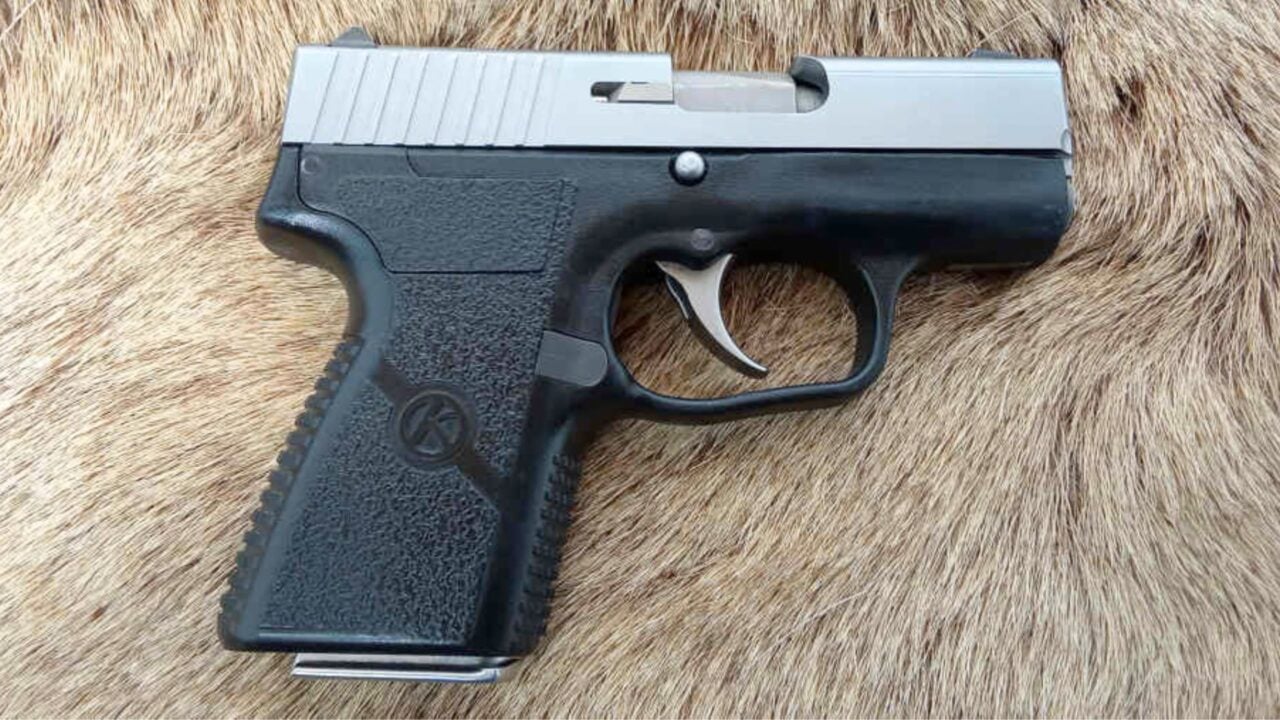
The PM9 is the CM9’s nicer cousin, and it’s a quality little pistol. The issue is that it’s expensive for what it is now, especially when you compare it to modern micro 9mms with higher capacity and easier-to-find magazines.
If you already own one that’s proven, it can still serve. But I’ve seen a lot of carriers sell them simply because they don’t want to pay premium money for yesterday’s feature set.
18. SIG Sauer P938

I like the P938 for what it is: a small, metal-framed 9mm that shoots better than most pocket-sized guns. But it’s still a small, single-action pistol with a manual safety, and that adds a training requirement some carriers decide they don’t want.
It’s also easy to shoot a lot and then realize you’d rather have more grip, more capacity, and less fuss. Many owners end up keeping it as a “dress gun” and carrying a striker-fired compact day to day.
19. CZ 2075 RAMI

The RAMI has a loyal following, and I get it. It’s got that CZ feel, and it shoots like a real pistol instead of a micro. The reason folks drift away is weight and thickness. Compared to modern compacts, it can feel like carrying a dense little block.
Then there’s the reality of discontinued models: magazines and parts can be more annoying to track down. Not impossible, just annoying. When you carry every day, “annoying” is usually enough to make you switch.
20. Glock 26
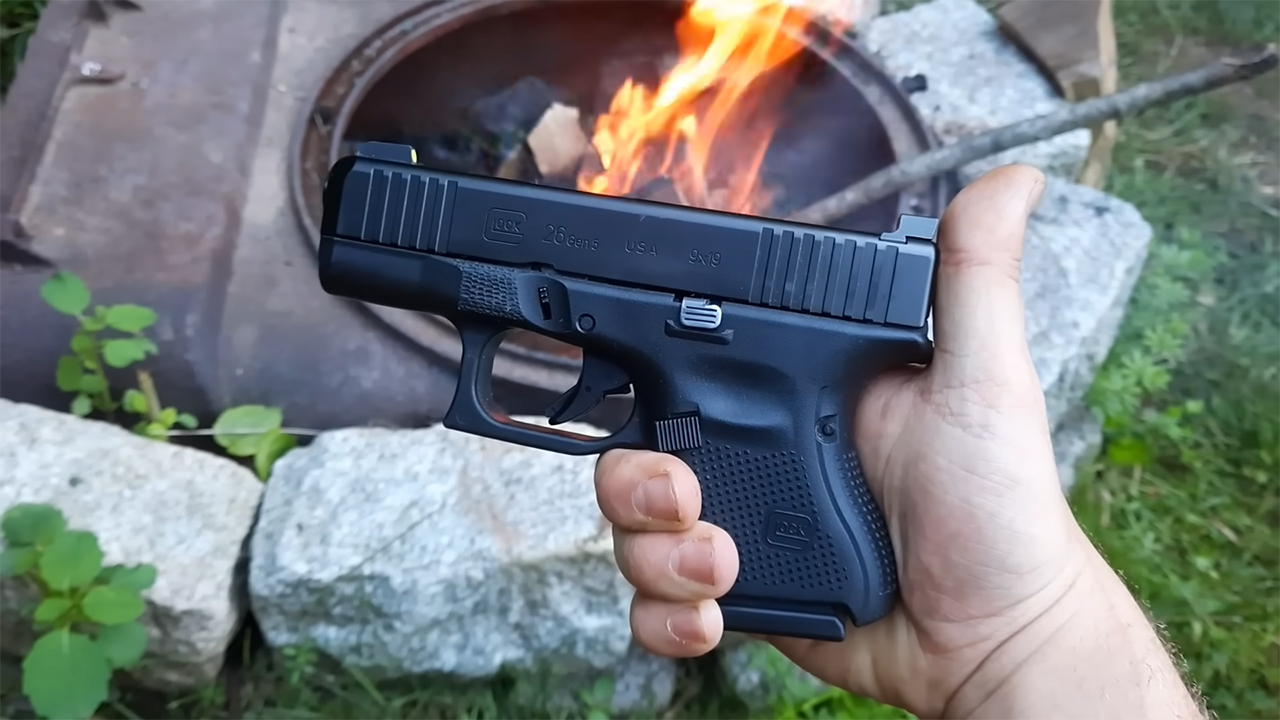
This one hurts, because the Glock 26 has probably saved more lives than the internet gives it credit for. It’s also thick, and thickness is what people notice when they’re bending, driving, climbing into a stand, or sitting on a tractor seat all day.
With today’s slimmer high-capacity options, some carriers decide they’re done lugging the “baby brick.” Still, the 26 remains one of the most forgiving small guns to shoot well, and it runs dirty, wet, cold, and neglected better than most. A lot of folks sell it, then quietly buy another later.
The common thread with all of these isn’t that they’re unusable. It’s that daily carry is a long game, and your patience gets shorter the more you train. The pistol that stays on your belt is usually the one that fits your hand, fits your life, and doesn’t require you to make excuses for it. If you’re shopping, the smartest move is simple: handle a bunch, shoot a bunch, and pick the one you’ll actually carry when it’s hot, when you’re tired, and when you’re just running to town for feed.
Like The Avid Outdoorsman’s content? Subscribe to our newsletter so you never miss an article.
Here’s more from us: