Photo credit: The Jungle Explorer/ Shutterstock.com
Trapping hogs isn’t as easy as tossing out some corn and waiting around. These animals are smart, stubborn, and fast learners. If your trap setup isn’t right—or your timing is off—you’ll educate the whole sounder and make the job ten times harder next time. Over the years, I’ve picked up some hard lessons (and lost a few traps in the process). Here’s what actually works when you’re serious about getting results and thinning down the hog population.
Use a Trap Big Enough for the Whole Sounder
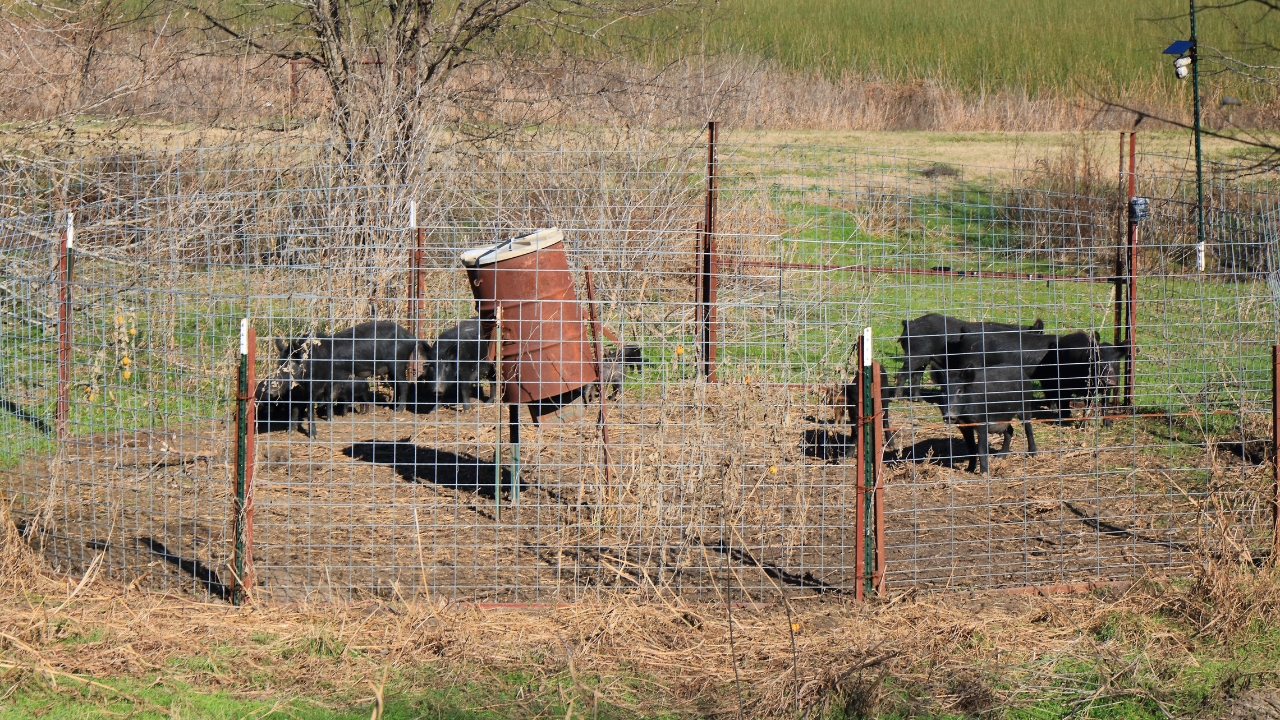
One of the biggest mistakes folks make is using a trap that’s too small. You catch one or two, and the rest get spooked. Once that happens, good luck getting them back near a trap anytime soon.
A large corral-style trap gives you a better chance of catching the entire group at once. It also helps prevent smarter hogs from hanging back and learning your setup. Bigger traps take more time and effort, but they pay off in the long run.
Pre-Bait Before You Ever Set the Trap
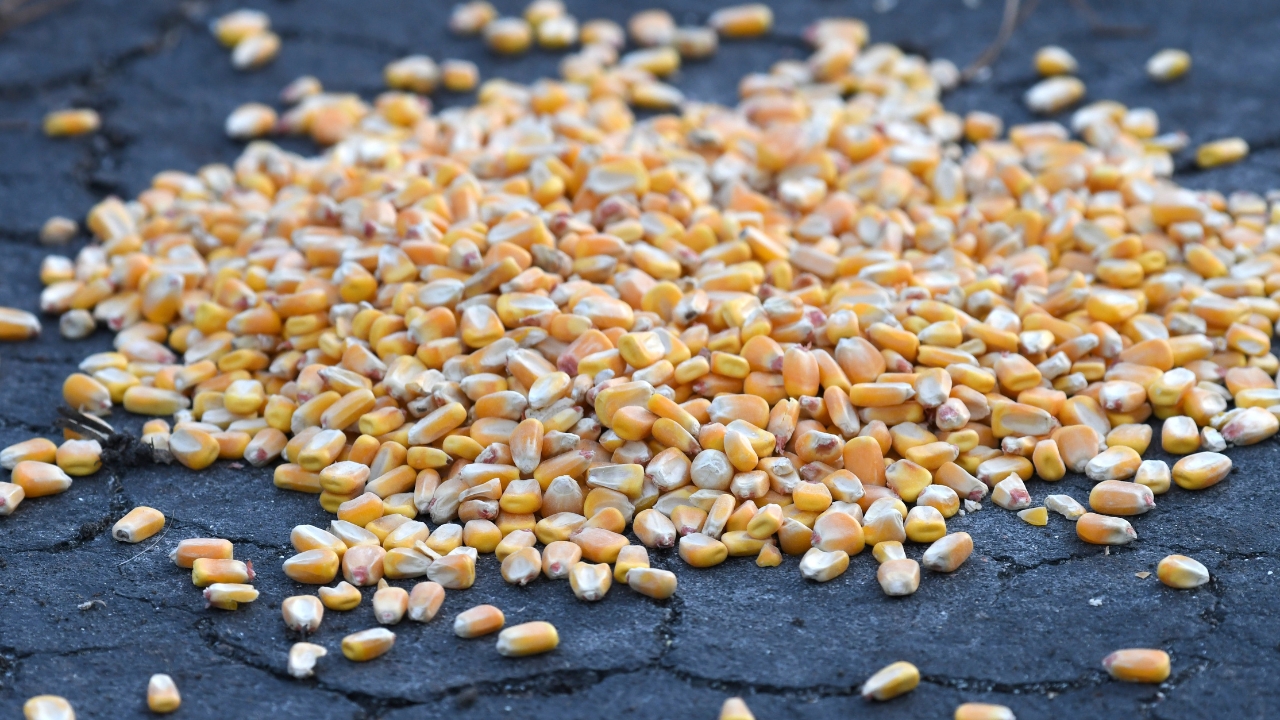
If you set the trap too early, you’re wasting your time. Hogs need to feel safe coming in and out of the trap area before you even think about triggering it. That means several days of pre-baiting with the door open or deactivated.
This builds trust and gets more hogs comfortable with the setup. You’re not hunting a single hog—you’re trying to trick the whole group. Give them time to make your trap part of their routine, then spring it once you know you’ve got most of them inside.
Use the Right Bait—and Don’t Overdo It

Corn works, sure—but it’s how you use it that matters. A light trail of corn leading into the trap and a concentrated pile in the middle is usually enough. If you over-bait, hogs may fill up before all of them enter the trap, and you’ll end up with partial catches.
Some trappers sour their corn with water and beer to keep other animals out and attract hogs specifically. That works too, but the real trick is consistency. Pick a method and stick with it until you see the pattern forming.
Go With a Remote Trigger if You Can

Remote-triggered traps are worth the investment. With a camera setup, you can see exactly when the whole sounder is inside and trip the gate from your phone. No guessing. No premature triggers. No wasted setups.
You’ll get cleaner, more complete catches, and you won’t be teaching the survivors how to avoid traps. It’s also way easier to manage from a distance, especially if you’re running multiple traps on a big property.
Set Up Near Travel Routes, Not Feeders
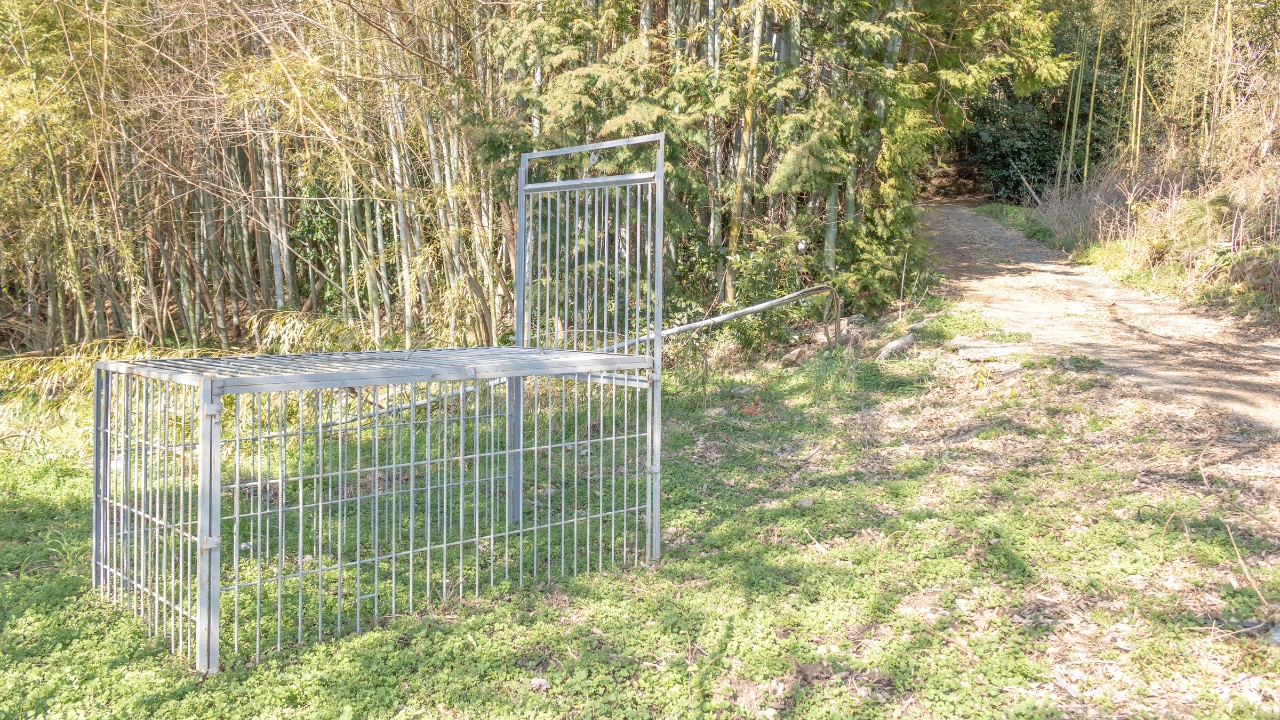
It’s tempting to put traps near feeders or where you see rooting, but that’s not always where hogs are most predictable. You’ll get better results by placing your trap along natural travel routes—creek beds, fence lines, or worn-down trails between bedding and feeding areas.
These are places hogs already move through regularly. Set up where they have to pass through, and you’ll see more consistent action. A well-placed trap in a travel corridor beats a random setup near sign every time.
Use Trail Cameras to Watch Before You Act

Before you even think about setting that trap, you should have eyes on the spot. A good trail camera gives you a clear picture of how many hogs are hitting the bait, what time they’re showing up, and if new groups are moving in.
This lets you time the trap perfectly and make sure you’re not just catching a couple stragglers. Plus, it helps you learn their habits, which is key if you plan to keep trapping the area long-term.
Don’t Forget to Check Your Traps Often
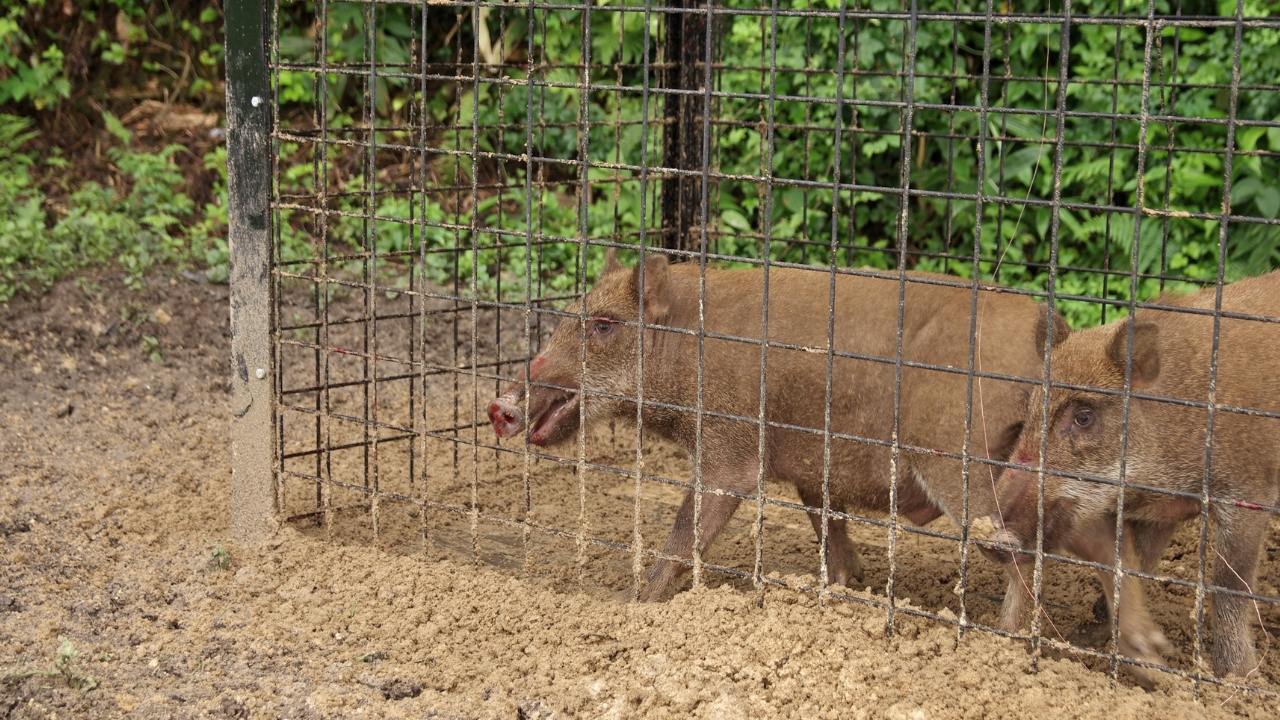
Leaving a hog trap unattended for too long is a recipe for trouble. You risk stress or injury to the animals, plus you’re inviting predators or escape attempts. Check traps daily at minimum, more often if you’ve caught hogs.
Quick checks keep things under control and let you reset fast if needed. If you’re running multiple traps, use cameras or sensors to alert you when they’re triggered. It saves time, gas, and a whole lot of hassle.
Always Have a Plan for After the Catch

Catching hogs is only half the job. What you do afterward matters just as much. You’ll need a way to dispatch them humanely and safely, and a plan to transport or dispose of them. Don’t wait until you’ve got a trap full to figure this out.
Some folks sell or donate the meat, others use it for their own freezer. Whatever your goal, have your tools, trailer, and cooler ready to go. Being prepared keeps things quick and clean—and keeps you legal depending on your state regs.
Clean and Reset Fast to Stay Ahead
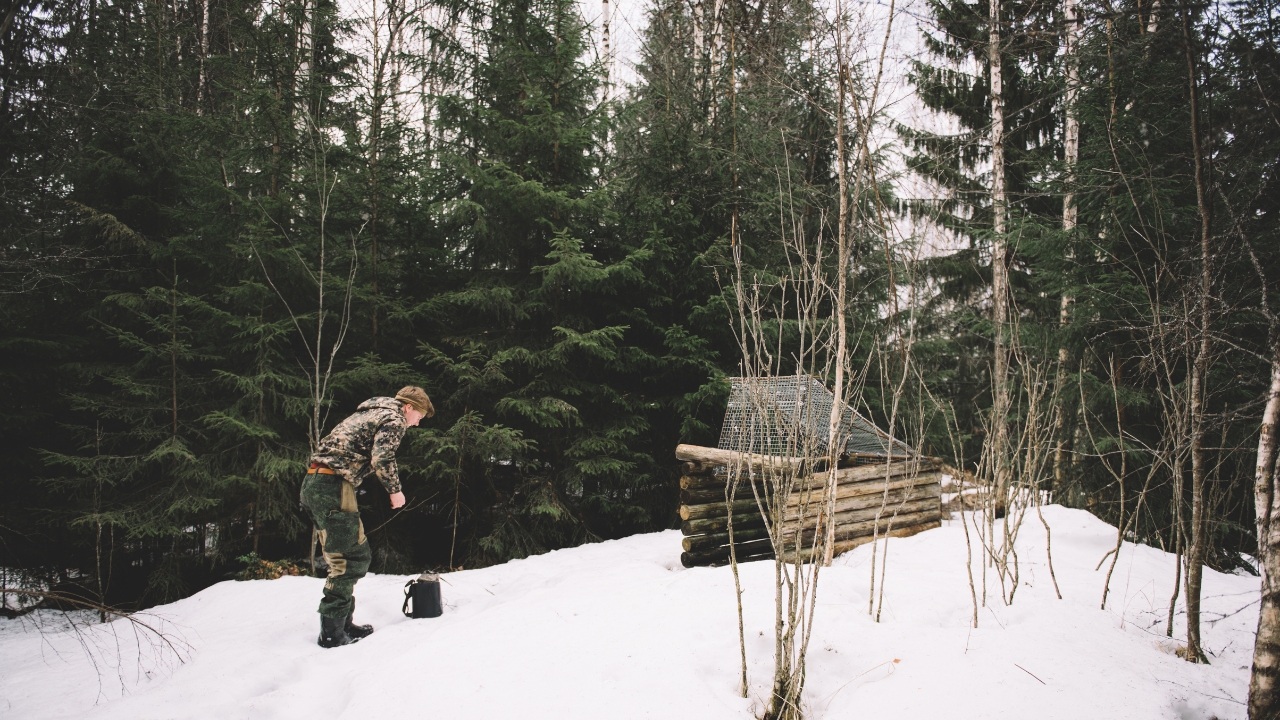
After a successful catch, clean up quick and get that trap ready again. Hogs are territorial but curious—new groups may roll in within days. If you’re slow to reset, you’ll miss your window and give them time to find other routes.
Hose down the trap, refresh the bait, and reposition if needed based on your camera intel. Momentum matters. Once you’ve got hogs hitting the area, keep pressure on them or they’ll move somewhere else—and become someone else’s problem.
*This article was developed with AI-powered tools and has been carefully reviewed by our editors.