Photo credit: Paul Tessier/Shutterstock.com
Some calibers do a better job of wrecking your meat than actually dropping your deer. There’s a fine line between knockdown power and overkill. Plenty of hunters assume bigger means better, but that often leads to bloodshot shoulders, wasted backstraps, and meat that looks like it tangled with a lawnmower. The problem isn’t always the bullet weight—it’s velocity, bullet construction, and poor shot placement with the wrong round. If you’ve ever unwrapped a hindquarter and found it pulped beyond recognition, you know exactly what I’m talking about. Some of these rounds hit hard, sure—but they can do more damage to your cooler than to the animal’s vitals if you’re not careful. Here are the ones that bruise more meat than they cleanly drop game.
.300 Winchester Magnum

The .300 Win Mag has power to spare, but on medium game like whitetail, that power can become a problem fast. If your bullet choice is too light or too fast, it’ll grenade on impact and destroy everything in its path—including your dinner.
High-velocity soft points and ballistic tips from this cartridge have a bad habit of fragmenting inside the chest, causing excessive bloodshot meat around the shoulders and ribs. It’s a great round for elk and big mule deer, but overkill for a whitetail at 80 yards. If you’re not careful with bullet selection and range, you’ll spend more time trimming damage than processing meat.
7mm Remington Magnum

The 7mm Rem Mag shoots flat and hits hard, but it’s known for being tough on meat if you’re inside 200 yards. That long, sleek bullet carries a lot of energy, and when it dumps it too fast, it tends to bruise everything it touches.
Many factory loads are built for elk, so if you use them on a 150-pound deer, expect violent expansion. Take a shoulder shot with the wrong bullet, and you’ll be tossing meat into the scrap pile. It’s not a bad caliber, but it demands careful shot placement and controlled-expansion projectiles if you want to keep your venison intact.
.338 Winchester Magnum

There’s no question the .338 Win Mag can take down moose and grizzlies—but using it on whitetail is like swatting flies with a hammer. It delivers massive energy, and unless you use tough, heavy bullets and avoid bone, it can make a mess out of your harvest.
The bruising doesn’t stop at the entry wound. A fast-expanding bullet at close range can liquefy shoulders and even damage the offside ham. Some hunters like the peace of mind it brings, but most butchers would rather you chose something a little more reasonable. The recoil’s bad enough—don’t add meat loss to the equation.
.270 WSM
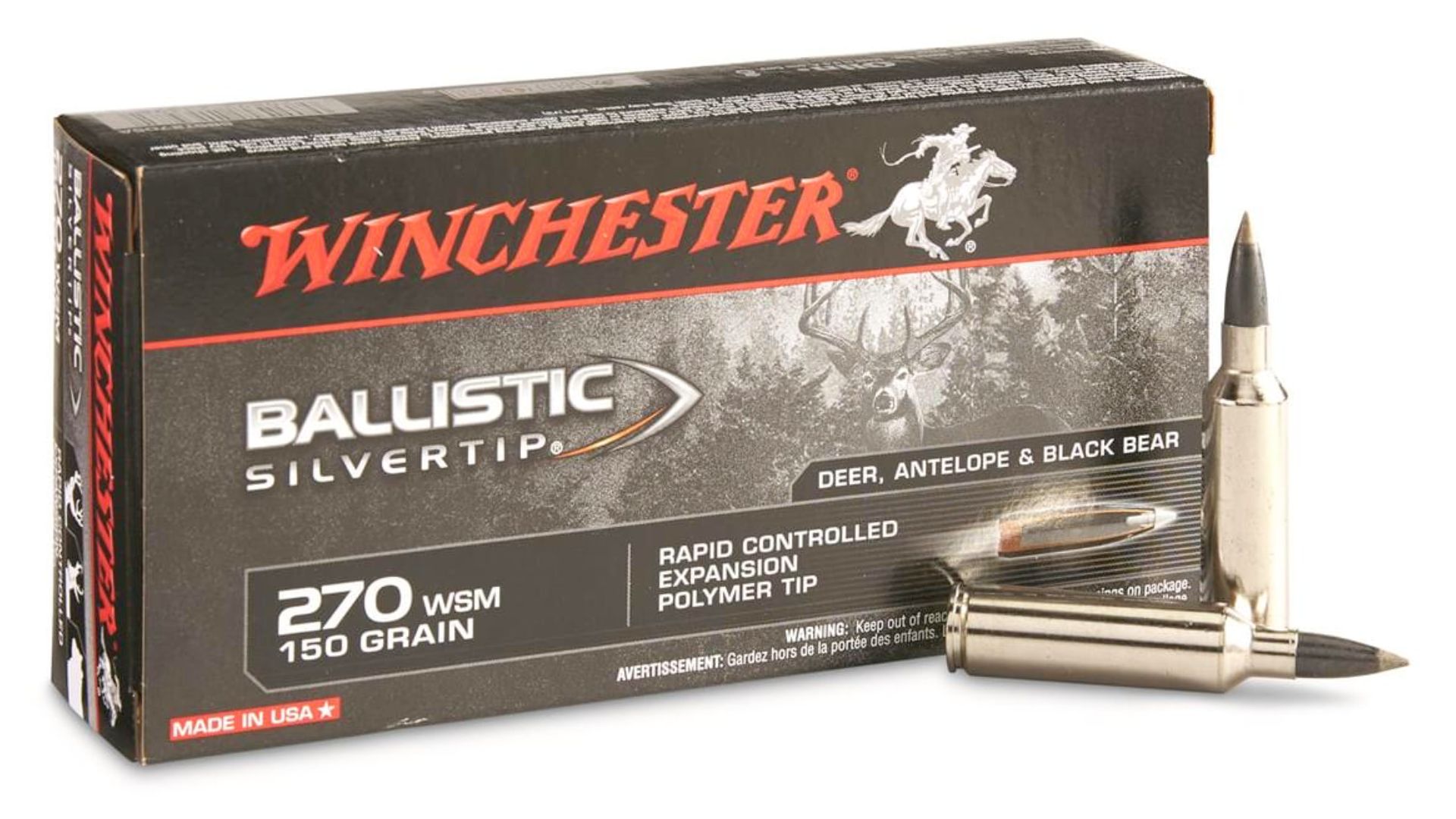
The .270 Winchester Short Magnum adds velocity to an already flat-shooting round—and that extra speed can turn a clean hit into an overcooked mess. At close range, those bullets often don’t get a chance to hold together, especially if you’re using ballistic tips.
Shoulder shots are where the trouble starts. You’ll end up with deep bruising, fragmentation, and a whole lot of wasted muscle. The round has its place, especially on longer shots or tougher game. But if you’re hunting in thick woods or taking shots inside 100 yards, you’d be better off with a slower round that won’t torch the meat.
.243 Winchester with Light Bullets

The .243 is wildly popular for deer, but when hunters use light, frangible bullets, it can punch above its weight—and not in a good way. High-velocity 55–70 grain projectiles can do surprising damage on small-bodied deer.
They tend to explode on impact, especially on shoulder shots, and don’t always exit. That energy gets dumped into a small area, turning meat into jelly. A heavier, well-constructed bullet fixes the problem. But when folks pick a varmint load because “it’s only a deer,” they end up ruining more meat than they expected. The caliber’s fine—it’s the bullet choice that causes issues here.
.308 Winchester with Fragmenting Loads
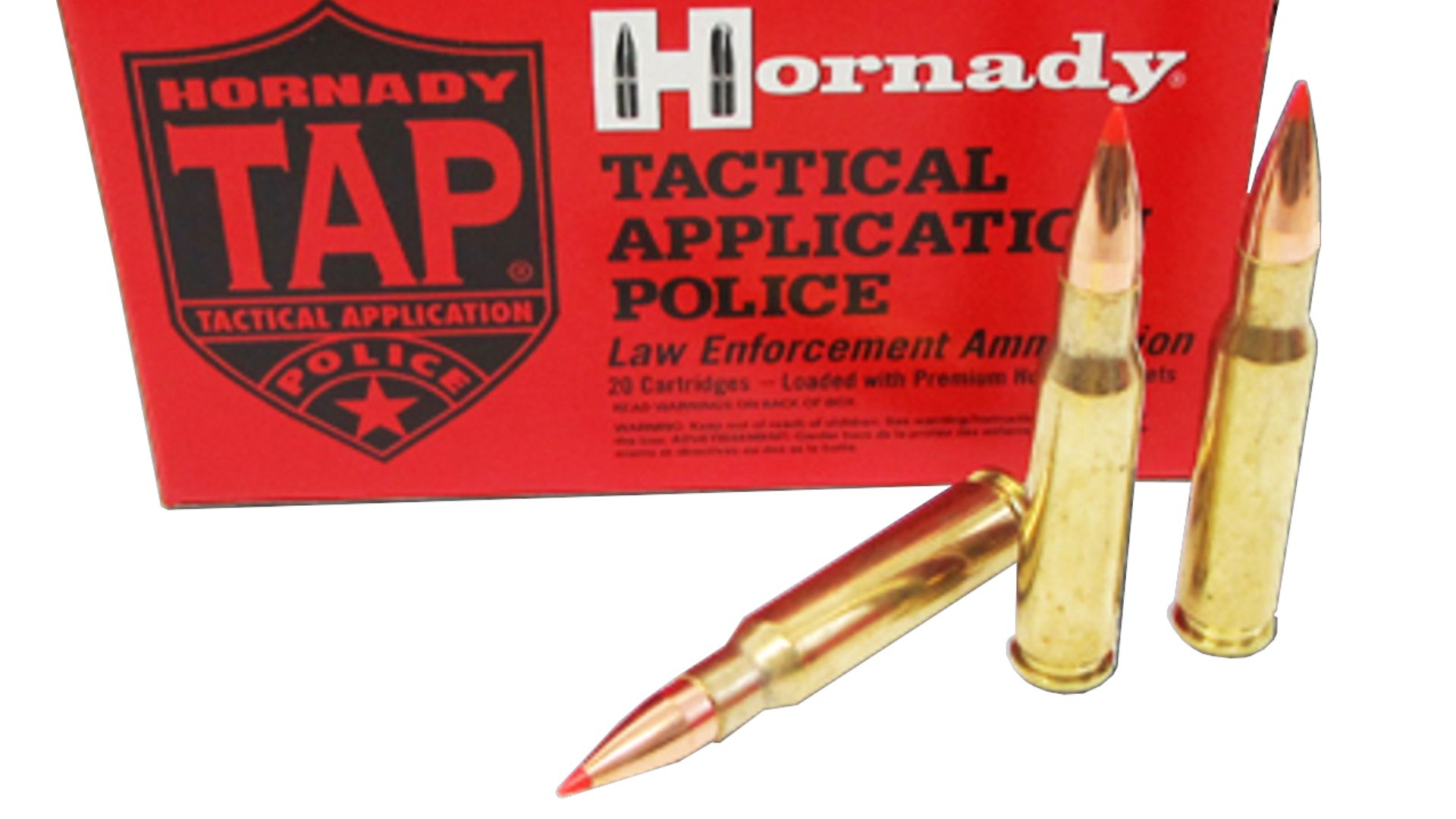
The .308 is a balanced cartridge when loaded properly—but when folks go for light, fast loads meant for varmints or hogs, it can wreck venison in a hurry. Rapid-expanding rounds like 125-grain ballistic tips are the worst offenders.
Hit the shoulder with one of those, and you’ll see bruising all the way through the front quarter. That meat might look fine until you cut into it—and then it’s a bloodshot mess. Stick to 150- to 165-grain soft points or bonded bullets for cleaner kills. The .308 can be precise and clean, but only if you match the bullet to the job.
6.5 PRC

The 6.5 PRC has a lot going for it—long-range performance, manageable recoil, and high sectional density. But some of those streamlined bullets hit so fast and hard at short ranges that they act more like hand grenades than hunting rounds.
When they expand too quickly, especially on bone, the damage spreads far beyond the wound channel. You can lose an entire shoulder, and the offside may not fare much better. If you’re shooting out west at distance, it shines. But at 75 yards in the woods? You’re probably going to waste more meat than necessary.
.45-70 Government with Soft Cast Loads

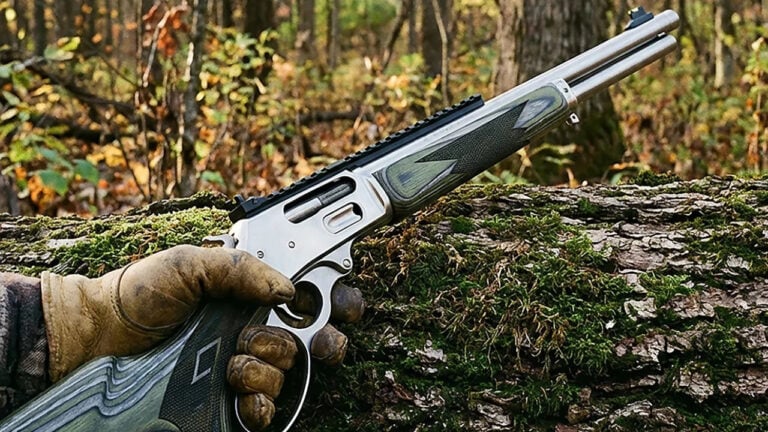
The .45-70 hits like a freight train, and if you use soft cast bullets or hollow points, it can cause some serious over-expansion. Even at slow speeds, that big hunk of lead transfers a ton of energy on impact.
When it hits bone or heavy muscle, it doesn’t pass through clean—it crushes, tumbles, and sometimes fragments. That results in deep bruising and internal tearing that ruins the surrounding meat. If you want to run .45-70 for deer, go with hard-cast or solid loads that don’t mushroom so violently. Otherwise, it’s more meat destruction than clean kill.
5.56 NATO / .223 Remington with Varmint Bullets

Some folks swear by .223 for deer with the right bullets—and they’re not wrong. But plenty still run lightweight varmint loads that blow up on contact and don’t penetrate deep enough. That’s where the meat damage comes in.
These rounds don’t always exit, and the energy they dump into the first few inches can leave a softball-sized bruise behind the ribs or across the front quarter. It’s deceptive damage—it doesn’t always look bad until you start trimming. Stick with 62- to 77-grain bonded or controlled-expansion bullets if you want to use this caliber effectively.
.257 Weatherby Magnum

This is one of the flattest-shooting hunting rounds out there, but it’s also one of the fastest. That speed can be a liability if you’re not taking long shots. At 50 yards, most hunting bullets are hitting like high explosives.
The hydrostatic shock alone can cause meat damage far from the actual wound channel. If you hit a deer in the chest, expect bruising through the front shoulders and rib meat. This is a great round for antelope or deer in open country, but it’s not ideal for tight woods or brush where you’ll be shooting up close.
6.8 Western

The 6.8 Western was designed for long-range energy delivery—and it does that well. But like other high-BC, fast cartridges, it can cause excessive meat damage when used at close range with quick-expanding bullets.
Shoulder shots especially can get messy. You’ll find bloodshot tissue all the way through the front quarter, even if the deer drops on the spot. It’s a capable cartridge, but if you’re hunting in dense cover or taking shorter shots, it’s worth considering a slower, more traditional deer caliber to avoid throwing away meat you paid good money and time to harvest.
.300 RUM

The .300 Remington Ultra Magnum has an enormous powder charge behind it, and while that delivers serious reach and power, it also creates explosive wounds at closer distances. Even with tough bullets, the energy dump is intense.
On elk-sized animals, it performs beautifully. On deer, it’s a bit much unless you’re taking shots across a canyon. Quartering shots with a soft-point can leave one side caved in and the other full of bruising. It’s not that the caliber can’t kill clean—it’s that most folks don’t need that much horsepower for whitetails, and it shows in the meat.
Like The Avid Outdoorsman’s content? Be sure to follow us.
Here’s more from us:
The worst deer rifles money can buy
Sidearms That Belong in the Safe — Not Your Belt
*This article was developed with AI-powered tools and has been carefully reviewed by our editors.