Photo credit: TWANGnBANG/YouTube
Some guns get talked up so much at the range or in camp, you’d think they were the second coming of Jack O’Connor’s Model 70. But when the shooting starts, they let you down—loudly. These are the guns folks romanticize, either because of marketing, nostalgia, or plain-old name recognition. But when you take them out in the field and actually try to hunt with them, reality hits. They’re heavier than they should be, jam when they shouldn’t, or shoot patterns that make you question your zero. If you’ve ever been burned by one of these, you’re not alone. Let’s talk about the ones that sound great on paper but can’t deliver when there’s meat on the line.
Marlin Model 1894 in .44 Mag
It sounds like the perfect woods gun—compact, fast, and chambered in a big-bore revolver round. But if you’ve ever tried to run a Marlin 1894 in .44 Mag with anything but soft-nose ammo, you already know the struggle. Feeding issues aren’t uncommon, especially with semi-wadcutters or blunt-nose bullets. That tubular magazine doesn’t love flat-point reloads either.
The .44 Mag from a carbine barrel isn’t quite the hammer folks think it is. Muzzle energy looks decent on paper, but in the field, performance on deer-sized game is hit-or-miss. And if your shot’s much past 75 yards, holdover gets trickier than you’d expect. It’s a fun rifle—when it runs—but not the hunting workhorse it’s made out to be.
Browning BAR ShortTrac

The BAR looks sharp and carries a reputation, but when you’re hiking ridge to ridge, that weight starts to feel like a curse. The ShortTrac version promised a lighter, quicker-handling option—but it’s still not what you’d call nimble. And field-stripping a BAR in hunting camp isn’t something anyone enjoys.
On the range, it shoots like a dream—smooth recoil, good groups—but out in the weather, that gas system starts to show its quirks. Dirty loads or poor maintenance lead to sluggish cycling, and cold mornings can bring failures to feed. For a semi-auto hunting rifle with such a polished name, it sure has a habit of falling short where it counts.
Winchester Model 94 in .410
Here’s a novelty that should’ve stayed on the wall. The idea of a lever-action .410 sounds fun, especially if you’re after squirrels or maybe snake duty on the farm. But try actually hunting with it, and you’ll realize how limited it is. The barrel length and choke are rarely ideal, and accuracy beyond 20 yards can be disappointing.
You’re also working a lever every shot for what’s essentially shotgun pest control. It doesn’t add much over a single-shot or pump .410, and it weighs about the same. It’s not bad—it’s just not practical. Most folks who own one treat it more like a collector’s toy than something that sees daylight during hunting season.
Sig Sauer CROSS

On paper, the CROSS looks like the future of mountain rifles: lightweight, folding stock, modular. But in the field, it’s proven to be a little too clever for its own good. The trigger feels nice, and accuracy is there—at least from a bench. But when it’s time to shoot off-hand or in a fast follow-up, the ergonomics get weird.
It carries like a tactical rifle trying to dress up for elk camp. That folding stock can loosen over time, and the magazine fit is fussy. The action isn’t nearly as smooth as a traditional bolt gun, and you spend more time fiddling than shooting. Cool idea—but not the rifle you reach for when conditions get nasty.
Remington 742 Woodsmaster
Ask any old-timer, and they’ll tell you the 742 jammed on them more than once. It was one of those rifles that sold well for years based on the promise of fast follow-up shots in a traditional-looking package. But the truth is, that action gums up fast, and the extractor design wears down before it should.
Accuracy varies wildly from rifle to rifle, and once wear sets in, you’re better off retiring it. You’ll hear folks defend theirs to the grave, but even Remington quietly phased them out for a reason. You can hunt with one, sure—but you’ll spend a lot of time crossing your fingers after every shot.
Ruger Mini-14 Ranch Rifle

The Mini-14 sounds like a dream: semi-auto .223 with a classic stock, easy handling, and ranch-ready looks. But when it comes to actual hunting—especially for predators or varmints—it doesn’t quite live up to the hype. Accuracy is its Achilles’ heel, with groups that open up fast as the barrel heats.
Magazines rattle, factory sights aren’t precise enough for serious distance, and mounting optics feels like a workaround rather than a proper setup. It’s not unusable, but when you compare it to bolt guns or even AR platforms in .223, it starts looking more nostalgic than functional. Great plinker, marginal hunting tool.
Henry Long Ranger in .243
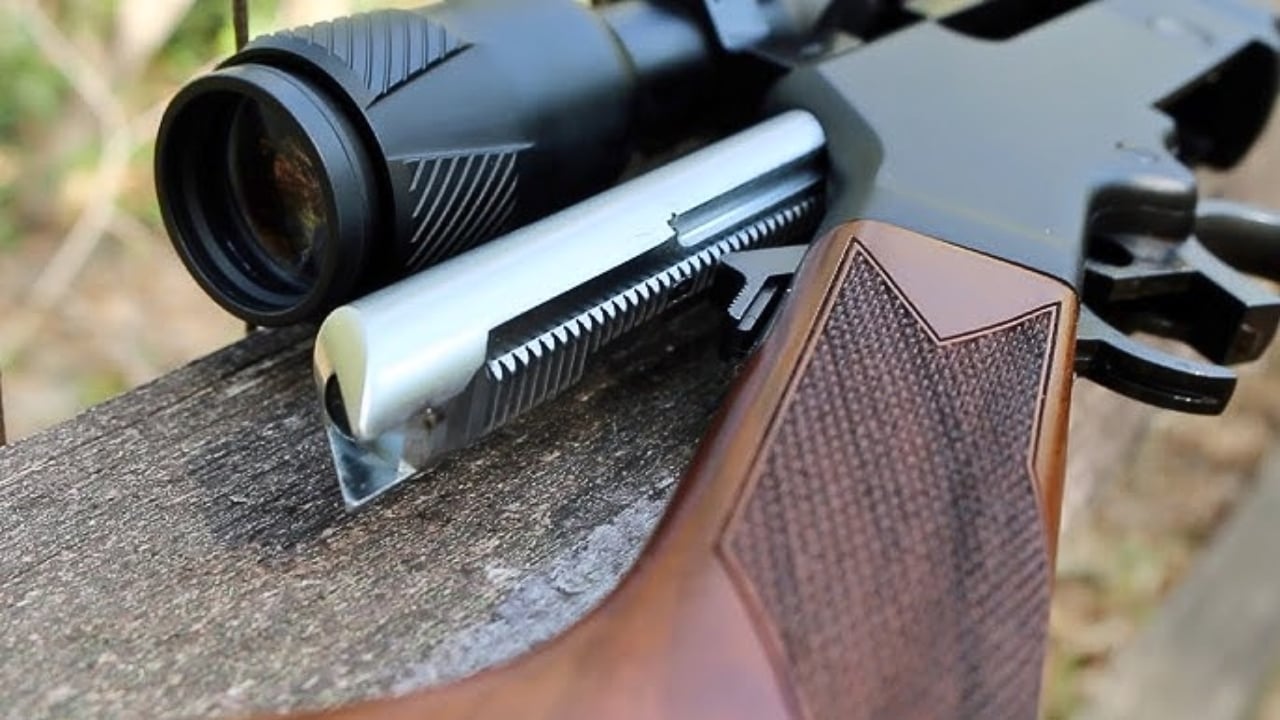
A lever-action that takes box mags and shoots .243? Sounds like the best of both worlds. But the Long Ranger doesn’t handle like a traditional lever gun, and it doesn’t quite group like a bolt-action either. The trigger’s a bit spongy, and some barrels seem to favor one load—barely.
It’s also got some quirks with mag seating, especially if you’re used to slamming them in like an AR. The rifle wants to be precise and fast, but it rarely hits both targets. Plenty of folks like theirs for stands or short walks, but once you start hiking or stretching distances, you realize it’s not all it promised to be.
Like The Avid Outdoorsman’s content? Be sure to follow us.
Here’s more from us:
The worst deer rifles money can buy
Sidearms That Belong in the Safe — Not Your Belt
*This article was developed with AI-powered tools and has been carefully reviewed by our editors.