Photo credit: NRApubs/YouTube
Deer hunters are creatures of habit. Somebody hands you a .30-06 or a .308, you shoot a couple bucks, and you never feel a reason to change. I get it. The classics work. But the market right now is full of “quiet winners” that don’t get talked about much anymore, even though they check a lot of modern boxes: mild recoil, short-barrel efficiency, good bullets, and enough real-world reach for ethical shots.
A lot of these cartridges also got better without changing at all. Bullet construction improved. Optics got lighter and clearer. More rifles ship threaded, and suppressors have made recoil management part of the conversation. If you like practical tools, these underused deer cartridges make a lot of sense right now.
7mm-08 Remington

The 7mm-08 is one of those cartridges that feels like cheating in the deer woods. You get flat enough trajectory for sane distances, plenty of energy, and recoil that stays friendly in lighter rifles. It’s especially good if you want a “one rifle” setup that doesn’t beat you up in practice.
What makes it extra relevant right now is bullet selection. The 7mm diameter has an absurd number of proven hunting bullets, and they tend to perform well across a wide range of impact speeds. That matters if your shots vary between close timber and longer field edges. If you’re the kind of hunter who actually practices, the 7mm-08 makes it easier to shoot well, and shot placement still wins the day.
.260 Remington

The .260 Remington got overshadowed, not because it failed, but because the market moved on. For deer, it’s still a clean, efficient cartridge with mild recoil and accuracy that’s easy to live with. If you like a rifle that feels calm and predictable, this one delivers.
The real advantage is how it handles modern 6.5mm hunting bullets. You can run controlled-expansion designs that hold together well and still get reliable penetration on broadside shots. It’s also a cartridge that tends to behave nicely in short actions and lighter rifles without turning recoil into a flinch factory. Ammo availability can be spottier than the big names, but if you’re willing to buy a few boxes when you see them, it’s a deer round that flat-out works.
6.5×55 Swedish Mauser

The 6.5×55 has been putting venison on the pole for a long time, and it’s still one of the smartest “underused” deer cartridges you can carry. It recoils softly, shoots accurately, and has enough bullet weight and sectional density to penetrate well on deer-sized game.
What makes it feel modern is the bullet performance you can get today. With a good hunting bullet, it’s not a fragile “paper caliber.” It’s a steady killer that doesn’t demand perfect conditions. The catch is that rifle selection can be more limited unless you’re willing to hunt for one, and some factory loads are kept mild because of older rifles still floating around. Even so, for a deer hunter who values control and consistency, the Swede still makes a lot of sense.
7×57 Mauser

The 7×57 is the definition of “quietly effective.” It’s been around forever, and it has a long history of clean kills on deer and bigger game when the bullet is right and the shot is right. Recoil is manageable, the trajectory is usable, and the cartridge just has a steady feel.
The modern advantage is bullet choice. You can pick a controlled-expansion 7mm hunting bullet that behaves well at typical deer ranges, and you’re not stuck with outdated designs. Like the 6.5×55, factory ammo is sometimes loaded conservatively because of older rifles, so you may not see flashy velocities on the box. That doesn’t mean it’s weak. It means it’s sensible. If you want a cartridge that’s easy to shoot well and hits deer with authority, the 7×57 deserves more respect.
.257 Roberts

The .257 Roberts is a classic deer cartridge that never really got the marketing love it deserved. It shoots flatter than many people expect, recoil stays light, and it makes hitting well feel easier—especially for hunters who don’t enjoy getting slapped around by their rifle.
Where it shines right now is with modern bullets that expand reliably without coming apart. The .257 has enough speed to give you good performance, and it’s pleasant enough that you’ll actually practice. That matters more than arguing over a couple hundred feet per second. The downside is ammo availability. You won’t see it stacked deep everywhere, and you may need to plan ahead before season. If you do, you get a deer cartridge that’s practical, accurate, and still deadly in the real ranges most hunters shoot.
6mm Remington

The 6mm Remington has always been a deer-capable cartridge when you treat it like one. With the right hunting bullet and reasonable distances, it shoots flat, recoils lightly, and makes precise shot placement feel more natural. If you like putting a bullet exactly where you aim, this one helps.
It also benefits from modern bullet design. You’re not relying on thin-jacketed varmint bullets that can come apart. You can choose purpose-built deer bullets in the 90- to 105-grain range that hold together and penetrate. The key is discipline: you keep your shots sensible, you pick a bullet meant for deer, and you don’t try to turn it into an elk rifle. Ammo isn’t as common as it used to be, but the cartridge itself still makes a lot of sense for careful deer hunters.
.250 Savage

The .250 Savage doesn’t get enough attention anymore, but it’s one of the easiest deer cartridges to shoot well. Recoil is mild, accuracy is often excellent, and it carries enough punch for deer when you use the right bullet and keep your distances honest.
What makes it relevant today is that not everybody wants a magnum, and not everybody needs one. The .250 Savage helps you stay relaxed behind the rifle, which usually means better shot placement. The trade-off is availability. You’re not going to find it on every shelf, and rifle choices can be limited unless you like older guns or special runs. Still, if you want an efficient deer cartridge that doesn’t punish you and doesn’t demand perfect form, the .250 is a smart sleeper pick.
.300 Savage

The .300 Savage is one of the most practical “woods-to-field” deer rounds ever made, and it’s still relevant if you can find ammo and a rifle you like. It hits harder than its age suggests, it handles deer with authority, and it does it without the recoil and blast of bigger .30-caliber options.
It’s also a cartridge that makes a lot of sense in compact, handy rifles. You get solid terminal performance at typical whitetail distances, and you don’t need to run the hottest loads on earth to do it. The downside is that it’s not as common as the .308, so you may need to stock ammo when you see it. If you’re the kind of hunter who loves a rifle that carries well and shoots clean, the .300 Savage remains a smart, underused deer cartridge.
.35 Remington
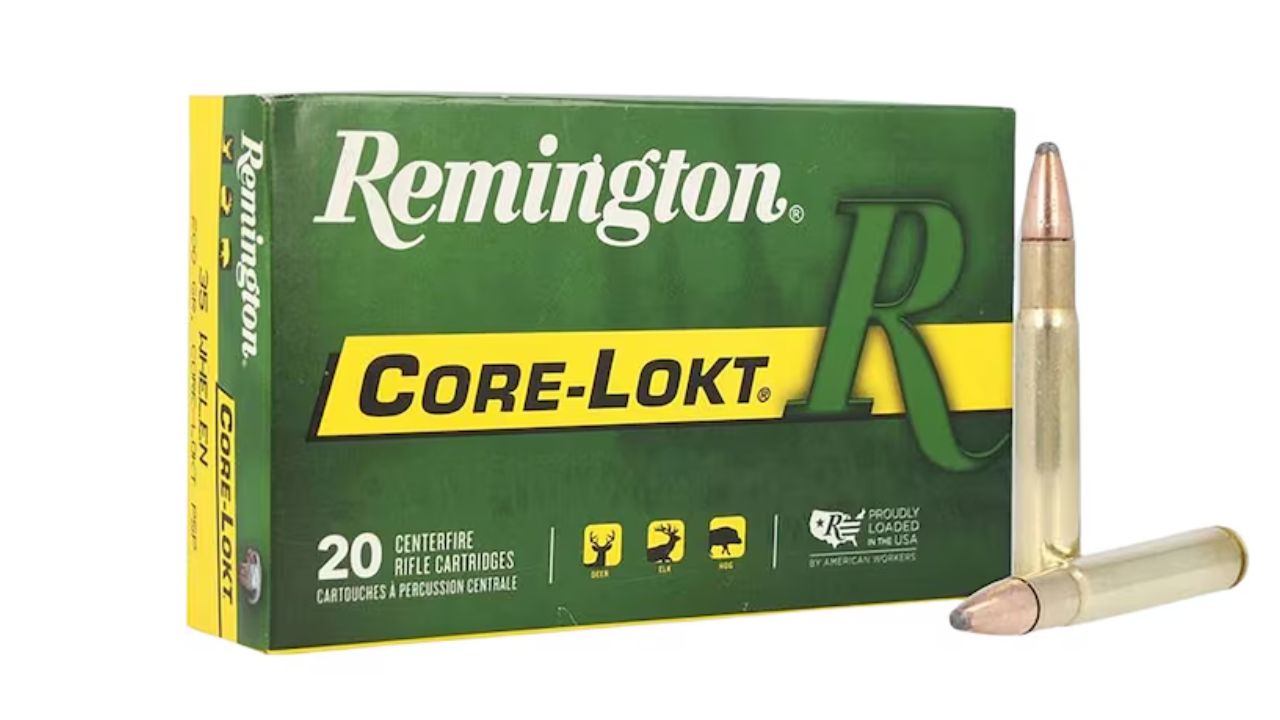
The .35 Remington is a deer cartridge that lives in the real world: short ranges, thick cover, quick shots, and a need for a bullet that hits with authority. It doesn’t have a flat trajectory, but that’s not the point. Inside typical woods distances, it performs like a hammer.
What makes it “make sense right now” is how many hunters are rediscovering practical ranges. Not every deer needs a 400-yard solution. A heavier .35-caliber bullet at moderate speed can punch through shoulders, break bone, and still drive deep on broadside shots. The catch is that ammo and rifles aren’t as common as they used to be, and you may have to hunt for it before season. If you do, you get a cartridge that’s hard to argue with in tight country.
.358 Winchester

The .358 Winchester is a serious deer cartridge that doesn’t get used much anymore, mostly because it never became mainstream. It’s basically a short-action thumper that hits hard, works well in timber, and still carries enough performance for reasonable open-country shots when you know your drops.
The practical benefit is how decisively it can handle marginal angles and heavier-bodied deer. You’re throwing a bigger bullet, and that can buy you better performance through bone and muscle when conditions aren’t perfect. Recoil is more than the mild rounds, but it’s not a brutal experience in a properly set-up rifle. The real issue is availability. Factory ammo can be scarce, and rifle options aren’t everywhere. If you’re willing to plan ahead, the .358 Winchester is a smart choice for hunters who want authority without chasing magnum trends.
6.5 Grendel

The 6.5 Grendel is underused in the deer woods mostly because a lot of hunters still don’t take “AR cartridges” seriously. They should. With a proper hunting bullet and sensible distances, the Grendel is absolutely capable on deer. It’s accurate, recoil is light, and follow-up shots are fast if you need them.
What makes it make sense right now is practicality. Many people already own an AR platform, and the Grendel gives you better downrange performance than the common intermediate rounds while staying easy to shoot. You still have to do your part: use deer bullets, confirm your rifle likes the load, and keep shots within the cartridge’s comfort zone. If you hunt hardwoods, field edges, or mixed terrain, the Grendel is a very workable deer round that deserves more real-world respect.
6mm ARC

The 6mm ARC is underused for deer because it’s newer and still fighting for mindshare, but it has real advantages in a lightweight carbine. It shoots flat for the platform, it’s accurate, and recoil is easy. That combination helps you make precise hits without feeling rushed.
For deer, the key is choosing the right bullet. You’re not trying to cheat physics. You’re using a purpose-built hunting bullet and keeping your shot angles and distances reasonable. In that role, the ARC can be a clean killer. Where it really shines is as a “practice a lot” cartridge. It doesn’t beat you up, and that usually means you’re willing to shoot more and get better. If you want a modern deer setup that carries light and shoots easy, the 6mm ARC is worth more attention than it gets.
.300 HAMR
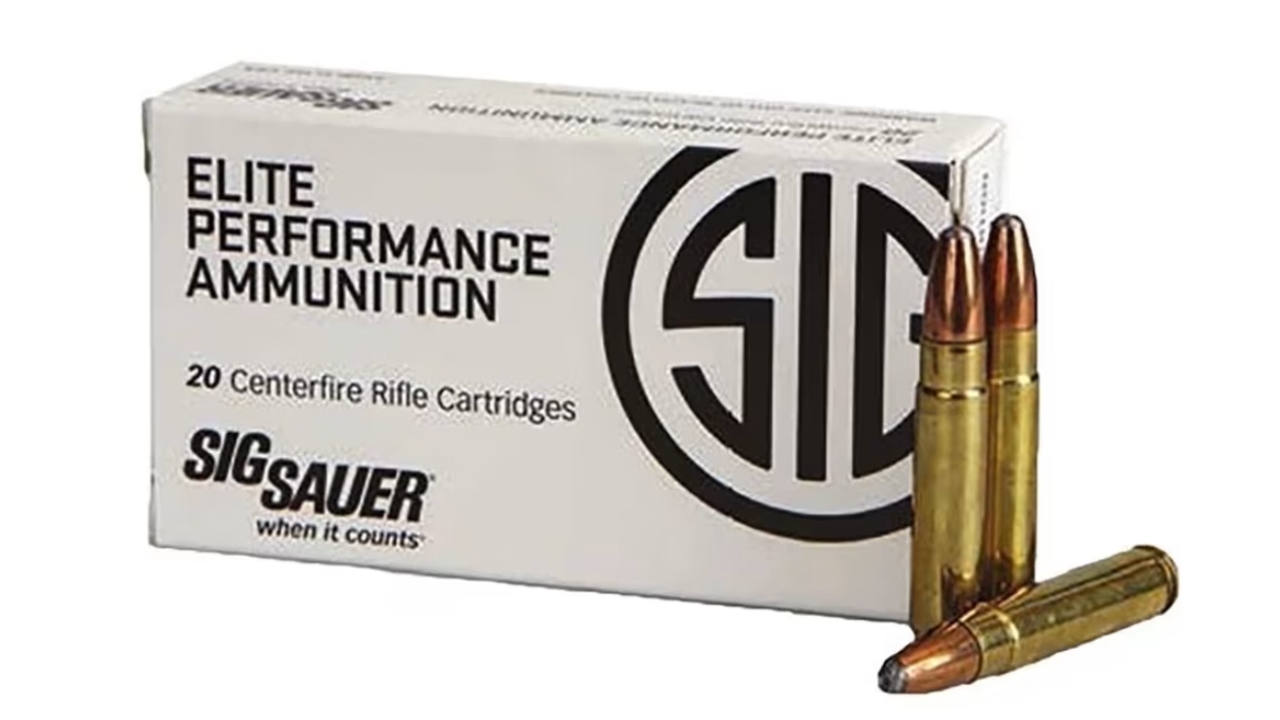
The .300 HAMR is still underused because it’s not a household name, but it was built around a practical idea: give an AR-platform hunter a harder-hitting option that stays controllable and behaves well at realistic deer distances. With the right hunting loads, it can hit deer with authority without turning recoil into a chore.
The appeal is that it’s purpose-driven. You’re not stretching for long-range performance. You’re building a handy hunting rifle that’s easy to carry, easy to shoot, and effective on deer where most shots happen. Bullet selection and load choice matter, and you should confirm your rifle’s reliability and accuracy before season. Ammo isn’t as common as mainstream cartridges, but it’s available if you plan ahead. If you like the idea of a compact deer rifle that still hits hard, the .300 HAMR makes sense.
7.62×39

A lot of hunters overlook 7.62×39 because they associate it with cheap steel-case ammo and plinking. That’s not the right lens. With quality hunting ammunition and sensible distances, 7.62×39 is fully capable on deer. It’s mild to shoot, rifles are handy, and it can be surprisingly accurate inside its comfort zone.
The practical advantage is how easy it is to live with. Recoil is low enough that you can shoot it well from field positions, and follow-up shots are fast if needed. The key is being honest. You use soft-point or controlled-expansion bullets made for hunting, you avoid extreme distances, and you focus on shot placement. If you hunt thick woods or shorter field edges, 7.62×39 can be a very reasonable deer cartridge that many people already have in the safe.
.360 Buckhammer
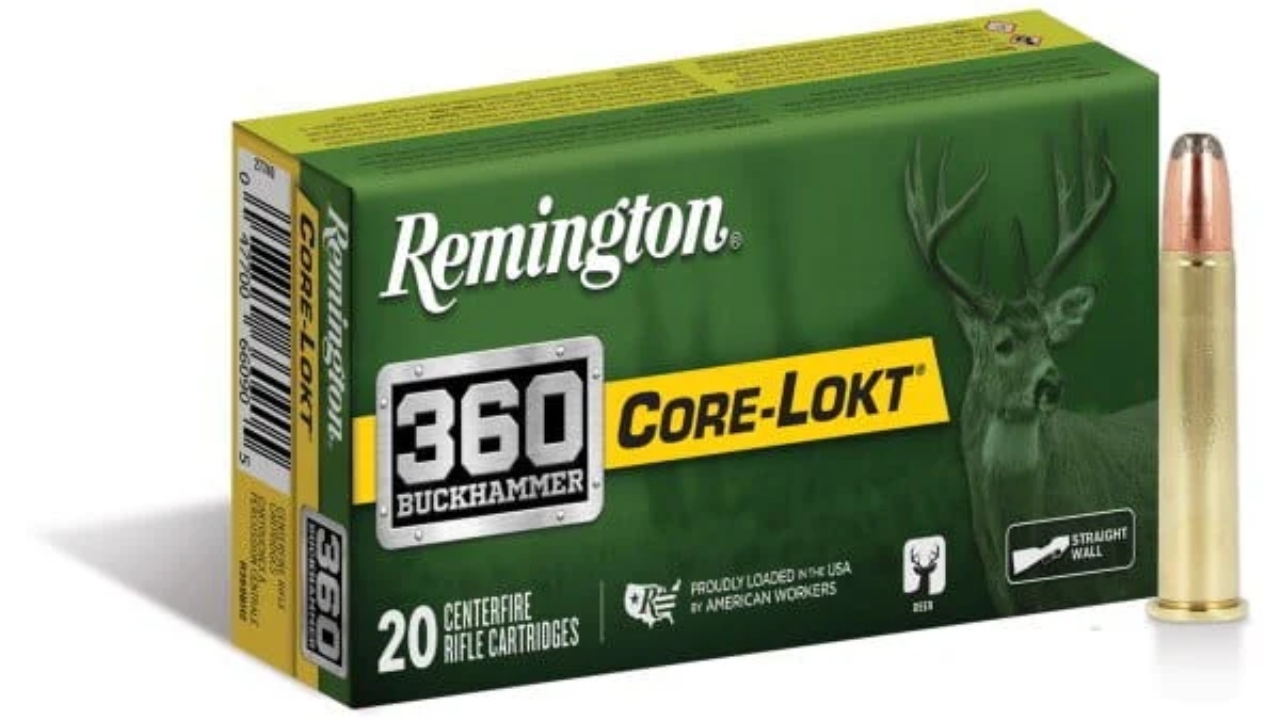
The .360 Buckhammer is underused mostly because it’s newer and still finding its place, but it makes a lot of sense for the way many people actually hunt deer. In areas with straight-wall rules, it offers a practical balance of recoil, performance, and effective range without requiring a heavy, punishing setup.
What you get is a deer-focused cartridge designed for real hunting distances, not bragging distances. It’s meant to be shot from handy rifles, often in timber and mixed cover, where quick target acquisition matters. You’re not trying to dial turrets and play sniper. You’re trying to put a bullet through the chest at a range you can see clearly and shoot confidently. Ammo availability will vary as it matures, but the concept is solid. For straight-wall hunters who want something modern and practical, it’s a smart cartridge to watch and use.
Like The Avid Outdoorsman’s content? Subscribe to our newsletter so you never miss an article.
Here’s more from us: