Photo credit: Dorota Szymczyk/Shutterstock.com
The capacity question sounds simple until you actually carry every day and start being honest about tradeoffs. More rounds can buy you time in a problem you didn’t pick, but more rounds also tend to mean a thicker grip, heavier gun, and a setup you “mean to carry” but don’t always carry. The truth is you’re not picking a number that guarantees safety; you’re picking a package you can keep on you and run confidently under stress, in a world where the legal rules, the threat, and your clothing all change the math. There’s also a big legal reality people ignore: some states limit magazine capacity, and those rules vary, so “enough” has to start with “legal where you are.”
A lot of internet advice on this topic is built on slogans and cherry-picked “averages.” The problem is that averages don’t protect you when your situation isn’t average, and they also don’t tell you what matters most: how quickly you can stop a threat, how well you can manage malfunctions, and how likely you are to have the gun on you when something goes sideways. I’ve seen too many people carry a tiny gun with tiny capacity because it’s comfortable, then shoot it once every six months and wonder why they can’t hit on demand, and I’ve also seen people lug around a big gun with a giant mag because it “feels prepared,” then leave it at home the second it gets hot out. “Enough” is the setup you can conceal, control, and commit to.
The data people cite is useful, but it’s not a promise
You’ll hear “most defensive shootings only take a few rounds,” and that can be true in many documented sets, but it’s not a guarantee and it doesn’t mean your fight will follow the script. One well-known trainer data set (compiled through Rangemaster newsletters) reported an average of 3.2 rounds fired in 65 known private-citizen shootings involving that instructor’s students, with most of those incidents happening at very close distances. That’s a helpful anchor because it’s real-world information, but it’s also limited—small sample, specific training population, and it doesn’t cover every kind of encounter you might face. Treat it like a reality check, not a comfort blanket.
The same source also notes other defensive-shooting numbers that are higher, like a reported average of five rounds in a year’s worth of Drug Enforcement Administration defensive shootings in 2007. That should tell you something important: trained people in real fights sometimes fire more than the “rule of threes” crowd likes to admit, even when distances are close. Hits aren’t automatic, people move, bad guys don’t always quit on the first sign of trouble, and sometimes you’re dealing with more than one threat. Capacity isn’t about planning to spray rounds; it’s about not running dry while you’re trying to solve a fast problem with imperfect information.
“Enough” starts with the gun you’ll actually carry
If you only carry on “easy” days, your capacity is zero on the days you’ll probably regret most. That’s why I like framing this as a consistency problem, not a math problem. The gun has to fit your body and your clothing, and it has to ride in a way that doesn’t make you constantly fidget with it. Inside-the-waistband carry works for a lot of people because it tucks the gun closer to the body and helps concealment, but it’s also less forgiving of thick grips and heavy guns if you’re not set up for it. Pick the biggest gun you can actually conceal and keep on you without constantly adjusting it, because the gun you carry beats the gun you “should” carry every single time.
This is where the “micro-compact vs compact” fight usually lands in real life. A smaller gun is easier to carry but often harder to shoot well fast, especially if you don’t train regularly, and it’s usually the gun with the smaller magazine. A compact gun typically shoots better and carries more rounds, but it’s harder to hide if you dress light or you move a lot during the day. The right answer for most serious carriers ends up being boring: carry the most shootable gun you can conceal in your normal clothes, then build the rest of the plan around awareness, positioning, and not walking into dumb places thinking your magazine capacity is a forcefield.
Spare mag isn’t only about “more rounds”
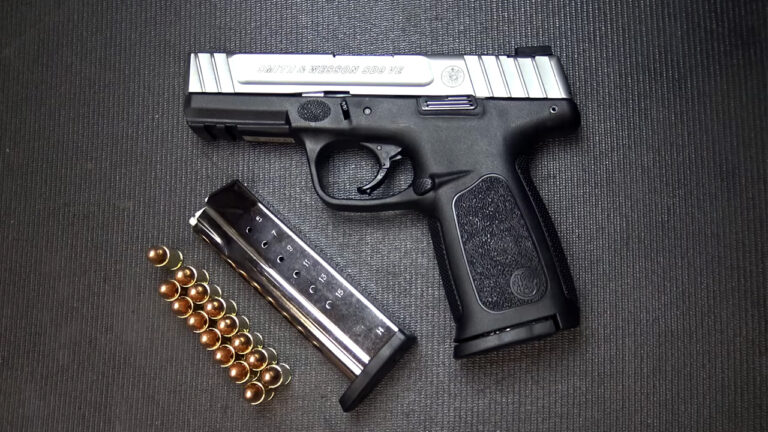
This is the part people who’ve never had a gun choke on them hate hearing: the spare magazine is as much about keeping the gun running as it is about round count. A ton of semi-auto pistol problems trace back to the magazine—feed lips, spring issues, baseplate problems, dirt, damage, or just a bad mag you didn’t test enough. If you get a malfunction that you can’t clear quickly, the fastest “fix” is often ripping the mag out and getting a fresh one in the gun. That’s why plenty of trainers push the idea that the spare mag is cheap insurance, even if the average fight doesn’t involve a reload.
If you want a simple, realistic setup that doesn’t feel like you’re gearing up for a movie, carry your normal magazine in the gun and one spare on your person in a low-profile carrier. Bass Pro Shops sells options like the CrossBreed Holsters Confidant 2.0 mag carrier, which is designed to be low-profile and work with common magazines. I’m not saying you need that exact one, but the concept matters: a stable, consistent place for a spare mag that you can access without digging through pockets like you lost your keys.
Capacity changes your grip, and grip changes your shooting
More rounds usually means a thicker grip, and a thicker grip can be great—until it’s not. For some hands, a fatter grip helps control recoil and improves speed; for others, it makes consistent trigger press harder and makes concealment worse because the grip prints. That’s why you’ll see somebody shoot a larger compact gun better than a micro, then still carry the micro because it hides easier. The best move is to be honest about your real skill level and your real routine: if the smaller gun makes you shoot noticeably worse, you’re “paying” for concealment with performance, and that trade might not be worth it if you’re serious about defensive carry.
A practical way to think about it is this: if you can’t put fast, accurate hits on target with the gun you carry, then the extra rounds don’t matter because you’re not solving the problem. Conversely, if you shoot your compact gun great but you constantly leave it at home, that extra capacity doesn’t matter either. The sweet spot is a gun you can conceal and shoot well under time pressure, because accuracy and decision-making are what end fights, not the theoretical maximum number of rounds you could fire if everything goes perfectly.
Magazine limits can change the answer overnight
If you travel or you live near state lines, you can’t talk about “enough rounds” without acknowledging legal limits. Multiple states and D.C. have some form of magazine-capacity restriction, and the details vary—what’s considered “large capacity,” what’s banned, what’s grandfathered, and what applies to possession vs sale. The only smart move is to know the rule where you live and where you travel, because getting caught with the wrong mag in the wrong place is a stupid way to wreck your life. Even sources with different viewpoints on gun policy agree on the basic point that these laws exist in a patchwork and the specifics matter.
That legal reality is also why I like recommending a “default carry plan” that has a compliant version. If you usually carry a 15-round compact, you should also know what your plan looks like with a 10-round magazine if you end up somewhere that requires it, and you should test it so you’re not surprised by how the gun handles. The goal is not to obsess over gear; the goal is to keep your setup lawful and familiar so you’re not improvising under stress and then explaining it later in a courtroom with your savings on the line.
A simple baseline that works for most people
So here’s the “Josh answer” without the fluff: for most carriers, “enough” looks like a modern, reliable 9mm you can conceal daily, with a magazine capacity that’s common for that size class, plus one spare magazine if you can realistically carry it. Something in the compact range—think Glock 19-size—gives a lot of people a balance of concealability and shootability, and it’s also an ecosystem where finding proven magazines is easy. Bass Pro sells a 15-round Glock 19 magazine, and again, I’m not saying you need that exact SKU, I’m saying “common, reliable mags” matters more than exotic capacity hacks.
If you can’t conceal a compact year-round where you live, a smaller gun with lower capacity can still be a solid answer—if you’re realistic and you train with it. In that case, the spare mag becomes even more valuable, because you’ve got less margin and you may need it for a malfunction fix as much as for topping off. The goal isn’t to chase the highest number; it’s to carry a setup you trust, can control, and can keep on you when it’s hot, when you’re busy, and when you don’t feel like messing with it. That consistency is what separates real carriers from people who collect holsters.
Like The Avid Outdoorsman’s content? Be sure to follow us.
Here’s more from us: