Photo credit: Gorodenkoff/Shutterstock.com
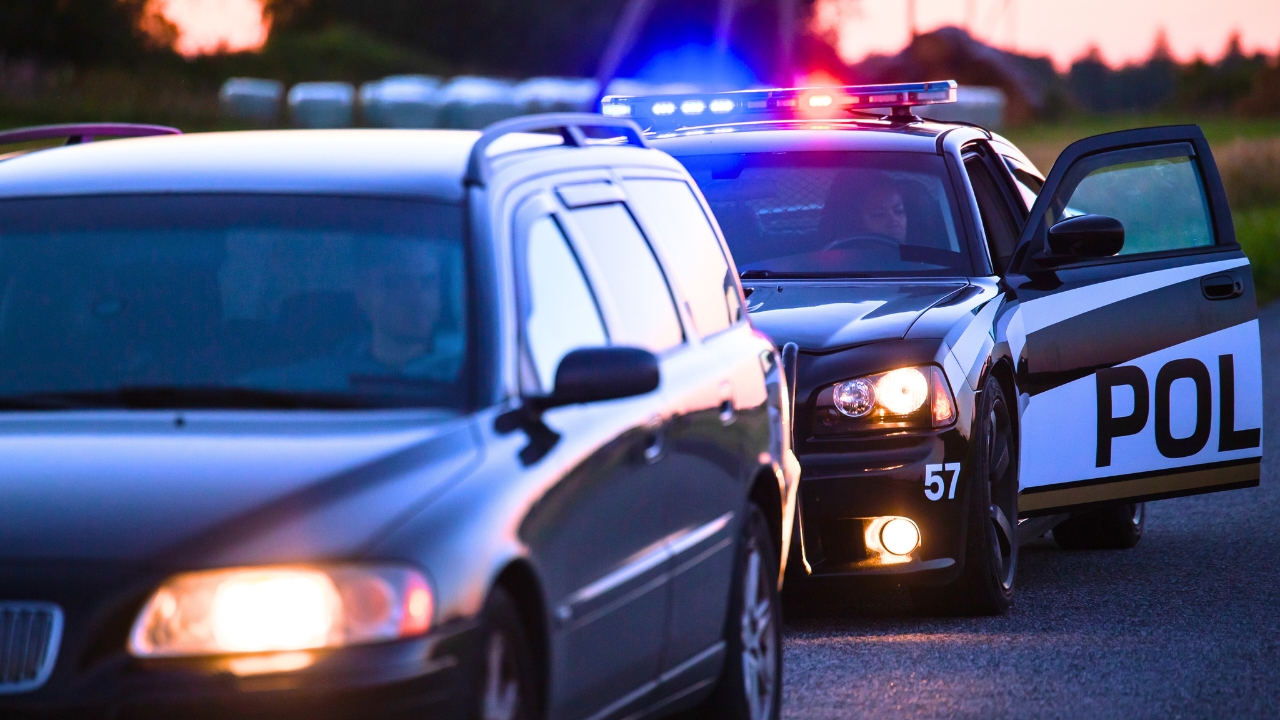
If you carry long enough, you’re going to get stopped for something dumb and normal—tag light out, rolling a stop sign, “your speed was a little high.” The problem isn’t the ticket. The problem is when people make the stop weird by moving too fast, talking too much, or trying to “help” in ways that make an officer start guessing what you’re doing. You’re not there to debate law, prove you’re a good guy, or show off how informed you are. Your job is to be predictable, keep your hands where they can be seen, and follow instructions like you’ve done it before. Calm voice, slow movements, short answers, and no surprises is how you keep a traffic stop from turning into a stressful mess.
Set yourself up before the lights come on
The best traffic stop is the one you prepare for before it ever happens, because most of the chaos comes from people rummaging around trying to find documents while an officer is walking up. Keep your license and insurance in one consistent spot that doesn’t require you to dig near your waistband, and don’t bury registration under five years of receipts. If you carry on your right side, don’t store your wallet in the same right pocket and then act shocked that reaching looks sketchy. If you want one practical piece of gear that helps keep everyone honest, a small dash cam like the Garmin Dash Cam Mini 3 is cheap insurance for clarity later, because it captures the timing, the tone, and the basic facts without you relying on memory after adrenaline hits. None of this is paranoia; it’s just being an adult who knows misunderstandings are expensive.
The first 10 seconds decide the tone
When you see lights, don’t slam on brakes and don’t keep rolling for a mile like you’re thinking about it. Signal, pull somewhere safe, put the car in park, and then your hands go where they’re obvious—on the wheel is the simplest. Night stop? Turn on interior lights if you can without reaching across your body, and keep your window down enough to communicate clearly. The biggest thing is this: stop moving. Officers don’t know you, they don’t know your intentions, and they’re walking up into an unknown situation, so the calmer and more predictable you are, the easier it is for them to stay calm too. If you’ve got passengers, tell them to stay still and quiet, because “extra movement” from the passenger seat is how normal stops get tense fast.
Don’t reach for anything until you’re told
People get themselves into trouble trying to be cooperative. They start fishing for their wallet, opening glove boxes, leaning around, and basically doing a whole scavenger hunt while the officer is still introducing themselves. That’s not helpful, it’s confusing. Wait for the request, then explain what you need to do before you do it: “My license is in my wallet in my back left pocket,” or “Registration is in the glove box.” Then pause and let them tell you what they want. If your documents are anywhere near your firearm, say that plainly and keep your hands still while you say it. You’re not asking permission like you’re scared; you’re making sure nobody misreads a movement that looks like you’re going for the gun. Slow is smooth, and smooth keeps the stop boring.
Know your duty-to-inform rule before you carry
This is where people try to wing it and end up saying the wrong thing at the wrong time. Some states require you to disclose that you’re carrying during official contact, some require it only if asked, and some don’t require it at all. If you carry across state lines, it gets even easier to screw up. I’m not telling you what your state does—this is on you to know—but I am telling you that guessing during a stop is the dumbest time to find out you were wrong. If you’re required to inform, do it early, calmly, and without drama, with your hands still visible: “Officer, I want to let you know I’m legally carrying. It’s on my right side. How would you like me to proceed?” Then shut up and follow instructions.
If you choose to disclose, don’t make it weird
Even in places where you don’t have to disclose, some carriers prefer to, and that can be fine if you do it correctly. The mistake is blurting out “I HAVE A GUN” like you’re announcing an emergency, or cracking jokes, or mixing disclosure with movement. No jokes, no sudden reaching, no “don’t worry I won’t shoot you” type comments that put ugly thoughts in the officer’s head. Keep it normal, keep it short, and immediately hand the next step to them. The entire point is to remove uncertainty, not create it. If you’re calm and you communicate clearly, most officers treat it like a non-event, which is exactly how you want it.
If they ask you to step out, don’t turn it into a power struggle
Sometimes you’ll get told to step out of the vehicle, and people take that personally like it’s an accusation. It’s often just procedure or a comfort thing, especially if they know there’s a gun involved. Do what you’re told, and do it slow. If you’re carrying appendix or anywhere that might get exposed when you stand, be aware of that and move deliberately. This is not the moment to argue the constitution on the shoulder of the road or to “educate” anyone. If something feels wrong, you handle that later through the proper channels. Right now, your goal is compliance with lawful orders, keeping your hands visible, and giving them zero reason to think you’re about to do something stupid.
Don’t consent to searches just because you feel awkward
A lot of people say yes to a search because they feel like refusing makes them look guilty. That’s backwards. You can be respectful and still protect yourself. If you don’t want to consent, you can say it plainly: “I don’t consent to searches.” Then you stop talking and you don’t physically resist anything. The reason this matters is that consenting can turn a simple stop into an hour-long fishing trip where somebody finds something you forgot about, misinterprets something, or decides to dig deeper “because you agreed.” Carrying a gun raises the stakes because now every detail gets treated like it matters more, and it often does. You don’t have to be hostile to be smart; you just have to be clear.
If they want to disarm you, let them run the process
Some officers will leave your firearm alone, some will want to secure it temporarily, and some agencies have their own policies. Your move stays the same: don’t touch the gun. Don’t try to “help” by unholstering it yourself. Don’t adjust it, don’t reposition it, don’t take it out to show it’s safe. That is how people get hurt. If they want it, they’ll tell you what to do, and you follow instructions slowly with your hands visible the whole time. If you’re confused by an instruction, you ask for clarification before you move. There’s no pride in this. You’re not losing a contest. You’re preventing a misunderstanding that can go bad in half a second.
Keep your mouth tight and your attitude boring
The easiest way to turn a normal stop into a problem is to get chatty, defensive, or sarcastic. You don’t need to answer every conversational question, and you definitely don’t need to volunteer extra details to “seem honest.” The more you talk, the more you can say something that sounds wrong later. Short, respectful answers for what you must answer, and then stop. Don’t tell war stories. Don’t talk about how you train. Don’t try to charm your way out of it. And if you’re angry about the stop, swallow it and deal with it later. This is one of those moments where emotional control is part of being a responsible carrier, because the gun makes everything feel bigger even when it isn’t.
The simple checklist you should be able to run in your head
If you want the clean version to remember, it’s this: pull over safely, park, hands on the wheel, lights on if it’s dark, wait for instructions, don’t reach for anything without saying what you’re doing, disclose only as required (or disclose calmly if you choose), follow directions slowly, don’t touch the gun, don’t consent to searches unless you truly mean it, and keep your voice calm and boring. That’s it. If you can do those things, most traffic stops stay what they should be: a minor inconvenience that ends with you driving away safe. If you can’t do those things, the gun you’re carrying becomes the reason a simple stop turns into a stressful story you’ll tell for years.
Like The Avid Outdoorsman’s content? Subscribe to our newsletter so you never miss an article.
Here’s more from us: