Photo credit: Springfield Armory
A pistol red dot doesn’t have to be fragile, but the setup does matter. Most “lost zero” stories come down to a few predictable problems: a plate stack that shifts, screws that aren’t the right length, an optic footprint that doesn’t mate cleanly, or a slide cut that relies on hardware instead of solid recoil bosses to do the real work. When the dot sits low, locks into a true interface, and the mounting system spreads recoil forces the right way, zeroing is quick—and staying there becomes boring.
The pistols below have reputations for optic setups that are straightforward to zero and resistant to getting bumped off. You still need proper torque, clean threads, and the right thread locker. But these guns give you a solid foundation so you’re not chasing your zero every time you rack off a belt or knock the slide into a barricade.
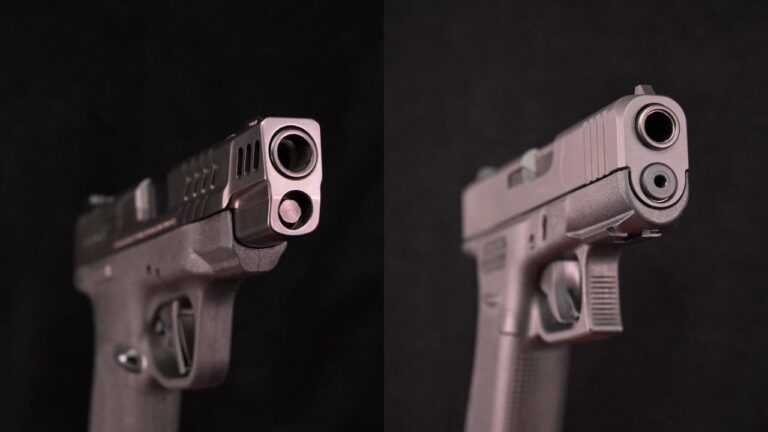
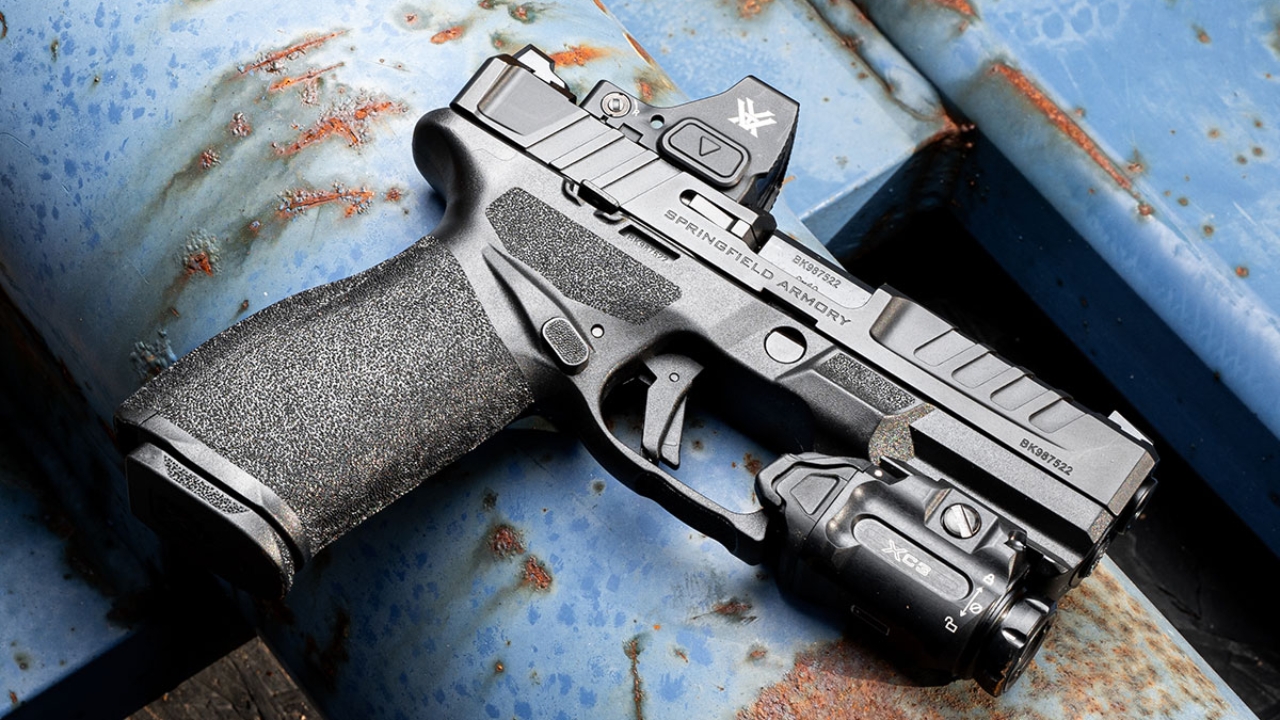
Springfield Armory Echelon

The Echelon’s optics system is one of the cleanest ideas on the market because it minimizes the usual plate drama. When your dot sits down low and the interface feels like it actually belongs there, zeroing becomes a quick job instead of a science project. The sight picture also tends to stay consistent because the optic isn’t perched on a tall stack of parts.
The other advantage is stability under recoil. When the optic is supported properly and the mounting surfaces mate cleanly, you’re less likely to see screws working loose or the dot wandering after a few long sessions. You still torque it correctly, but the gun doesn’t feel like it’s relying on screws alone to do all the work.
Glock 47 MOS (with quality plate)

MOS pistols can be extremely solid when you use a proven plate and the correct screws. The Glock 47’s longer slide and consistent recoil impulse don’t “save” a bad mount, but they do play well with a properly set up optic. Once you confirm your plate fit and torque, zeroing is usually straightforward and repeatable.
What makes the setup hard to knock out of zero is consistency. The Glock system has a huge user base, which means there’s a lot of hard-earned knowledge on what plates and screw lengths don’t cause problems. When you build it right, it stays right—even with one-handed manipulations and real training volume.
Smith & Wesson M&P9 M2.0 (optic-ready)
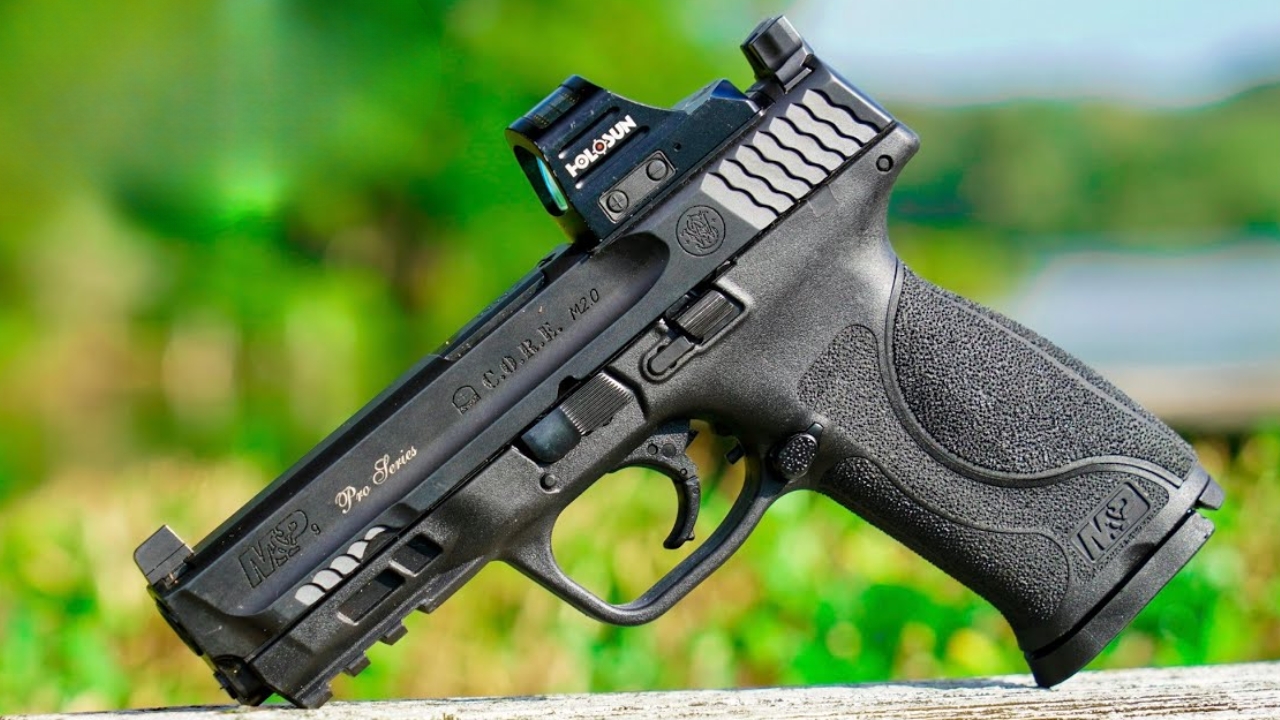
The optic-ready M&P setup has earned trust because it’s not overly complicated and it tends to hold up when you actually train. Getting the dot centered is usually quick, and the sight picture feels stable because the mounting system isn’t trying to do too many clever things.
Where it shines is staying put. The M&P’s slide mass and recoil behavior are predictable, and when your optic is mounted correctly, the gun doesn’t beat up the interface the way some snappier setups can. It’s a pistol that gets carried, dropped into holsters hard, and run dirty—and the dot generally stays where you left it if the hardware was installed correctly.
Walther PDP (factory optics-ready)

Walther’s optics-ready PDP system tends to be easy to live with because the gun is designed for dots from the start. Presentation feels consistent, and zeroing usually doesn’t take much chasing because the mount doesn’t feel mushy or vague. When you dial adjustments, the results show up cleanly on paper.
Keeping zero comes down to the interface and the way the gun tracks. The PDP is a fast, snappy shooter, but it returns predictably, which helps keep stress off the mounting system when you’re shooting hard. With a proper plate and correct torque, it’s a setup that stays stable through high round counts and repeated slide manipulations.
SIG Sauer P320 (Pro Cut / direct optic-ready slides)

The P320 can be a very stable dot host when you’re using the optic-ready slide setups that have matured over time. Zeroing is usually straightforward because the system is common and the hardware options are well understood. Once the dot is dialed, it typically stays consistent session to session.
The bigger win is how easy it is to keep everything tight and repeatable. When you’ve got clean threads, correct screws, and a good mount, the P320 doesn’t tend to “walk” the dot around. It’s also a platform where many shooters run dots for serious round counts, which means the weak setups get exposed quickly and the solid ones stick around.
FN 509 MRD

The FN 509 MRD has a duty-gun attitude, and the optics setup reflects that. Zeroing is usually painless because the system is designed around real use, not light range work. Once it’s mounted properly, it tends to stay consistent even when the gun gets hot and gritty.
The 509’s value is durability. The slide and recoil impulse feel stout, and the optic mount doesn’t seem to get bullied out of position easily. If you’re the type who racks the gun off a belt, runs one-handed drills, and doesn’t baby your gear, the 509 MRD is one of the pistols that keeps the dot where you put it.
HK VP9 OR
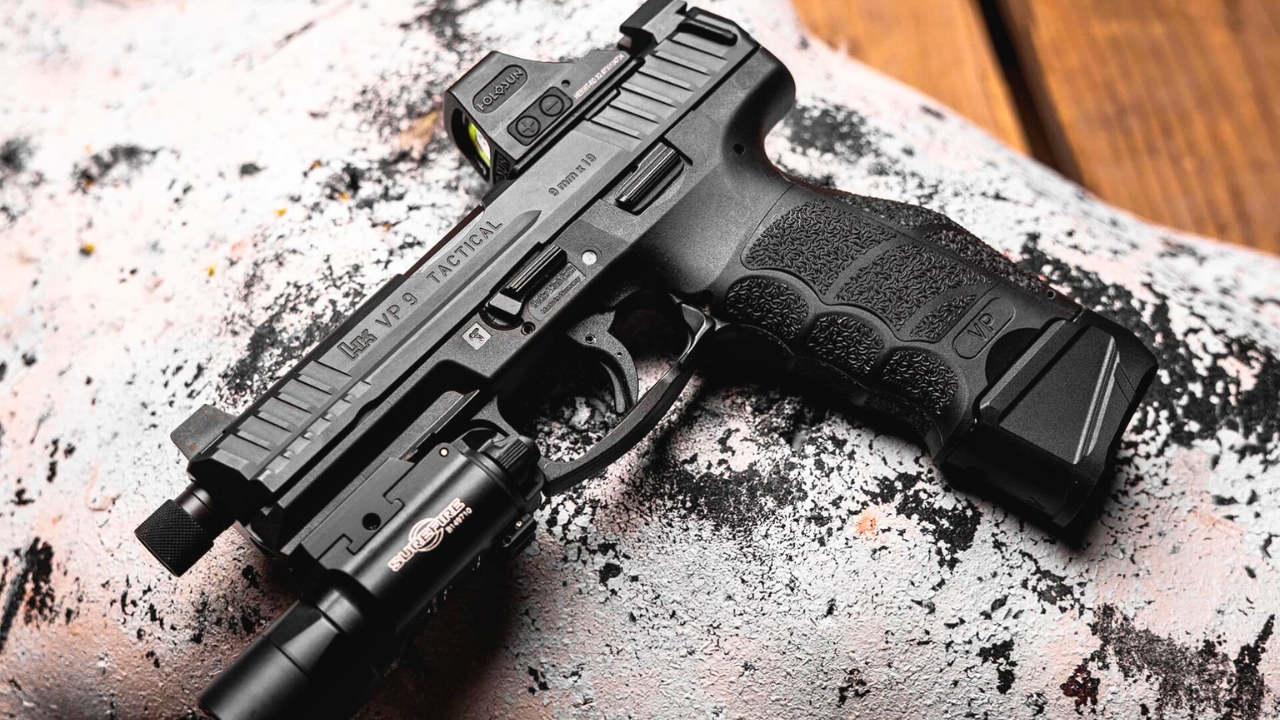
The VP9 OR is a steady performer as a dot gun because the pistol itself is smooth and predictable. That makes zeroing easier—you’re not fighting erratic recoil or a trigger that makes you yank shots. When your groups are honest, you can set zero quickly and trust the adjustments.
Keeping zero comes from the VP9’s consistent behavior over long sessions. The gun doesn’t suddenly change character as it gets dirty, and it doesn’t feel like it’s hammering the optic interface with weird impulses. With proper mounting practices, the VP9 tends to keep your dot stable even if the pistol sees heavy practice and frequent holstering.
CZ P-10 C OR
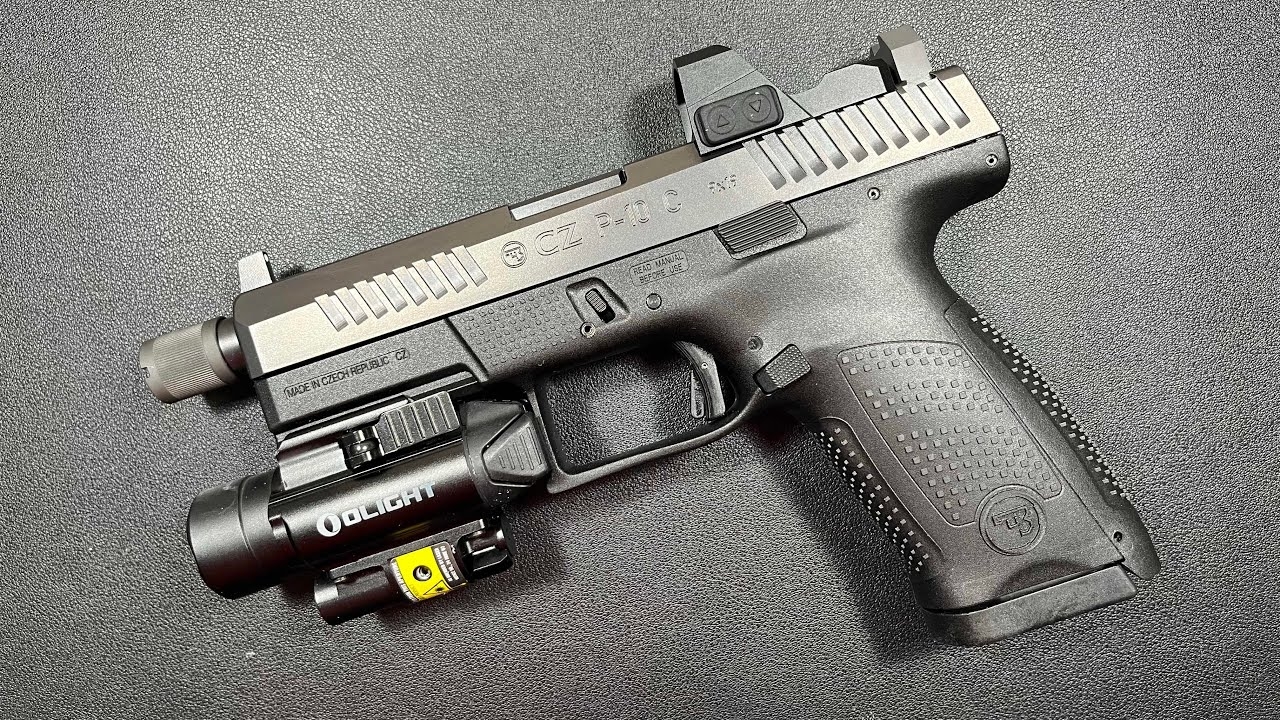
The P-10 C optics-ready setup is popular for a reason: it’s straightforward, and the pistol is accurate enough that zeroing feels clean. You’re not guessing whether the gun is throwing a flyer or your dot is off. The recoil impulse also tends to be easy to track, which helps you confirm a solid zero quickly.
Once it’s mounted correctly, it usually stays put. The P-10 doesn’t have a reputation for shaking optics loose when the hardware is right. It’s a practical pistol for people who train, and that’s the real test. A dot that holds through repeated draws, reloads, and barricade work is the one you can actually trust.
Beretta APX A1 (optic-ready)

The APX A1 optic-ready setup is more refined than many shooters expect. Getting a clean zero is easier when the pistol groups well and the dot stays visually stable in recoil. The APX’s recoil impulse often feels like a shove, which helps you shoot consistent groups while you’re dialing.
The bigger deal is durability in normal use. The APX is built as a service pistol, and the optic mounting system isn’t an afterthought. With correct screws and torque, it tends to resist getting knocked out even when the pistol sees hard holster work, slide racking against gear, and long practice sessions. It’s not the loudest gun on the internet, but it’s a steady dot host.
Canik METE SFT Pro
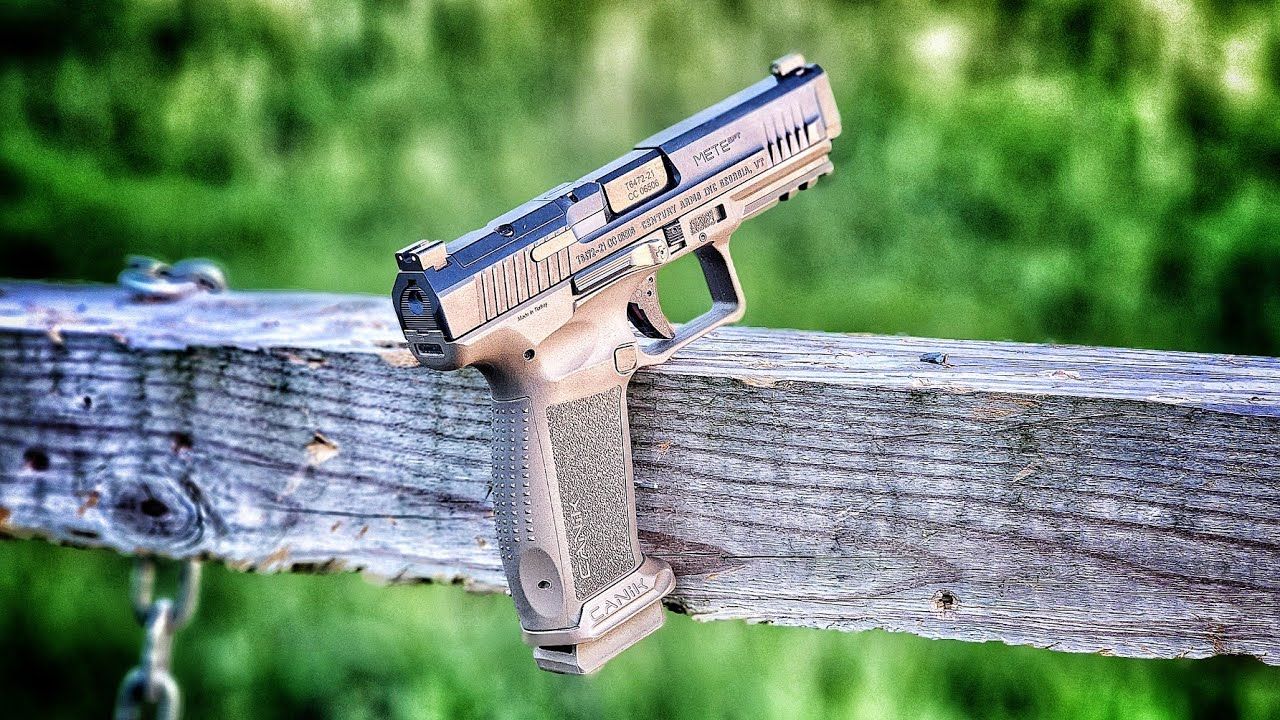
Canik’s METE Pro line has become a common dot platform because it’s easy to shoot well and easy to set up. Zeroing goes faster when the trigger is consistent and the gun tracks predictably. The METE SFT Pro helps there, because your groups tend to reflect your settings instead of random noise.
Staying in zero comes down to mounting quality, and the METE’s system has held up well for a lot of shooters who actually run drills. It doesn’t feel fragile, and it doesn’t act like it’s loosening itself over time. When a pistol makes it easy to confirm zero, you’re also more likely to catch issues early—another reason the setup feels trustworthy.
Ruger RXM (optic-ready variant)
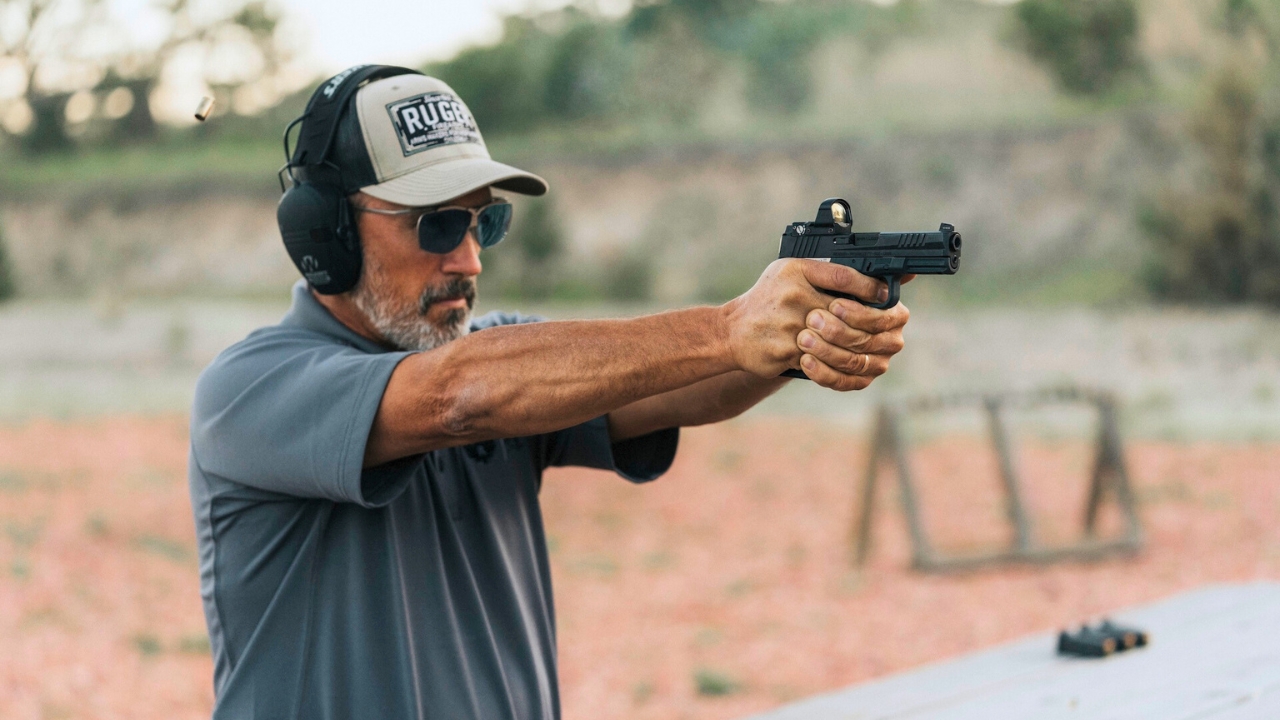
Ruger’s newer dot-ready pistols have been aimed at practical carry and training use, and that shows in how the optics setup is approached. When the mounting surfaces are clean and the system isn’t overly complicated, getting a good zero doesn’t take much effort. You can focus on shooting tight groups and making small adjustments.
Keeping zero is about resisting shift, and these pistols tend to be built with real-world handling in mind—holster wear, manipulations, and routine bumps. As long as the optic is installed correctly, the platform generally behaves predictably and doesn’t invite constant re-checking. A pistol you can set and forget is the whole goal with a carry dot.
Staccato P (DUO)

The Staccato P is one of the easiest pistols to zero because it’s inherently accurate and stable in recoil. When the gun shoots tight, repeatable groups, you’re not wasting ammo trying to figure out what’s you and what’s the setup. The dot adjustments show up clearly on target.
Holding zero is where the Staccato earns its reputation. The platform is built for hard use, and the optic system is intended to survive real training volume. The recoil impulse is smooth and the slide cycles in a way that doesn’t feel like it’s trying to shake the optic loose. If you want a dot gun that stays boring after thousands of rounds, this is a common answer for a reason.
Shadow Systems DR920 (optic-ready)
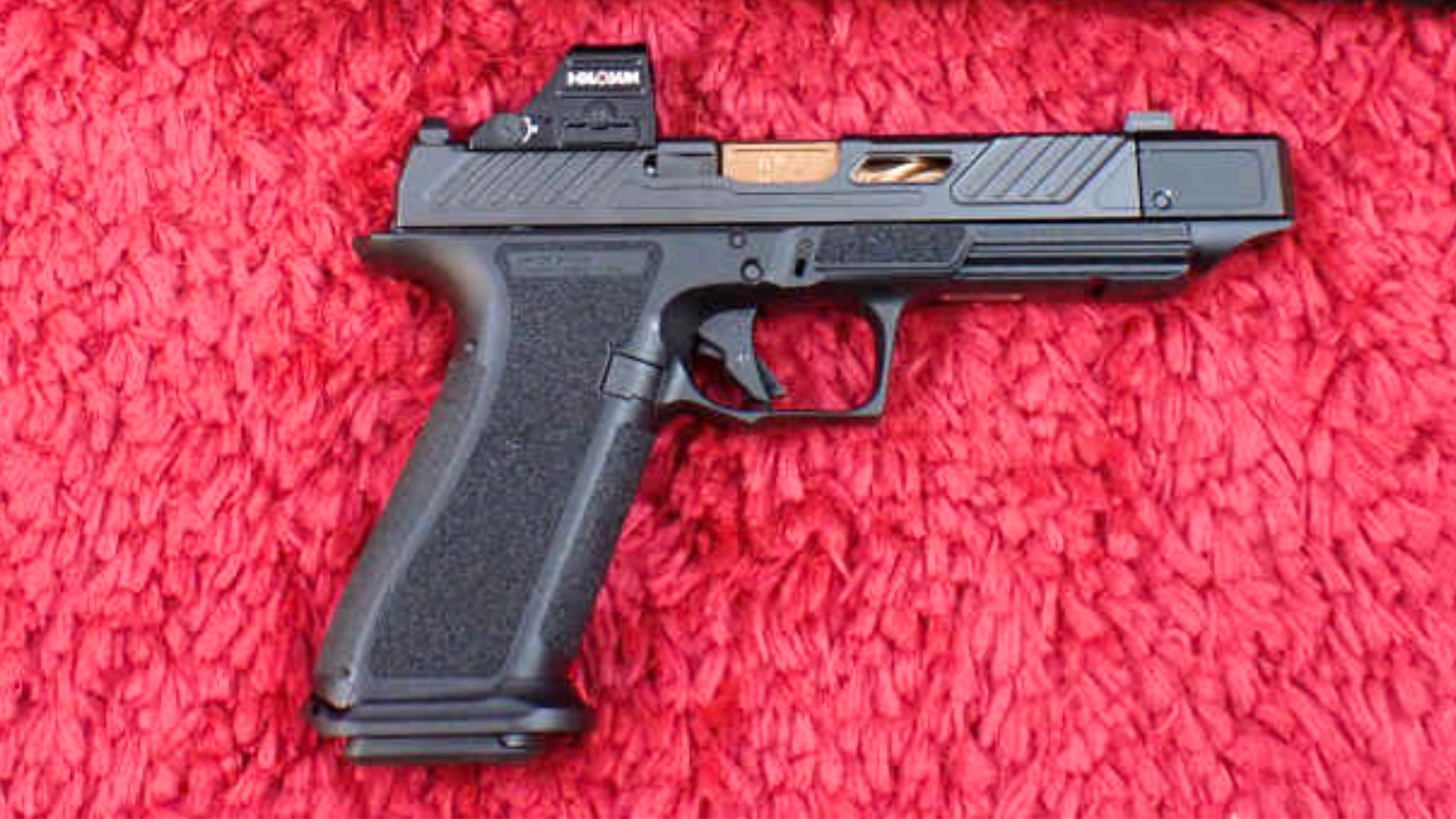
Shadow Systems pistols are popular dot hosts because the optics setup is meant to be functional without a lot of extra parts. That helps keep the stack lower and reduces the chances of something shifting. When you can mount cleanly and get a consistent sight picture, zeroing becomes a quick task.
Keeping zero is about stability under abuse, and these guns are often used for exactly that—carry, classes, and high round counts. When installed correctly, the dot tends to stay where you set it even with repeated slide manipulations and the occasional bump into gear. The DR920 isn’t magic, but it’s built with the idea that a dot pistol should be practical, not delicate.
IWI Masada (optic-ready)

The Masada is a straightforward pistol, and that’s a benefit when you’re running a dot. Zeroing is easier when the gun is consistent and the trigger doesn’t force you into bad presses. The Masada tends to group well enough that you can dial a practical zero without chasing it.
Staying in zero comes down to the pistol’s predictable behavior over time. The Masada doesn’t tend to get temperamental as it heats up, and it’s not known for weird shifts that make you distrust your equipment. With the right mounting practices, it holds up to normal carry use and training without making you constantly re-check your dot after every session.
SIG Sauer P365 XMacro (optic-ready)

A carry-size gun can be tougher on optics because everything is lighter and snappier, but the XMacro has proven it can be a stable dot platform when mounted correctly. Zeroing is usually quick because the pistol is shootable enough to produce honest groups, and the sight picture stays consistent.
Keeping zero is helped by the fact that so many people run dots on this platform, which has sorted out best practices for screws, torque, and mounting habits. When you do it right, the dot doesn’t wander easily—even with daily carry, repeated holstering, and one-handed slide work. It’s a pistol that’s been vetted in the real world, and that matters more than internet opinions.
Glock 19 MOS (with quality plate)
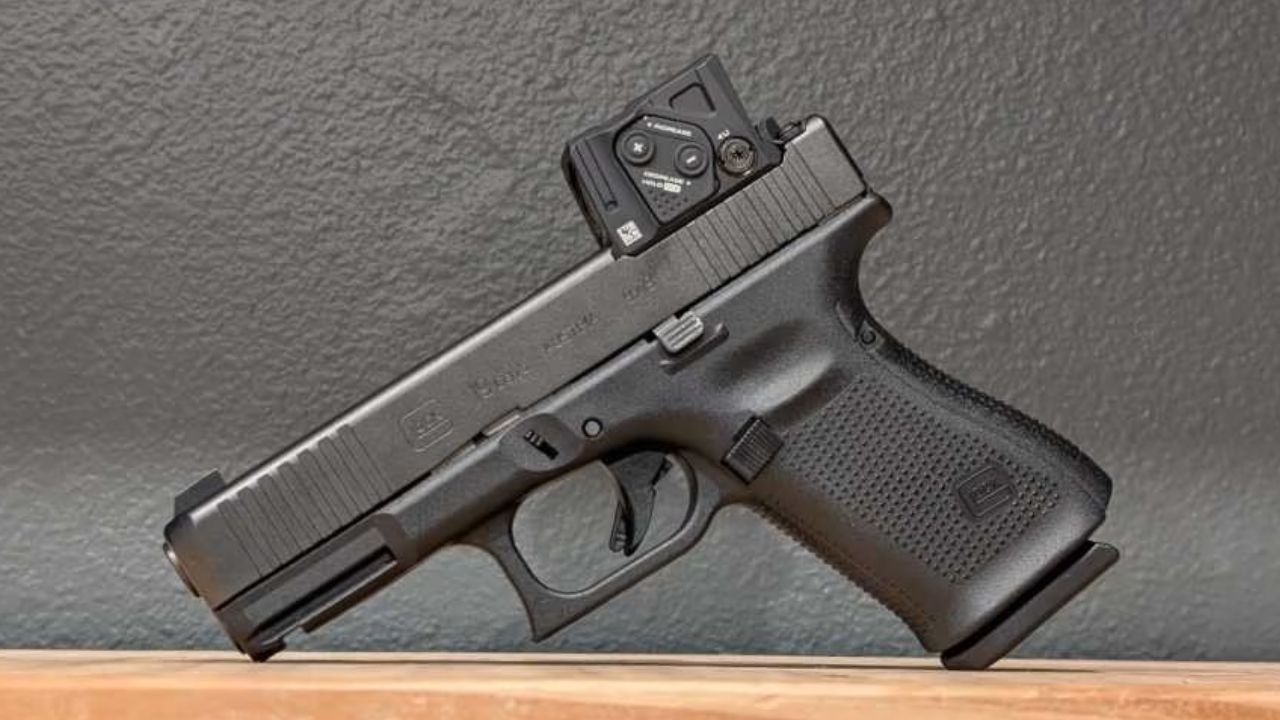
The Glock 19 MOS is still one of the most common dot setups for a reason: it’s proven and it’s easy to troubleshoot. Zeroing is straightforward when you have a stable mount, and the gun’s consistency makes your groups predictable while you dial adjustments.
Holding zero comes down to doing the setup correctly, and the Glock ecosystem makes that easier because the good solutions are well known. With a proven plate and proper screws, the dot tends to stay put through daily carry, training volume, and the kind of slide manipulations people actually do. When your optic mount is solid, the Glock 19 becomes the definition of boring—and boring is exactly what you want.
Like The Avid Outdoorsman’s content? Be sure to follow us.
Here’s more from us: