Photo credit: VSB defense/YouTube
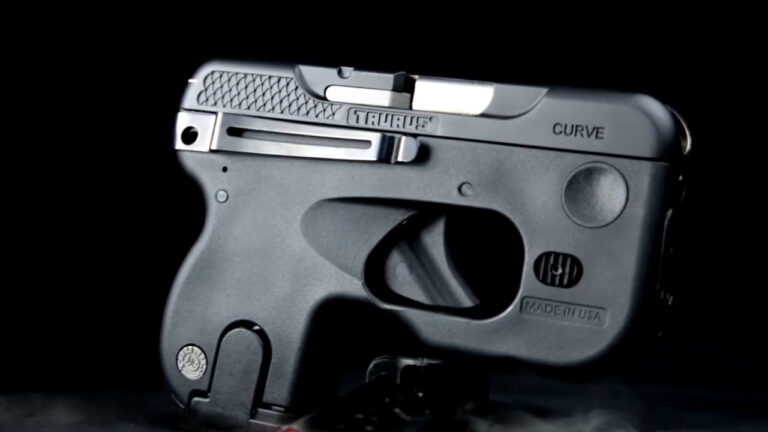
Pocket pistols have come a long way. What used to be tiny .25s stuffed into Saturday night specials are now capable defensive tools chambered in real fight-stopping calibers. The last 50 years have seen changes in size, materials, capacity, and reliability. Some of those changes were overdue, and some caught a few people off guard.
If you’re curious how we went from unreliable backups to serious EDC contenders, here’s how pocket pistols have changed—and why that matters more than you might think.
Materials Got Lighter and Stronger

In the 1970s, most pocket pistols were made of pot metal, cast zinc, or steel. They were heavy for their size and not exactly built for high round counts. Drop one on the pavement and you might be out a gun.
Now you’ve got options in aircraft-grade aluminum, polymer, and stainless steel that hold up to actual use. These aren’t throwaway guns anymore—they’re built to stay in the rotation.
Tiny Guns Chamber Big Rounds Now

Fifty years ago, pocket pistols usually meant .22, .25 ACP, or maybe .32 ACP if you were lucky. Those were better than nothing, but no one was bragging about knockdown power.
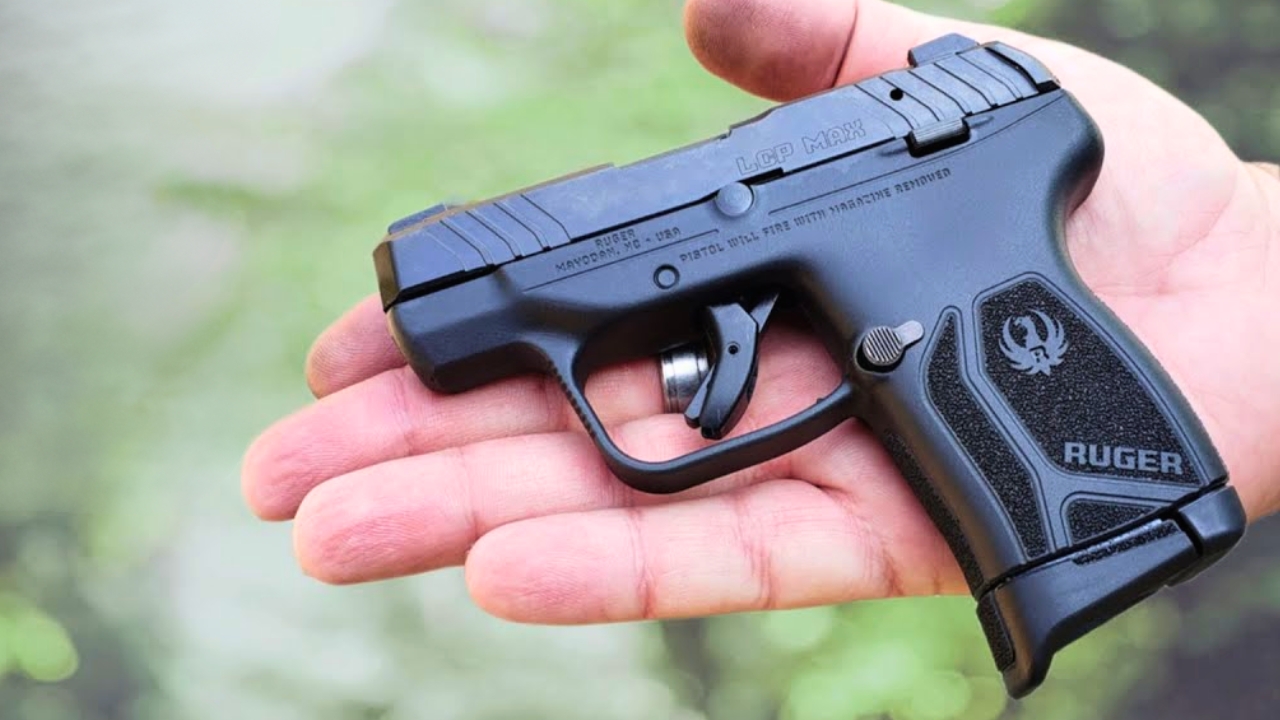
Today, you can find .380 and even 9mm in packages small enough to hide in a pants pocket. Sure, they’re snappy, but they pack far more punch than the old-school mouse guns ever did.
Triggers Got Way Better

Back in the day, many pocket pistols had heavy double-action-only triggers or weird, mushy pulls that made accurate shooting tough. Combine that with tiny grips, and you had a real challenge.
Modern pocket guns have much cleaner triggers—some even rival full-size pistols. It makes a noticeable difference when you’re trying to get hits under pressure.
Capacity Went Up Without Getting Bigger

Old-school pocket pistols often topped out at 5 or 6 rounds. You carried a reload—or you didn’t. That was just the reality of small guns.
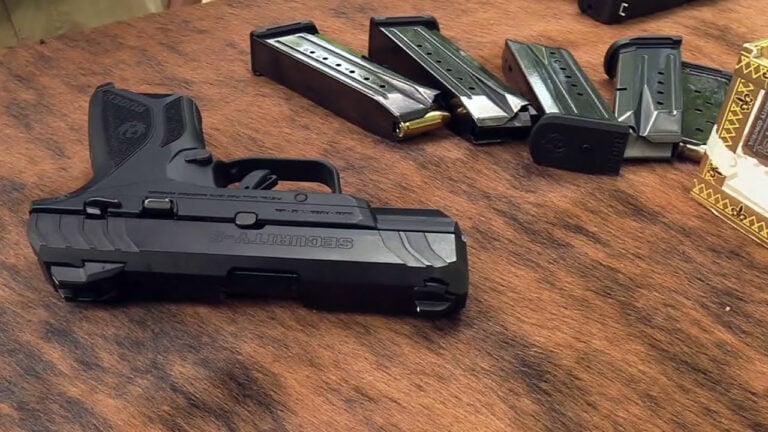
Now we’ve got staggered magazines and smart engineering. It’s not unusual to see a pocket-sized 9mm with 10 rounds or more. That’s a big jump in firepower without a big jump in size.
Sights Are Actually Usable Now

Most early pocket pistols had sad excuses for sights—if they had sights at all. You were expected to point-shoot at arm’s length and hope for the best.
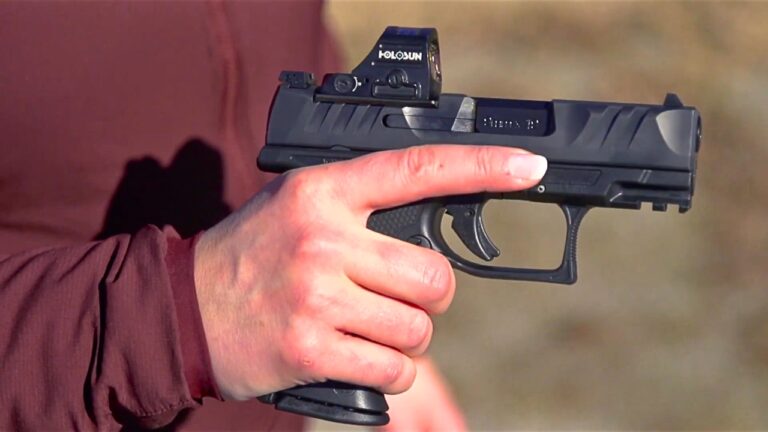
Nowadays, you’ll find pocket pistols with real three-dot sights, night sights, and even optic cuts. That’s a game-changer when you’re aiming for precision instead of just minute-of-bad-guy.
Reliability Isn’t a Gamble Anymore
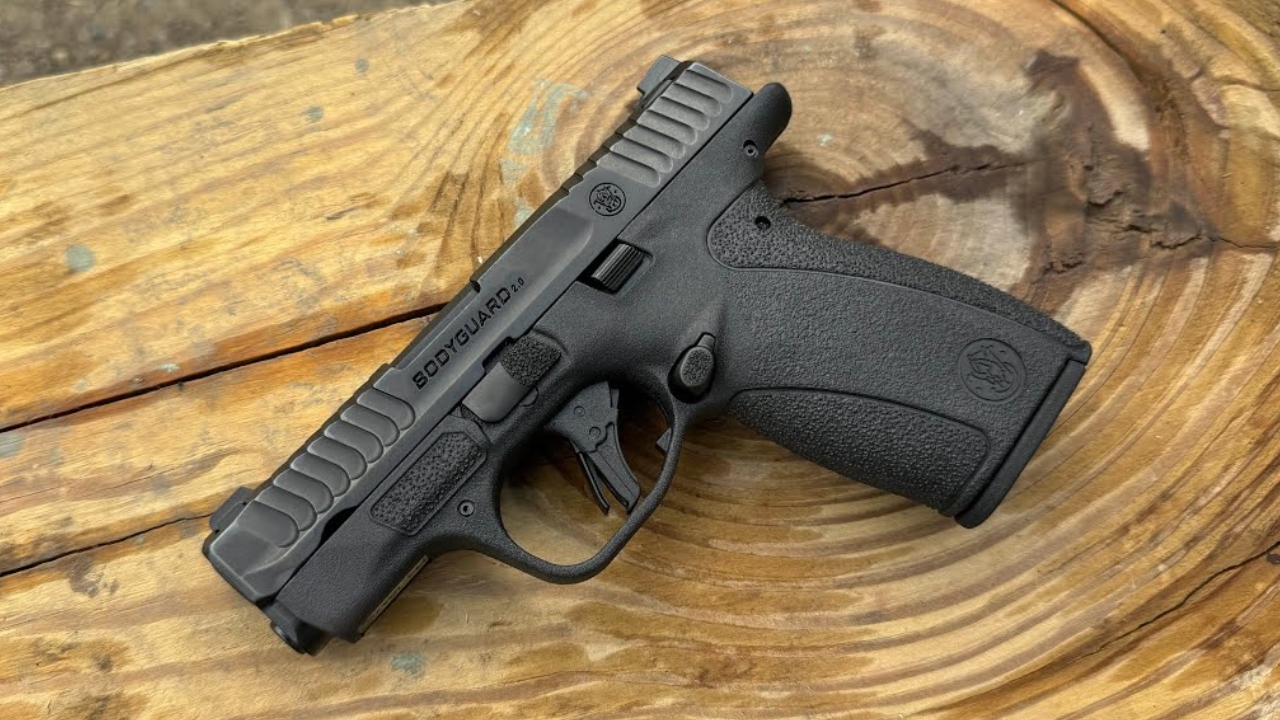
It used to be a roll of the dice. Many pocket pistols from decades ago were known for being picky with ammo or choking at the worst moment. People carried them more as a last resort than a dependable tool.
Now you can run hundreds of rounds through many modern pocket guns without a hiccup. That confidence factor makes them far more suitable for serious carry.
Ergonomics Have Improved

Pocket pistols of the past were often painful to shoot. Small grips, sharp edges, and poor recoil control made practice sessions miserable—or nonexistent.
Manufacturers finally realized that people will shoot their small guns more if they’re not torture devices. Better grip textures, undercuts, and extended magazines make modern versions much easier to hang onto.
Holster Support Has Exploded

In the 1970s and ‘80s, if you wanted a holster for your little pistol, you either made do with a generic fit or tried your luck at a gun show. Not exactly ideal.
These days, there’s a holster for nearly every pocket pistol on the market. You’ve got options for pocket carry, ankle rigs, deep concealment, and more—built to actually work with your specific model.
Safety Features Are More Thoughtful

Old-school pocket pistols often had strange or questionable safety systems. Some had magazine disconnects, some didn’t. Some had slide-mounted safeties no one used. It was inconsistent, at best.
Modern pocket pistols tend to offer cleaner, simpler safety setups—trigger safeties, striker blocks, or even no manual safety at all, depending on your preference. That clarity is a big win.
They’re Taken Seriously Now
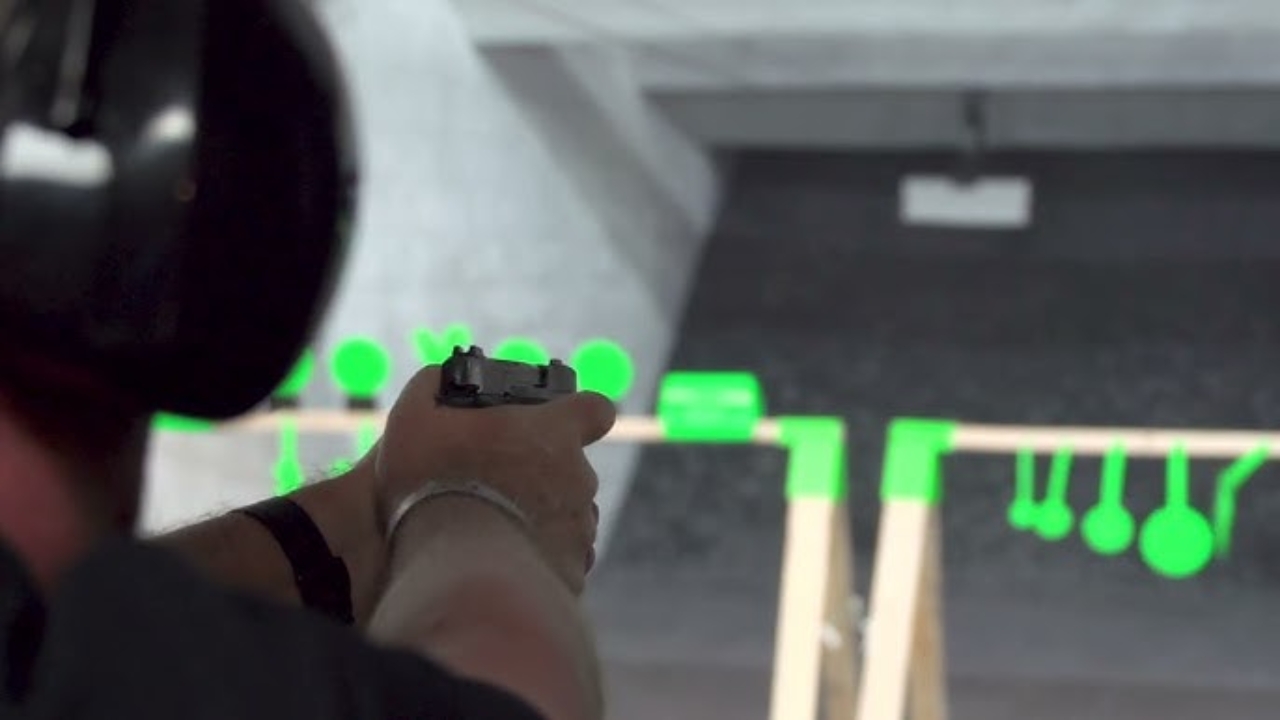
For a long time, pocket pistols were looked at as “better than nothing” guns—good for deep concealment or backup but not much else. They weren’t really respected.
That’s changed. Today’s pocket guns are designed with serious defensive use in mind. They’re tested, refined, and trusted by people who actually train. They’re no longer a joke—they’re just small.
*This article was developed with AI-powered tools and has been carefully reviewed by our editors.