Photo credit: Shutterstock AI/Shutterstock.com
Cold weather doesn’t just make you miserable—it changes how a rifle runs. Oil thickens, carbon turns gritty, polymer gets less forgiving, and tiny amounts of moisture become ice in the worst possible places. Add gloves, numb fingers, and ammo that’s been riding in a cold pack all morning, and you’ve got a recipe for the kind of “mystery malfunctions” that never show up on a sunny range day.
The rifles that struggle most aren’t always junk. A lot of them are accurate, well-made, and popular. They just have less tolerance for thick lube, tight clearances, lightened springs, or rimfire ammo that already runs dirty. If you hunt, train, or work a rifle when it’s well below freezing, these are the kinds of guns that can start acting like you offended them.
Ruger 10/22
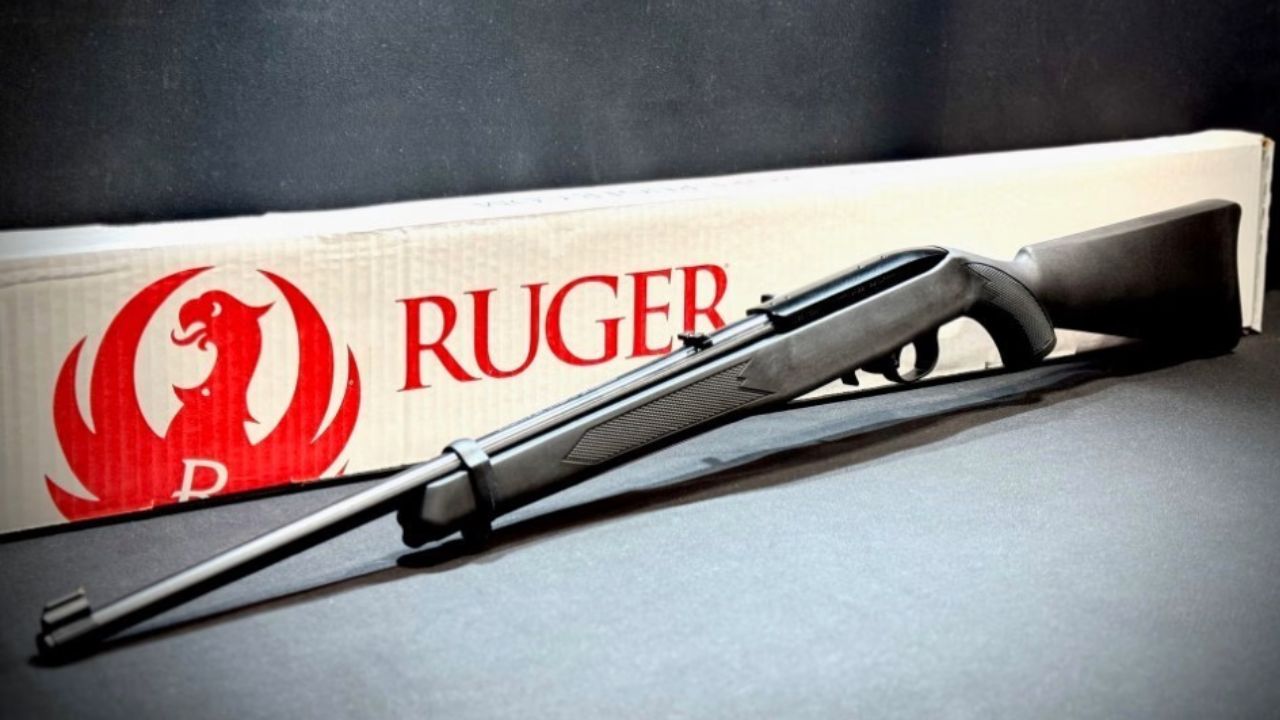
A 10/22 can run forever—until the temperature drops and the whole system slows down. Rimfire ammo is already filthy, and the waxy lube on .22 bullets doesn’t get friendlier when it’s cold. Add a little thick oil inside the receiver and you’re suddenly asking a small bolt and a small spring to do big work.
You’ll usually notice it as sluggish cycling, weak ejection, or a rifle that runs fine for a few mags and then starts choking once the crud stiffens up. If you’ve got a tight aftermarket chamber or a heavy bolt handle setup, the margin gets even smaller. In real winter use, a 10/22 often wants less lube and more attention than you expected.
Remington 597
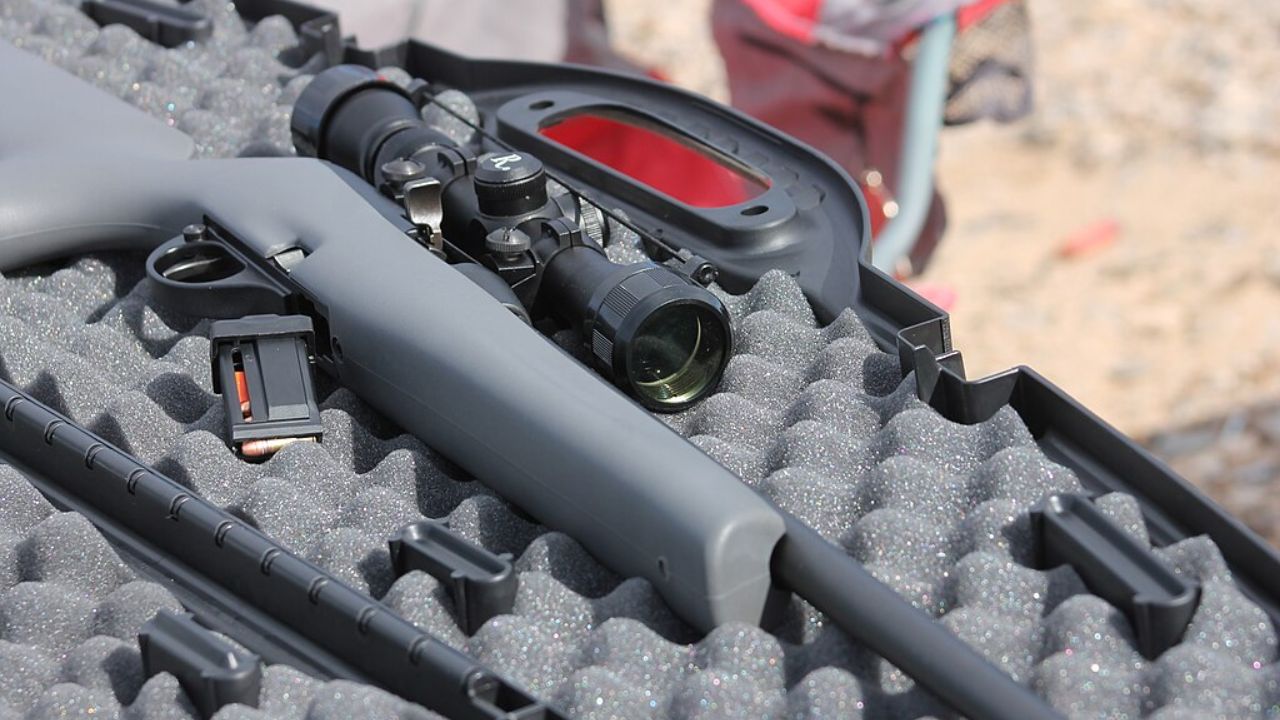
The 597 is one of those .22s that can be pleasant when everything is clean and tuned, then strangely stubborn once conditions get rough. Cold weather magnifies that personality. The action doesn’t have a lot of extra energy to spare, and rimfire gunk turns into a paste when it’s mixed with the wrong lubricant.
In the field, you’ll see intermittent feeding hiccups, inconsistent ejection, or a rifle that feels “draggy” as the bolt cycles. If your magazines are dirty or the ammo is lower-powered bulk stuff, the rifle can start acting like you changed something—even when you didn’t. It’s not that the design can’t work in the cold. It’s that it doesn’t forgive lazy prep.
AR-15s tuned for soft recoil (light buffers, adjustable gas)

A competition-tuned AR that runs like a sewing machine in July can turn into a drama queen in January. When you tune a rifle to the edge—light buffer, reduced-power spring, adjustable gas set low—you’re trading reliability margin for smoothness. Cold air thickens lube and slows carriers, and the rifle suddenly doesn’t have enough push to finish the job.
What it looks like is predictable: short-stroking, failures to lock back, and occasional failures to feed when the bolt doesn’t come far enough rearward. If you’re also running a dirty gun or weaker ammo, it stacks fast. In the cold, the “perfectly tuned” setup often needs to be detuned a little to stay boring.
Aero M5 / AR-10 pattern .308 builds
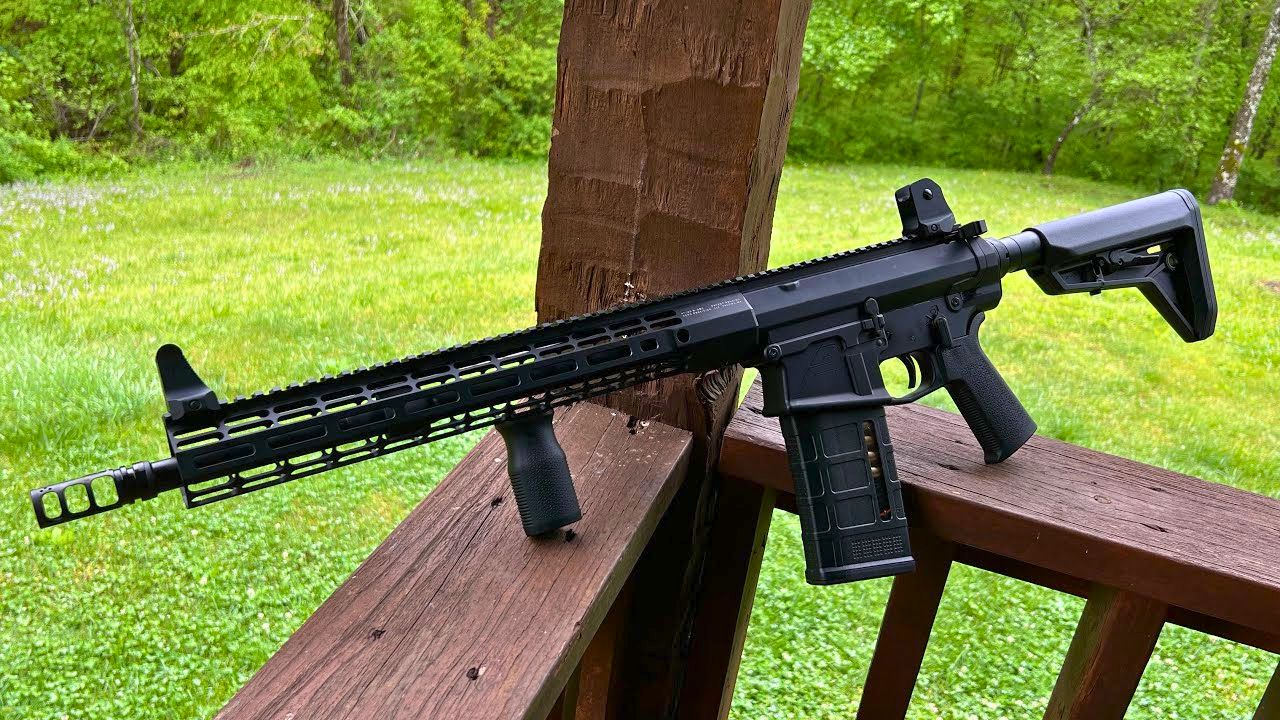
The AR-10 world already has fewer true standards than the AR-15 world, and cold weather doesn’t make that any easier. A .308 gas gun has more mass moving around, more gas volume, and often more variables in buffer weight and spring rate. When temperatures drop, the rifle can go from reliable to inconsistent with no warning.
You’ll usually see sluggish cycling, failures to lock back, or feeding issues that feel magazine-related even when they aren’t. Add thick oil in the carrier rails and you’ve basically created a brake. AR-10 pattern rifles can be excellent in winter, but they tend to demand smarter setup and cleaner running conditions than a basic 5.56 carbine.
Browning BAR

The BAR has put a lot of venison in freezers, and it’s earned a loyal following. But any hunting semi-auto with a more complex gas system can get temperamental when it’s cold, dirty, and running on ammo with slightly different burn characteristics. Cold can also turn old lubricant into glue in places you can’t easily see.
In the field, the BAR’s winter issues often show up as sluggish cycling, failures to fully chamber, or inconsistent ejection once the rifle has been carried in and out of a warm truck. That warm-cold cycle creates condensation, and condensation turns into ice where you don’t want it. A BAR can be dependable in the cold, but it rewards a dry, lightly lubed setup more than an “oiled like a shotgun” approach.
Benelli R1
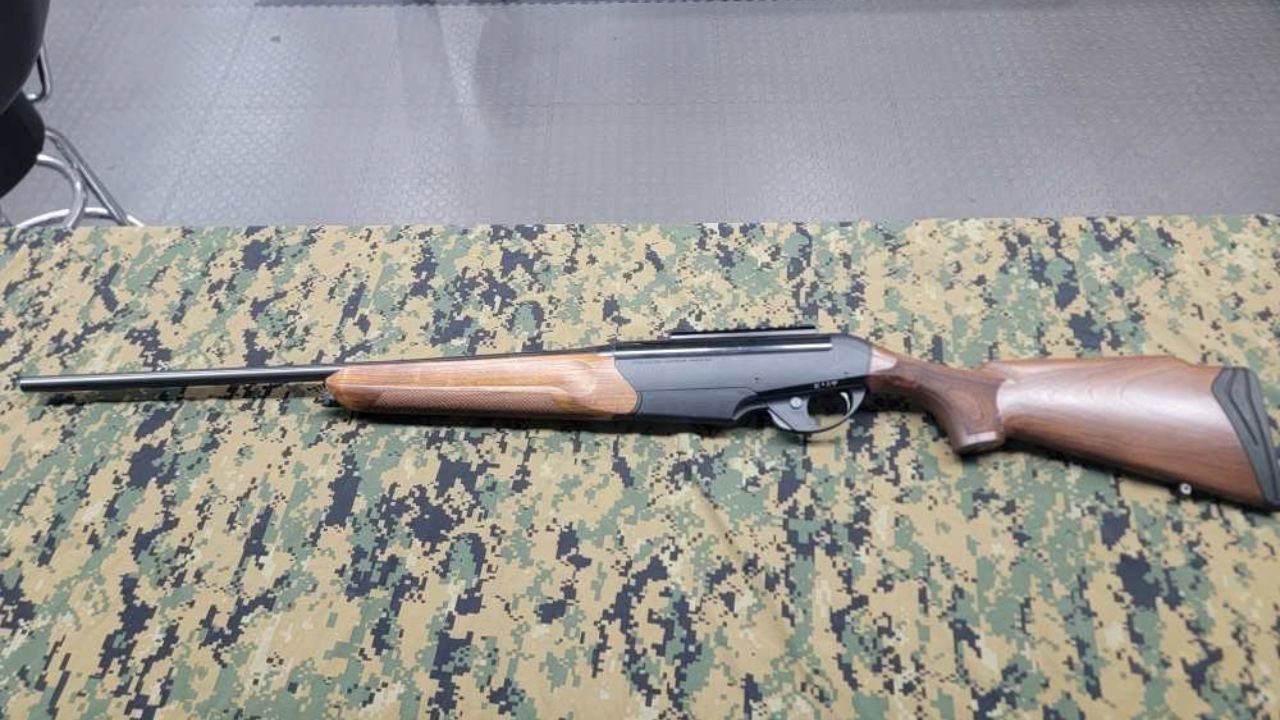
The Benelli R1 is a slick concept: a fast-handling semi-auto that feels more refined than a lot of hunting autoloaders. But cold weather can expose the downside of any system that relies on smooth movement and consistent energy. When lube thickens and carbon hardens, the rifle can lose that easy rhythm it had on a mild day.
You’ll notice it when the bolt feels slower, the rifle starts leaving cases in strange places, or it occasionally fails to return fully into battery. A lot of guys only discover this after the rifle rides on an ATV rack all morning, then gets fired once at a deer. Winter doesn’t care that the rifle is “premium.” It cares about friction and timing.
Remington 7400 / 750 Woodsmaster

These rifles have a long history in deer camps, and that’s exactly why they show up here. When they’re clean and running right, they can be solid. When they’re worn, dirty, or over-lubed, cold weather can turn small issues into big ones fast. They don’t always tolerate neglect the way people assume a “deer rifle” should.
In the cold, you’re more likely to see failures to feed, failures to extract, or a bolt that doesn’t return with enough authority. Add in the common habit of leaving them with old oil and old carbon, and winter becomes the stress test. If you’re counting on one for a freezing stand, the rifle usually wants a cleaner start than most owners give it.
Ruger PC Carbine
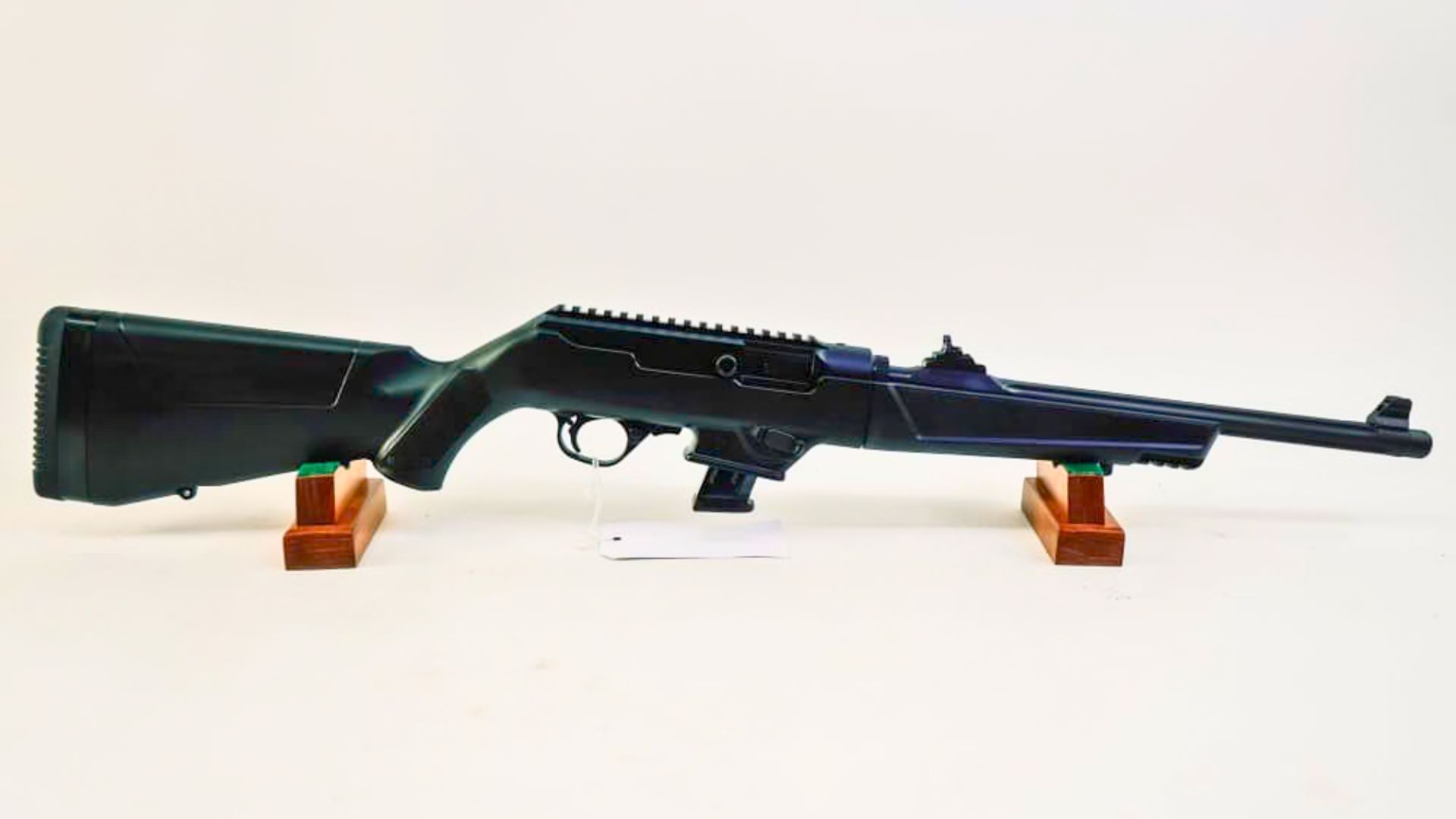
Blowback carbines are often advertised like they’re foolproof: fewer moving parts, straightforward operation, easy maintenance. Cold weather reminds you that blowback guns still depend on bolt speed and spring balance. Thick lube, stiffened grease, and gritty fouling can slow the bolt just enough to create reliability hiccups.
What you’ll see is inconsistent ejection, occasional failures to feed, or a rifle that runs fine until it’s been shot enough to get dirty and cold-soaked at the same time. If you’re using mixed magazine types or older mags with tired springs, that can show up harder in winter. The PC Carbine can be a great cold-weather gun—just not when it’s treated like it can’t be affected by friction.
Ruger Precision Rifle

Precision bolt guns are built to feel smooth and consistent, but they also tend to run tighter than a basic hunting rifle. Cold weather punishes tight clearances, especially when you add thick oil or when fine grit gets mixed into whatever lube is on the bolt body. A chassis rifle also brings detachable mags and more places for snow to pack in.
The winter headache usually looks like sticky bolt lift, slow bolt close, or feeding that feels rough when the mag gets cold-soaked and gritty. If you’ve got a very tight chamber, you can also feel more resistance with certain ammo when everything is at its coldest. The RPR isn’t fragile. It just doesn’t love sloppy lubrication and sloppy handling when it’s below freezing.
Savage 110 Precision

Savage rifles kill a lot of deer and win plenty of budget-friendly accuracy bets, but the cold can highlight their rough edges. Bolt drag, gritty feel, and stiff cycling tend to show up more when temperatures are low and you’ve got any thick lube in the action. Add snow in the magazine well and it can start feeling like you’re forcing the rifle to behave.
You’ll notice it when the bolt feels sticky on the return stroke or when feeding feels inconsistent under speed. The AccuTrigger system is generally solid, but any trigger can become less friendly when moisture freezes around the mechanism. Winter doesn’t demand perfection. It demands consistency. A Savage can deliver it, but it often needs a “less is more” approach with oil and a little more attention to keeping the action dry.
Remington 700 with a very light aftermarket trigger

A 700 can be as dependable as gravity, but a lot of hunters turn them into precision rigs with very light triggers. That’s fine on a clean range. In bitter cold, moisture, ice crystals, and fine snow can turn a light trigger into a different experience—especially if it’s not sealed up tight or it’s been sprayed with the wrong lubricant.
The cold-weather problem isn’t always dramatic. Sometimes it’s a trigger that feels different than it did yesterday, or a rifle that doesn’t reset as cleanly when you’re wearing gloves and working fast. The action itself usually keeps going. The interface—the part you’re relying on under stress—can start feeling less predictable. Winter is when a sensible trigger weight starts making a lot of sense again.
CZ 457

The CZ 457 is one of the best rimfire bolt guns for the money, and it can be incredibly accurate. But if you run a tight match chamber and you shoot a steady diet of waxy, dirty rimfire ammo, cold weather can make chambering and extraction feel noticeably tougher. That’s not a CZ flaw. That’s rimfire reality meeting tight tolerances.
You’ll notice it as stiff bolt close on slightly inconsistent ammo, or extraction that feels sticky once the chamber gets fouled and cold-soaked. If you’re shooting suppressed, the problem can show up sooner because the system gets dirtier faster. A 457 can be a winter hammer, but it’s not the rifle you ignore all season and then expect to behave perfectly on the coldest morning of the year.
Ruger American Ranch (7.62×39)
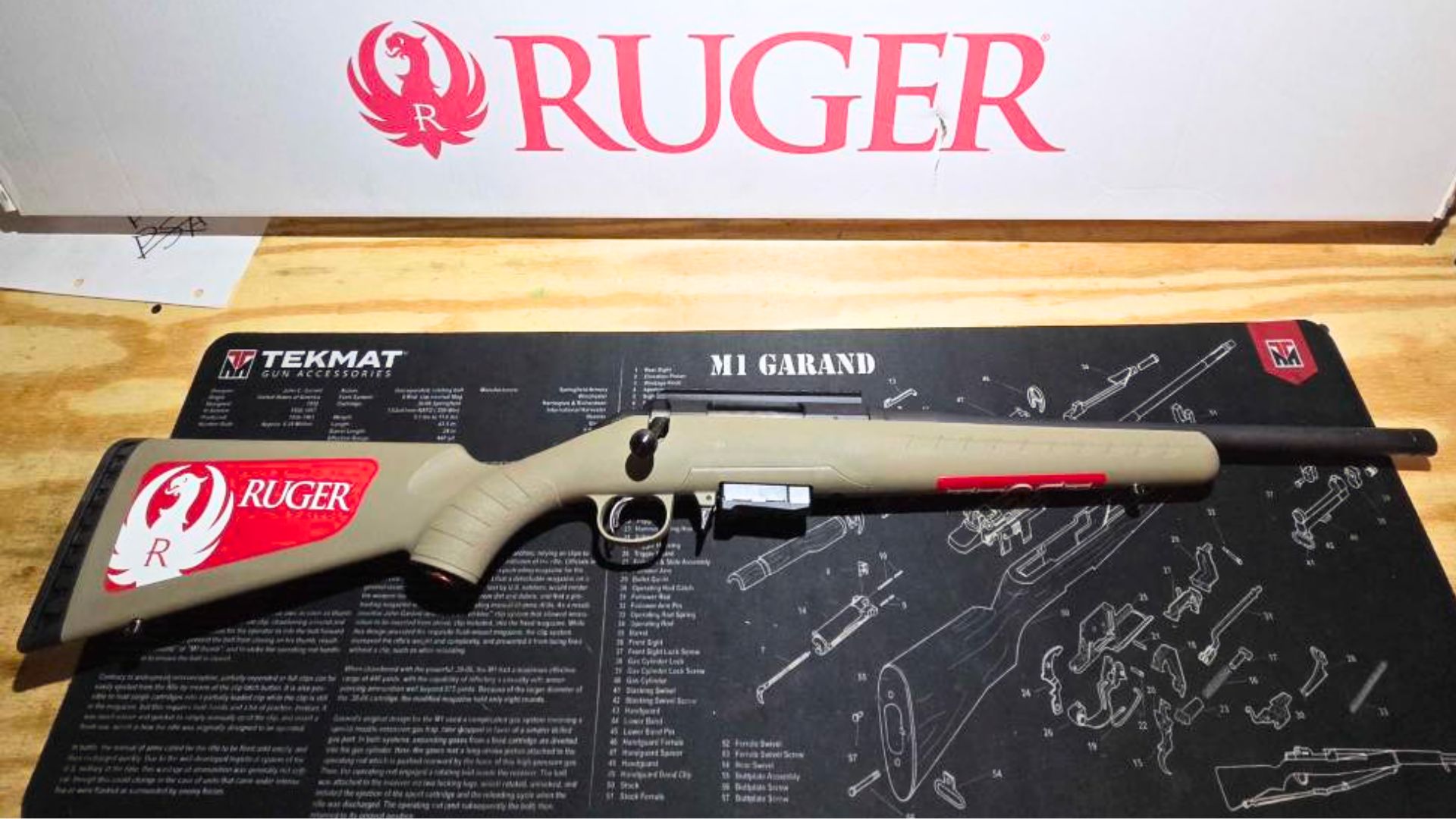
The Ranch rifles are handy and practical, and 7.62×39 is an easy cartridge to like. Cold weather issues here are usually less about the action and more about the little things: magazine geometry, ammo consistency, and how slick the rifle feels when everything is cold and dry. If the setup is already on the edge, winter nudges it off.
In the field, you may feel rough feeding or inconsistent pickup when you run the bolt fast—especially if the magazine is cold, gritty, or slightly out of spec. Steel-cased ammo can also behave a little differently in extreme cold, and you’ll feel that through bolt effort and extraction. None of this means the rifle can’t be reliable. It means the margin depends on mags and ammo more than most folks expect.
Winchester 1894

Lever guns are trustworthy in the way a hammer is trustworthy—until you gum them up. A Winchester 1894 doesn’t need much to run, but it does need the action to move freely. In cold weather, the most common lever-gun mistake is using too much oil, then letting it thicken and collect grit. The second mistake is running the lever timidly with gloves on.
When it goes wrong, you get sluggish feeding, a lever that feels like it’s dragging, or a rifle that doesn’t fully chamber because the stroke wasn’t decisive. Snow in the action can also become ice fast when you get back in the truck and warm the rifle up. Lever guns can be outstanding in winter. They just demand a clean, mostly dry action and deliberate cycling.
Marlin 1895
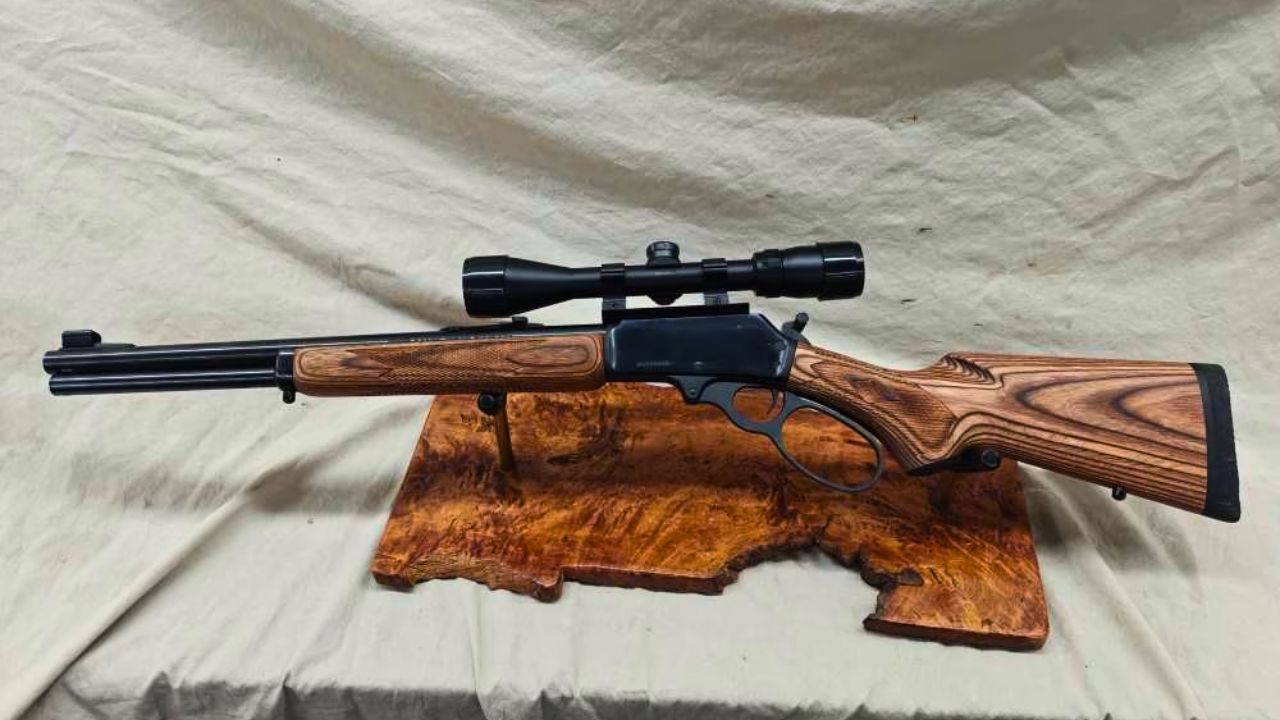
A big-bore Marlin is a cold-weather classic—until it isn’t. The 1895 has enough power to make you feel like the rifle should muscle through anything. But lever guns don’t “power” their way through friction. Cold thickens oil, heavy loads shake grime loose, and the action starts feeling slower than it should.
The issues you’ll notice are feeding that becomes less smooth over the course of a day, or a rifle that starts to feel like it needs more force on the lever to complete the cycle. Add gloves and adrenaline, and you can short-stroke it without realizing it. Winter doesn’t mean the gun is weak. It means the gun punishes lazy cleaning and half-hearted cycling more than it does in warm weather.
Springfield M1A

The M1A can be a great shooter, but it’s also a rifle with its own habits. It runs on a system that doesn’t love extra grease in the wrong places when the temperature drops. A lot of owners grease them the way they’re told to, then discover that cold weather can turn that grease into resistance—especially if the rifle has also picked up grit.
In the cold, the M1A can show sluggish cycling, inconsistent ejection, or a rifle that feels “off” once it’s been carried through snow and then fired. Magazines matter too, and cold hands don’t seat magazines as confidently as warm hands. The rifle can run in winter, but it tends to reward a clean, correctly lubed setup—and punish the “more lube equals more reliable” mindset.
Mini-14

A Mini-14 is often bought as a straightforward ranch rifle, and in many ways it is. But the Mini can still get cranky in cold weather when it’s over-lubed and you’re feeding it a mix of ammo with different pressure curves. Cold slows everything down, and the rifle’s cycling can become less consistent if it’s already running on the edge with weak ammo.
What you’ll see is erratic ejection, occasional feeding hiccups, or a rifle that runs great with one load and gets weird with another. If your magazines are old or slightly bent, winter is when those problems finally show their face. The Mini-14 is not delicate. It just doesn’t magically ignore friction, thick oil, and questionable mags when it’s below freezing.
SCAR 17

The SCAR 17 has a reputation for running, and it usually does. The cold-weather catch is that the rifle tends to be part of a larger system: optics mounts, screws, rail accessories, and magazines that all get cold-soaked, bumped, and exposed to condensation. The rifle may keep running while everything attached to it starts causing trouble.
In winter, the problems can look like shifting zero from loose hardware, feeding issues from cold, gritty mags, or controls that feel different with gloves. The SCAR itself isn’t the weak link most of the time. The setup around it is. If you’re the kind of shooter who adds a lot of gear and then never checks anything again, cold weather is when the whole package starts feeling less dependable than it “should.”
Like The Avid Outdoorsman’s content? Subscribe to our newsletter so you never miss an article.
Here’s more from us: