Photo credit: TCARP/YouTube
Some guns just feel right with irons. Slapping an optic on them doesn’t necessarily make them faster, more accurate, or more enjoyable to shoot. In fact, for some firearms, optics just get in the way. Whether it’s about preserving balance, nostalgia, or how the platform is meant to be run, there are still plenty of guns that shine without glass. Here are twelve that do better sticking to the basics.
Marlin 336

The Marlin 336 handles quick shots in thick cover better with irons. That low-profile sight picture works well when you’re swinging through brush or tracking deer at close range.
Add a scope and it feels top-heavy fast. Plus, it slows down follow-up shots when you’re not working off a bench. This lever gun was built around irons, and that’s still where it’s at its best.
M1 Garand

The Garand was never meant for an optic, and it shows. That rear aperture and front post offer surprisingly precise shooting, especially for a rifle designed in the 1930s.
Trying to mount an optic on one usually involves weird rail solutions that mess with the balance and look. Besides, half the charm of a Garand is running it the way it was originally used.
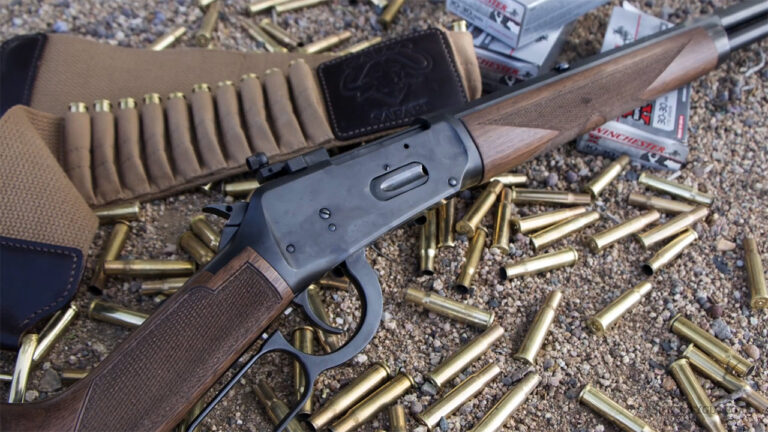
Winchester 1894

There’s just something off about putting glass on a Winchester 94. It’s slim, it shoulders quick, and it was made to be fast with irons—not a benchrest tack-driver.
A scope tends to ride too high, making cheek weld awkward. If you’re hunting in the woods or shooting steel inside 100 yards, the irons are more than enough.
Ruger Mini-14

While it has mounting options, the Mini-14’s open sights are more than capable within its intended range. You’re not ringing steel at 500 with this thing anyway.
Adding a scope often doesn’t improve accuracy enough to justify the weight and bulk. It’s easier to shoot offhand with irons, especially when you’re running it like a ranch rifle should be run.
SKS

The SKS is another rifle that doesn’t gain much with optics. Most mounts are clunky and unreliable, and the irons are solid enough for practical shooting.
It was built to be simple and rugged, and throwing on a scope tends to fight that. Keep it as it is—stripper clips, irons, and all—and it’ll serve just fine.
Colt Single Action Army

You’d never even think about optics on this one—because you can’t. But even if you could, it’d ruin the whole point of it. The groove and front blade do the job if you do yours.
Part of the appeal is learning to shoot it the way cowboys did. It’s not built for speed or tight groups—it’s built for feel and fun, and irons are all it needs.
Springfield M1A Standard
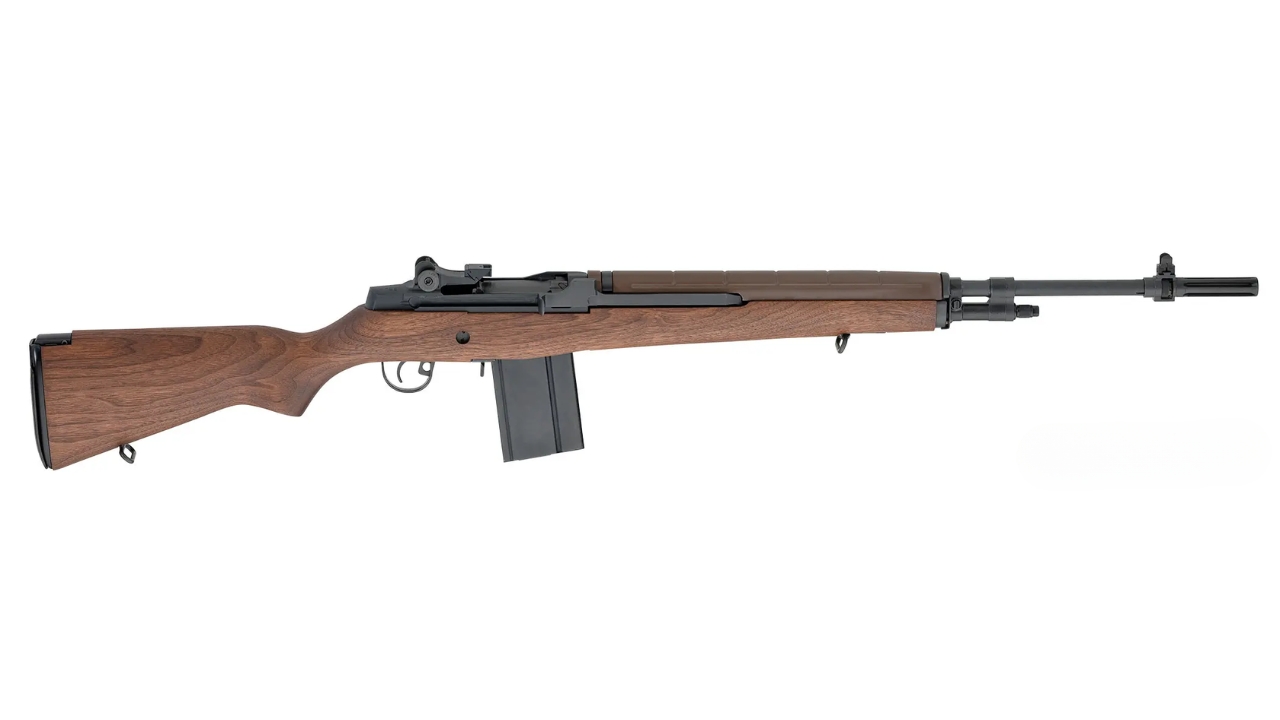
Yes, the M1A can wear a scope—but most people who try it end up going back. The iron sights are excellent, especially that peep setup, and offer real precision out to a few hundred yards.
Mounting a scope usually throws off the balance and can make field stripping more of a hassle. Unless you’re bench-resting it, irons are the better route.
AK-47 (and clones)

A lot of people try to dress up AKs with optics, but it’s not always worth it. The stock irons are rough but functional, and they suit the gun’s real-world accuracy.
Mounting optics on an AK usually means swapping out parts or dealing with shaky mounts. For close-to-mid range work, the irons keep things simple and reliable.
Henry Big Boy

The Henry Big Boy in .357 or .44 just doesn’t feel right with an optic. It’s a throwback kind of rifle, meant for irons, short shots, and fast handling.
Scopes throw off the clean lines and make quick target acquisition harder. Whether you’re ringing steel or chasing hogs, irons just match the vibe and function better.
M1 Carbine

The M1 Carbine’s light weight and small size make it perfect for iron sights. It’s not a sniper rifle—it was built for close-in, fast-action shooting.
Add a scope, and you’re suddenly dealing with awkward mounts and added weight. The irons are easy to pick up and do just fine inside 150 yards, which is all most people ask of it.
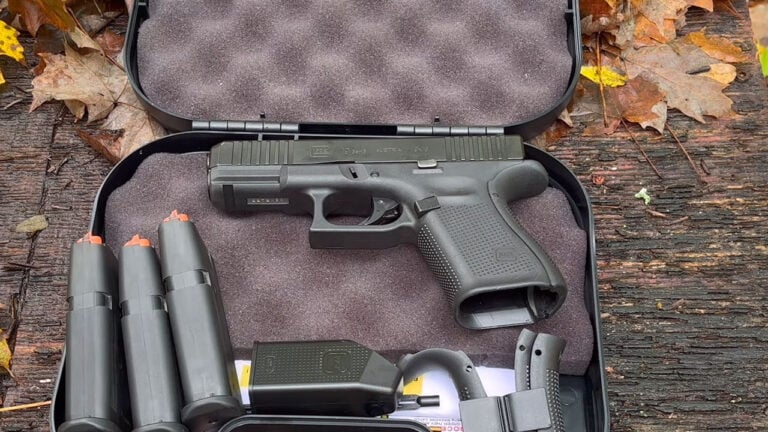
Glock 19 (Gen 3/4)

Red dots are everywhere now, but for Gen 3 and Gen 4 Glocks, going optic-free still makes sense. Mounting one requires slide milling or adapters, and it doesn’t always add much.
Iron sights are quicker to align for folks who train with them regularly. Unless you’re running an optics-ready version, you’re often better off leaving the slide alone.
Ruger 10/22 Carbine

There are tons of optics made for the 10/22, but for the classic carbine version, irons are usually more fun and more than accurate enough.
It’s light, easy to point, and ideal for plinking or squirrel hunting out to 50 yards. Iron sights keep it simple, and you can shoot it all day without worrying about batteries or adjustments.
*This article was developed with AI-powered tools and has been carefully reviewed by our editors.