Photo credit: The Average Joe Armory/YouTube
Some rifles do not become collector favorites the day they disappear. They slip out of production, sit in used racks for a while, and then people slowly start realizing what they were. Maybe the action was unusual. Maybe the handling was better than what replaced it. Maybe the factory never made enough of them, or too many got hunted hard and worn out. However it happens, certain discontinued rifles stop being “old used guns” and start becoming rifles people actively watch for.
That shift usually happens when a rifle offers something modern catalogs do not. It might be a cleaner design, a handier profile, a stronger link to a certain era, or simply a feel you cannot fake with newer production. Once collectors catch on, the price starts climbing and the good examples stop sitting around. These are the rifles that made that jump quietly, then never really came back down.
Savage 99

The Savage 99 became a collector favorite because it never felt like a typical lever gun. Its hammerless design and rotary magazine gave it a cleaner look and let it handle pointed bullets in a way older tube-fed lever rifles could not. That made it both modern for its time and unusually useful in the deer woods, which is a big reason so many hunters held onto them for years.
Now that the model is long out of production, people have started treating nice originals with more respect than they used to. Early rifles, takedowns, and clean examples in classic chamberings get attention fast. What keeps the 99 so desirable is that it offers real hunting history and real mechanical personality in the same rifle. A lot of discontinued guns fade away. The 99 did the opposite.
Winchester Model 88

The Winchester Model 88 holds a strong place with collectors because it gave lever-gun fans something different. Introduced in 1955, it was a lever-action that felt more like a modern sporting rifle, with a rotating bolt and a box magazine that made it more at home with pointed centerfire cartridges than many traditional lever guns. That gave it a following with hunters who wanted lever handling without being locked into older tube-magazine limitations.
Once production ended and good examples started thinning out, people began looking at the 88 in a different light. It was not only a useful hunting rifle anymore. It was a distinctive Winchester from a very specific period in American rifle design. Clean rifles, especially in original condition, do not stay cheap for long now. The Model 88 quietly turned into one of those rifles people regret not buying sooner.
Remington 600

The Remington 600 has the kind of look that keeps people talking, even if they are split on it. Remington introduced it in 1964 and dropped it after 1967, which means it had a short production life right out of the gate. The compact action, short barrel, and distinctive ventilated rib made it stand out immediately. At the time, some shooters thought it looked odd. Later on, that same oddness became part of the appeal.
Collectors like the 600 because it feels like a rifle from a period when companies were still willing to try unusual ideas in production guns. It is compact, fast-handling, and tied to several interesting chamberings, including the harder-to-find magnum versions. Since many were used hard as field rifles, truly clean originals do not show up as often as people expect. That scarcity has only pushed the model further into collector territory.
Remington 660

The Remington 660 has lived in the shadow of the 600 for years, but collectors have steadily come around on it. Remington introduced the 660 in 1968 and discontinued it in 1971, giving it another short run that immediately limited how many clean examples would survive long term. It kept the handy compact format of the 600, but without the vent rib that made the earlier rifle so visually polarizing.
That makes the 660 attractive to collectors who like the compact Remington carbines but want a cleaner-looking package. It still feels like a purposeful woods rifle, and the limited production run gives it more pull than many people realize until they start searching for one. Good 660s in original shape do not sit around long. They have become the kind of rifle that rewards people who knew to pay attention before the wider market fully caught up.
Remington 673

The Remington 673 is a newer entry in the collector conversation, but it is getting there for the same reason many short-run rifles do. Remington introduced it in 2003 and discontinued it in 2004, which is about as short a production window as you can get for a factory centerfire rifle. It was built as a nod to the old 600-series idea, using a modern action while borrowing some of that earlier carbine character.
Because the run was so brief, the 673 never flooded the market. That matters. Short-run rifles often become more interesting once people realize there will not be another batch. The 673 also speaks to a specific group of shooters who like unusual Remingtons and oddball chamberings. It is not as famous as the 600, but that is part of what makes it attractive now. It still feels under the radar, which is often how collector favorites begin.
Remington 788

The Remington 788 quietly built a reputation because it shot better than many people expected from a budget rifle. It was never meant to be a prestige model, and that is part of the story. It earned its respect through accuracy and practical field performance, which made a lot of hunters hang onto them long after the catalogs moved on. By the time production ended, the rifle had already built a loyal following.
Collectors have warmed to the 788 because it represents one of those rare cases where a “working man’s rifle” became more appreciated after it disappeared. Clean examples in desirable chamberings keep drawing interest, especially because so many of them were bought to use, not preserve. That means honest originals are not always easy to find. The 788 is the kind of discontinued rifle that gained respect the slow way: by continuing to shoot well and aging into a cult favorite.
Winchester 9422
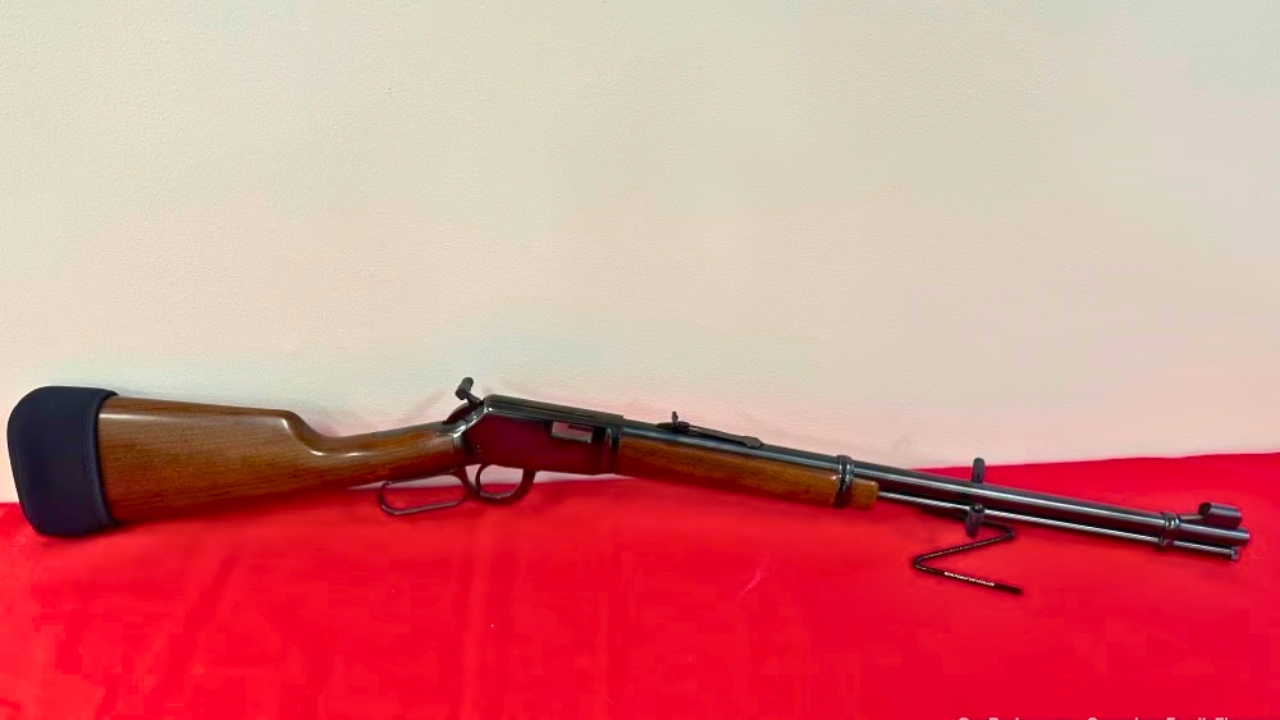
The Winchester 9422 became a collector favorite because it delivered classic lever-gun feel in a rimfire package that people actually wanted to shoot. It looked right, handled right, and gave .22 fans a lever rifle that felt more serious than many of the lighter or cheaper rimfires around it. When Winchester discontinued it in 2005, that changed how people viewed it almost overnight.
Once the line ended, used prices started moving because there was no true direct replacement waiting in the wings. The 9422 had already earned a reputation as one of the most popular .22 rimfire rifles Winchester made, and the end of production only sharpened that. Collectors now look for clean examples because the rifle bridges two things nicely: real shootability and real Winchester nostalgia. It is one of the clearest examples of a rifle becoming more wanted after the factory stopped making it.
Winchester 52B

The Winchester 52B sits in a different lane than a lot of sporting rifles on this list, but serious collectors know why it matters. The Model 52 line built a long reputation as one of the great American rimfire target rifle families, and the 52B remains one of the out-of-production variants Winchester now classifies among its no-longer-produced rifles. That alone keeps it on the radar for collectors who appreciate old-school precision.
What makes the 52B appealing is that it represents a time when rimfire target rifles were built with real weight, refinement, and purpose. It is not a casual plinker. It is a rifle tied to serious target heritage, and that heritage holds value. Because these were bought by shooters who expected performance, surviving condition and originality matter a lot. The 52B did not become a mass-market collectible. It became the kind of rifle knowledgeable collectors quietly keep hunting for.
Winchester 63

The Winchester 63 has the kind of old rimfire appeal that only gets stronger with time. Winchester lists it among its no-longer-produced rifles, and that is part of why clean examples keep drawing more attention than they used to. It came from a period when rimfire rifles were built with a level of steel-and-wood quality that modern buyers immediately notice once they pick one up.
Collectors are drawn to the 63 because it feels like a rifle from a different manufacturing era. It is not only about nostalgia. It is about fit, balance, and the kind of classic autoloading rimfire design that still makes sense in the hand. Since many of them were used for decades as field and farm rifles, condition matters a lot now. A sharp original 63 is harder to come by than many people think, and that is exactly why collectors keep chasing them.
Winchester 71

The Winchester 71 became a collector favorite because it was never a common, everyday rifle in the same way as some other lever guns. Winchester now treats it as an obsolete model, and that status only adds to its pull among lever-action collectors who like the heavier, more specialized side of the Winchester story. It has presence, and it feels like it came from a more serious hunting era.
That is a big part of why people keep looking for them. The Model 71 is tied to a narrower lane of lever-gun history, which means it tends to attract buyers who already know exactly what they are after. It is not a beginner’s collectible. It is a rifle people circle back to after they have owned more common Winchesters. Once you start paying attention to original condition and correct features, you realize why nice examples have become so hard to ignore.
Winchester 64

The Winchester 64 has quietly become one of those collector rifles that rewards people who appreciate the finer points of older Winchester sporting guns. It shows up on Winchester’s obsolete support list, which makes its out-of-production status clear, but it still flies under the radar compared with louder names in the lever-action world. That lower profile is part of the appeal.
Collectors like the 64 because it sits in a sweet spot: old enough to matter, familiar enough to shoot, and uncommon enough to stay interesting. It feels like a rifle for people who want something a little more specific than the obvious choices. As with many older Winchesters, originality drives everything. A rifle that has not been altered, refinished, or worn into the ground gets noticed quickly. The Model 64 did not become famous overnight, but it steadily became the kind of rifle collectors keep an eye out for.
Winchester 61

The Winchester 61 is another rifle that grew into collector status the slow way. Winchester lists it as obsolete, but its pump-action design, solid build, and old-school rimfire charm have kept it relevant long after production stopped. It comes from a period when a .22 rifle was expected to do real work, and you can still feel that the moment you handle one.
What pushes the 61 higher with collectors is that it appeals to both shooters and Winchester people. It is enjoyable enough to make you want to use it, but scarce enough in strong original condition to make preservation matter too. That tension is usually where collector demand grows. Many older pump .22s existed, but the 61 carries the Winchester name and a level of fit that helps it stand apart. It is one of those rifles that rarely gets cheaper once you start wanting a nice one.
Browning B-78

The Browning B-78 has quietly built a following because it gave single-shot rifle fans a strong, handsome factory option at a time when that style was already becoming more specialized. Browning introduced the B-78 in 1973, and it no longer sits in the regular current line the way the company’s main production rifles do. That combination of classic layout and ended regular production is exactly the kind of thing that helps a rifle age into collector interest.
Collectors like the B-78 because it feels deliberate. It is not a rifle for somebody in a hurry. It is for people who appreciate a clean single-shot profile, careful shooting, and a rifle that stands apart from the usual repeating bolt guns. As the years pass, good originals have become more noticeable because the market for classic single-shots never fully goes away. It stays quieter than the lever-gun world, but the demand is real.
Browning Model 81 BLR

The original Model 81 BLR variant has its own collector lane because it marks a distinct step in the broader BLR story. Browning says the Model 81 BLR was introduced in 1981 and later gave way to other versions, while the overall BLR family continued evolving. That means early Model 81 rifles have become appealing to collectors who want a specific version rather than simply any BLR they can find.
That kind of variant collecting is common once a rifle family gets enough history behind it. The Model 81 matters because it represents a defined point in BLR development, with features that set it apart from the earliest rifles and the later Lightning models. Collectors who like lever rifles but want something more modern than a classic tube-fed gun often end up here. It is a good example of how even a discontinued version, not just a fully dead model line, can build a loyal collector base.
Winchester 100

The Winchester 100 became more collectible once people realized it represented a very specific slice of postwar American hunting-rifle thinking. Winchester introduced it in 1960 as a trim autoloading centerfire for hunters who wanted quicker follow-up shots. That alone gave it a unique place in the line, and now it sits among Winchester’s obsolete out-of-production models.
Collectors are drawn to the Model 100 because it feels tied to a time when sporting autoloaders still had more steel, more walnut, and more personality than many later production guns. It also occupies a niche that was never crowded in the same way as bolt rifles, which helps it stand out. As with many discontinued hunting rifles, a lot were used exactly as intended. That means clean original rifles are more appealing now than they were when they were simply another used deer gun on the rack.
Like The Avid Outdoorsman’s content? Subscribe to our newsletter so you never miss an article.
Here’s more from us: