Photo credit: Guy J. Sagi/Shutterstock.com
It’s one thing to shoot tight groups on a clean bench with no wind and a cold barrel. It’s another to expect that same group after a hike through the woods, a few quick follow-ups, or a temperature swing. Some rifles look accurate on paper but start opening up once the environment changes. That might be due to thin barrels, loose bedding, or stocks that flex when they shouldn’t. These are the rifles that have a habit of wandering once things stop being ideal.
Christensen Arms Ridgeline

The Ridgeline looks like a high-end rifle—and the carbon fiber barrel helps keep it light—but many shooters report inconsistent accuracy once the barrel heats up. Lightweight barrels tend to walk when pushed.
The stock bedding is decent, but you still see some cold-to-warm point-of-impact shifts. It’ll shoot great for three rounds, then drift. For a hunting rifle, that can make follow-ups tricky. You get the weight savings, but if you plan to shoot more than a few in a row, you’ll notice it starting to wander.
Howa 1500 Lightweight

The Howa 1500 has a good reputation overall, but the lightweight variants can suffer from heat-related accuracy drift. The thin-profile barrel was built for carry weight, not for holding zero under repeated fire.
Even with good ammo and a decent optic, your tight groups start to open up quickly once conditions shift. Some of that can be improved with aftermarket stocks or bedding, but out of the box, it’s not the most forgiving rifle once temps rise or pressure changes in the field.
Remington Model Seven
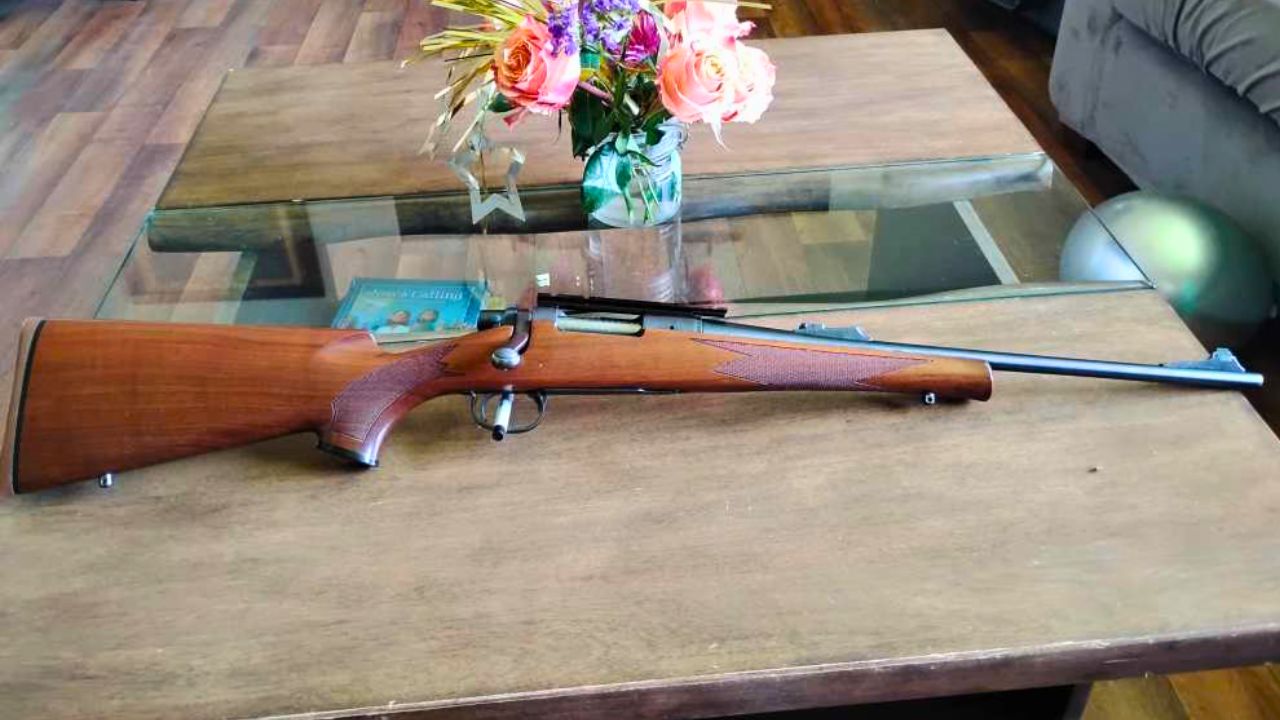
The Model Seven is compact and easy to carry—but that short, thin barrel gets hot fast. Once it does, groups begin to spread. You’ll often see a tight cold-bore group followed by noticeable vertical stringing within a magazine.
It’s not a bad rifle for close-range hunting in thick brush, but if you plan to stretch it or shoot through changing conditions, it doesn’t always hold steady. Add in the older synthetic stocks with weak bedding, and you’ve got a recipe for inconsistent performance.
Franchi Momentum

Franchi’s Momentum is a newer bolt gun that shows promise, but it’s been hit-or-miss for shooters dealing with varied field conditions. Heat buildup can cause the point of impact to walk, especially with factory hunting loads.
The synthetic stock is lightweight, which helps on long hikes, but it doesn’t always keep the action locked down when temperatures change or moisture sets in. For short sessions, it holds tight. For more demanding conditions, it starts to show its limits.
Bergara B-14 Ridge
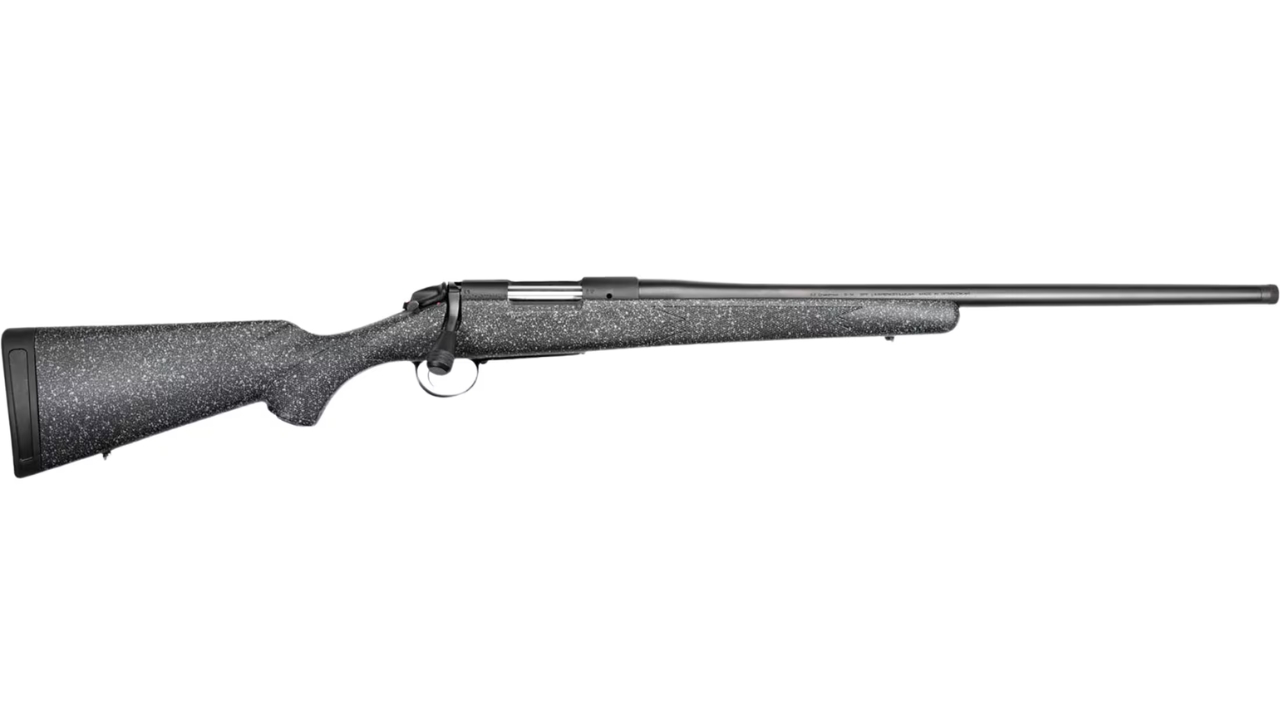
Bergara usually gets high marks for accuracy, but the B-14 Ridge—despite its strong barrel—has shown some issues in longer sessions. The molded stock isn’t always rigid enough to maintain bedding pressure in heat or wet weather.
When everything’s stable, it performs. But if you shoot multiple groups or take it across big temperature swings, you may see groups widen or shift. Aftermarket stocks and bedding jobs help, but out of the box, it’s not immune to condition-based wandering.
Marlin XL7

The XL7 was a budget-friendly hunting rifle that shot surprisingly well when cold. But as soon as things heated up, group sizes started creeping up. Barrel harmonics change quickly on these rifles with only a few shots.
The synthetic stock isn’t well-bedded, and it flexes under sling pressure or changing temps. For a first rifle or close-range deer gun, it’s fine. But if you’re trying to dial long, shoot fast, or run it across different weather conditions, the POI starts drifting.
Ruger American Go Wild
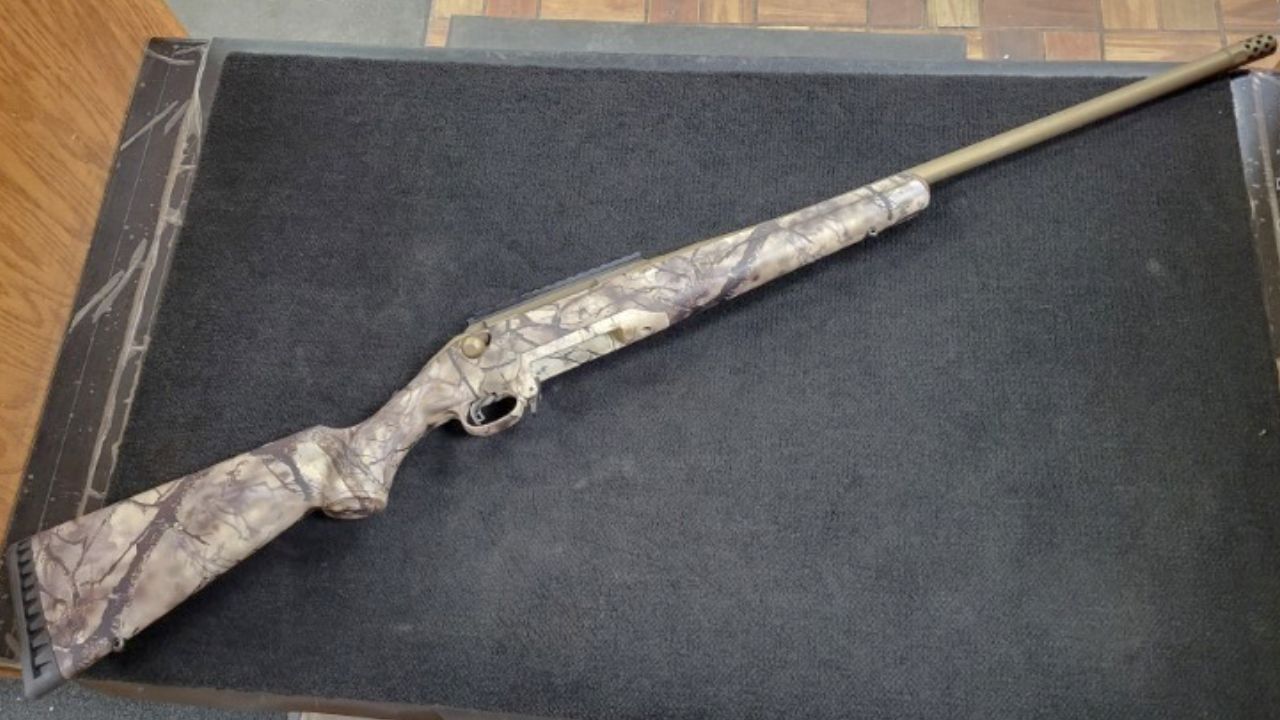
The Go Wild is a feature-packed version of the American, but it still suffers from the same wandering issues once conditions change. The factory bedding system can’t always keep the action from moving under recoil or sling tension.
When things heat up or humidity climbs, you might notice your groups shifting without warning. It’s lightweight and affordable, which is appealing—but many shooters end up needing to re-zero more often than they’d like. Not ideal if you’re hunting across variable terrain.
CVA Cascade

The Cascade is built on a solid action, and its fluted barrel helps with cooling. But the synthetic stock can flex under pressure, and accuracy starts to suffer once the barrel gets warm or you’re shooting across wide temperature swings.
If you’re running quick follow-ups or taking the rifle through mixed weather conditions, you might find yourself chasing point of impact. It’s a capable hunting rifle in stable environments, but it doesn’t always stay locked in when things get dynamic.
Thompson/Center Venture II

The Venture II has a good trigger and a corrosion-resistant finish, but the stock and barrel combo hasn’t impressed everyone in rough field conditions. Groups are tight out of the gate but tend to walk as the barrel heats.
The synthetic stock doesn’t always anchor the action as firmly as needed when moisture or cold sets in. For controlled range shooting, it performs. In variable hunting environments, some users have seen it drift enough to lose confidence. Not ideal when your first shot matters most.
*This article was developed with AI-powered tools and has been carefully reviewed by our editors.