Photo credit: Erich Grant/Shutterstock.com
A West Virginia landowner walked onto his property and found something that should not have been there: a hunting setup that clearly belonged to somebody else.
In his Reddit post, he said he owned the land, the gate was locked, and the property was posted. This was not a loose corner of open woods with no markings. Whoever set up there had to get past a locked gate and posted land to do it.
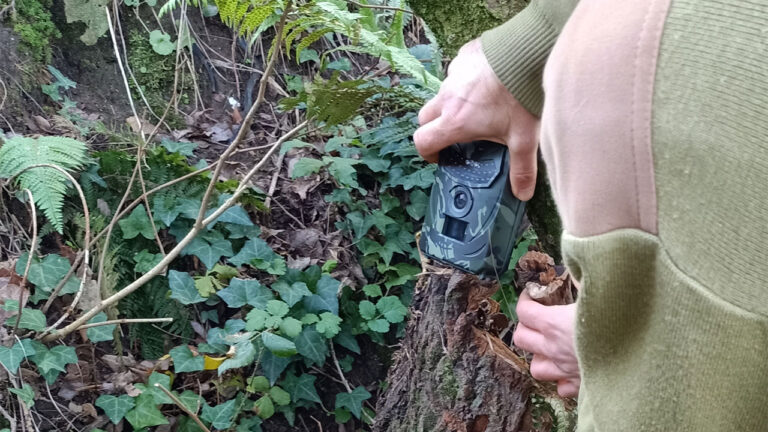
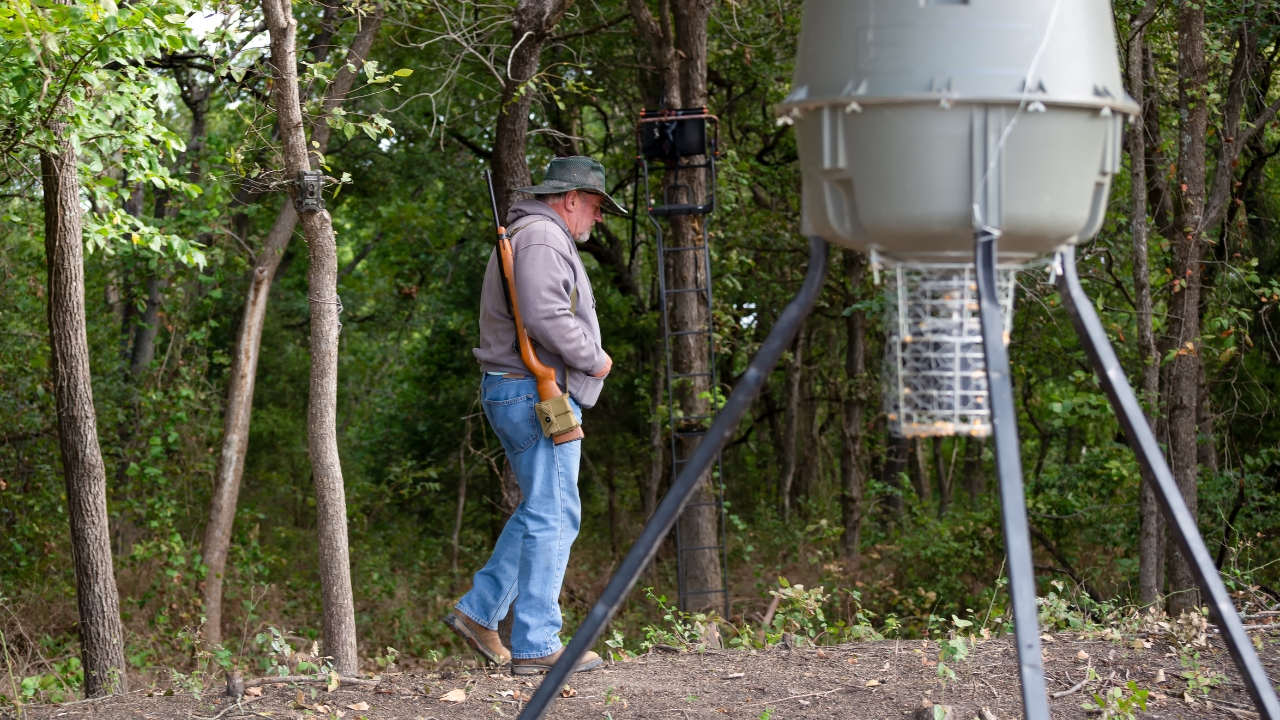
What he found was not just one forgotten item, either. There was a stand, a feeder, and a trail camera. That is not the kind of thing someone drops by accident while walking through. That is a full hunting setup. Somebody had found a spot on private land, hauled gear in, and made themselves comfortable enough to hunt it like they belonged there.
The landowner’s question was simple: what was he supposed to do with the gear?
That is where the situation got tricky. On one hand, it was sitting on his property without permission. Plenty of landowners would be tempted to pull the stand, take the camera, empty the feeder, and call it a day. If somebody is bold enough to sneak onto posted land and set up a hunting spot, it is hard to feel much sympathy when their gear disappears.
But the other side of it is that touching the gear could create its own problem. If the person came back and claimed the stand, feeder, or camera was stolen, now the landowner could be dragged into a whole different argument. Even if he was in the right about the trespassing, taking the gear without involving anyone could muddy the water.
The post did not include a long confrontation or a face-to-face meeting with the trespasser. That almost made the situation more frustrating. There was no person to question. No one standing there claiming they had permission. No one to tell to pack up and leave. Just the gear, sitting on posted private land like whoever placed it there expected to come back.
The trail camera made the situation even more interesting. If it was still running, it might have had photos of whoever set it up. It might have had images of the trespasser walking in, checking the feeder, or hunting from the stand. But if the landowner handled it wrong, he could lose evidence or give the trespasser an opening to complain that his property had been taken or damaged.
There was also the question of whether someone else had been “leasing” or giving permission to land they did not own. One commenter raised that possibility, telling him to leave a note and ask for an explanation because somebody may have claimed they had permission or may have been misled about where the property line was. That does happen. A hunter hears from a buddy, an old neighbor, or a former owner that a place is okay to hunt, and years later he is still treating it like permission never expired.
But the locked gate and posted property made the “honest mistake” argument harder to swallow.
The landowner later clarified that the property was an old cow farm used for hay, and he did not live on it. That matters because vacant rural land is often easier for people to abuse. If nobody is at the house, nobody is watching the gate every day, and nobody is walking the back corner regularly, a trespasser can convince himself he will never get caught.
He also said he could not say for sure who had put the gear there. That left him in a careful spot. He knew somebody was using his land. He knew the setup was not his. But without a clear ID, any move he made needed to be smart enough to protect him if the trespasser showed back up mad.
The strongest option was not the most satisfying one. It was to document the setup, call the game warden or sheriff, and let law enforcement tell him what to do with the gear. That way, if the person came back looking for it, the landowner would not be standing there alone trying to argue property law with somebody who was already comfortable sneaking onto posted land with hunting equipment.
A lot of landowners know the feeling behind that question, though. Finding a stand on your land is personal. A stranger did not just cross a line. He picked a spot, planned a hunt, and treated your property like his own. The feeder and trail camera made it even more deliberate. Somebody was not passing through. Somebody was building a pattern.
And once that pattern starts, ignoring it is usually the worst answer. A trespasser who gets away with a stand and feeder this season may come back with more gear next season. He may bring a buddy. He may start believing the place is “his spot.” Then the landowner is not only dealing with a stand in the woods. He is dealing with a person who feels entitled to come back.
Commenters gave two very different kinds of advice. One group basically told him he had just received free hunting gear. They said if someone leaves a stand, feeder, and camera on posted private land, the landowner should take it down and consider the problem handled.
Others pushed back hard on that. They warned that the gear could be evidence and that taking it could be treated like theft, depending on the law and how the situation played out. Several told him not to touch anything until he spoke with a game warden or local law enforcement.
Because the landowner said he was in West Virginia, multiple commenters told him to call the state’s DNR law enforcement. One person said West Virginia wildlife officers were generally solid and gave the DNR poaching report number. Others said a game warden might have more leverage than a regular trespassing complaint, especially if the setup showed illegal hunting activity.
A few people recommended taking photos of everything before moving anything. Others suggested checking the camera or SD card for identifying information, though several replies still warned against handling the evidence without permission.
Some commenters shared their own experiences. One said when it happened to them, they collected the gear, left the sheriff’s non-emergency number in its place, and took everything to the station. When the trespassers showed up to retrieve it, they were cited.
The more cautious advice was to avoid a solo confrontation. Document the stand, feeder, camera, gate, and posted signs, then let the warden or sheriff create a record. A trespasser bold enough to set up that much gear behind a locked gate may not react well when he finds out the landowner caught him.