Photo credit: LanaG/Shutterstock.com
A Virginia landowner said he bought about 120 acres last spring, and once people found out what kind of ground it was, the requests started rolling in.
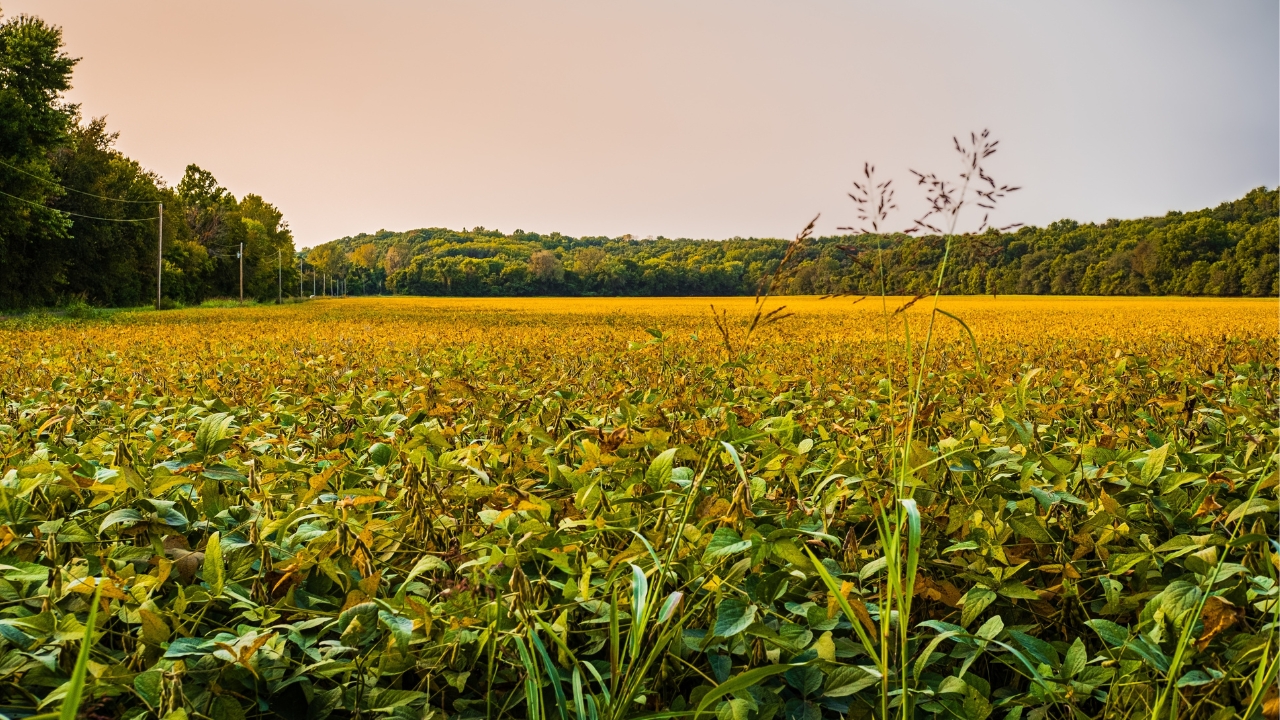
The property had the kind of setup hunters notice fast. In his Reddit post, he said the land was a mix of timber, soybean fields, and ponds. It also bordered several hundred acres of public land and sat near Kerr Reservoir, a large lake on the Virginia-North Carolina line.
He did not hunt himself. That made the property even more appealing to people around him, because from the outside, it probably looked like prime ground sitting unused. He said people were “coming out of the woodwork” asking for access.
They were not offering normal lease money, either. They wanted to trade. Some offered fishing trips. Others offered access to a skid steer. He was open to letting people hunt, but he was trying to figure out how many hunters he should actually approve.
That sounds like a simple question until you start thinking through everything that comes with it.
The land had fields, timber, water, and a border with public land, which meant deer and other wildlife probably moved through it. Letting one respectful hunter on the place could be fine. Letting a handful of people treat it like their private hunting club could turn into a problem fast.
That was the concern that came up again and again in the replies. On 120 acres, too many people hunting at once can create safety issues, pressure the deer, and create arguments over stands, food plots, trail cameras, access roads, and who gets to hunt which spot on which morning.
The landowner was not asking how to keep people away. He was asking how to do the generous thing without creating a mess for himself. He had land he was not personally hunting, and other people wanted a shot at it. But once someone gets used to hunting a property, some people start acting like permission is permanent. One weekend becomes a season. One season becomes “I’ve always hunted here.” Then the landowner has to be the bad guy when he wants to change the rules.
Several hunters warned him about that exact thing. One commenter said they had run into people who claimed the landowner had “let them on,” only to find out that permission had been given 10 years earlier and the person assumed it still counted. That is the kind of misunderstanding that causes trouble at gates, stands, and property lines.
The trade offers were another issue. A fishing trip might sound nice, but it is not the same as a written lease. Skid steer work might be useful, but if the hunter never follows through, the landowner has already given away access and now has to chase down a favor. One commenter warned that work promised later may never happen, especially if the hunter has paying jobs competing with the landowner’s weekend project.
Other commenters brought up the bigger concern: liability. If a hunter falls from a stand, wrecks an ATV, shoots toward a neighbor’s livestock, wounds someone, damages a fence, or invites a buddy who was never approved, the landowner may still get dragged into the aftermath. State laws vary, and some protections may apply, but commenters were blunt that “I was just being nice” does not always keep a landowner out of an expensive fight.
The landowner also had to think about how hunters might treat the place. A good hunter might close gates, clean up trash, check in before going, stay in assigned areas, and leave the land better than he found it. A bad one might cut shooting lanes without asking, hang stands wherever he wants, drive across wet fields, bring extra people, leave gut piles in dumb spots, or start acting like the property owes him a deer.
Some people told the landowner to keep access limited to family or close friends. Others said even that can be risky, because friends and relatives sometimes treat land worse than strangers, especially when they think the relationship gives them room to bend rules.
One commenter described how leases and hunting clubs can turn into bickering fast. Hunters plant plots and then get mad when someone else hunts “their spot.” People drive through areas right before someone else planned to sit there. Someone shoots a buck another hunter had been watching on camera, and suddenly the whole group is mad. The landowner may not even hunt, but he still ends up managing everybody’s grievances.
A few people did give him a way forward. Start small. Let one person or one group hunt at a time. Put every rule in writing. Make access date-specific instead of open-ended. Require hunters to text before they come. Decide whether they can bring guests. Decide where they can park, whether they can use ATVs, whether they can hang stands, whether they can bait if legal, and whether they can cut limbs or make improvements.
That was the part the landowner seemed to be trying to figure out before making a mistake. He did not want to overhunt the property or create a free-for-all. He wanted to know how many people could be green-lit without turning his new land into a source of constant stress.
The answer from most commenters was not “as many as the land can handle.” It was much closer to “as few as possible.”
Commenters mostly warned him to move slowly and be picky. Several said to limit access to family, close friends, or one trusted hunter or family at a time. On 120 acres, many felt multiple unrelated hunters would create unnecessary safety issues and arguments.
A lot of replies focused on written rules. Commenters told him to use a liability waiver, spell out exact dates, limit guests, require check-ins, and avoid open-ended permission. Some said a hunter should have permission for a specific weekend or season, not vague access that could be claimed years later.
Others warned him about barter deals. Fishing trips and skid steer work may sound useful, but commenters said promised favors can disappear once the hunting access has already been granted. Several suggested getting any work done first or using a clear lease instead of loose trades.
Liability came up constantly. Some commenters said state law may protect landowners in certain recreational-use situations, but others warned that charging money or accepting trades could complicate things. The safest advice was to talk to local game officials, check Virginia law, and make sure any access agreement is handled properly.
The repeated message was simple: it is generous to let people hunt, but once other people step onto your property with guns, stands, ATVs, and expectations, it needs structure. Otherwise, the landowner may spend more time handling problems than enjoying the land.