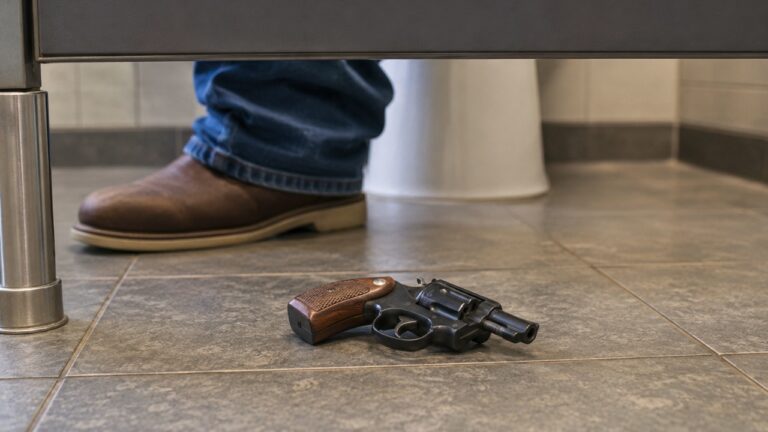
Photo credit: The Avid Outdoorsman
The hunter had done almost everything right.
He got up early. He had his gear. He made the walk in. He was probably trying to be quiet, watching his light, thinking about wind, deer movement, and where he wanted to be when the woods started waking up.
Then he realized his ammo pouch was not with him.
That is the kind of mistake that makes a hunter stand perfectly still for a second, hoping the answer changes if he checks the same pocket one more time. Pack pocket. Jacket pocket. Pants pocket. Side pouch. Maybe it’s in the bottom somewhere. Maybe it shifted. Maybe it’s clipped to the belt and he just can’t feel it.
Nope.
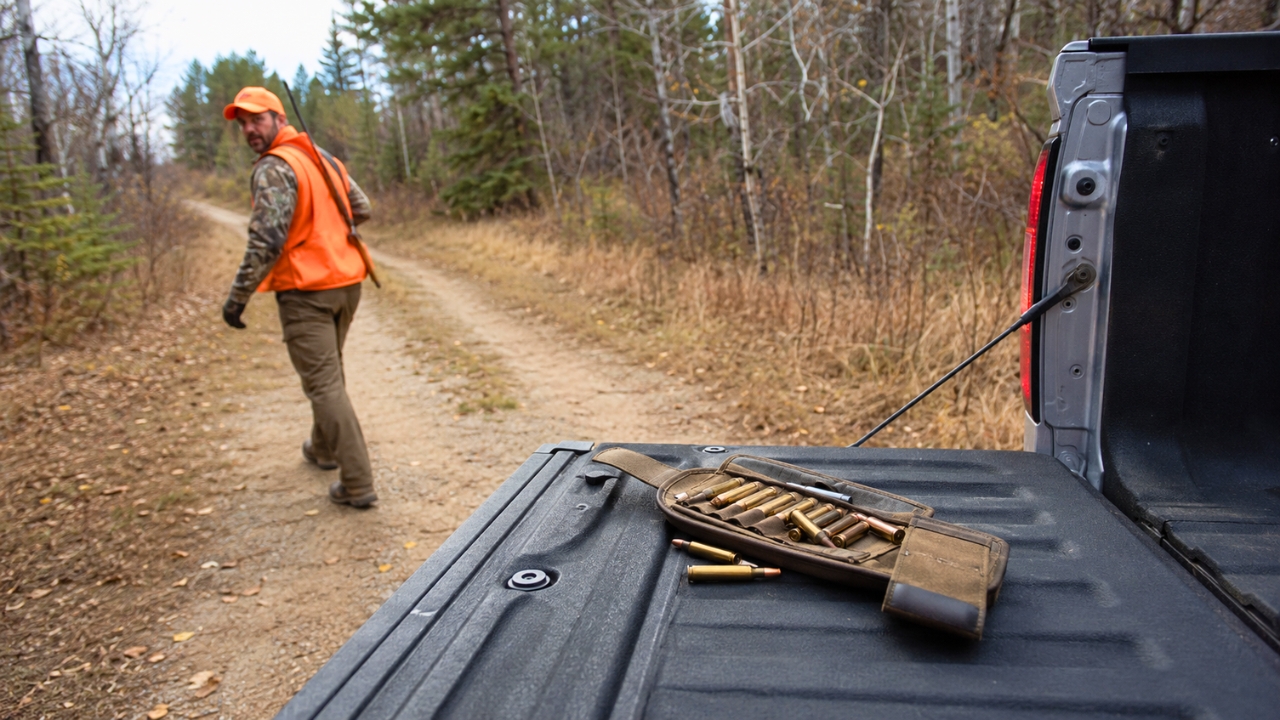
It was back on the tailgate.
In a Reddit thread, hunters were swapping rookie mistakes, and one story hit that special kind of embarrassment only hunters fully understand: leaving critical gear behind after doing all the work to get into position.
Forgetting ammo is not like forgetting a snack.
You can hunt hungry. You can hunt cold. You can hunt without coffee, even if nobody around you wants to be near you afterward. But if you walk into the woods without ammunition, the whole plan falls apart. The rifle or shotgun may still be in your hands, but it has become a very expensive walking stick until you fix the problem.
And the fix was a mile-long walk back.
That is where the embarrassment really settles in. It is one thing to notice before leaving the truck. You swear at yourself, grab the pouch, and move on. It is another thing to realize it after you have already made the hike. Now you have to undo the whole quiet entrance, walk back out, grab the one thing you should have had all along, and then either try to sneak back in or accept that the morning has already taken a hit.
Every step back probably felt personal.
That walk has a way of making a person replay the mistake over and over. Why did I set it on the tailgate? Why didn’t I check before leaving? Why did I zip the pack without looking? Why did I think “I’ve got everything” when I clearly did not? And the worst one: who is going to find out?
Because hunting buddies are not known for letting these things die peacefully.
If he was alone, he could maybe keep it quiet. But if anyone else was at camp or knew his plan, the odds of the story staying hidden were not great. Somebody always asks why you came back. Somebody notices you were gone too long. Somebody sees you grab the pouch off the tailgate with that particular angry speed that tells on you.
And once they know, you are done.
You become the guy who walked a mile without ammo. Not forever, maybe, but long enough. Every future morning, someone will ask if you remembered your bullets. Someone will pat their own pouch loudly. Someone will offer to write “ammo” on your forehead in marker. That is how hunting camp works. The woods may forgive you faster than your friends do.
Still, the mistake is common because tailgates become temporary tables.
Hunters lay everything there. Ammo pouches, knives, gloves, calls, tags, rangefinders, release aids, thermoses, headlamps, face masks, and sometimes the one item they absolutely cannot forget. The tailgate feels convenient because it is flat and right there, but it is also the place gear gets abandoned when the brain moves on to the next step.
You close the truck. You shoulder the pack. You start walking.
The pouch sits there like a little monument to false confidence.
The best fix is a boring checklist. Not a mental “yeah, I’m good” check, but a physical one. Tags. License. Weapon. Ammo. Knife. Light. Phone. Water. Release if bowhunting. Calls if needed. If the item is critical, touch it before walking away from the truck. Not look at the pack and assume. Touch it.
Ammo deserves its own check because it is too easy to assume it is already there.
That is especially true for hunters who move gear between bags, vehicles, jackets, and seasons. Turkey shells are not deer rounds. Muzzleloader supplies are not rifle ammo. Bow releases are not always in the same pack. One change in routine is all it takes to leave the most important piece sitting behind.
The hunter in this story got off easy in one sense. He noticed before the moment of truth. He did not have a deer walk out while holding an unloaded rifle. He did not wound anything. He did not break a law. He just had to eat the walk of shame and hopefully get back into position with enough morning left to salvage the hunt.
But that is still a rough way to start.
A mile back to the truck is a long way when every step is your own fault.
Commenters mostly treated it like one of those rookie mistakes that stops being funny only when it happens to you.
Several hunters admitted they had forgotten important gear too. Ammo, releases, tags, knives, headlamps, and even whole weapons came up in the broader conversation. The point was not that the mistake was rare. It was that everyone thinks they are too careful to do it until they do.
A lot of people said the tailgate is where gear goes to be forgotten. It is useful for organizing, but it also tricks you into setting down the one thing you meant to put in your pack. The smarter habit is to load critical items directly into the pack or pockets, not leave them sitting loose while you get ready.
Others pushed the idea of a final check before leaving the truck. Touch the ammo. Touch the tags. Touch the knife. Touch the light. If you need it to legally or practically complete the hunt, confirm it with your hands.
Some commenters joked that the mile walk was punishment enough. Others said the real punishment would be telling the guys at camp.
The main lesson was simple: before you walk away from the truck, check the gear that can end the hunt. Ammo sitting on a tailgate does not help much when you are already a mile into the woods.