Photo credit: The Avid Outdoorsman
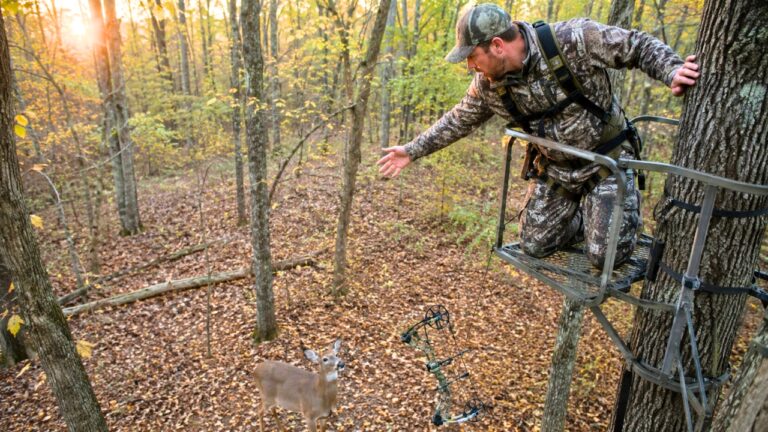
The hunter thought he was allowed to be there.
That is the part that makes the whole thing messy from the start. He was not describing himself as a trespasser sneaking in before daylight, hoping nobody would notice. From his side, he had permission to hunt the property, and he was using that permission the way he understood it.
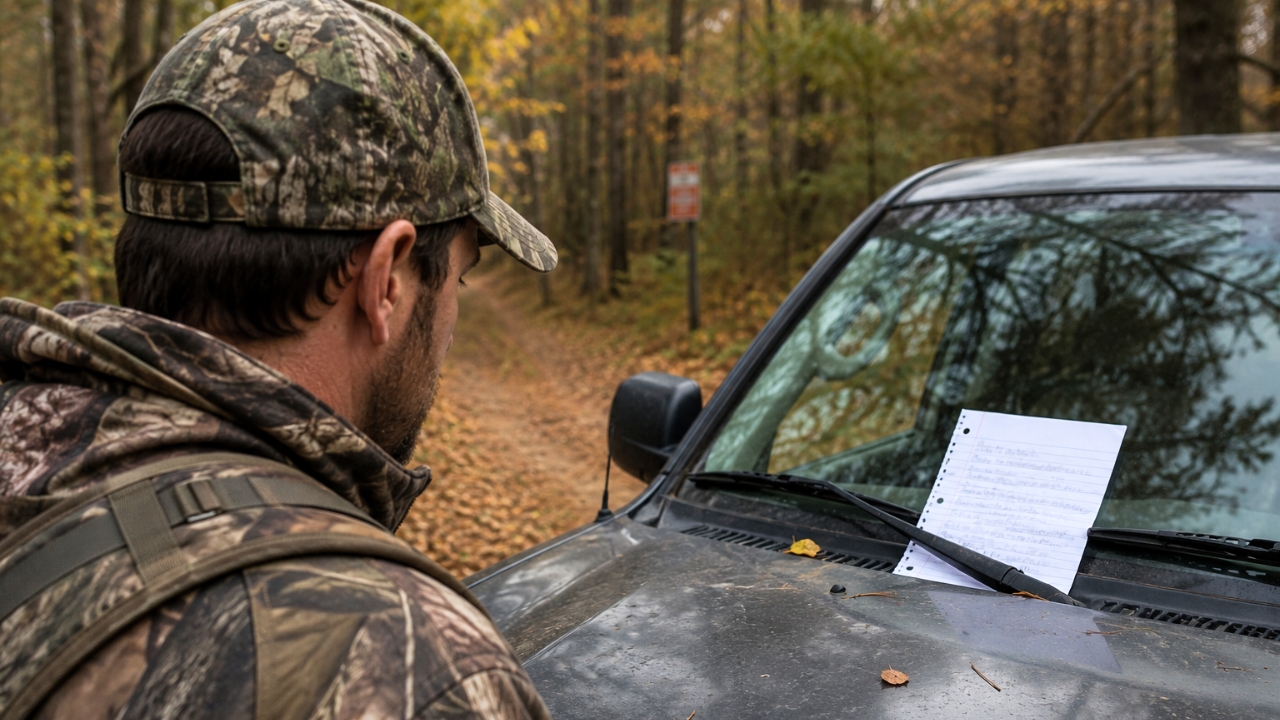
Then someone left him a note.
In a Reddit post, the hunter asked for advice after another person apparently found him hunting on private land and left a message that made the whole access situation feel less clear than it had before. And that is one of those awkward hunting problems that can turn ugly fast, because permission only works when everyone connected to the property is on the same page.
A lot of hunters have been there in some form. One person tells you it is fine to hunt. Maybe it is the landowner. Maybe it is a relative of the landowner. Maybe it is a leaseholder, farm manager, neighbor, or friend of the family. You take that as permission, get your gear together, and head in thinking everything is squared away.
Then someone else shows up acting like you have no business being there.
That is where a hunter’s confidence can disappear in a hurry.
The note itself was the problem because it suggested someone else believed the hunter was either trespassing or hunting where he should not be. Even if the note was not aggressive, it still raised the obvious question: who actually has the authority here?
That question matters more than people think. Hunting permission is not the same as someone saying, “Yeah, I think it’s fine.” It needs to come from the person who actually has the legal right to grant it. If the owner says yes, that is one thing. If the owner’s buddy says yes, that may mean nothing. If one family member says yes and another says no, the hunter can get stuck in the middle of a family argument he never wanted.
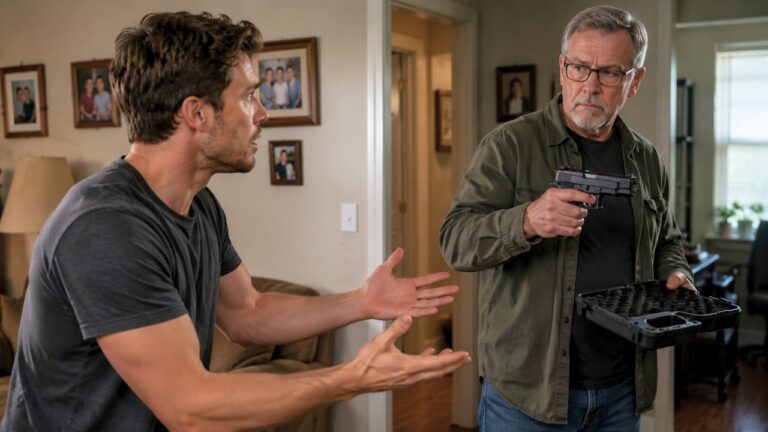
The poster seemed to be in that exact kind of uncomfortable spot. He believed he had permission, but the note made it clear somebody else disagreed. And when that happens on private land, the hunter cannot just shrug and keep going like nothing changed.
Because next time, it might not be a note.
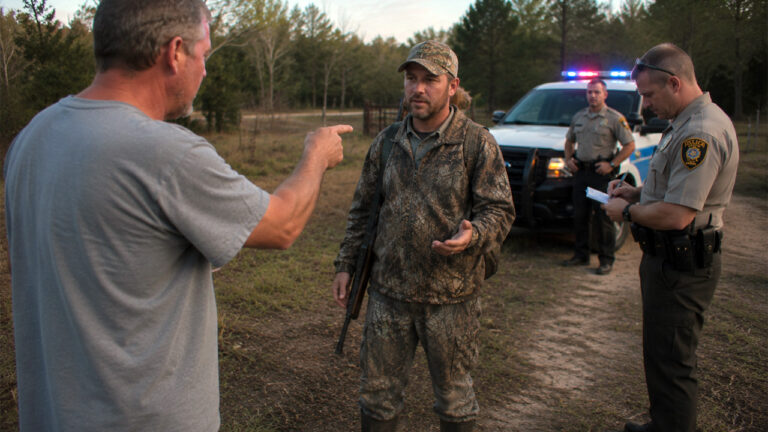
It might be a truck blocking the gate. It might be an angry neighbor walking in while the hunter is in a stand. It might be someone calling the game warden. It might be a landowner who was never told anyone else had given permission. Or it could be another hunter who believes he has the exclusive right to that spot and is not thrilled to find company.
That is why Reddit pushed the obvious answer: get the landowner directly involved.
The hunter needed a clean conversation with the person who actually owned the ground. Not gossip through neighbors. Not secondhand permission. Not “I’ve always hunted here.” A direct answer. Who is allowed to hunt? Where are the boundaries? Are there other hunters on the property? Is permission still valid? Is there a lease? Does anyone have exclusive access? And should the hunter carry written proof in case someone challenges him again?
Those questions are not overkill. They are how you avoid a bad morning.
It is also a safety issue. If multiple people think they have permission to hunt the same private land but do not know about each other, that is a problem. One hunter may set up on one side of a field while another slips in from the opposite direction. One may think he is alone and take a shot without realizing someone else is tucked into the same woodlot. Even if everybody is careful, nobody wants surprise hunters appearing in the same area at first light.
The note may have been annoying, but it was also a warning.
It told the poster the access situation was not as settled as he thought. Maybe the note writer was wrong. Maybe the hunter had every right to be there. But once someone challenges your access, the worst thing you can do is keep hunting on assumptions.
The better move is boring but smart: call the owner, explain exactly what happened, ask for clarification, and get permission in writing if the answer is still yes.
That way, if another note shows up or someone confronts him in the woods, he is not standing there trying to explain a vague handshake deal. He has a name, a phone number, and a clear record.
Private land access can be a gift, but only when it is clean. When it gets muddy, the hunter can end up looking like the bad guy even if he started out trying to follow the rules.
In this case, the note did not automatically mean the hunter was wrong. But it did mean he needed to stop treating the situation like it was settled until the landowner made it clear.
Commenters mostly told him not to guess his way through it.
Several people said the landowner needed to be the next call. If the hunter had permission, the owner should know someone was leaving notes or challenging him. If the permission came from someone other than the owner, then he needed to confirm that person actually had the authority to grant access.
A lot of hunters recommended getting written permission. It does not have to be fancy. A signed note, a text message, or an email from the landowner can make a huge difference if a neighbor, leaseholder, game warden, or another hunter questions why someone is there. Written permission also helps avoid the dreaded “I thought he said it was okay” problem.
Some commenters said the note writer might have had a legitimate concern. Maybe he was another hunter with permission. Maybe he had been told nobody else would be there. Maybe the property was leased. Maybe there was a boundary issue. The point was not to assume the note writer was automatically wrong, but to get the facts straight before the next hunt.
Others warned that private-land disputes can escalate quickly if people get embarrassed or territorial. If someone already feels strongly enough to leave a note, he may feel strongly enough to confront the hunter in person next time. That is not something to invite during hunting season.
A few people said the hunter should not go back until he had talked to the landowner. That may feel frustrating, especially if he truly had permission, but it is better than walking into a conflict blind.
The best advice was simple: clear it up now, before it turns into a face-to-face problem in the woods. Permission is only useful when everyone who matters understands it.