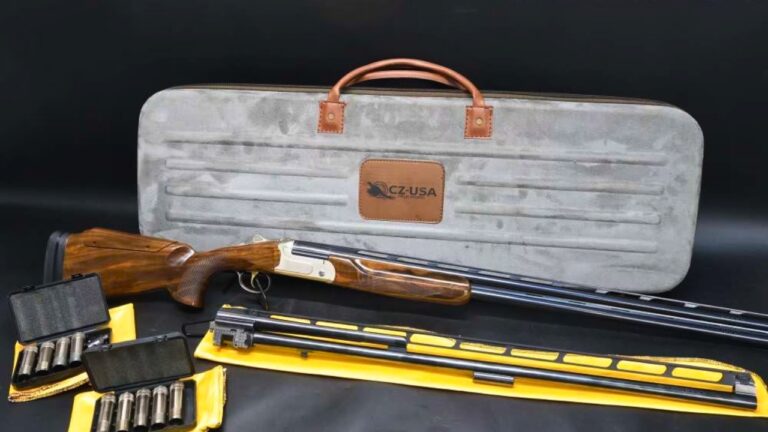
Photo credit: ApocalypseSports. com/GunBroker
Henry became one of those brands people recommend almost automatically, and that did not happen by accident. Lever guns have always had a loyal crowd, but Henry figured out how to sell them to more than one kind of shooter. The company kept the traditional feel people wanted, then slowly added enough practical options to make the rifles useful for hunters, landowners, plinkers, collectors, and newer shooters who simply wanted something different from another bolt gun or AR.
That is why Henry gets brought up so often. The rifles are easy to understand, good-looking, American-made, backed by a strong warranty, and offered in enough versions that almost anybody can find one that fits a real use. Not every Henry is perfect, and some models are heavier or pricier than buyers expect. But the brand has earned its place because it built trust in a category where reputation matters a lot.
The “Made in America” Message Actually Landed

Henry’s “Made in America, Or Not Made At All” line has stuck because lever-gun buyers care about that kind of thing. A lever-action rifle already carries old American hunting, ranch, and frontier associations, so the domestic-made message fits the product instead of feeling forced.
That matters when people are spending real money on a rifle they may keep for decades. Buyers like knowing the company leans into American manufacturing instead of treating it like fine print. It gives Henry a simple identity that is easy to recommend. You do not have to explain the brand for ten minutes. The message is clear, and customers remember it.
The Golden Boy Became a Gateway Rifle
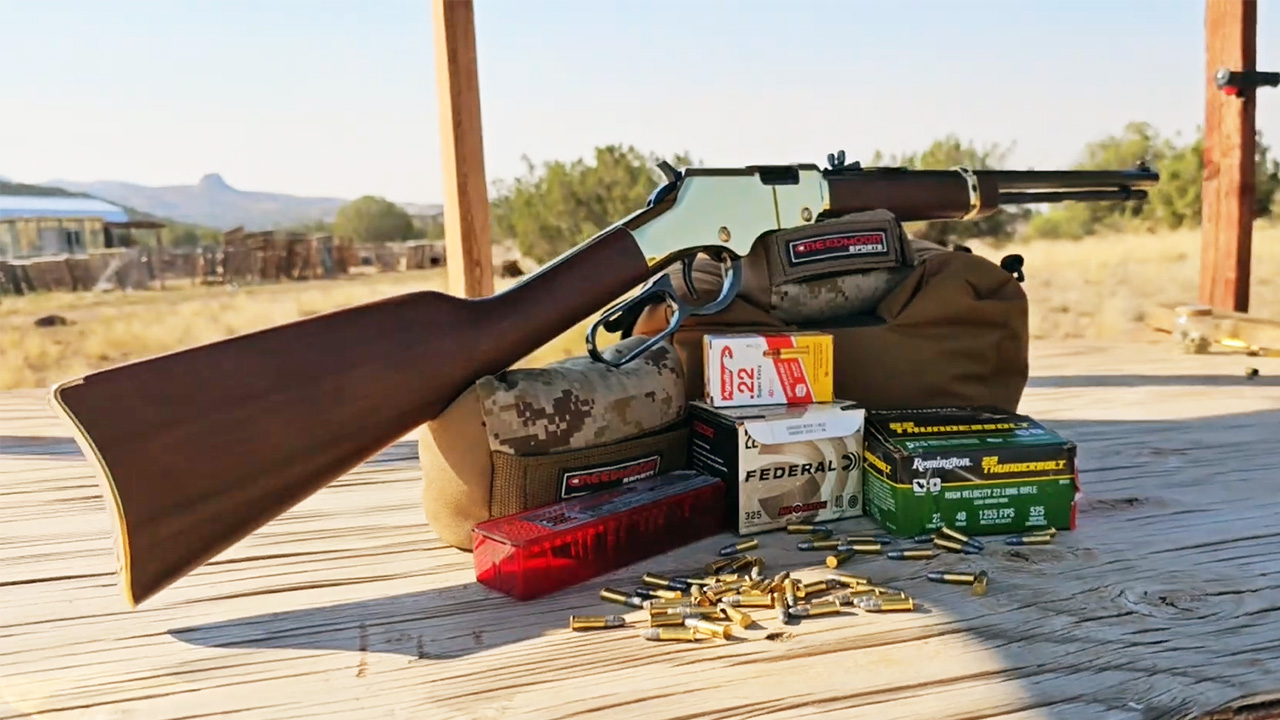
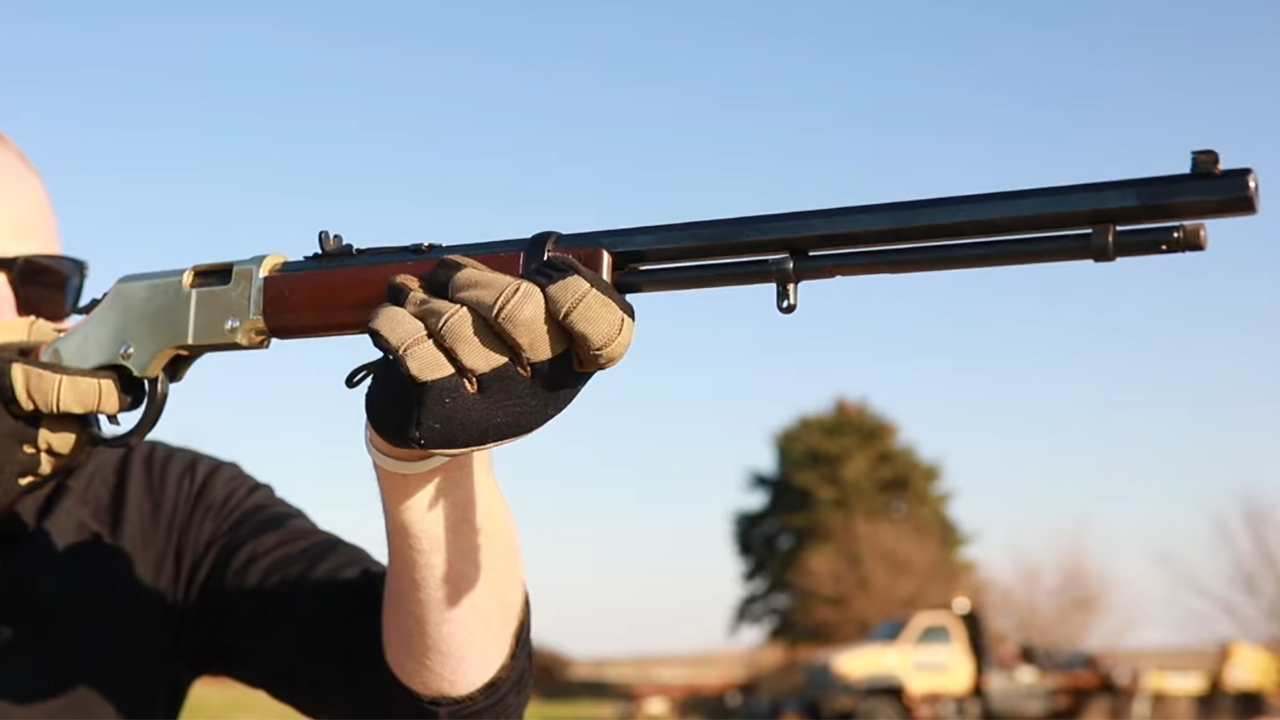
The Henry Golden Boy did a lot to put the brand in people’s hands. It looked sharp, ran smoothly, and gave shooters a rimfire lever gun that felt special without being unreachable. A lot of people bought one for themselves, their kids, or as a gift.
That rifle helped Henry become more than a name on a catalog page. The Golden Boy turned casual shooters into brand fans because it was fun, approachable, and good-looking enough to feel like a keeper. It may be a .22, but that is part of the genius. A rimfire lever gun gets shot, shared, and remembered. That kind of first impression builds loyalty fast.
Their Rimfire Lever Guns Are Easy to Love

Henry’s basic .22 lever guns are a huge reason people keep recommending the brand. They are not complicated, intimidating, or expensive to feed. You can hand one to a new shooter and have them smiling in a few minutes.
That kind of usefulness matters more than people admit. A smooth little .22 lever-action is great for plinking, small game, informal practice, and teaching safe gun handling. It does not need recoil, noise, or tactical styling to be enjoyable. Henry understood that a fun rifle can create lifelong customers. Once someone has a good experience with a Henry rimfire, stepping up to a centerfire Henry feels natural.
The Big Boy Line Gave Buyers Something With Muscle

The Big Boy line helped Henry move beyond rimfire nostalgia. Chamberings like .357 Magnum, .44 Magnum, .45 Colt, and later hard-use steel-framed options gave buyers lever guns that could hunt, ride on rural property, or pair nicely with revolvers.
That pistol-caliber lever-gun appeal is strong because it is practical and fun at the same time. A .357 or .44 Henry is cheaper to shoot than many big hunting rifles, easier on the shoulder, and useful inside normal woods distances. The Big Boy rifles also look good, which never hurts. They gave buyers a reason to see Henry as a real working lever-gun brand, not just a .22 maker.
Henry Listened on Side Loading Gates
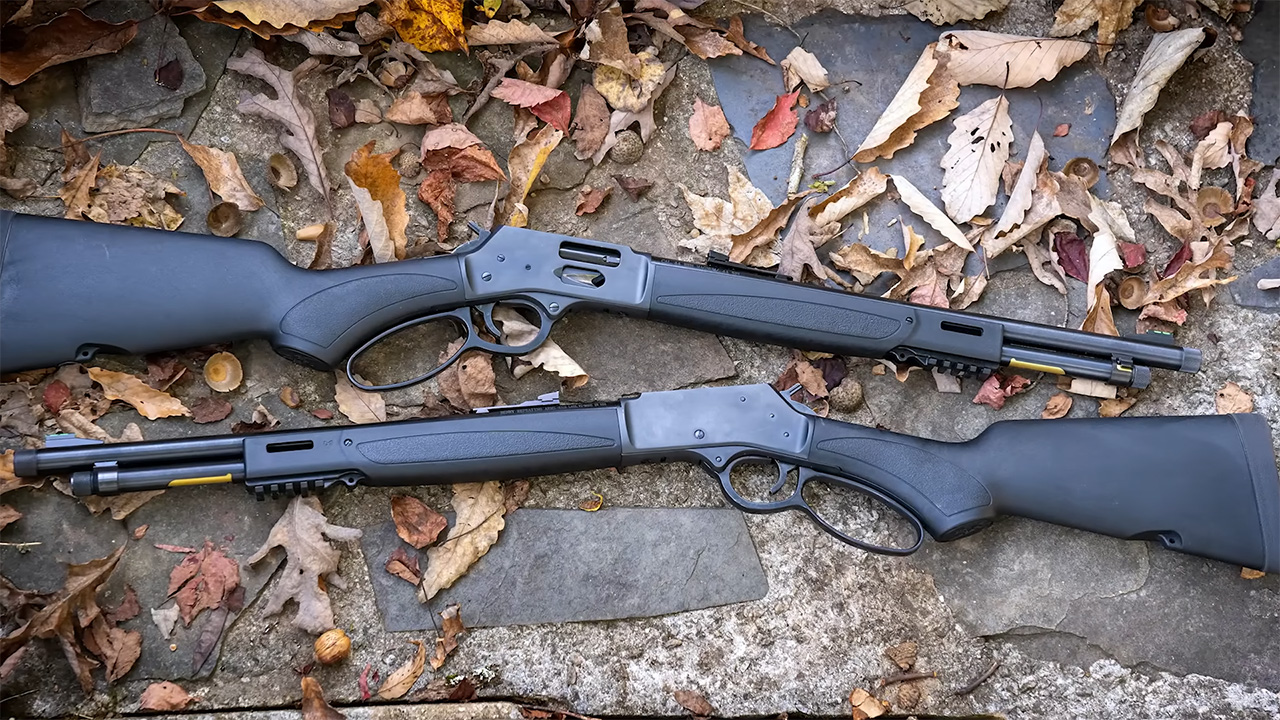
For years, one of the biggest knocks on Henry centerfires was the lack of a side loading gate. Some shooters liked the tube-loading system, but others wanted the traditional ability to top off the rifle through the receiver without pulling the tube.
Henry eventually answered with side-gate models, and that mattered. It showed the company was willing to listen without throwing away its own identity. Many current Henry rifles now give buyers both options: load through the gate or unload safely through the tube. That flexibility won over people who liked Henry quality but had stayed loyal to Marlin or Winchester-style loading systems.
The Rifles Have Strong Shelf Appeal

A Henry usually looks good sitting in a rack. Brass receivers, walnut stocks, octagon barrels, clean lines, and polished finishes all help the rifles stand out. That first impression matters because lever guns are emotional purchases as much as practical ones.
People often buy a Henry because it feels like something worth owning, not just something that fires a cartridge. The company understands that. Even its plainer steel models tend to have a finished, complete look. In a market full of black polymer and matte finishes, a nice lever gun catches the eye. That visual appeal gets people interested before the action ever cycles.
The Customer Service Reputation Helps Sell Rifles

Henry’s customer service reputation is a big part of why owners recommend the brand. Buyers talk about warranty help, replacement parts, and the company’s willingness to make problems right. In a market where service stories spread fast, that matters.
A firearm brand does not build loyalty only by making good guns. It also has to stand behind them when something goes wrong. Henry’s lifetime warranty message gives buyers confidence, especially when they are buying a rifle as a long-term keeper. People are more willing to recommend a brand when they believe the company will answer the phone and take care of the customer.
They Made Lever Guns Feel Accessible Again
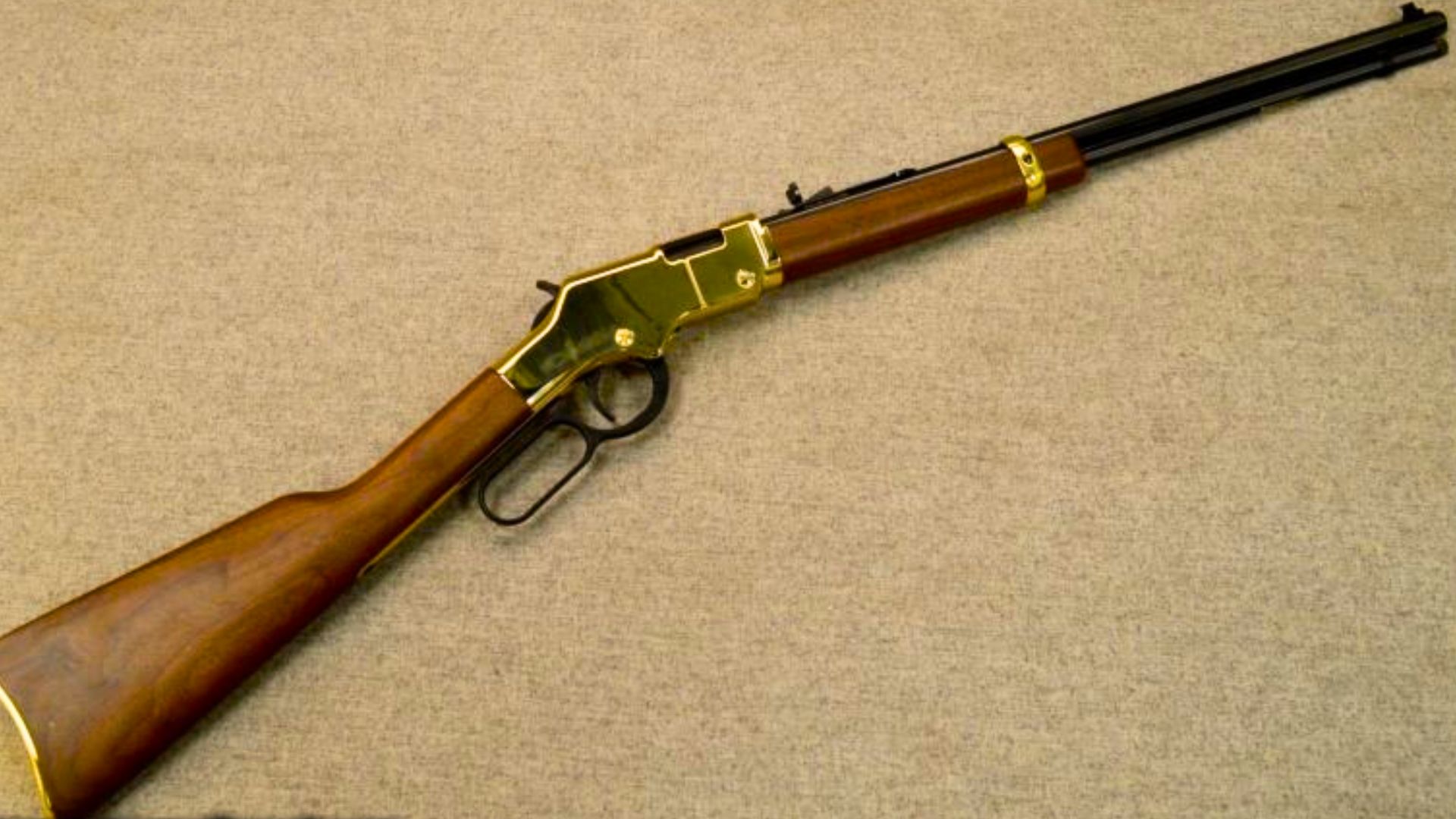
Lever guns can feel intimidating to newer buyers when the conversation gets buried in old Winchester models, JM-stamped Marlins, collector grades, pre-safety variants, and discontinued chamberings. Henry cut through that by making new lever guns easy to find and easy to understand.
That accessibility helped a lot. A buyer could walk into a shop, handle a new Henry, choose a chambering, and not worry about buying someone else’s worn-out project rifle. That is a big deal for people who want the lever-gun experience without learning the collector market first. Henry made the category feel open again, and that brought in more shooters.
The .45-70 Rifles Earned Real Hunting Respect
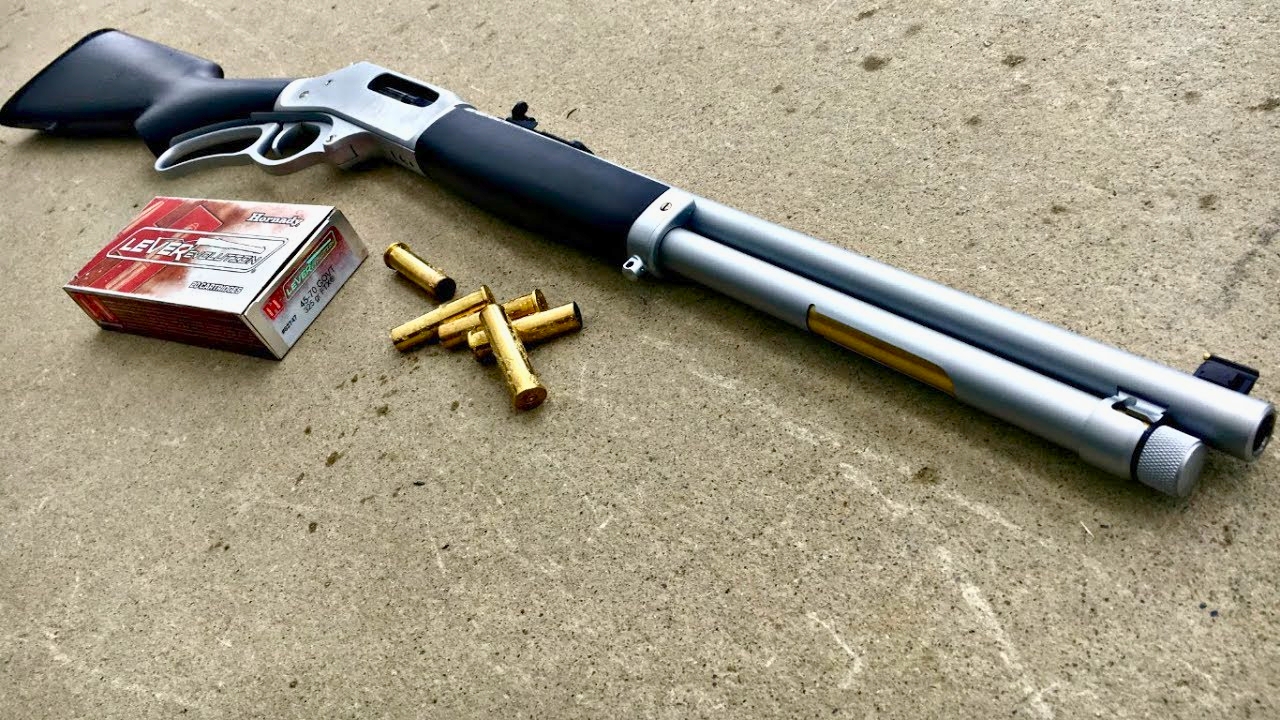
Henry’s .45-70 rifles gave the brand serious credibility with hunters who wanted a hard-hitting woods gun. A .45-70 lever action is not subtle, and it is not pretending to be a long-range rifle. It is a close-to-moderate-range thumper for deer, hogs, black bear, and bigger game when used properly.
That kind of rifle fits Henry’s personality well. It feels traditional, powerful, and practical in thick cover. Hunters who want a rifle with authority often gravitate toward Henry’s steel .45-70 models because they look right and hit hard. Once a brand earns respect in a chambering like that, recommendations start sounding more serious.
They Offer Models for More Than Collectors

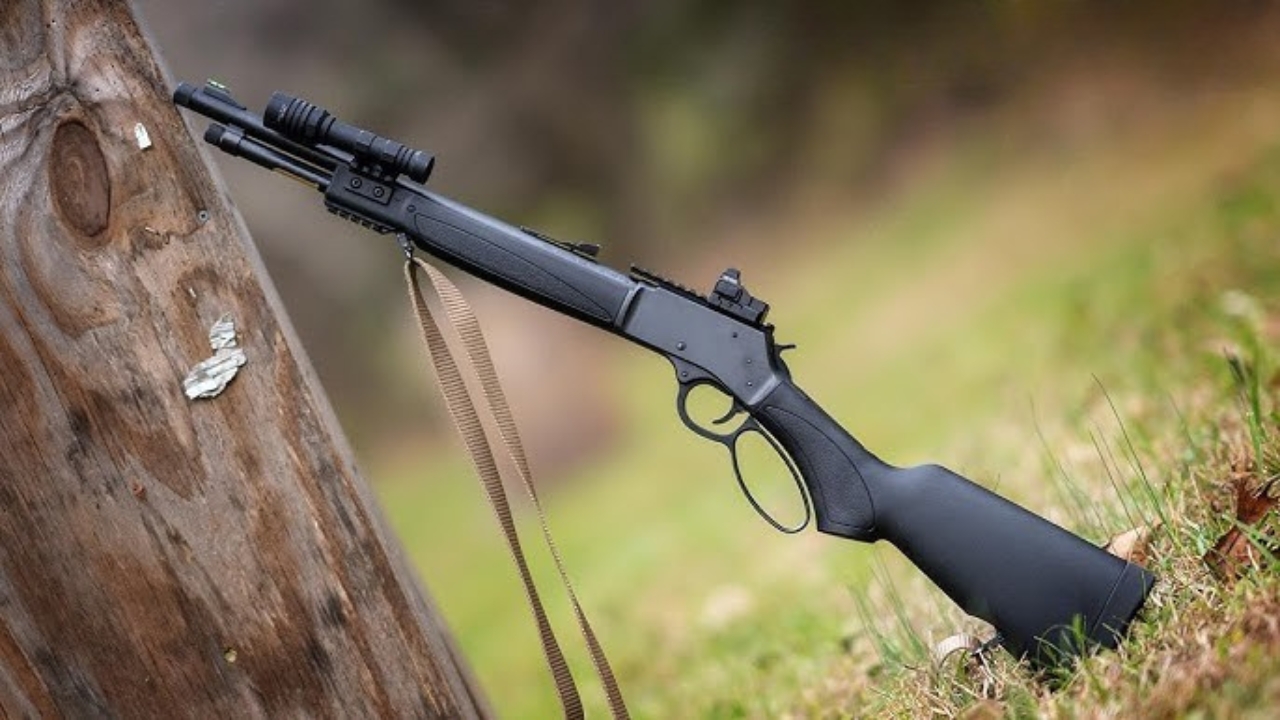
Henry could have leaned only into shiny nostalgic rifles and still sold plenty of guns. Instead, the company expanded into practical models with steel receivers, synthetic stocks, threaded barrels, rail options, and all-weather finishes. That made the brand useful to people who actually hunt hard.
That matters because not everybody wants a brass receiver and polished wood in a muddy side-by-side. Some buyers want a rifle they can drag through rain, leave in a truck, or suppress for hogs and property work. Henry’s more practical models widened the audience without abandoning the traditional rifles that built the name. That balance is why the brand keeps getting recommended by different kinds of shooters.
The Long Ranger Gave Henry a Modern Hunting Lane
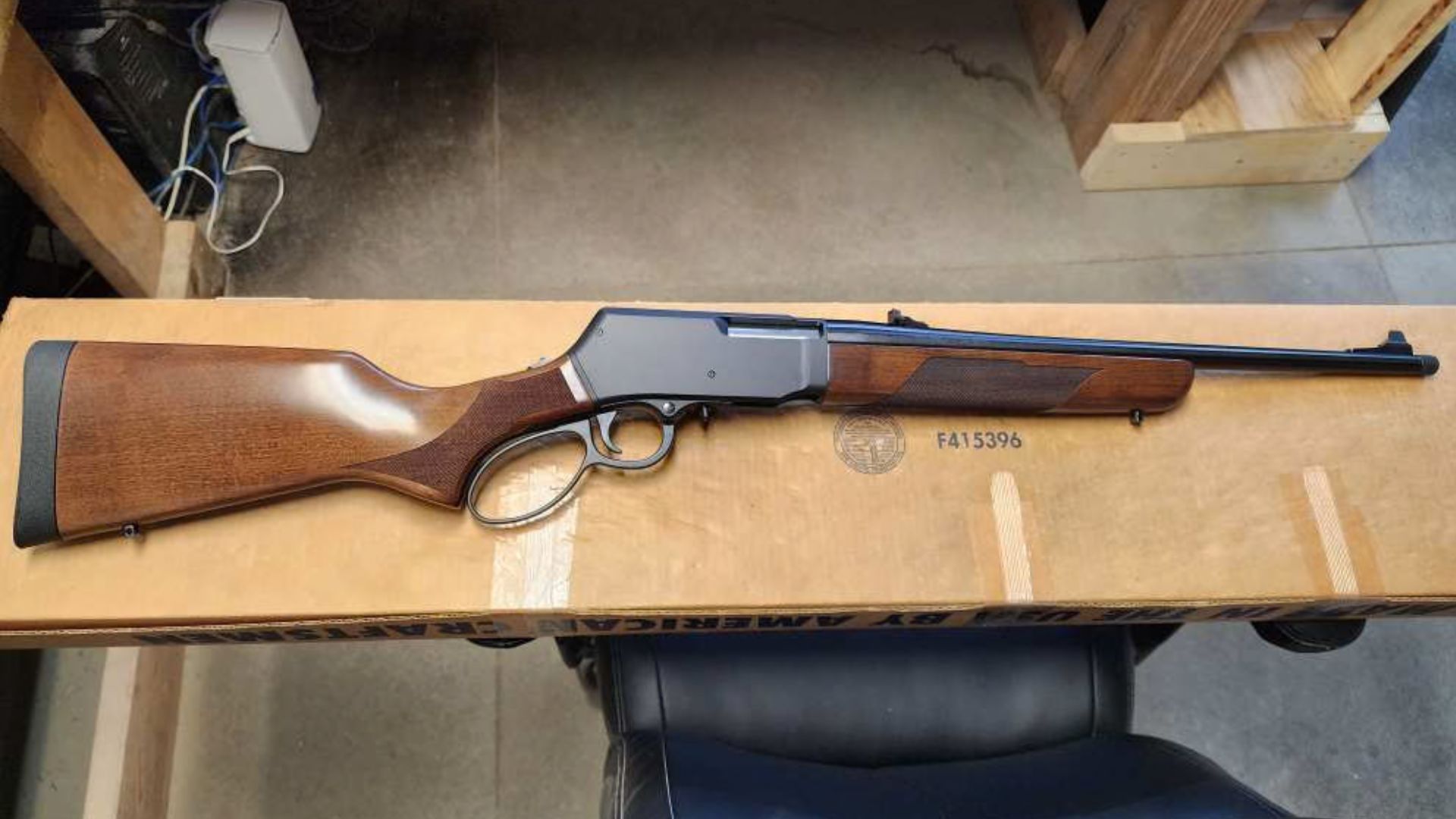
The Long Ranger helped Henry answer hunters who liked lever actions but wanted pointed bullets and longer-range capability. Its detachable box magazine and more modern action design made it different from the tubular-magazine rifles most people associate with the brand.
That was smart because traditional lever guns have limits. A .30-30 or .45-70 is great inside its lane, but some hunters want flatter-shooting cartridges and more reach. The Long Ranger gave them a Henry option without forcing them into a bolt action. It may not appeal to every lever-gun purist, but it showed Henry was willing to stretch the platform where it made sense.
The Rifles Make Great Gifts
Henry rifles get recommended often because they make strong gift guns. A Golden Boy, youth .22, tribute rifle, or clean walnut-stocked lever action feels more personal than another generic firearm. People buy them for birthdays, retirements, graduations, first rifles, anniversaries, and family keepsakes.
That gift appeal matters for brand growth. A Henry often becomes attached to a story, and guns with stories stay in families. When a young shooter learns on one or a grandfather receives one as a retirement rifle, the brand becomes part of that memory. That emotional connection is hard for competitors to copy with a plain box-stock rifle.
They Found the Sweet Spot Between Nostalgia and Usefulness
Henry’s biggest strength may be that it understands nostalgia without getting trapped by it. The rifles look and feel traditional, but many models are practical enough for modern hunting, range use, suppressors, optics, and property work.
That is not easy to pull off. Go too modern and lever-gun people complain that the soul is gone. Stay too old-fashioned and newer buyers walk past. Henry found a middle lane. A shooter can buy a brass Golden Boy for pride of ownership, a steel .357 for utility, a side-gate .30-30 for deer season, or a threaded model for suppressed use. That range keeps the brand relevant.
They Kept Lever Guns Fun

A lot of firearms marketing gets serious fast. Defense, precision, tactical setups, long-range performance, and hard-use claims dominate the conversation. Henry never lost sight of the fact that lever guns are supposed to be fun.
That matters more than some people admit. Working a lever, hearing steel ring with a .22, shooting a .357 rifle with light recoil, or carrying a classic-looking deer rifle through the woods all feels satisfying in a way spec sheets do not capture. Henry built a brand around that feeling. People recommend the rifles because they are enjoyable to own and shoot, not just because they meet a technical need.
The Brand Built Trust One Owner at a Time

Henry did not become the lever-gun brand people recommend by winning one argument. It happened because owners kept having good experiences and telling other people. Smooth actions, good-looking rifles, solid customer service, useful chamberings, and strong American-made branding all stacked up over time.
That kind of reputation is hard to fake. A brand can buy attention, but it cannot buy years of owners saying, “I’ve got one, and I’d buy another.” Henry reached that point because its rifles usually deliver what buyers expect from them. They are not always the cheapest lever guns, and not every model fits every shooter. But for a lot of people, Henry has become the safe recommendation for a reason.
Like The Avid Outdoorsman’s content? Subscribe to our newsletter so you never miss an article.
Here’s more from us: