Photo credit: GBGuns/Youtube
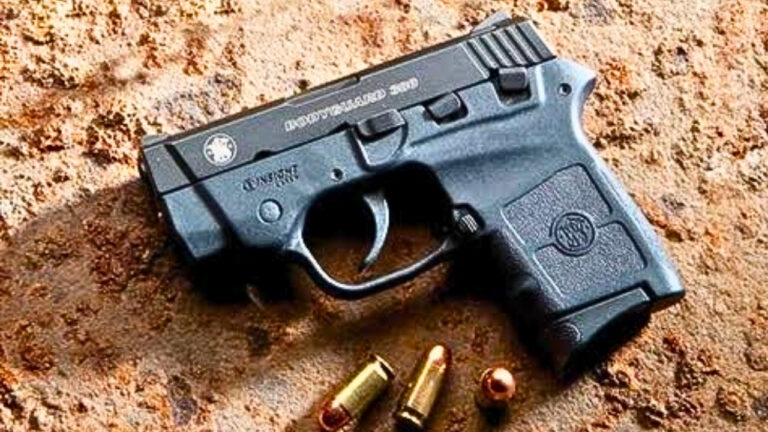
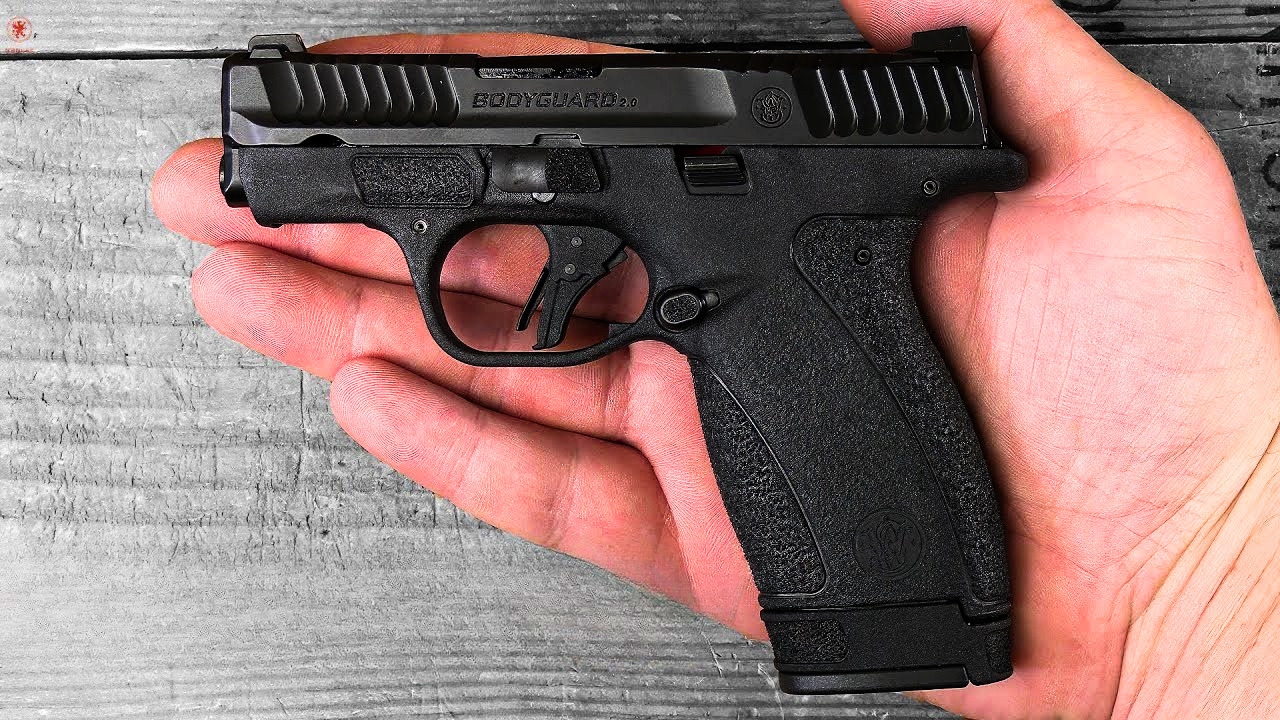
The Smith & Wesson Bodyguard 2.0 is one of the more interesting pocket pistols to hit the market because it is not just a warmed-over version of the old Bodyguard .380. It feels more modern, carries more like a tiny striker-fired pistol than the older double-action Bodyguard, and gives shooters a better trigger and better shootability than many people expect from a .380 this small.
But it is still a very small .380 pocket gun. That matters. Small pistols tend to have less slide mass, less grip area, shorter recoil systems, and tighter margins for weak ammo, bad grip, dirty magazines, or stiff new springs. Most Bodyguard 2.0 problems seem to fall into a few familiar categories: feeding trouble, extraction or ejection complaints, magazine issues, slide-stop confusion, failure to return to battery, and occasional light-strike concerns.
Failure to Feed
Failure to feed is one of the main complaints to watch for with the Bodyguard 2.0. The slide moves forward, but the next round does not chamber cleanly. The bullet may nose-dive into the feed ramp, stop partway into the chamber, or leave the slide sitting slightly out of battery. On a pistol this small, even a small amount of drag can create trouble.
A lot of feeding issues come back to magazines, ammo, and grip. Some owners discussing Bodyguard 2.0 problems have been told to test several ammo brands and put a few hundred rounds through the pistol before judging it, especially if early feeding problems show up with one load. That tracks with pocket pistols in general. A tiny .380 may run one load beautifully and act picky with another. If the gun only chokes with one magazine or one ammo brand, start there before blaming the whole pistol.
Magazine-Related Problems
The Bodyguard 2.0’s magazines are a major part of the gun’s appeal, but they are also one of the first things to check when reliability gets weird. Smith & Wesson sells a 12-round .380 Auto Bodyguard 2.0 magazine specifically for this pistol, and that kind of capacity in such a small gun means the magazine has to present rounds cleanly in a very tight package.
Magazine problems can show up as failure to feed, nose-dives, slide-lock issues, difficulty seating the mag, or the first round not chambering smoothly from a full magazine. Pocket guns also collect lint, dust, and grit faster than people think, especially if they ride in a pocket holster or small carry pouch. A dirty magazine body or dragging follower can slow the round stack down just enough to cause trouble. If one magazine runs and another causes stoppages, mark the bad one and stop trusting it for carry.
Failure to Extract or Eject
Extraction and ejection complaints have also shown up with the Bodyguard 2.0. In a failure to extract, the fired case stays in the chamber instead of being pulled out. In a failure to eject, the case comes out but does not leave the gun cleanly. Either one can stop the pistol from chambering the next round.
Some owner reports describe failure-to-extract or failure-to-eject issues after several rounds, while another Bodyguard 2.0 owner reported no failures after hundreds of rounds but did notice weak and inconsistent ejection, with brass landing in different directions. That tells you what to watch for: not just total stoppages, but also weak ejection patterns that may hint the pistol is barely cycling with a certain load. Ammo, extractor tension, chamber cleanliness, and grip can all play a part.
Stovepipes
A stovepipe is a specific kind of ejection failure where the empty case gets caught upright in the ejection port. It is usually easy to clear, but it still means the pistol did not complete the cycle. On a Bodyguard 2.0, stovepipes are usually tied to weak ammo, limp-wristing, extractor issues, or the slide not moving with enough speed.
That grip piece matters more on a pocket pistol than it does on a full-size 9mm. The Bodyguard 2.0 gives you more to work with than some tiny .380s, but it is still small. If the shooter does not give the pistol a firm platform, the slide can lose energy during recoil. Soft .380 practice ammo can make that worse. If the gun stovepipes for one shooter and not another, grip should be part of the diagnosis. If it does it for everyone with several loads, the pistol needs a closer look.
Failure to Return Fully to Battery
The Bodyguard 2.0 can also fail to return fully to battery. The round starts into the chamber, the slide moves forward, but it stops just short of closing completely. Sometimes a tap on the back of the slide seats it. Other times the round has to be cleared.
This can come from a dirty chamber, rough ammo, a stiff or weak recoil spring, dry rails, pocket lint, or a magazine presenting the round at a bad angle. Tiny pistols do not have a lot of extra slide weight to force through drag, so cleanliness matters. A gun that rides in a pocket, purse, center console, or sweaty waistband can collect junk even when it has not been fired. If the slide starts stopping short, clean the chamber, inspect the ammo, test the magazines, and make sure the recoil spring assembly is moving correctly.
Slide Stop and Slide Release Complaints
Some Bodyguard 2.0 owners have complained about the slide stop or slide release being hard to use, especially with an empty magazine inserted. In one Smith & Wesson forum discussion, users pointed out that the Bodyguard 2.0 manual identifies the part as a slide stop, and others noted that an empty magazine follower is pushing the lock upward, which makes dropping the slide harder by design.
That distinction matters. A stiff slide stop is not always a malfunction. With an empty magazine in the gun, the follower is doing its job by pushing the slide stop up. If the shooter tries to force the lever down against that pressure, it may feel like something is wrong. Still, if the slide will not close properly with a loaded magazine, or if the slide stop behaves inconsistently during live fire, that is different. Then the magazine follower, slide stop, spring, and overall fit need to be checked.
Slide Failing to Lock Back
The slide failing to lock back after the last round is another issue that can show up with small pistols. Sometimes the magazine follower does not lift the slide stop properly. Sometimes the magazine spring is weak or dirty. Other times, the shooter’s grip is riding the slide stop and preventing it from engaging.
On a pistol this small, it is very easy for hand placement to affect the controls. A high thumb or support-hand pressure can keep the slide stop from rising. If the slide locks back for one shooter but not another, grip is probably the issue. If it only fails with one magazine, that magazine needs to be marked and pulled from serious use. If it fails with every magazine and every shooter, the slide stop system needs inspection.
Light Primer Strikes
Light primer strikes are not the most common Bodyguard 2.0 issue, but they are worth watching. The trigger breaks, the firing system hits the primer, and the round does not fire. When the round is cleared, the primer may show a shallow strike. That can come from hard primers, dirty internals, weak striker or firing-pin energy, or ammo that is less consistent than it should be.
With a tiny carry pistol, repeated light strikes should not be shrugged off as a range annoyance. If it happens once with cheap ammo, test another load. If it happens repeatedly with quality defensive ammo, the pistol needs attention. Pocket guns are often carried a lot and shot less often, which means lint, old oil, and debris can sit inside the gun longer than owners realize. Clean internals matter when ignition reliability is on the line.
Ammo Sensitivity
Ammo sensitivity deserves its own mention with the Bodyguard 2.0. A full-size 9mm may run almost anything. A small .380 does not always have that kind of margin. Bullet shape, overall length, recoil impulse, primer hardness, and case quality can all affect whether the pistol feeds, extracts, ejects, and locks open properly.
That does not mean the Bodyguard 2.0 is unreliable by default. It means the owner needs to test the exact load they plan to carry. If it runs one FMJ load but struggles with a certain hollow point, the solution may be a different defensive round. If it barely ejects one soft practice load but runs hotter ammo cleanly, that tells you something too. A pocket pistol should earn trust with real testing, not just one magazine at the range.
Like The Avid Outdoorsman’s content? Be sure to follow us.
Here’s more from us: