Photo credit: Allexxandar/Shutterstock.com
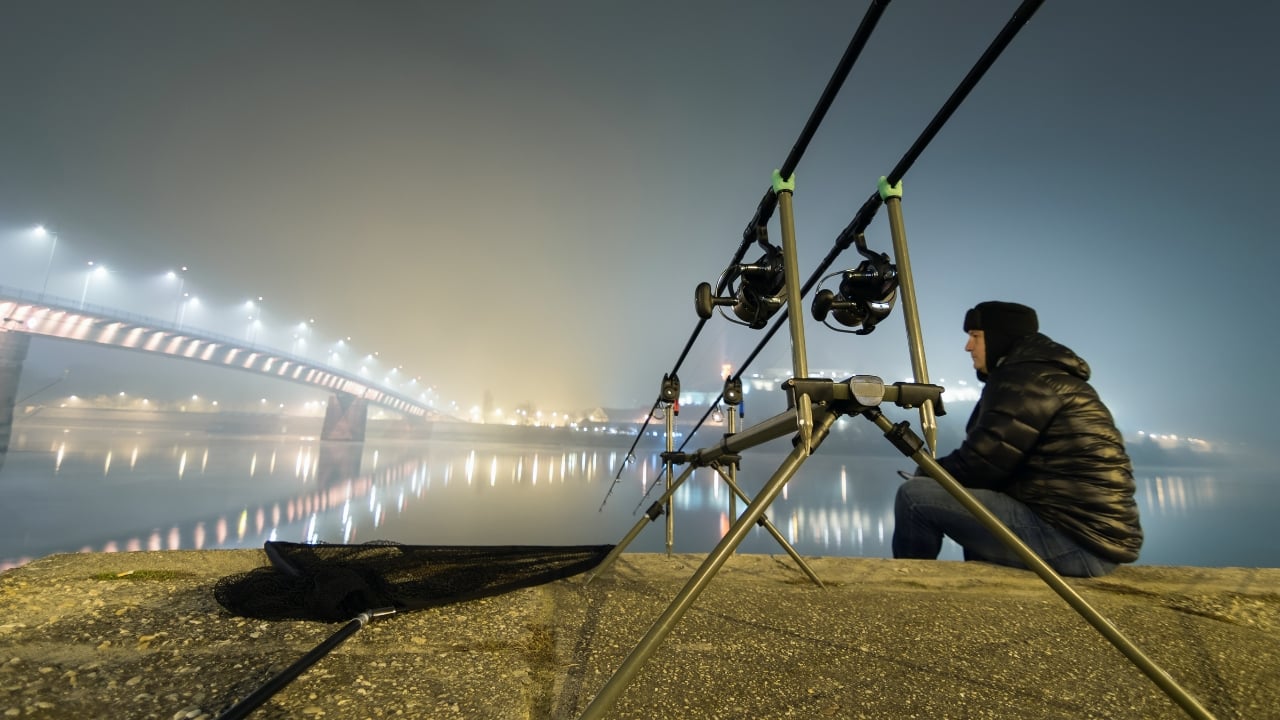
A fisherman on Reddit said he was night fishing alone at a river access when two men walked up out of the dark and immediately made the whole place feel wrong. It was the kind of spot a lot of catfishermen and bank anglers like because it gave easy access to deeper water without needing a boat. During the day, it probably felt ordinary enough. At night, though, a riverbank changes. You hear more than you see. Footsteps carry. Voices hit differently. Every set of headlights or crunch of gravel makes you look up. He was there to fish, had his gear spread out beside him, and was settled into that quiet rhythm people fall into when they’re waiting on a bite. Then the two men showed up.
At first they did not come in acting like anglers. They were not carrying rods. They were not asking what was biting or how the river looked. According to the fisherman, they started with odd questions. They wanted to know if he was alone. They wanted to know how long he planned to stay. They kept hanging around instead of moving on, and their attention drifted toward his gear. Anyone who has spent enough time at remote access points knows that feeling. The questions sound casual on the surface, but the tone underneath them feels all wrong.
That is what made him uneasy. His rods were out. His tackle was open. His cooler and bag were nearby. He was set up the way most bank fishermen are when they expect to be there a while, which means he was not exactly ready to spring up and leave in two seconds. If a person comes in with bad intentions, a fisherman on the bank can be in a rough spot fast. The gear that makes a trip enjoyable also makes a fast exit harder. You have rods in holders, line in the water, bait out, maybe a chair unfolded, maybe a lantern burning. It does not take much for a peaceful setup to start feeling like a trap.
The two men kept pressing the conversation. He said they were asking enough questions, and asking them in a strange enough way, that he stopped treating it like random small talk. He started thinking about distance, hands, and whether either man was about to make a move toward him or his stuff. That is when he put his hand on his pistol.
He was carrying while fishing, which is not unusual for a lot of outdoorsmen who spend time alone at remote ramps, riverbanks, public land pull-offs, or access points after dark. A sidearm does not make a man bulletproof, and it definitely does not turn every scary interaction into a shootout. But it can change the equation if the wrong people think they are walking up on an easy target. In this case, he did not draw it and start waving it around. He simply put his hand on it and made it clear, through posture and tone, that he was not somebody they were going to push around casually.
That shift mattered. Once the men realized he was armed and alert, the conversation changed. They lost interest in the strange questions, and whatever confidence they had walked in with seemed to go with it. According to the fisherman, they backed off and left. No one grabbed for his bag. Nobody rushed him. Nobody forced the situation to the next level. The whole thing ended without shots fired, but not without that feeling settling in afterward that he had come a lot closer to real trouble than he wanted to admit.
That is the kind of moment that sticks with a man long after the trip is over. You replay the questions. You replay the distance between you and them. You wonder what they were actually planning, or if they were only testing whether you were alone, distracted, or easy to intimidate. You look back at the darkness around the access point and start noticing all the things you ignored when the rods first went out. Where the truck was parked. How far the walk was. Whether anybody else was around. Whether your phone had signal. Whether the lantern made you easier to see than the men standing outside its glow.
A lot of fishermen like being alone because solitude is part of the whole point. But remote night fishing is different from fishing a crowded dock or a family park pond. You are often around water, limited lighting, scattered gear, and access points that can draw all kinds of people. Some are harmless. Some are drunk. Some are curious. Some are not there to fish. If a person is carrying, he needs to understand what that does and does not mean. It does not mean you go looking for a confrontation. It does not mean you can pull a gun because somebody makes you uncomfortable. It means you stay sharp, understand the law where you are, and recognize when a bad situation is starting to form before it is sitting in your lap.
The smarter part of this fisherman’s reaction was not only that he was armed. It was that he was paying attention early. He noticed the tone of the questions. He noticed that the men were not acting like fishermen. He noticed the way their interest drifted to his gear instead of the water. A lot of trouble announces itself in little ways before it becomes obvious. If you ignore those signs because you do not want to seem paranoid, you may end up behind the curve when things get serious.
For guys who fish alone, especially at night, there are a few habits that matter. Keep important gear close. Do not spread everything out like you are setting up camp in a place where strangers can walk up on you. Park where you can leave without a complicated mess. Keep a light on you, not only in a lantern on the ground. Tell somebody where you are. If something feels off, listen to that feeling early. And if you carry, know the law and know your own threshold before you ever need to make a decision under stress.
The fisherman did not end up in a fight. He did not have to draw. The men walked away, and he went home safe. That is the best kind of ending. But the whole encounter is a reminder that some of the scariest moments outdoors do not start with animals, storms, or deep water. Sometimes they start with two men walking in out of the dark, asking the wrong questions, and waiting to see whether the person by the river is prepared for what comes next.