Photo credit: PublicDomainPictures/Pixabay.com
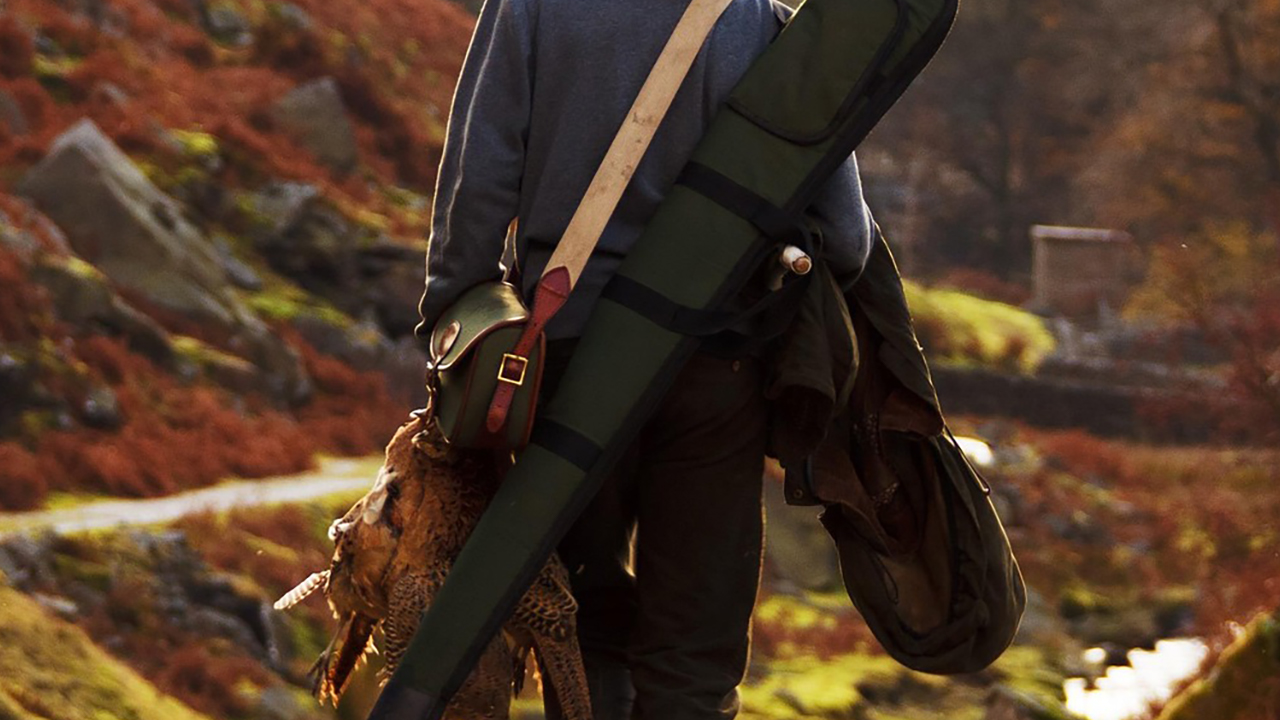
A hunter said he was on his own hunting property when a strange truck started showing up, and the more he learned, the worse it got.
In a Reddit post, he explained that he had just dealt with his first poacher. He was not talking about a hunter who accidentally crossed a fence once or got turned around in thick timber. This was someone who had been coming onto the property, messing with his setup, and acting comfortable enough to keep returning.
The hunter said the first red flag was stolen gear. Someone had taken items out of his blind, including a knife and other equipment. That alone would make most hunters furious. A blind is not a community shed. If someone is going through it and helping himself to gear, he already knows he is somewhere he should not be.
Then the truck showed up.
The hunter described seeing the same vehicle on the property more than once. He was in the woods when it came through, and the whole situation had that uncomfortable feeling every hunter understands fast: you are out there expecting deer, quiet, and normal woods noise, and suddenly you realize there is another person moving around who may not have any business being there.
That changes the mood in a hurry.
He said the poachers kept coming back even after he knew something was wrong. It was not one unlucky sighting. He had reason to believe the same people had been on the property repeatedly, and they were bold enough to return while he was hunting.
At some point, he found evidence that they had been taking more than access. They had stolen from his blind, and he believed they had been hunting the place without permission. That put him in a rough spot. He could ignore it and let them keep treating the property like theirs, or he could confront it and risk a run-in with someone who was already willing to trespass and steal.
He chose to start dealing with it.
One of the big frustrations in his post was how casual the trespassers seemed. A poacher sneaking in at night or slipping through a back corner is bad enough. A truck repeatedly showing up on a hunting property during the season feels different. It suggests the person either does not think he will be caught or does not care if he is.
And once theft enters the picture, it stops being only a hunting violation. Now the hunter is dealing with trespassing, stolen property, and the possibility that whoever is coming back may be armed. Hunting conflicts can get ugly fast because both sides may have guns, emotions are already high, and the woods give people too much room to make dumb decisions.
The hunter did not write like someone trying to play tough. He came across like someone who had been blindsided by how bold another person could be on land that was not theirs. Most hunters know poaching exists, but the first time it happens to your blind, your camera, your stand, or your property, it feels personal.
He had put time and gear into that spot. He had expected to hunt it without wondering who else might be slipping through. Instead, he was now watching for a truck, thinking about stolen gear, and figuring out what to do if the person came back again.
The danger with this kind of situation is that it can make a law-abiding hunter feel pushed into a corner. You want your stuff back. You want the person gone. You want to catch them. But catching them can mean walking into a confrontation with someone who has already shown bad judgment.
That is why several commenters pushed him toward cameras, reports, and documentation instead of trying to handle it alone. A poacher may act brave when he thinks nobody is watching. A plate number, trail camera photo, or sheriff’s report can change that.
The hunter’s post also had that familiar rural-property frustration underneath it: the people causing the problem often know they have the advantage if the property is quiet. They can slide in, steal something, hunt, and leave. The owner or legal hunter may only discover the damage later. And unless there is proof, it becomes hard to make anything stick.
But in this case, the hunter knew enough to realize he was not dealing with a harmless mistake. Someone had crossed onto the property, gone into his blind, stolen gear, and kept coming around in a truck. That is not a misunderstanding. That is a problem that usually gets worse if it is ignored.
Commenters were quick to tell him not to turn it into a personal showdown in the woods. A few understood the urge to confront the poacher directly, but most said that was asking for trouble, especially if the other person was armed.
Trail cameras came up repeatedly. People recommended placing cameras where they could catch the truck, the access route, and anyone walking near the blind. A few suggested cellular cameras so pictures would upload before a trespasser could steal or destroy the camera.
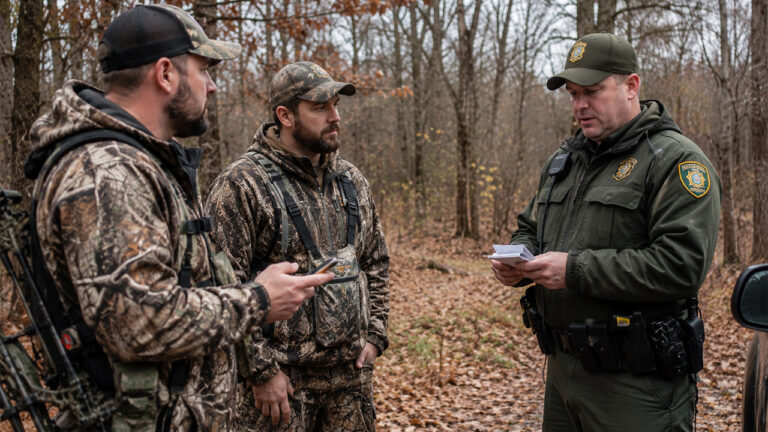
Several commenters told him to contact the game warden or local conservation officer. They said poaching and hunting trespass are exactly the kind of issues wildlife officers are used to handling, and stolen gear may also involve local law enforcement.
Others told him to document everything: what was stolen, when it went missing, when the truck appeared, where it entered, and any identifying details like plates, vehicle color, or tire tracks. A clean record would make it easier to prove a pattern instead of sounding like one random complaint.
Some commenters shared their own stories about poachers, stolen stands, missing cameras, and trespassers who kept returning until cameras or wardens finally caught them. The advice was mostly the same: do not let anger make the next move for you. Get proof, report it, and make it hard for the trespasser to keep pretending he belongs there.