Photo credit: Henry Saint John/Shutterstock.com
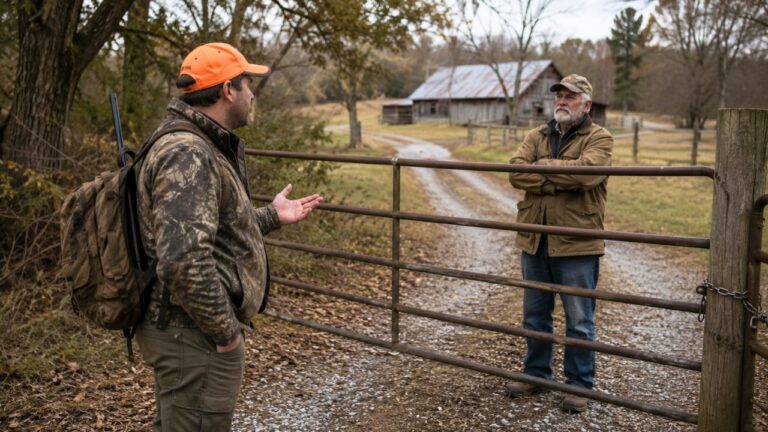
A hunter in Reddit’s r/Hunting described the kind of public-land morning that can sour long before legal light, especially when the people causing the problem act like the woods already belong to them. In his post, he said he had been scouting a piece of public ground for months, learning the area, figuring out the access, and putting in the kind of quiet work that makes a hunter feel like he has at least earned a fair shot at a good sit. Then, according to him, things changed when he started running into a group of other hunters who treated his presence like the real problem. You can read the original thread here: https://www.reddit.com/r/Hunting/comments/1gtclx2/public_land_hostility_normal/. (reddit.com)
From the way he wrote it, this was not just one awkward bump-in at the truck or one crowded opening morning where everybody shrugs and moves on. He was asking whether the level of hostility he was seeing on public land had become normal, which already tells you the encounters had gotten under his skin. Hunters do not usually ask that question after a single mildly rude exchange. They ask it when they start feeling like they are being pushed around by people who have decided their own time in the woods matters more than anyone else’s.
That uncertainty is what makes the thread feel real. Public land is full of hard truths hunters already know. You can scout for months and still show up to someone else’s truck at the gate. You can find the right tree, the right funnel, or the right bedding edge and still lose the morning because someone beat you there by ten minutes. Most hunters accept that part, even if they do not like it. What bothered this poster was not only competition. It was the way the other guys were acting. The tone of the thread makes it pretty clear he felt they were trying to pressure him out of the area, not just share the same ground.
That is the line that always turns a frustrating public-land story into something uglier. There is a big difference between, “Sorry man, I got here first,” and a group of hunters making it obvious they want you gone. Once the second thing starts happening, the morning is no longer only about finding a legal place to sit. It becomes about whether you are willing to let strangers bully you off land they do not own either. That is the kind of tension that hangs over the whole post. The hunter was not only asking about etiquette. He was asking whether the ugly side of shared ground had become something people are just expected to tolerate.
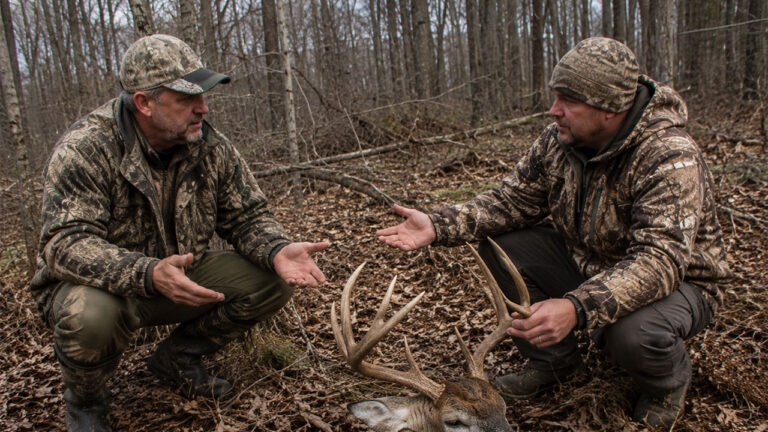
The replies reflected that split immediately. Some commenters treated the behavior like an unfortunate but common part of hunting heavily pressured public ground. Their basic message was that public is public, and if you are going to hunt it, you have to be ready for crowded parking lots, headlamps in the dark, and people who act harder than they should. Others were much less accepting. They drew a clear line between fair competition and intimidation, saying that nobody gets to claim a public spot through attitude, threats, or repeated pressure just because they have hunted there longer or show up with more friends.
That second group is really where the conversation got serious. Several commenters pointed out that public land does not stop being public because some group of regulars has decided it is “their” stretch of timber. If someone is already there that morning, that is one thing. Move on, find another plan, and come back next time. But if people are trying to use intimidation to keep others from even hunting the area at all, that is not etiquette. That is a different kind of territorial behavior, and a lot of hunters in the thread did not seem interested in pretending otherwise.
There is also another layer in a story like this that a lot of hunters understand instantly: the months of scouting are part of what make it sting. On private ground, if you scout hard and protect access, you at least feel like the work has a chance to pay off. On public land, that same work can leave you even more frustrated when somebody else tries to shove you out of the area through attitude alone. The original poster was not just describing a random patch of woods he wandered into on a whim. He was talking about a place he had invested time in. That is why the hostility landed harder. It did not feel like ordinary pressure. It felt like somebody else trying to cash in on the fact that he had already done the homework and then daring him to object.
The commenters also touched on the practical side of surviving public-land behavior like this. Some said the only sane answer is to keep multiple backup spots and never get so attached to one area that a hostile encounter ruins the whole season. Others said that while that is good advice, it still does not excuse people behaving like enforcers on land that belongs to everybody. That is probably the most honest part of the thread. Both things can be true at once. A smart public-land hunter needs backup plans. And a smart public-land hunter can still be furious when another group acts like harassment is just another scouting tactic.
What lingers in the post is not one quote or one dramatic blowup. It is the feeling behind the question he asked. He was trying to figure out whether the ugliness he ran into was just the price of admission now. That is a pretty bleak question, because it means the hunt had already shifted from excitement to suspicion. Instead of thinking about deer movement, wind, or timing, he was thinking about how much nonsense from other hunters he was supposed to absorb before deciding public land just was not worth it that day.
And that is really where the article sits. It is not about a hunter whining that somebody else got to the woods too early. It is about a man who spent months scouting a public spot and then ran into the part of public-land culture nobody likes to admit exists: the people who think they can claim what they do not own if they act hostile enough for long enough. Once that starts, the shared part of shared ground gets ugly fast.