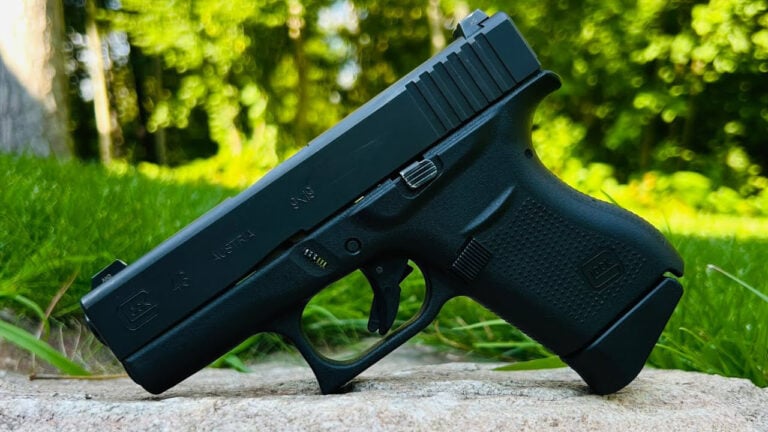
Photo credit: lifesizepotato – CC0/Wiki Commons
The 1911 should have faded out a long time ago if you only listen to spec-sheet arguments. It is old. It is usually heavier than modern polymer pistols. Traditional single-stack models hold fewer rounds than most duty-size 9mms. It asks more from the shooter than a simple striker-fired pistol. And yet, here we are, still talking about it like it matters.
That is because the 1911 has never survived on nostalgia alone. Colt still sells classic Government-style 1911s, Springfield Armory has a broad 1911 lineup from traditional Mil-Spec pistols to TRP models, and modern double-stack 1911-style pistols like Springfield’s Prodigy show how the platform keeps getting updated instead of being left in the past. Colt’s current catalog includes classic .45 ACP and .38 Super 1911 models, while Springfield says its 1911 line ranges from compact EMP pistols to full-size Operator models.
1. The Trigger Still Sets the Standard

The 1911 trigger is one of the biggest reasons the platform refuses to die. A good 1911 trigger moves straight back instead of hinging from the bottom like many other pistol triggers. That gives it a clean, predictable feel that shooters still chase today.
That does not mean every factory 1911 has a perfect trigger. Some are better than others, and a poorly built 1911 can feel rough like anything else. But when the trigger is done right, it gives shooters a level of control that is hard to ignore. For slow accuracy, fast follow-up shots, and clean trigger work, the 1911 still has a serious advantage.
2. It Points Naturally for a Lot of Shooters
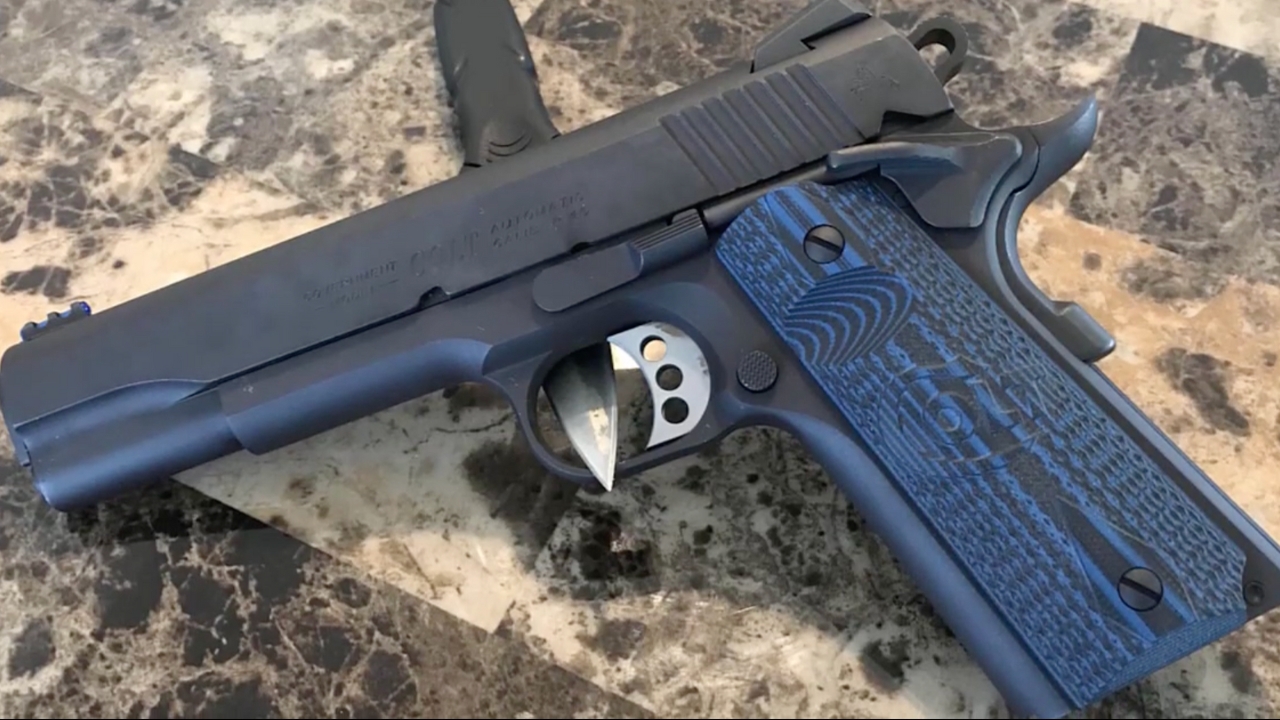
Plenty of shooters pick up a 1911 and immediately understand why it has lasted. The grip angle, slim frame, low bore feel, and balance just work for a lot of hands. It is not universal, but when it fits someone, it tends to fit very well.
That matters because handguns are personal. A pistol can have great capacity and modern features, but if it points awkwardly for the shooter, they will fight it. The 1911 has a way of feeling settled in the hand. That natural pointability keeps people coming back even when newer pistols look better on paper.
3. The Slim Frame Still Carries Well
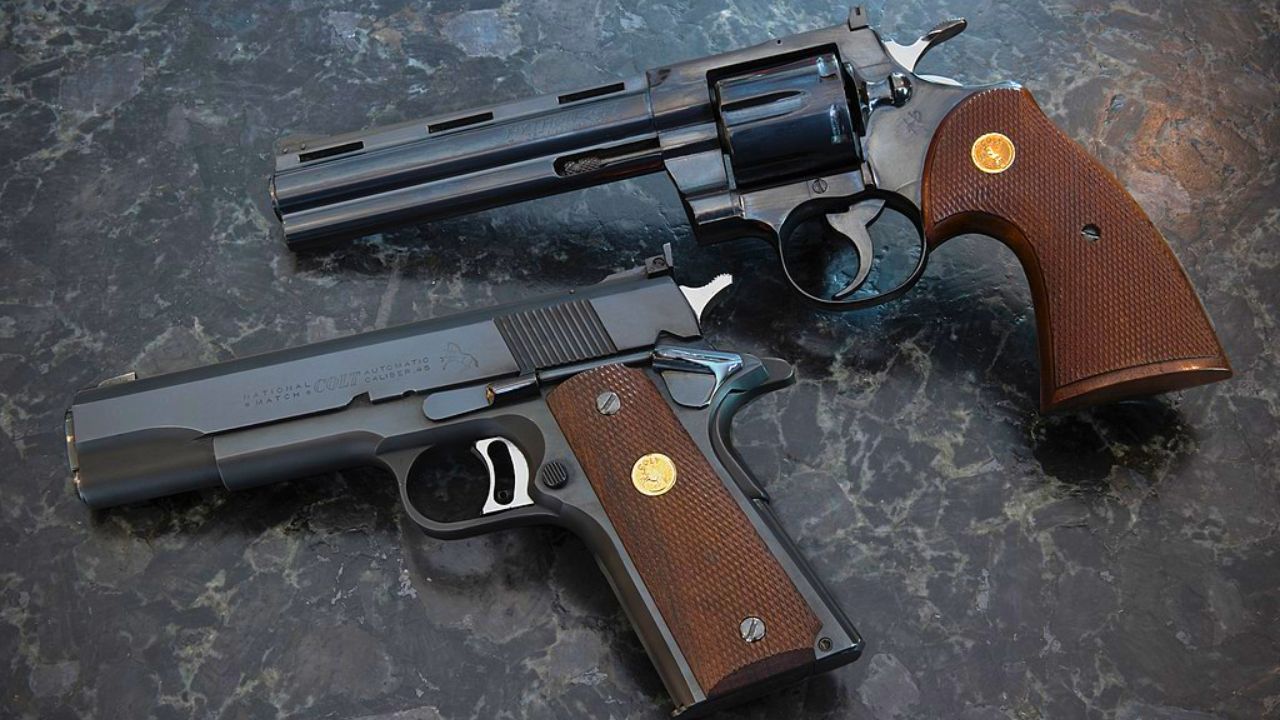
A full-size steel 1911 is not light, but it is surprisingly slim. That slim single-stack frame makes the pistol carry flatter against the body than many people expect. The weight is real, but the width is not bad at all.
That is why some shooters still carry them. A good belt and holster can make a heavy pistol manageable, especially when the gun rides close and does not feel blocky. Modern slim 9mms have changed the carry world, but the 1911’s thin profile still gives it a real concealed-carry argument for people willing to handle the weight.
4. It Rewards People Who Train
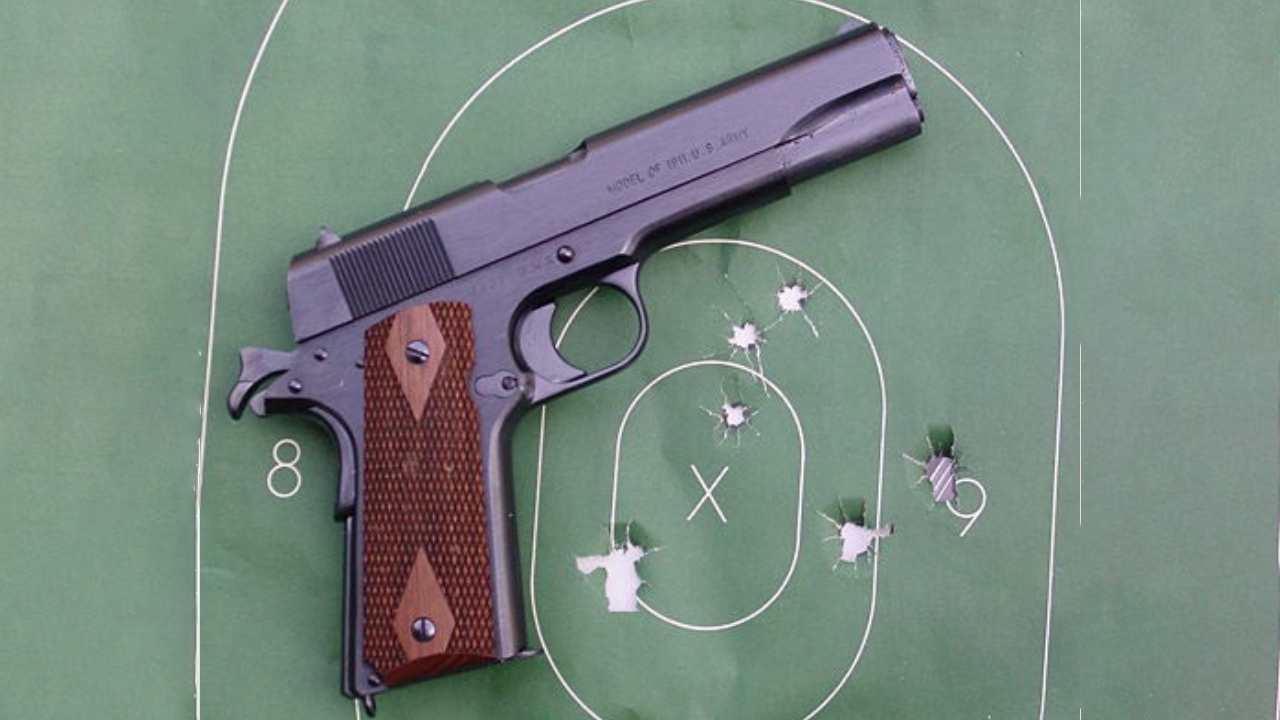
The 1911 is not the easiest pistol for lazy shooters. You need to understand the thumb safety, grip safety, single-action trigger, magazine changes, and cocked-and-locked carry. That learning curve scares some people off, and honestly, that is not always a bad thing.
A trained shooter can run a 1911 extremely well. The controls become natural with repetition, especially the thumb safety sweep on the draw. The platform rewards clean habits and punishes sloppy ones. Some people see that as a weakness. Others see it as part of why the pistol remains so satisfying to master.
5. It Still Has Real Accuracy Potential
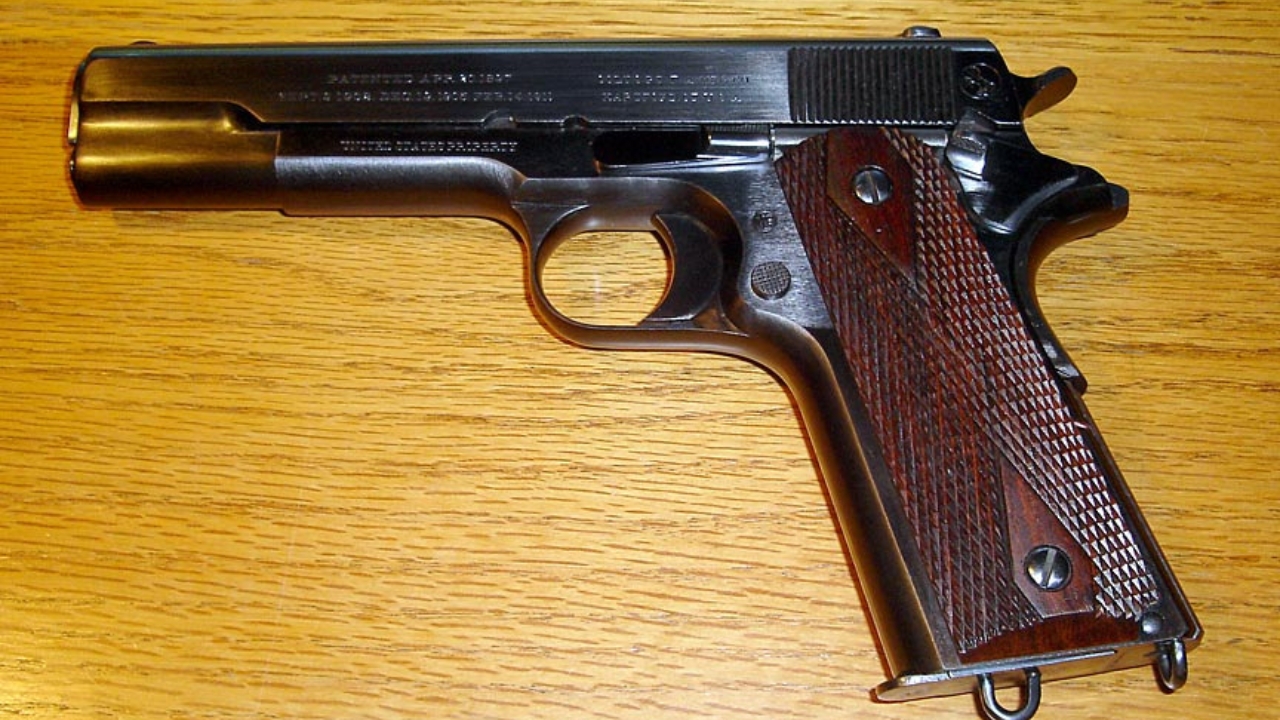
The 1911’s accuracy reputation did not come out of nowhere. A well-built pistol with a properly fitted barrel, good sights, and a clean trigger can shoot very well. That is one reason the platform stayed strong in competition and serious range use long after newer pistols took over many duty roles.
Accuracy is not automatic, though. A loose, poorly fit 1911 will not perform like a carefully built one. But the design gives builders a lot to work with. The barrel lockup, trigger system, sighting options, and grip shape all help the platform shine when the gun is made well.
6. The Platform Keeps Evolving
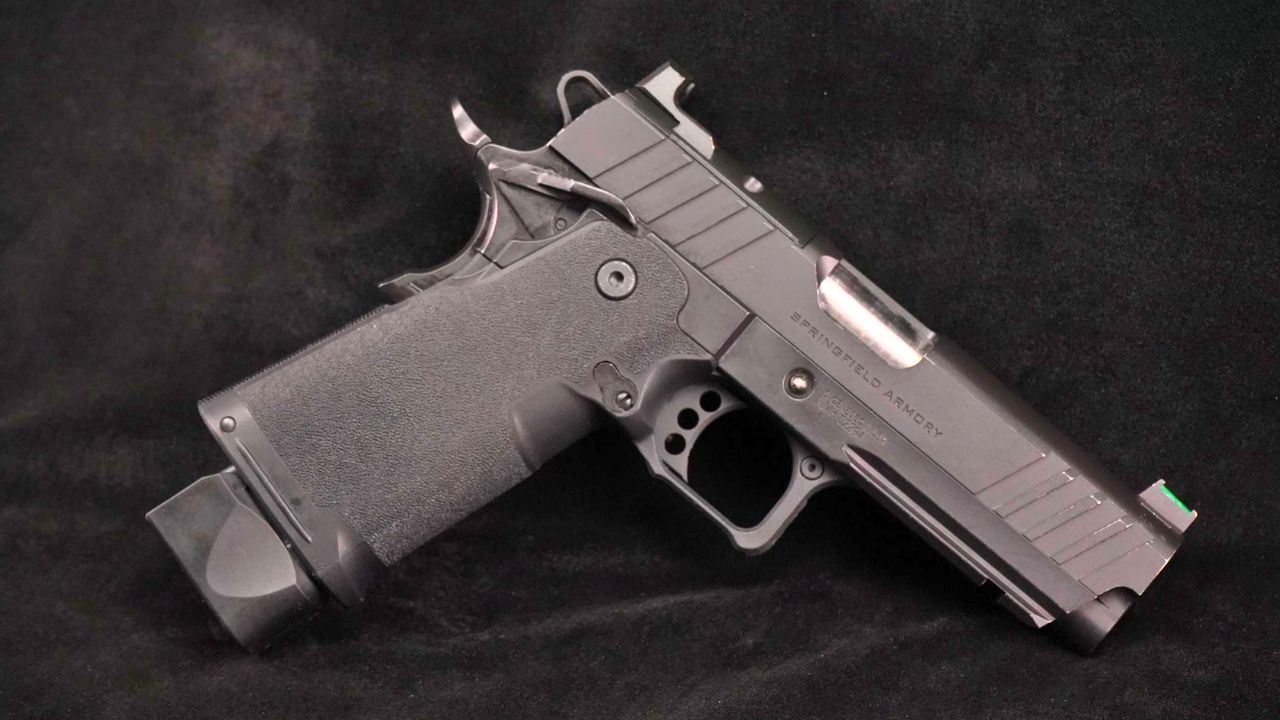
The 1911 survives because companies keep updating it. Springfield’s 1911 DS Prodigy is a good example. Springfield describes it as a double-stack 1911-style pistol with 15-, 17-, and 20+1 capacity options, optics-ready features, an ambidextrous safety, and a Picatinny rail. That is not a museum piece. That is a modernized version of a very old idea.
That kind of evolution matters. Traditional single-stack .45s still have their fans, but the broader 1911 world now includes 9mm pistols, double-stack guns, railed models, optics-ready slides, compact carry versions, competition pistols, and hard-use duty-style options. The platform refuses to fade because it keeps finding ways to adapt.
7. It Has More Caliber Options Than People Think
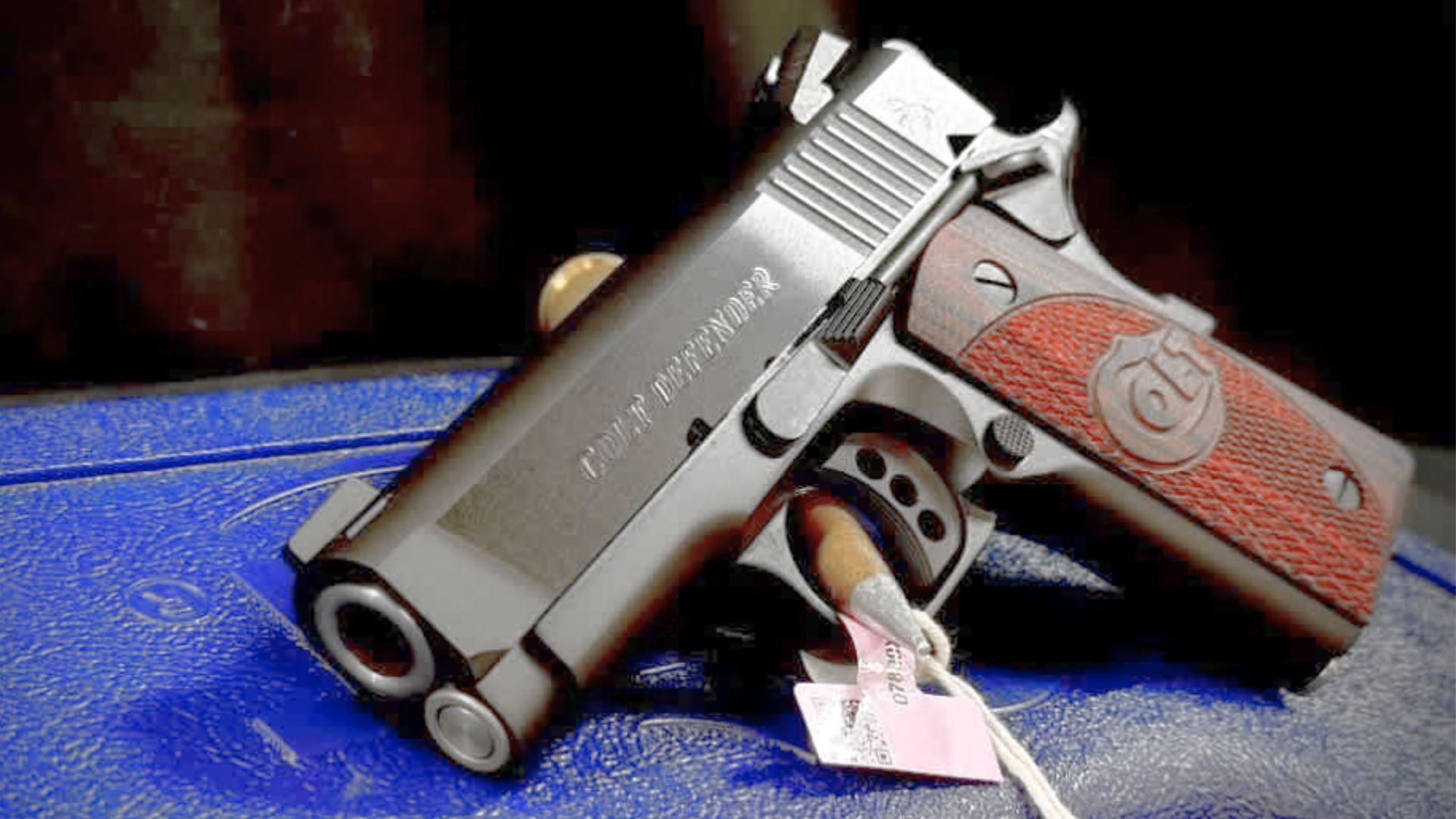
A lot of shooters hear “1911” and immediately think .45 ACP. That is fair, because .45 is the classic pairing. But the platform has moved far beyond that. Colt’s current catalog includes 1911s in .45 ACP, 9mm, and .38 Super depending on the family, and Kimber lists 1911 pistols in both .45 ACP and 9mm.
That flexibility keeps the 1911 alive for different shooters. A .45 gives the classic feel. A 9mm 1911 can be soft-shooting and cheaper to practice with. A .38 Super has its own history and competition appeal. The pistol is not locked into one cartridge forever, and that helps it stay relevant.
8. The Aftermarket Is Massive
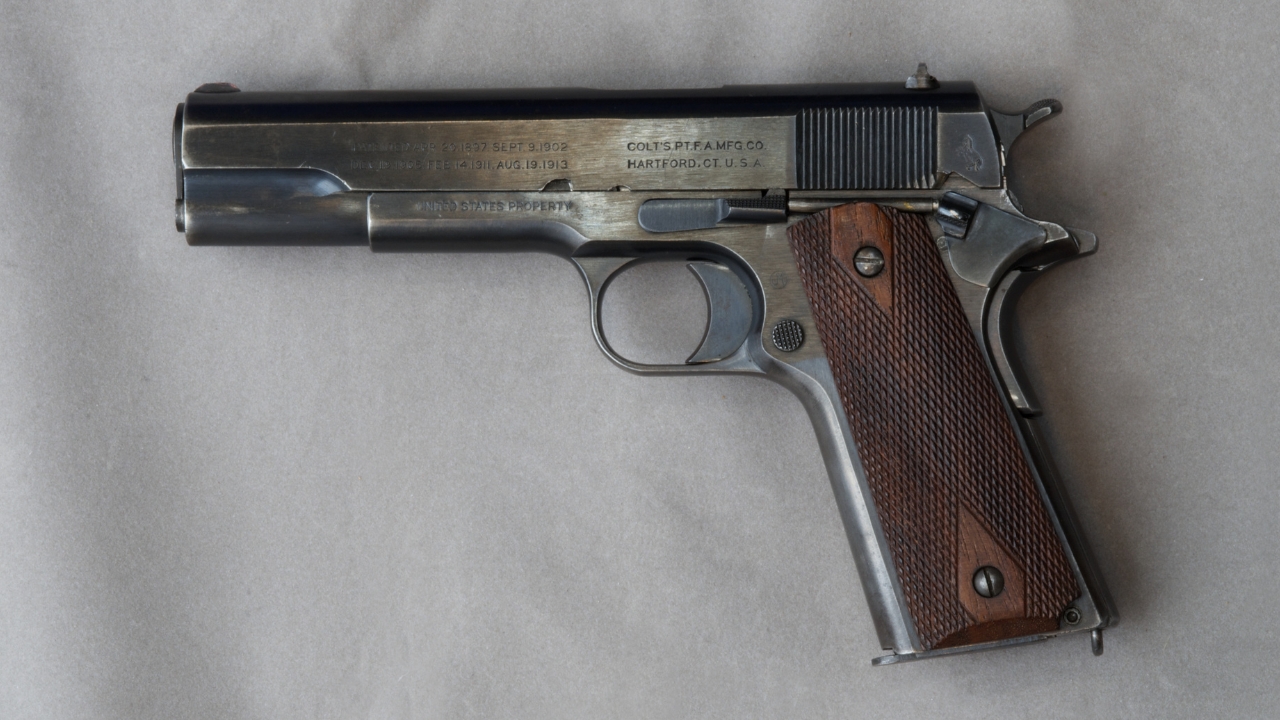
A gun does not stay around for more than a century without parts support. The 1911 has one of the deepest aftermarket worlds in handguns. Triggers, hammers, safeties, sights, grips, barrels, magazines, extractors, springs, beavertails, mainspring housings, and nearly every other part can be replaced, tuned, or upgraded.
That support matters because it lets the pistol live many different lives. One shooter may want a basic Government Model. Another may want a custom carry pistol. Another may want a race gun. Another may want a 10mm woods gun. The 1911 can be built in all those directions, and the parts world helps keep it alive.
9. It Has a Manual Safety Some Shooters Actually Want
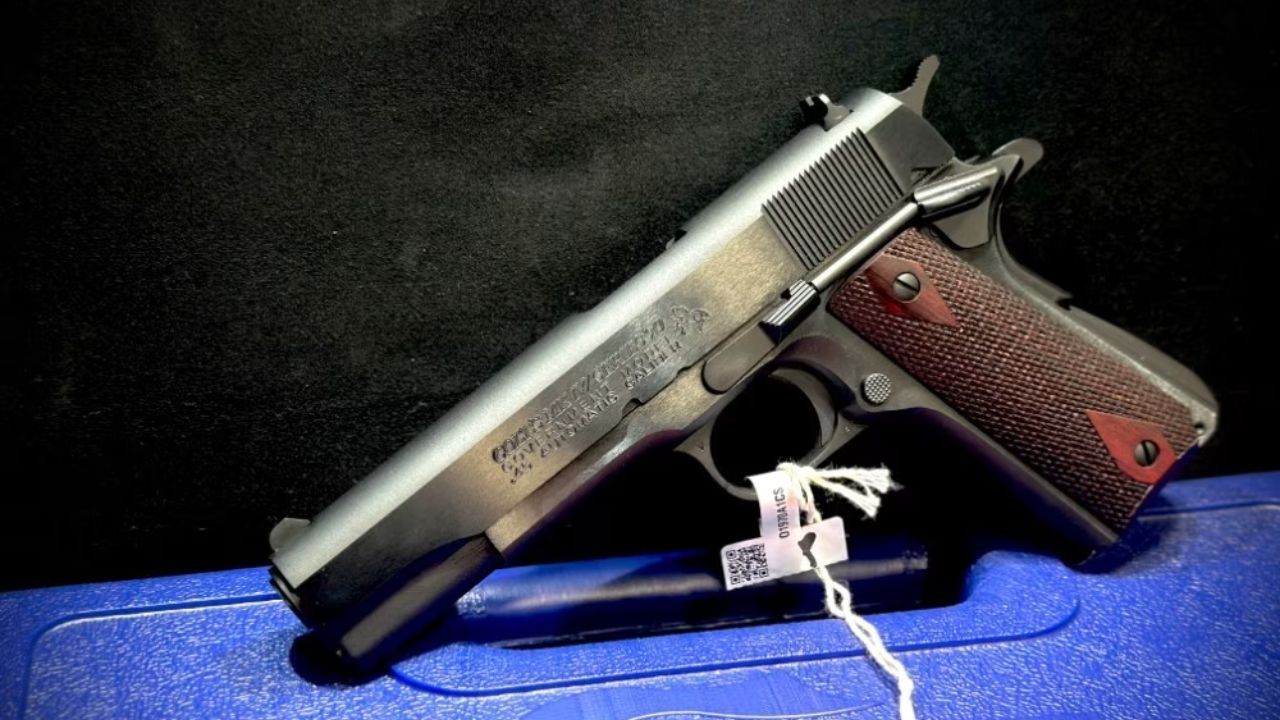
A lot of modern pistols avoid manual safeties or make them optional. The 1911 goes the other direction. Its thumb safety is central to the design, and many shooters like having that positive control on a single-action pistol.
That safety only works well if the shooter trains with it. You cannot carry a 1911 and treat the safety like an occasional detail. It has to be part of the draw, part of the presentation, and part of the reholstering process. For trained users, though, the 1911’s safety is not a burden. It is one of the reasons they trust the gun.
10. It Still Has Competition Credibility
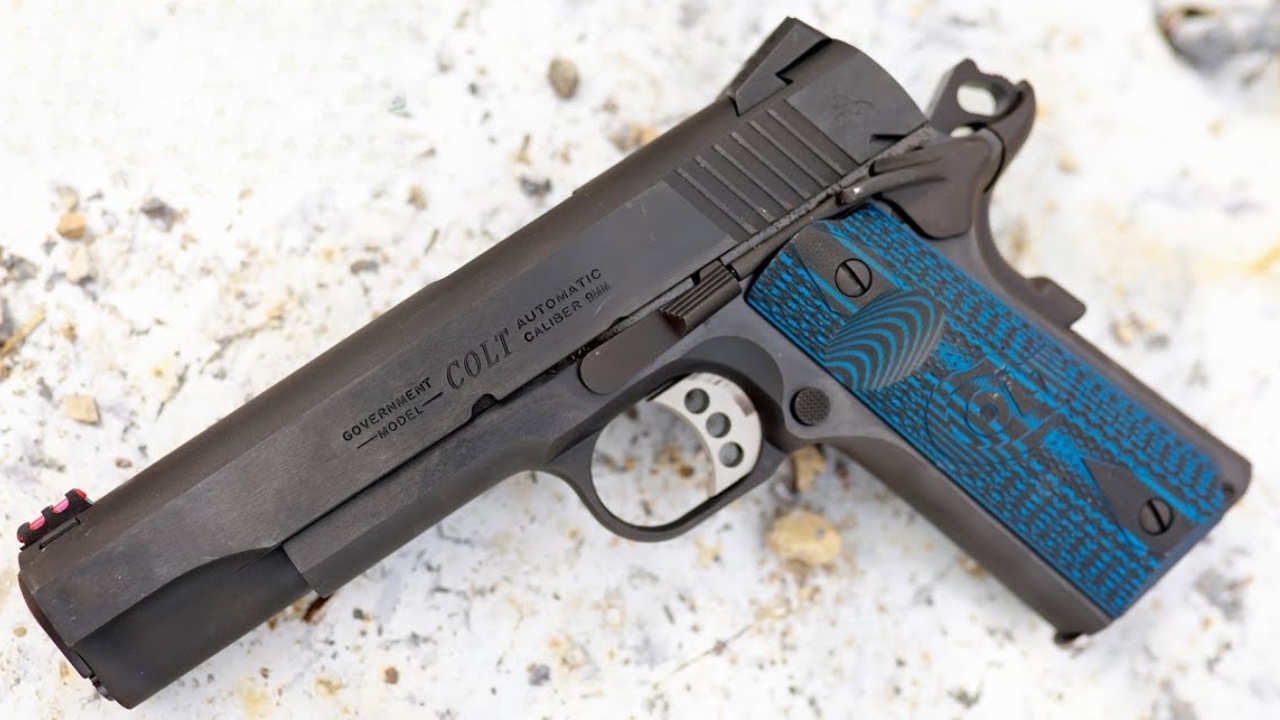
The 1911 has deep roots in competition shooting, and that has helped keep it alive. Colt’s current Competition family includes 1911 Competition models in 9mm, .45 ACP, and .38 Super, along with higher-end Competition Plus and Custom Competition options.
Competition keeps old designs honest. If a platform cannot shoot accurately, run quickly, and be tuned for performance, competitors will move on. The 1911 has stayed relevant because it remains one of the best trigger-and-accuracy platforms around. Modern competition may include plenty of striker-fired and double-stack guns, but the 1911’s influence is still all over that world.
11. It Feels Like Craftsmanship in a Polymer World
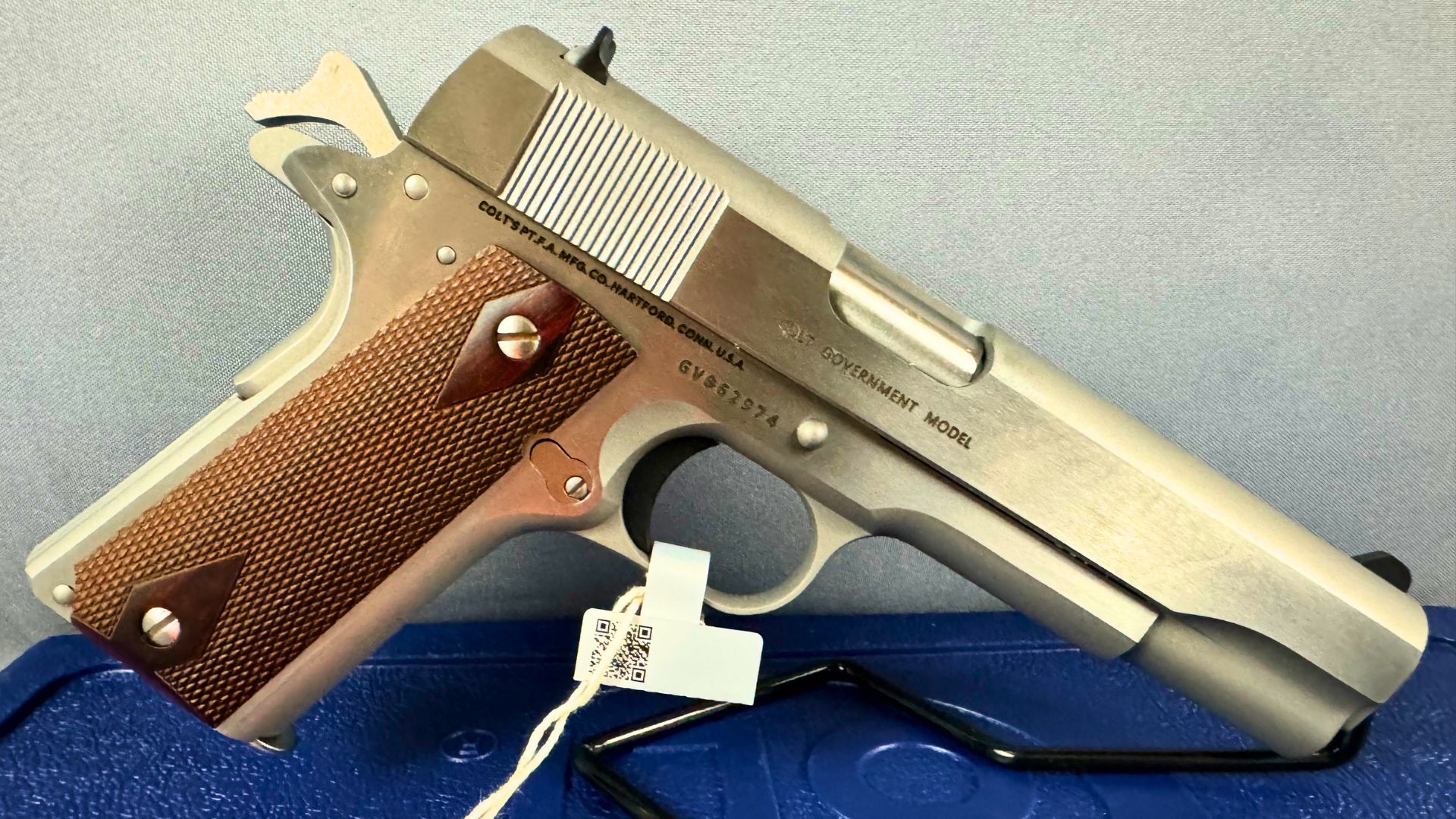
Modern polymer pistols are practical. They are lighter, cheaper, durable, and easier to maintain. But a lot of them feel similar. The 1911 gives shooters something different. Steel, checkering, grip panels, fitted parts, safeties, and a clean single-action trigger create a very different experience.
That does not make it automatically better for every job. But it does make it more interesting to many shooters. Some guns are tools. Some guns are tools with personality. The 1911 lives in that second category. People keep buying them because they enjoy the way they feel, shoot, and handle.
12. It Still Works as a Serious Defensive Pistol
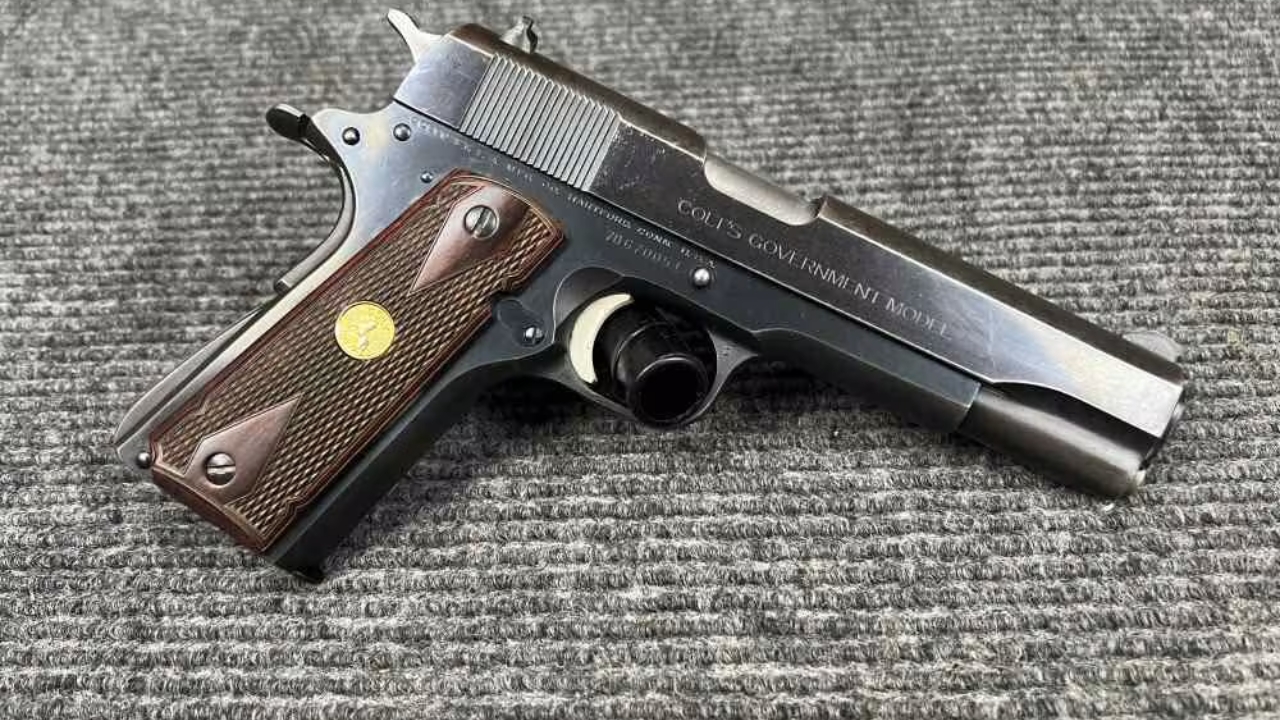
The 1911 is not the default defensive pistol anymore, and there are good reasons for that. Modern polymer 9mms are lighter, easier to maintain, higher capacity, and usually more forgiving for large agencies or new shooters. Still, a properly built 1911 in trained hands can absolutely serve as a serious defensive pistol.
The important phrase is “properly built.” A defensive 1911 needs good magazines, proven ammo, proper extractor tension, reliable feeding, and enough testing to earn trust. This is not the platform for blind faith. But once it is sorted out, the 1911 still offers a slim profile, clean trigger, strong accuracy, and fast handling.
13. Magazine Quality Has Improved the Experience

A lot of 1911 complaints over the years came down to magazines. Bad feed lips, weak springs, poor followers, and cheap construction can make a good pistol look bad. Better magazines have helped modern 1911 shooters get more consistent results.
That is one reason the platform has survived. Owners learned that magazines are not the place to save money. A solid 1911 with quality magazines is a different animal than a decent pistol fed by bargain-bin junk. The design may be old, but the support gear around it has improved, and that helps keep it viable.
14. It Has a Story Newer Guns Cannot Fake

The 1911 has military history, competition history, law enforcement history, carry history, and family history. A lot of shooters grew up seeing one in a nightstand, display case, duty holster, match bag, or gun magazine. That kind of story matters.
Plenty of modern pistols are better choices for certain jobs, but they do not have the same gravity. The 1911 feels connected to more than the current product cycle. That history can become sentimental if people let it, but it is also part of why the pistol still has a place. Some guns earn loyalty through more than specs.
15. It Refuses to Be Only One Thing

The biggest reason the 1911 refuses to fade away is that it is not only one thing anymore. It can be a plain GI-style .45, a polished Colt classic, a Springfield Mil-Spec, a railed Operator-style pistol, a 9mm range gun, a double-stack optics-ready Prodigy, a high-end custom piece, or a competition pistol. Springfield’s own 1911 line runs from traditional Mil-Spec models with forged frames and slides to TRP pistols with hand-fitting and more demanding-use features.
That range keeps the platform alive. The 1911 is old, but it is not frozen. It has flaws, and it asks more from the owner than many modern pistols. But it still offers a trigger, feel, accuracy potential, and shooting experience that people keep choosing on purpose. That is why it has not faded away.
Like The Avid Outdoorsman’s content? Be sure to follow us.
Here’s more from us: