Photo credit: NRApubs/Youtube
The Remington 700 is not the newest bolt-action rifle on the rack. It is not the cheapest, either. These days, a hunter can buy budget rifles that shoot surprisingly well, modern rifles with better factory stocks, and long-range rifles that come threaded, railed, adjustable, and ready for a suppressor right out of the box.
Still, people keep buying the 700. Some of that is history, but not all of it. RemArms still calls the Model 700 “the number one bolt-action of all time” and says it has been sold more than any other bolt-action rifle since its 1962 launch. The current Model 700 line also includes modernized versions like the Long Range and Alpha 1, while still leaning on the same basic action that made the rifle famous.
1. The Action Is Still the Main Attraction
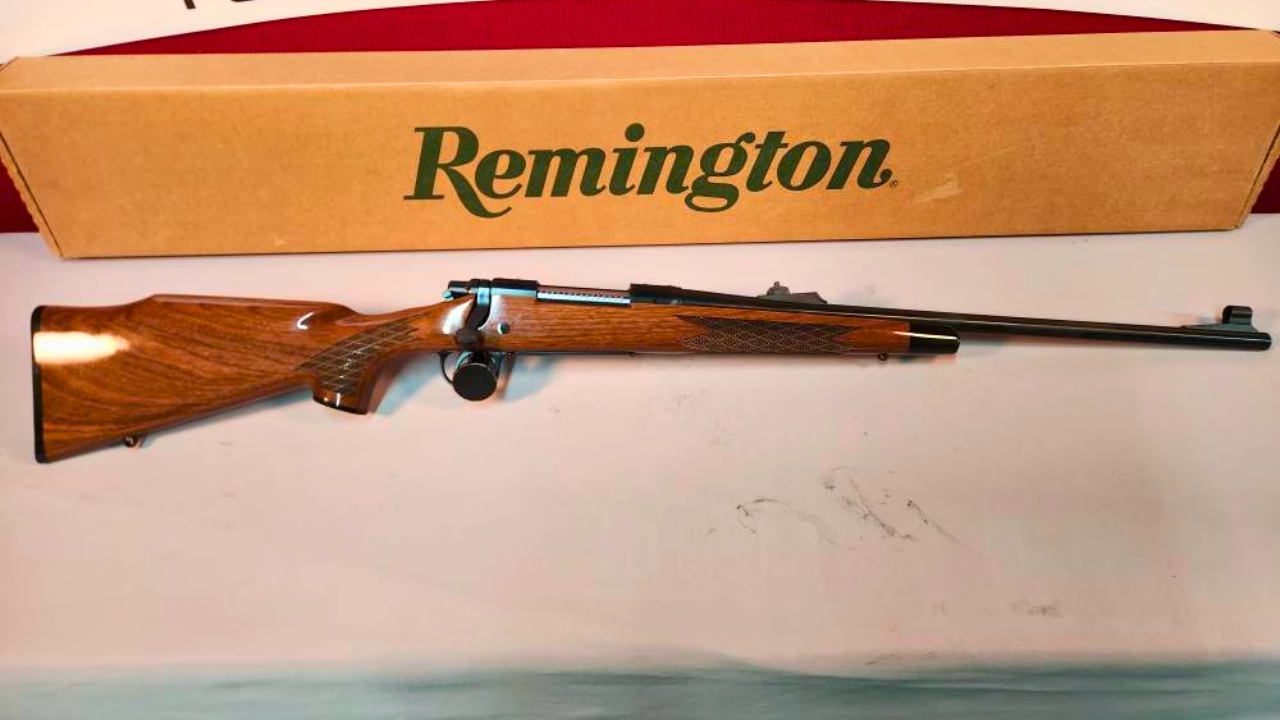
People still buy the Remington 700 because the action has become one of the most trusted bolt-action foundations in the rifle world. The round receiver, dual-lug bolt, simple layout, and long history of gunsmith support make it familiar to hunters, builders, and precision shooters.
That matters because a rifle is more than the stock and barrel it ships with. A good action can become the heart of several different builds over time. A hunter may buy a 700 as a factory deer rifle, then later rebarrel it, restock it, upgrade the trigger, or turn it into something more specialized. The 700 action gives owners that option.
2. The Aftermarket Is Still Huge

The Remington 700 has one of the strongest aftermarket support systems of any bolt-action rifle. Stocks, chassis systems, triggers, rails, bottom metal, barrels, bolt knobs, magazines, firing pins, and scope bases are everywhere. That alone keeps buyers coming back.
A rifle with poor aftermarket support can become frustrating fast. The 700 rarely has that problem. A buyer can keep it simple or build it into a completely different rifle later. That flexibility is a big reason the 700 keeps selling even when newer rifles arrive with more modern features from the factory.
3. Gunsmiths Know How to Work on It

The 700 has been around long enough that most rifle gunsmiths know the platform well. That is a real advantage. If a shooter wants a new barrel, bedding work, trigger installation, action truing, bottom-metal conversion, or a full custom build, the 700 is not some oddball design that requires guesswork.
That kind of support gives buyers confidence. You are not buying into a platform nobody understands. You are buying a rifle that has been modified, repaired, tuned, and rebuilt for decades. A good gunsmith can usually tell you exactly what a 700 needs and what is worth leaving alone.
4. Hunters Still Trust It
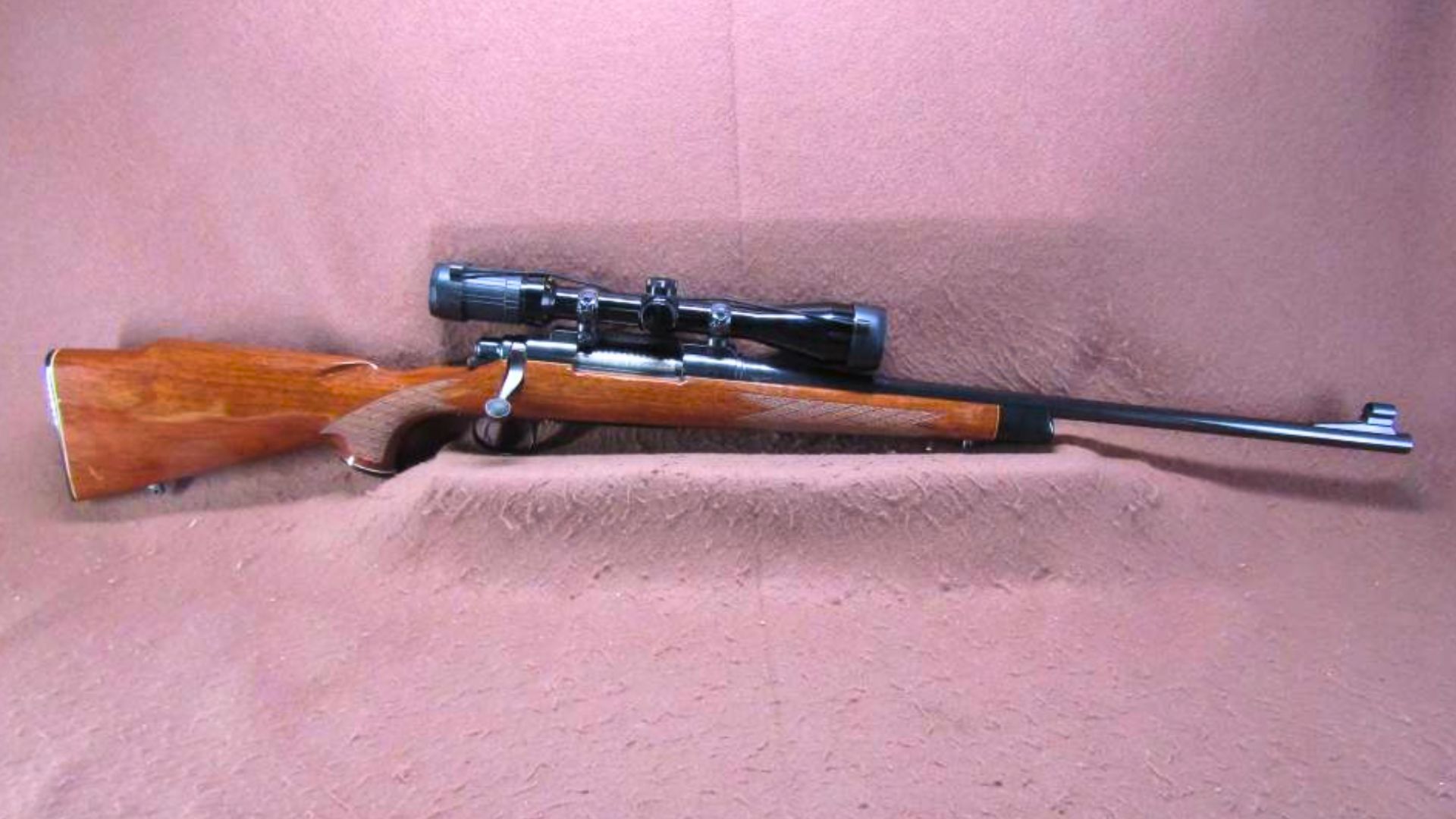
A lot of people still buy the Remington 700 because their dad, uncle, grandpa, buddy, or guide used one for years. That may sound sentimental, but hunting rifles earn trust slowly. If a rifle has filled freezers for decades, people remember.
That kind of reputation matters in deer camp. A hunter does not always need the newest rifle with the loudest marketing behind it. Sometimes they want a rifle that feels familiar, carries well, and has already proven itself in .243, .270, .308, .30-06, 7mm Rem. Mag., .300 Win. Mag., and other standard hunting cartridges. The 700 still fits that role.
5. It Still Feels Like a Real Hunting Rifle
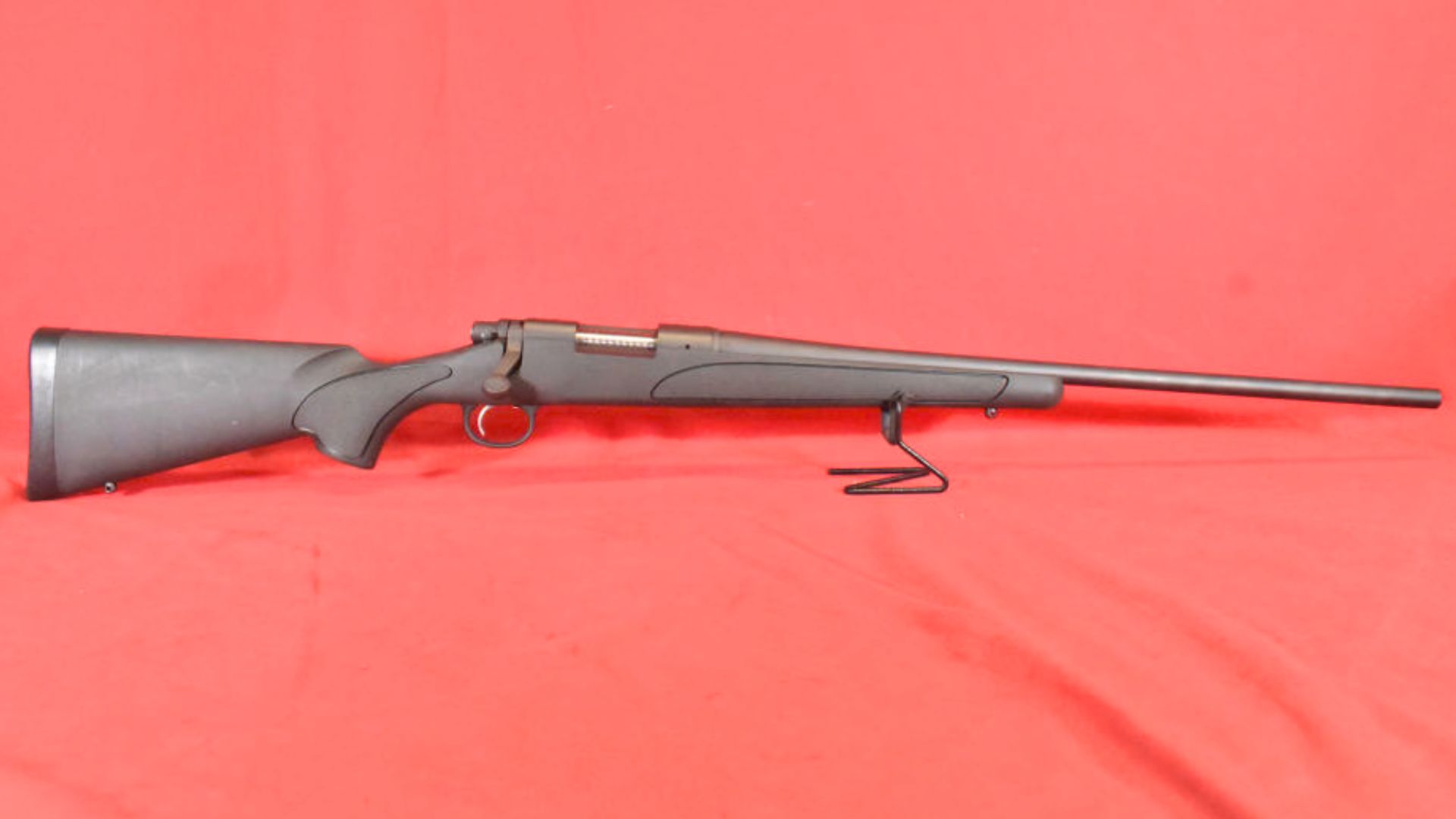
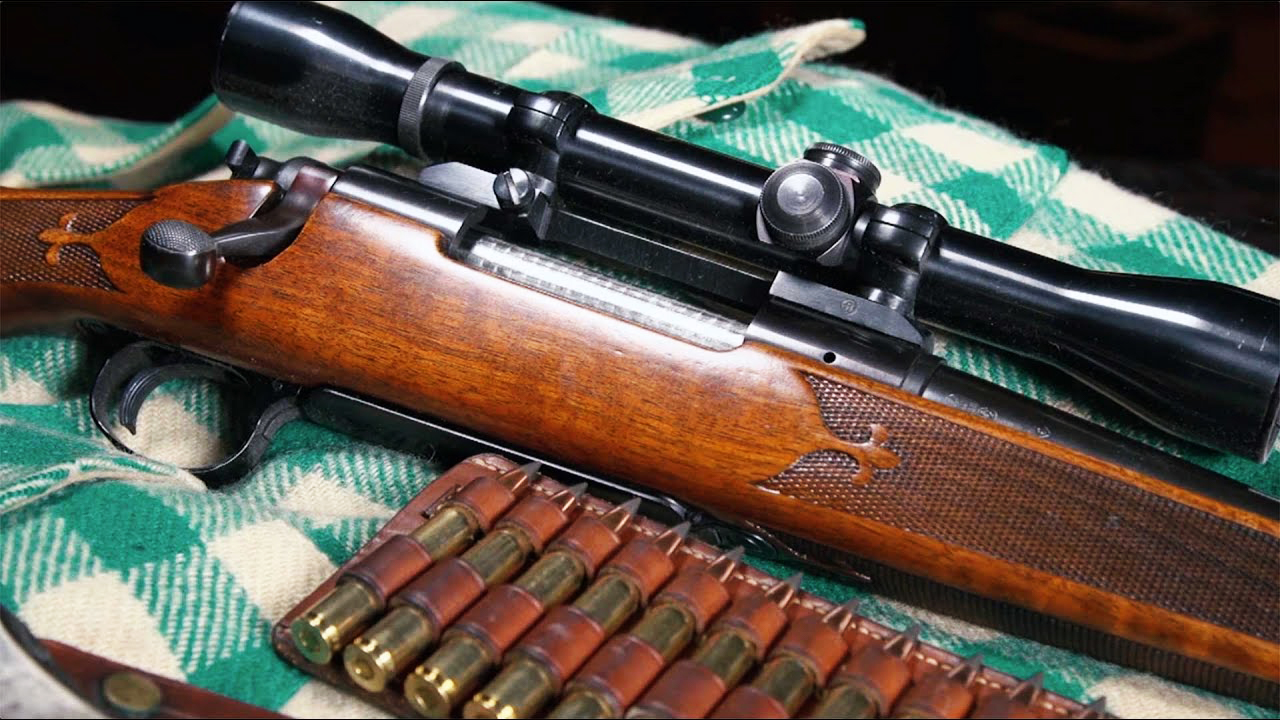
Some modern rifles are excellent, but they can feel more like range tools than field rifles. The Remington 700, especially in traditional BDL or CDL-style setups, still feels like a classic hunting rifle. Remington describes the 700 BDL as a hunter favorite for more than 60 years, built around a strong, smooth action, consistent accuracy, classic styling, and value.
That traditional feel still matters to a lot of buyers. Not everyone wants a chassis, adjustable cheekpiece, box magazine, and tactical styling on a deer rifle. Some people want walnut, blued or stainless steel, a normal hunting scope, and a rifle that looks right in the woods. The 700 still scratches that itch.
6. The Footprint Became an Industry Standard

One reason people keep buying the 700 is that the footprint itself became a standard. Remington says the Model 700 BDL became the standard footprint by which other centerfire rifles are measured. That may be marketing language, but there is truth behind it because so much of the rifle industry builds around the 700 pattern.
That footprint affects everything from stocks to triggers to scope bases. Even custom actions often follow a 700-style pattern because the support is already there. A buyer who chooses a 700 is buying into one of the deepest parts ecosystems in the bolt-action world.
7. It Has Real Custom Rifle Potential

Some people buy a Remington 700 because they want the rifle as-is. Others buy one because they see what it can become. The 700 has long been a common starting point for custom hunting rifles, varmint rifles, tactical rifles, and precision builds.
That custom potential keeps the platform relevant. A plain factory 700 can eventually become a lightweight mountain rifle, a heavy-barreled long-range gun, or a suppressed hunting rig. The rifle does not trap the owner in one setup forever. That matters to shooters who like to build slowly as budget and needs change.
8. It Has a Long-Range Lane Again
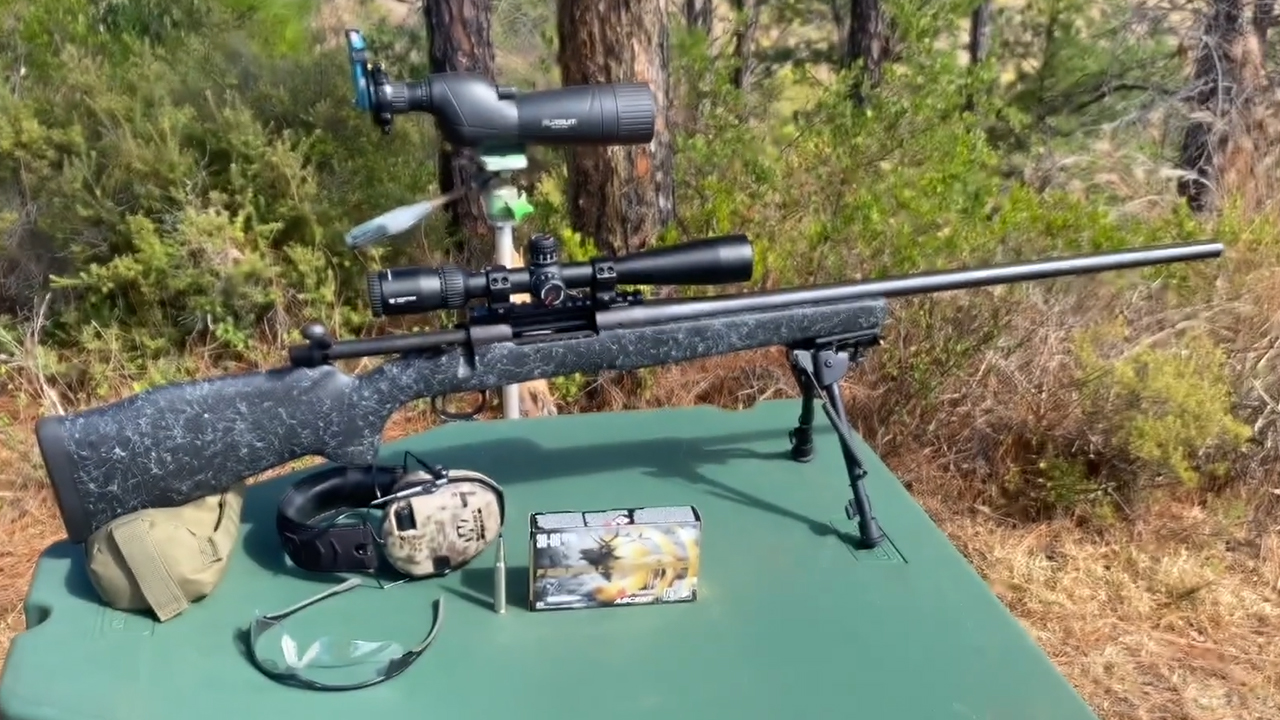
The 700 is not only a nostalgic hunting rifle. Current Remington 700 offerings include long-range-focused models. RemArms describes the Model 700 Long Range as pairing the 700 action with a heavy 5R target barrel, HS Precision stock, Timney trigger, and chamberings including 7mm PRC.
That is important because the long-range market has changed fast. Buyers now expect heavier barrels, better stocks, better triggers, and modern cartridges. Remington has had to modernize parts of the 700 lineup to stay in that conversation. The Long Range model shows why people still look at the 700 when they want something more than a basic deer rifle.
9. The Rifle Comes in Enough Versions to Fit Different Buyers
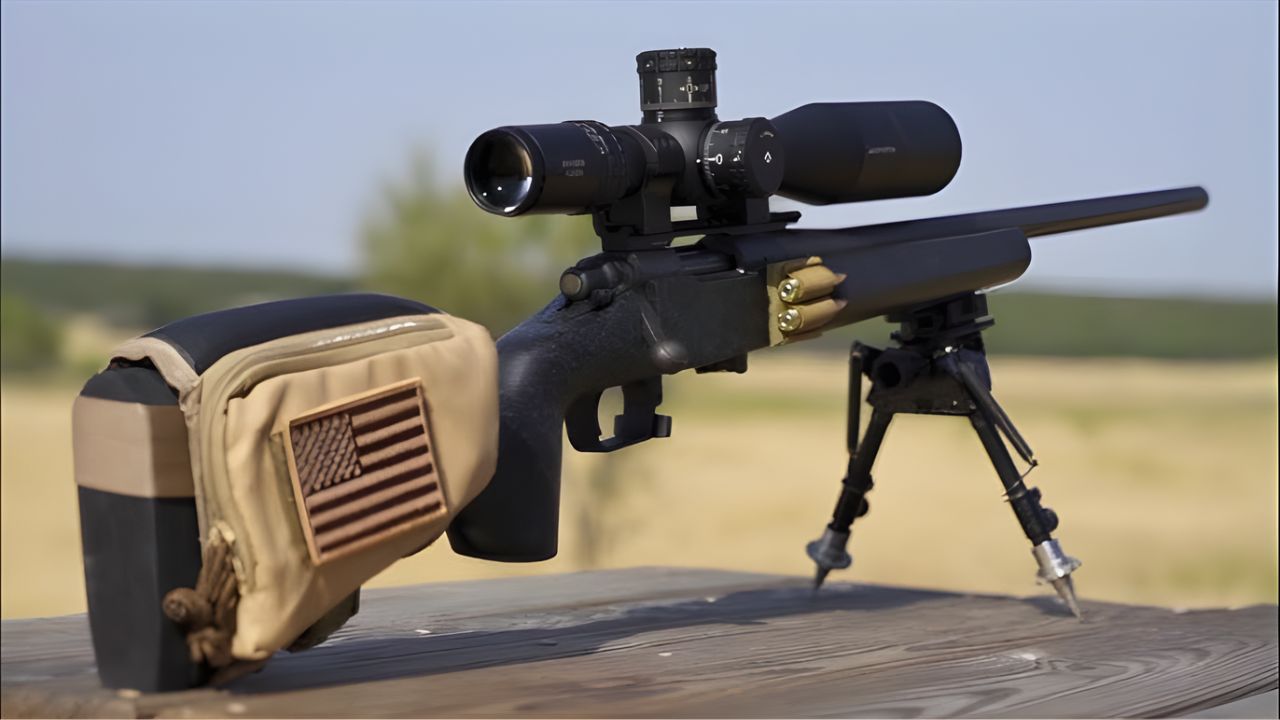
The Model 700 name covers several different personalities. There are classic hunting-style models, long-range models, stainless models, deluxe models, and modernized versions. Remington’s own search results list models like the 700 CDL SF, BDL, CDL, and Long Range, each aimed at a different kind of buyer.
That variety helps keep the 700 alive. A traditional hunter may want a BDL or CDL. A long-range shooter may look at a heavy-barreled option. Someone who wants stainless or synthetic may go a different direction. The 700 name is not tied to one narrow rifle setup, and that keeps more buyers in the conversation.
10. Used 700s Are Everywhere
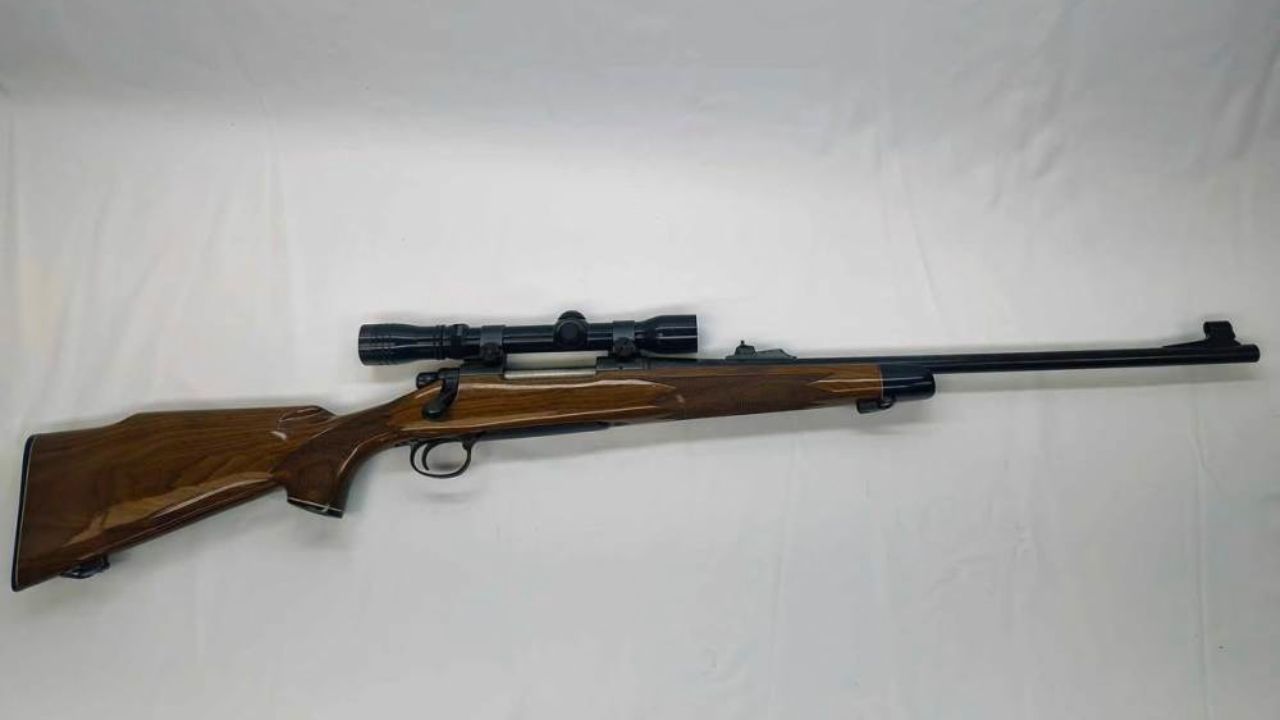
People still buy Remington 700s because the used market is full of them. Gun shops, pawn shops, estate sales, online listings, and family safes have kept the 700 moving from one generation to the next. A clean older 700 in a useful chambering still gets attention.
That used market matters because not every buyer wants a new-production rifle. Some shooters specifically look for older examples because they like the fit, finish, wood, or production era. Others want an affordable donor action for a build. The sheer number of rifles already out there helps keep the platform alive.
11. It Is Easy to Scope and Set Up
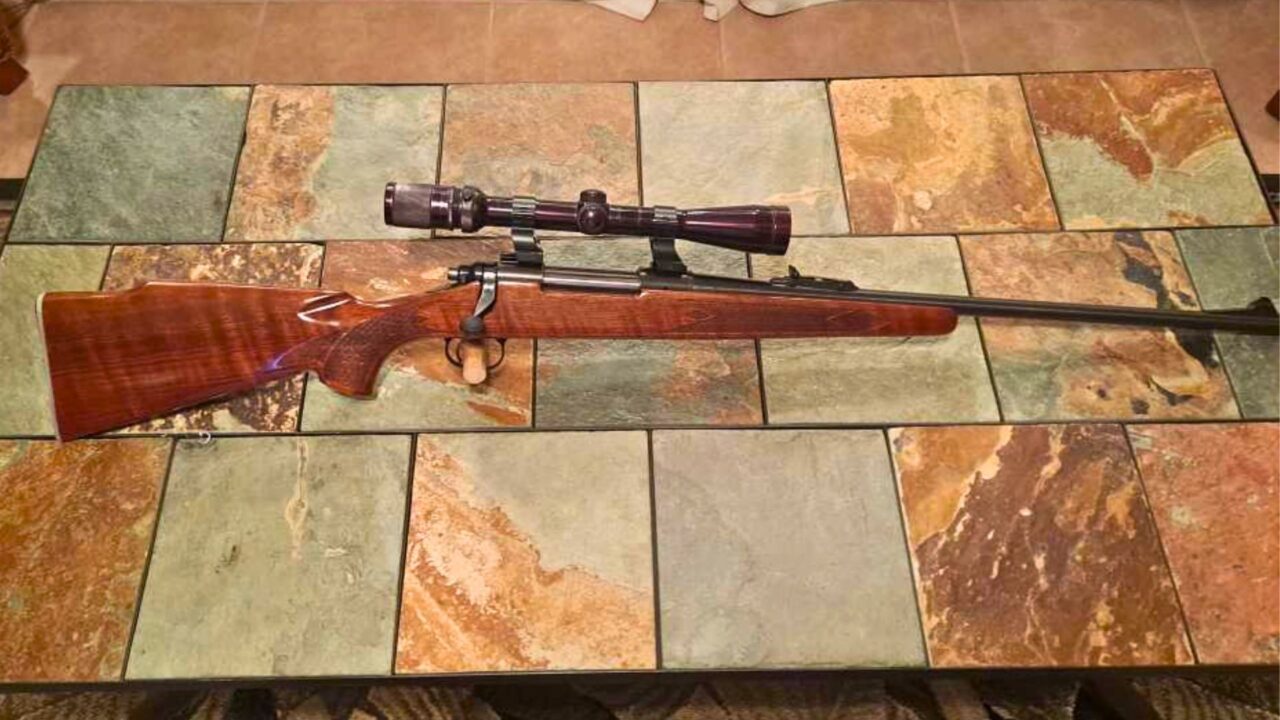
The Remington 700 is one of the easiest rifles to set up with optics because mounts, bases, and rings are so common. That sounds basic, but basic matters. A hunting rifle should not require a scavenger hunt just to mount a normal scope.
Because the 700 has been around so long, almost every major optics-mount company supports it. That makes setup easier for hunters and builders alike. Want a simple two-piece hunting base? Easy. Want a 20-MOA Picatinny rail for longer-range work? Also easy. That kind of support helps people keep buying the rifle.
12. It Still Has Military and Law Enforcement Credibility
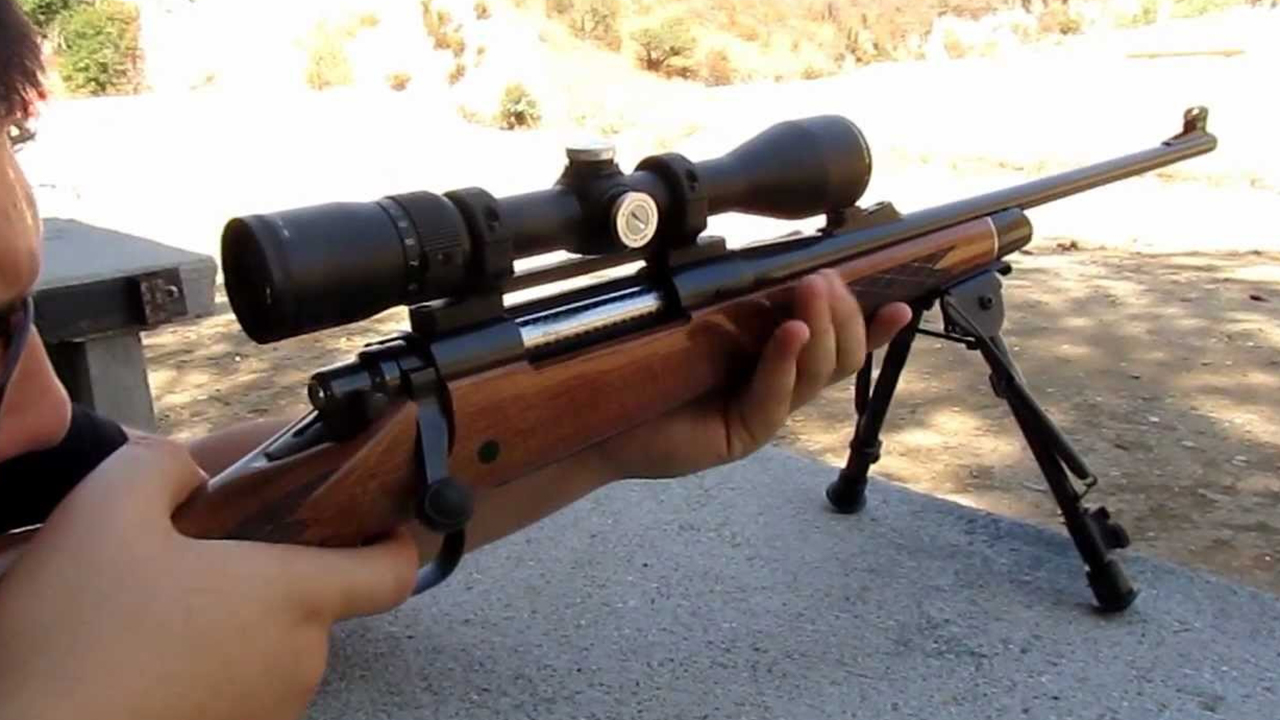
The Remington 700 also benefits from its connection to military and law enforcement precision rifles. The M24 and M40 sniper rifles were based on the Model 700 design, which gave the platform a serious reputation beyond deer camps and gun shops.
That history does not automatically make every hunting 700 a sniper rifle, and it should not be oversold. But credibility matters. When a rifle design has been used as the basis for serious precision platforms, shooters notice. That reputation still influences buyers who want a rifle with proven bones.
13. People Know What They’re Getting

The 700 has been discussed, reviewed, criticized, modified, and compared for so long that buyers can research it easily. There are very few mysteries left. People know the strengths, the weaknesses, the recalls, the good years, the rough years, the popular upgrades, and the common complaints.
That transparency can actually help a buyer. A newer rifle may have less history behind it, which means fewer long-term reports. With the 700, the information is everywhere. A careful buyer can learn what to inspect, what models to compare, and what upgrades are worth considering before spending money.
14. It Still Holds Value Better Than Many Budget Rifles
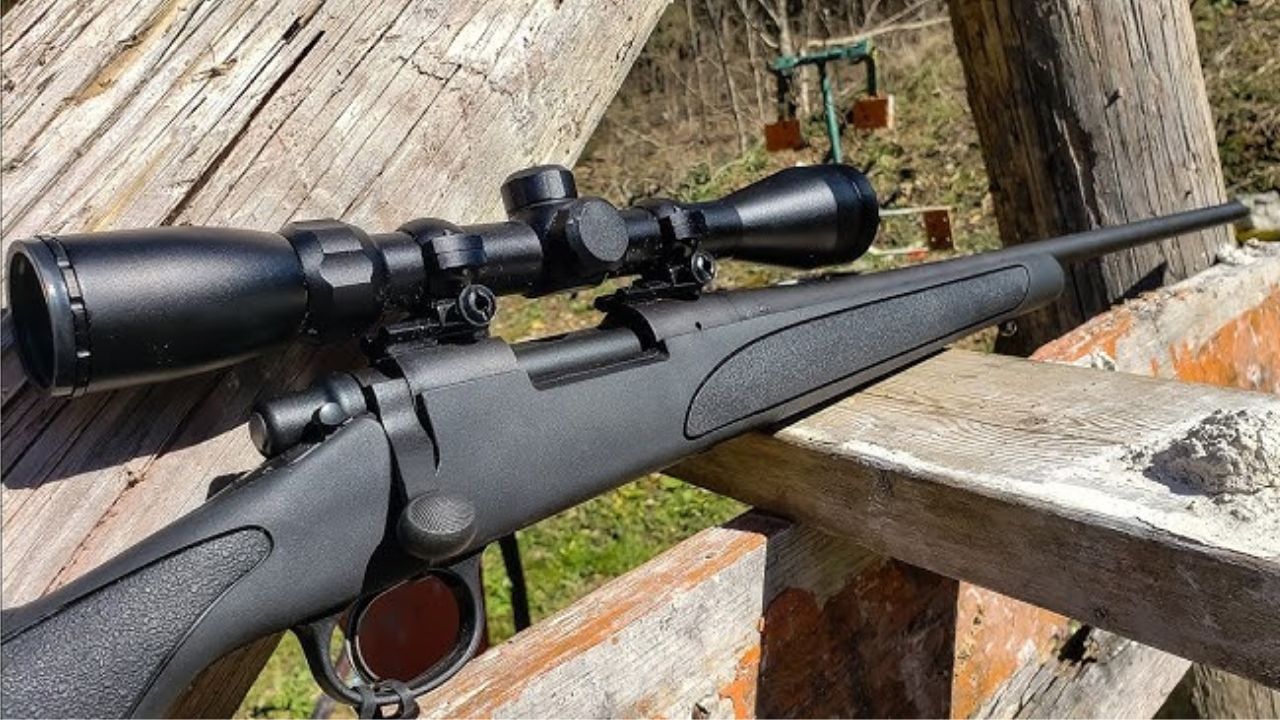
A plain budget rifle may shoot well, but it does not always hold interest on the used market. The Remington 700 usually has a stronger floor because the action, footprint, and name still mean something. Even if a buyer does not love the factory stock or barrel, someone else may want the rifle as a donor.
That matters for long-term ownership. A rifle that can be upgraded, sold, parted into a build, or passed down has more staying power than a rifle with limited support. The 700’s value is not only in the factory configuration. It is in the platform underneath it.
15. It Still Gives Buyers a Proven Starting Point
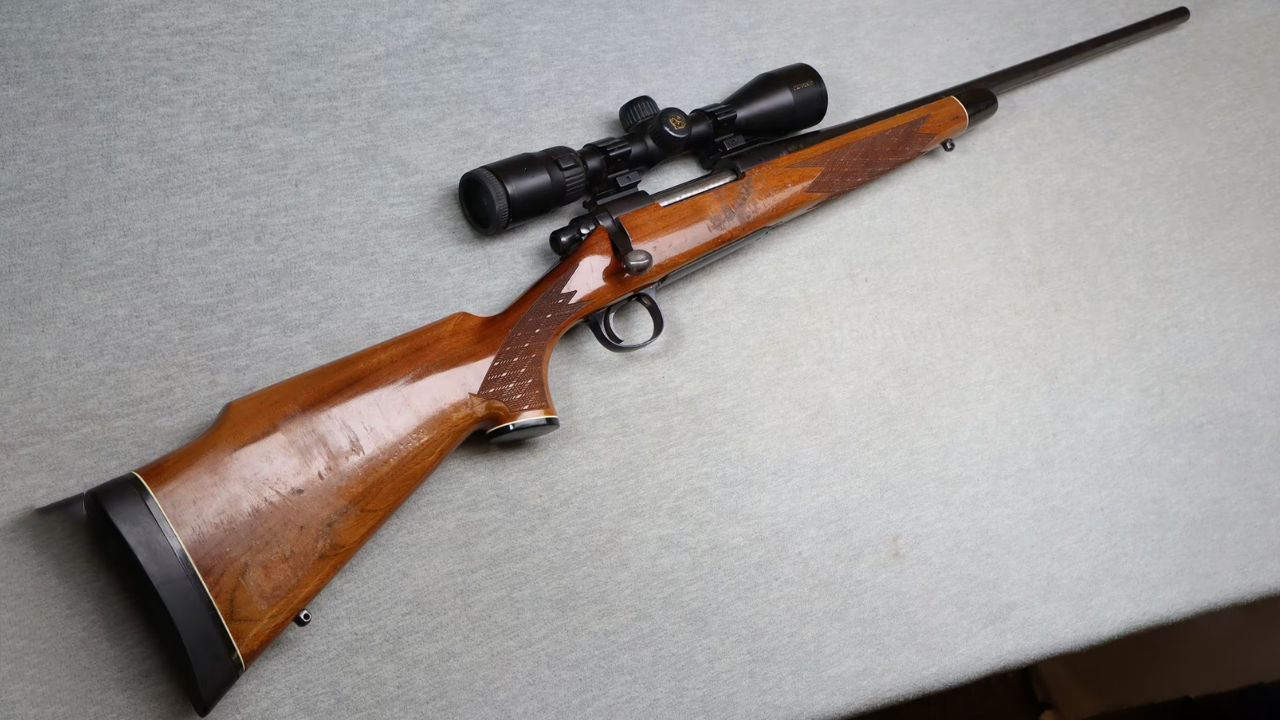
People still buy the Remington 700 because it remains a proven starting point. It may not win every spec-chart comparison against newer rifles. Some competitors offer better factory triggers, smoother bolts, more modern stocks, threaded barrels, detachable magazines, or stronger out-of-the-box value. That is all fair.
But the 700 still has what many buyers want: a familiar action, broad aftermarket support, deep gunsmith knowledge, classic hunting appeal, and enough modern versions to stay relevant. It is not perfect, and it is not the only smart choice. But if someone wants a bolt-action rifle with decades of history and almost endless room to grow, the Remington 700 still makes sense.
Like The Avid Outdoorsman’s content? Be sure to follow us.
Here’s more from us: