Photo credit: Mountains Hunter/Shutterstock.com
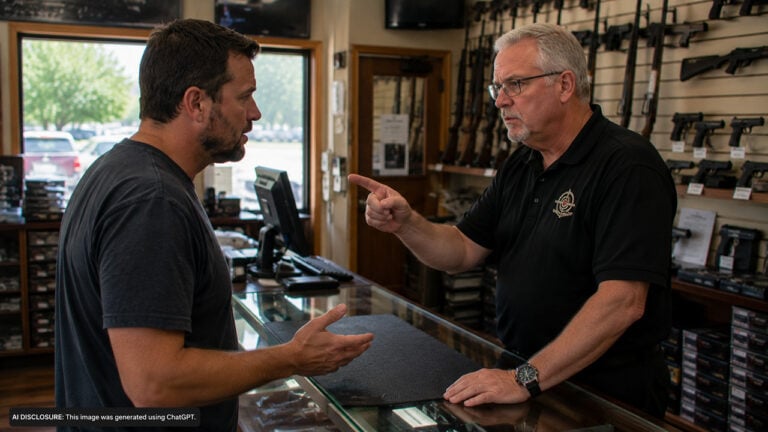
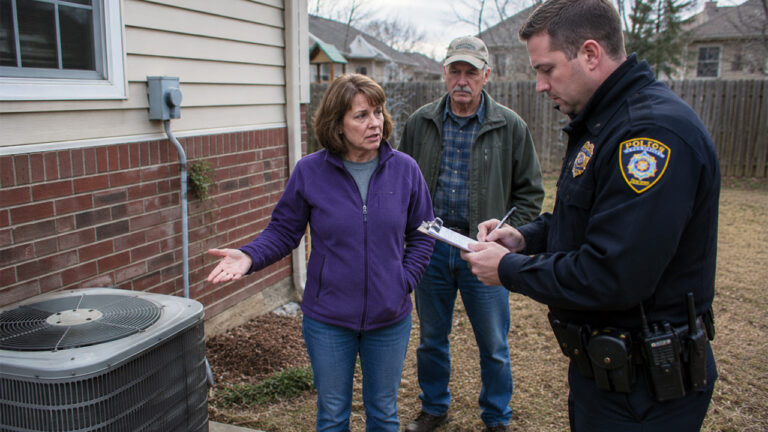
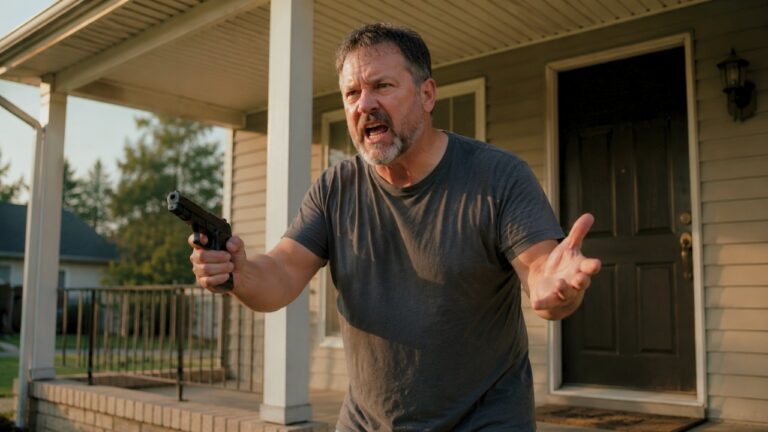
A Reddit hunter in r/Hunting described the kind of access story that makes a person rethink how badly he wants private land in the first place. He said he was in Texas, where public hunting opportunity can already be thin, and had spent a weekend driving to ranches to ask for permission the old-fashioned way. According to the post, he dressed neatly, cleaned up his truck, and was ready to offer help around the property or limit himself to certain species if that made a landowner more comfortable. Instead, he said one man came out with a shotgun before he even got out of the truck and yelled for him to leave, while another later lifted his shirt to show a pistol and warned him that if he saw him or his truck again, “you’ll be sorry.”
That is what gives the story its punch. It was not about a hunter trespassing, getting caught where he did not belong, or pushing too far after being told no. He was describing the most basic version of doing it right: drive up, ask politely, accept the answer, and move on. The thread makes clear he had done the same thing years earlier and gotten mostly civil refusals. This time, according to him, the tone had changed from unfriendly to openly threatening. By the end of the post, he said flatly that he loved hunting, but not enough to have people flashing guns at him over a permission request.
What makes this one hit harder than a simple bad-neighbor story is that it taps into a broader frustration hunters already feel. Access is hard enough without the fear that asking the wrong landowner the wrong way could turn into something ugly at the front gate. The poster even tried to make sense of it in real time, saying his wife thought the way he was dressed and the nicer truck may have made people assume he was a developer or somebody looking to buy land rather than a hunter asking a favor. Whether that guess was right or not, the bigger point landed: he walked away feeling like the whole process had become hostile enough that the risk no longer matched the reward.
The replies were interesting because they were not all one-sided outrage. A number of commenters said showing a weapon to a stranger asking permission was way out of line and that the hunter was right to stop doing in-person requests. One of the most practical replies told him to use an app like OnX to identify owners and mail polite letters instead, saying at least that would keep him from having “any more guns pulled on you.” But other responses came from landowners who admitted they no longer allow random people to hunt because too many visitors had left trash, cut fences, trespassed later with friends, or otherwise burned them in the past. That part matters because it explains why the thread felt bigger than one bad day. The comments turned into a blunt look at how much mistrust now sits on both sides of the gate.
That tension is really what makes the story worth clicking. The hunter sounded frustrated and rattled, but the thread also showed why some landowners are so cold now. One commenter said they still allow people they know, but not random strangers anymore. Another landowner said he says yes often and has been lucky, but comes down hard on poachers because those are the people who ruin trust for everyone else. Those comments did not excuse the threats. They just showed how permission culture in places like Texas has gotten more brittle, more suspicious, and a lot less forgiving than it once was.
The Texas angle made it sting even more. Several replies pointed out that door-knocking for hunting access there has been fading for years, with more ground locked into leases, day-hunt models, and pay-to-play systems. Others said rich buyers, high fences, and commercial hunting have changed the tone of land access enough that showing up at a stranger’s door now feels less like an old hunting tradition and more like a good way to get told off. The original poster seemed to come to the same conclusion. He said he would just stick to his odds with public draw hunts rather than keep risking confrontations that felt more dangerous than productive.
What lingers after reading it is not only that two men showed guns. It is how fast the idea of asking permission stopped feeling normal to the person doing everything he could to be respectful. He was not leaving angry because he got told no. He was leaving because the message he got back was that even asking could now be treated like a threat. And once hunting access gets that tense, the problem stops being whether you can find a place to go. It becomes whether the culture around getting permission has gotten so hostile that decent people stop trying altogether.