Photo credit: Bernard DUPONT, CC BY-SA 2.0/Wiki Commons
A food plot can look great on paper and still get hammered before opening day ever gets close. A lot of folks put in the seed, watch the rain, feel good when the green starts coming up, and then act surprised when half of it is gone long before they ever get a stand hung. That is usually because they think about food plots like they exist only for deer. They do not. The second that fresh growth shows up, all kinds of animals start treating it like a free buffet. Some nibble. Some wipe whole sections out. Some keep coming back until the plot never gets a fair chance to mature.
The frustrating part is that a food plot can be damaged by way more than the obvious suspects. Deer get blamed for everything, but in a lot of places they are only part of the problem. Hogs root it up, turkeys scratch through it, raccoons hit certain crops hard, and even smaller animals can wear a plot down when pressure stacks up day after day. If a plot is in the wrong location or too small for the traffic it gets, it does not take long for things to go bad. These are the animals that can make a good-looking plot disappear before season even opens.
Wild hogs
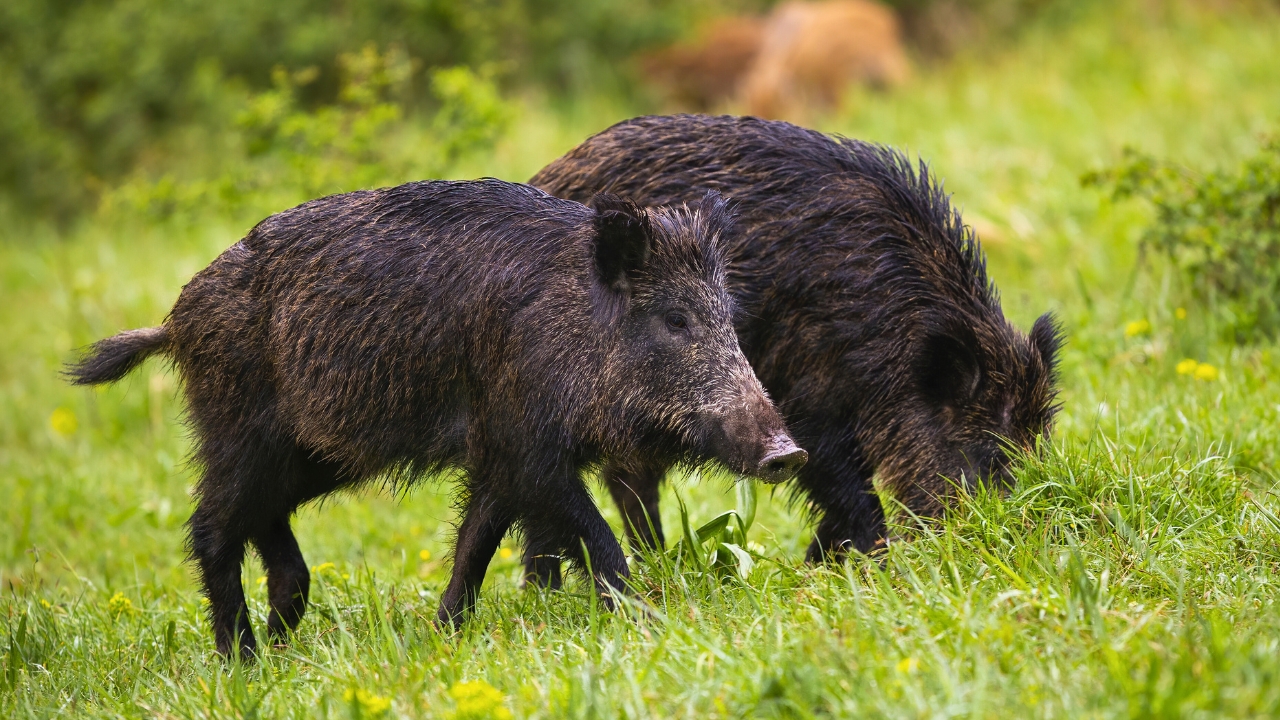
Wild hogs can do more damage in one night than some animals do in a month. They are not just feeding on the plants themselves either. They root, wallow, tear the ground up, and leave a plot looking like somebody worked it over with a disc in the dark. A deer can browse a plot down. Hogs can flat-out wreck it. If they find a food plot with soft ground, fresh growth, or anything with decent attraction, they will keep coming back until the place is a mess.
The real problem with hogs is that they rarely show up alone. A single hog is bad enough, but a whole sounder can wipe out a small plot in a hurry. They hit beans, corn, peas, and tender new growth especially hard, and once they get comfortable using that area, they can change the whole feel of the property. It stops being about growing a better food source for deer and starts becoming a fight to keep hogs from owning the ground. In hog country, that battle can get old fast.
Deer
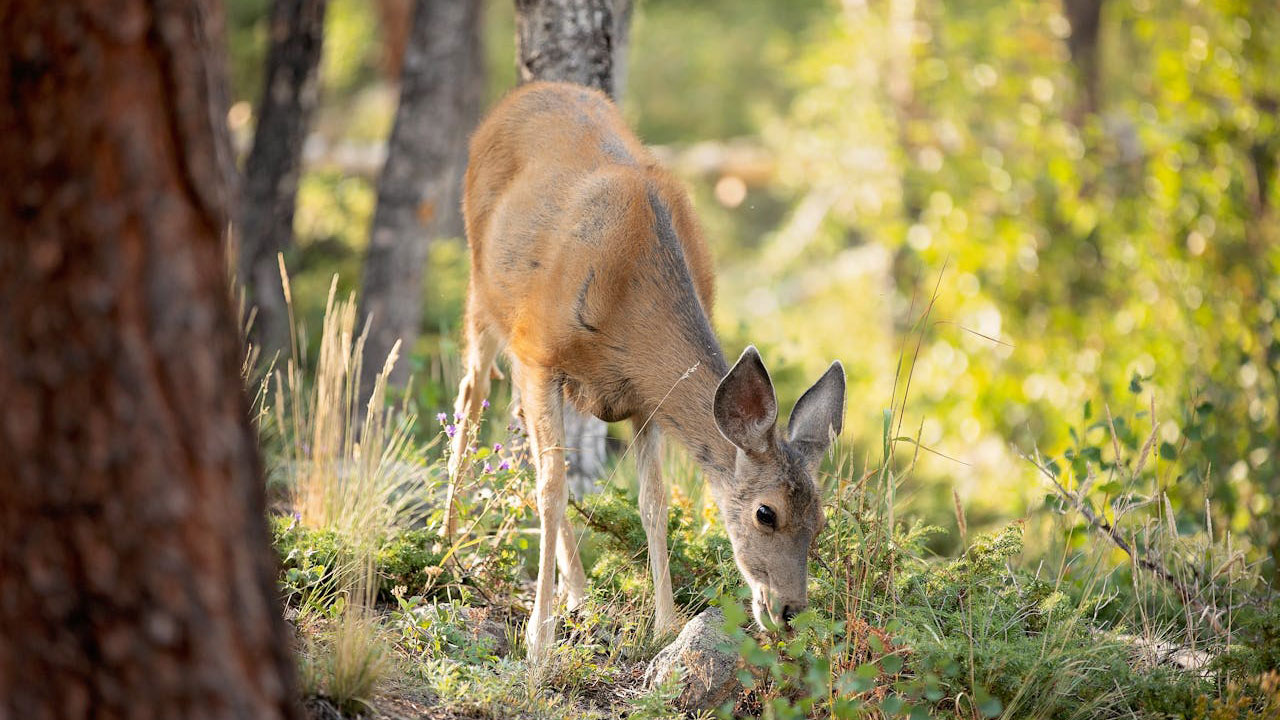
Deer are the reason most people plant food plots, but they are also one of the biggest reasons plots get overbrowsed before the season starts. When the local population is high and the plot is small, deer can keep it nipped down so tight it never reaches its potential. Folks like to imagine a food plot becoming lush and thick by fall, but if too many mouths are working it through summer, it may never get there. It stays in a constant state of recovery and stress.
That gets worse during dry conditions or in areas where natural browse is not doing much. Then every green patch on the property gets extra pressure, and the food plot becomes the first stop every evening. A small kill plot or tucked-away opening may look perfect for hunting, but if it is the only strong food source around, deer can beat it down before you ever get a chance to hunt over it. Deer do not have to mean to ruin a plot. They just do what deer do, and sometimes that is enough.
Raccoons

Raccoons are one of those animals that people tend to underestimate until they start watching what shows up on camera. They may not destroy every kind of plot, but on the right crop they can be brutal. Corn especially takes a beating once raccoons decide it is ready. They will strip ears, work rows over, and come back night after night. Even if they are not flattening an entire field, they can take enough to matter, especially on a smaller planting where every section counts.
What makes raccoons extra irritating is how quietly they work. They are not as dramatic as hogs and do not leave the kind of damage that jumps out from a distance. You walk in and start noticing missing ears, stalks bent over, and sections that do not look right. Then the cameras tell the story. In some places, raccoons are so regular that they become part of the food plot plan whether you like it or not. Ignore them long enough, and they will keep helping themselves all season.
Turkeys

Turkeys can do more to a young plot than a lot of people realize, especially when the seed has just come up or the ground stays loose and easy to scratch. They are not wiping out plots the same way hogs do, but a flock can still put real pressure on a small planting. They scratch, peck, feed on tender growth, and work over certain areas enough that young plants struggle to get established. In a weak or thin plot, that matters more than people think.
They can also be hard to stay mad at because most landowners like having turkeys around. That is the funny part. A man will grin seeing gobblers in one season, then get aggravated when a flock of hens and poults starts wearing on his summer plot. Turkeys are not usually the main destroyer, but they can absolutely be one more thing taking from a plot that is already under pressure. When drought, deer, and other animals are already hitting it, turkey use can be enough to push it the wrong way.
Rabbits
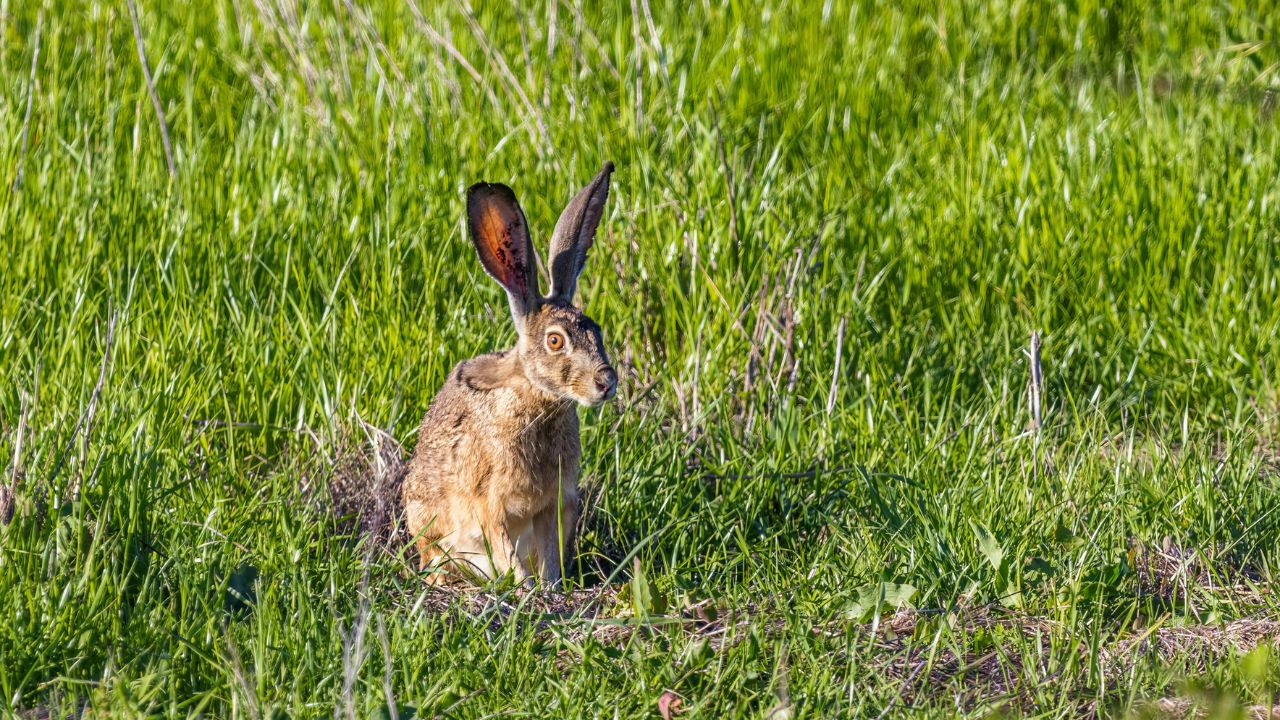
Rabbits do not get the blame they probably deserve around small plots. A few rabbits scattered across a big property are no big deal, but around a tucked-away plot near cover, they can stay on fresh growth constantly. They love tender young plants, and because they feed low and close, they can keep seedlings cropped down before they ever get much height. A man may look at a struggling plot and blame bad germination when part of the problem is a bunch of rabbits feeding every evening and night.
They are especially rough on small plantings near brush piles, field edges, and overgrown corners where they feel safe. Those are also the exact spots where a lot of folks like to put little hunting plots. That means rabbits often get first crack at the same greenery meant to pull deer later. Rabbits will not usually destroy a large, strong plot by themselves, but in the wrong location they can help keep one small plot stunted from the day it starts growing.
Canada geese
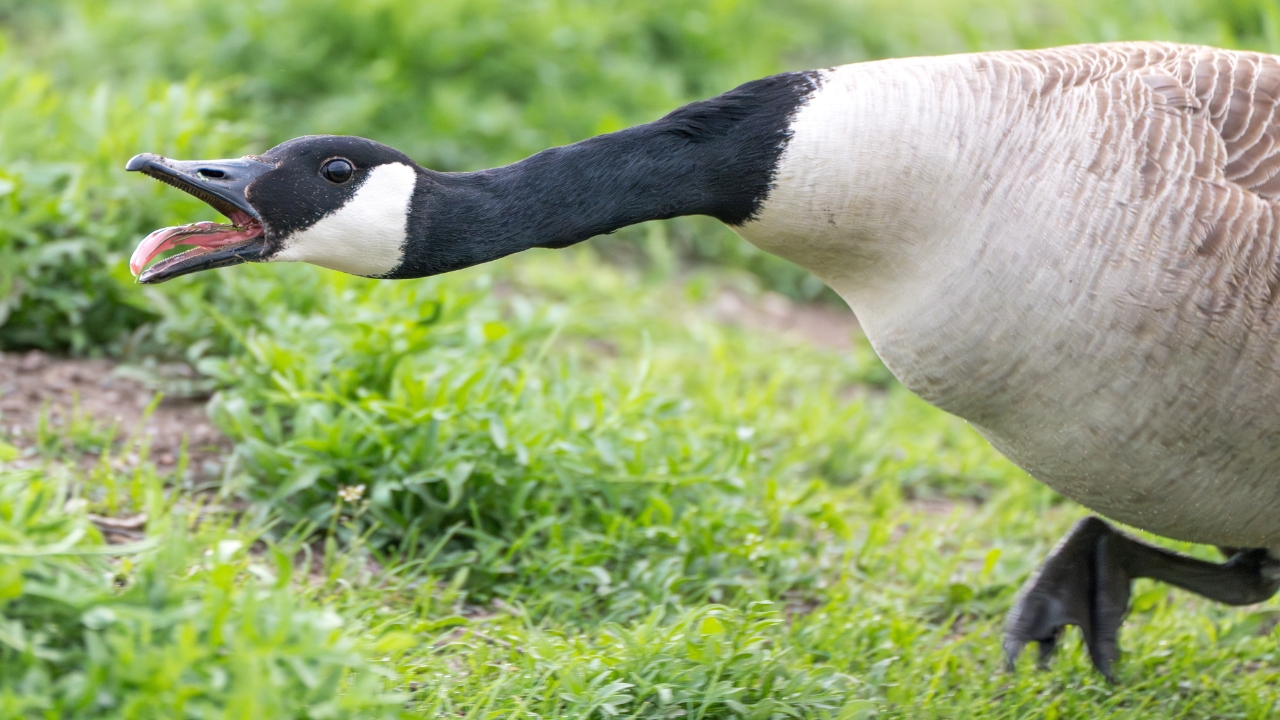
Canada geese can be a real problem on plots near ponds, open water, or wide fields where they feel comfortable landing and feeding. People think of geese as more of a nuisance around lawns and golf courses, but they can hammer tender green growth in agricultural and wildlife plantings too. Once they find a plot they like, they can graze it hard, especially if the crop stays young and palatable. A small plot can get clipped down in a hurry when a group starts using it regularly.
The other problem with geese is how exposed they like things. If you have a plot in a wide-open area with good visibility and nearby water, you may be asking for trouble without realizing it. They can turn a fresh stand into a grazed-down flat patch faster than most people expect. It is one more reminder that food plots do not exist in a vacuum. If it is green and easy to reach, something is going to use it. Geese are absolutely one of those somethings.
Groundhogs

Groundhogs can be rough on certain food plots, especially bean-heavy plantings or smaller setups close to brushy edges and den sites. They feed hard, they stay local, and when they settle in near a plot, they can keep putting pressure on the same section over and over. A lot of people do not think about them because they are not roaming in groups or tearing up cameras every night, but one or two groundhogs living close by can absolutely make a noticeable dent.
They are also the kind of animal that gets overlooked until the damage becomes obvious. You start noticing certain plants cropped down harder than the rest or sections near cover that never seem to keep up. That is often how groundhog trouble shows itself. They are not always the main culprit, but they can be one more steady drain on a plot that already has too many mouths on it. In some places, especially around field edges and old banks, they are more involved than folks realize.
Blackbirds
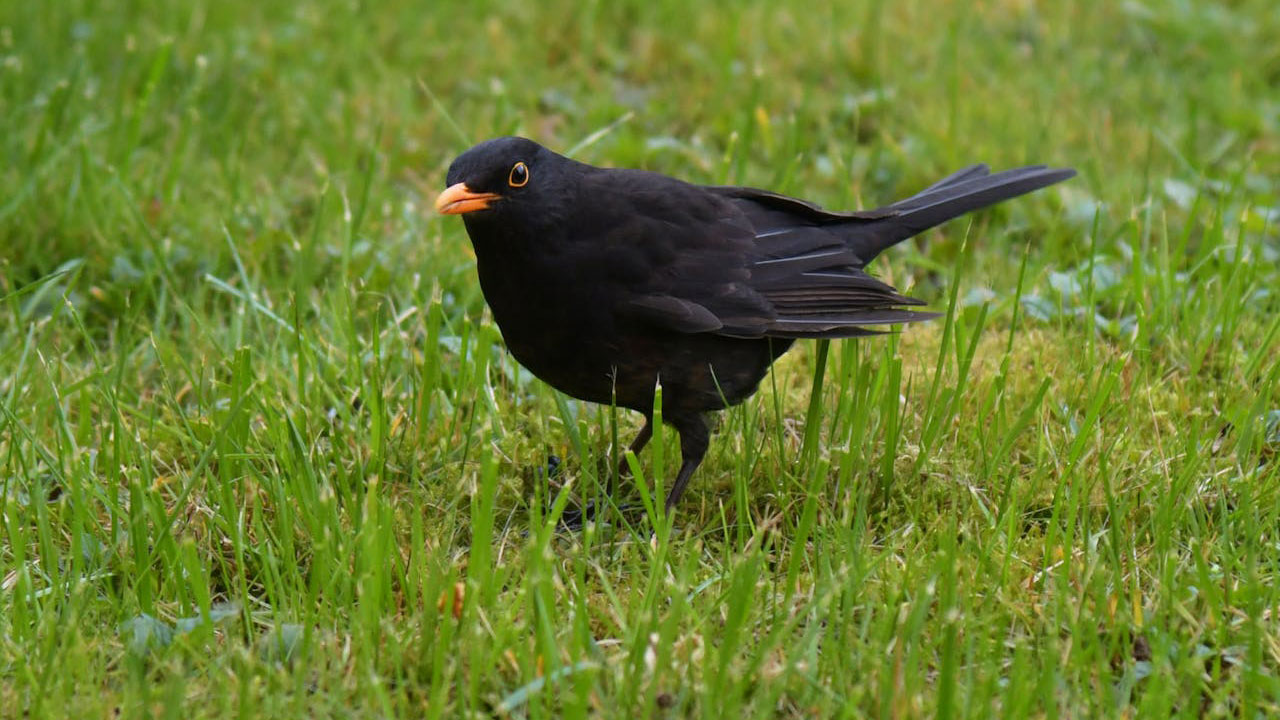
Blackbirds can be rough on newly planted plots and on crops that produce attractive seed later on. They may not seem like a major plot animal compared to deer or hogs, but a flock of birds working over a planting can absolutely cost you stand quality. They can pick at seed, bother emerging plants, and hammer maturing grain crops if timing lines up right. When numbers get high, the damage stops being minor and starts showing up in bare spots and weak sections.
This is especially frustrating because bird damage often gets dismissed as bad luck or planting issues. A guy will say the stand did not take, but sometimes the seed got hit hard before it ever had a fair shot. Then later in the season, the same kinds of birds may come back once grain heads or seed sources mature. Blackbirds are not always a top-tier problem, but they are one of those quiet pressure points that can pile onto everything else and help turn a promising plot into a disappointing one.
Mice and voles
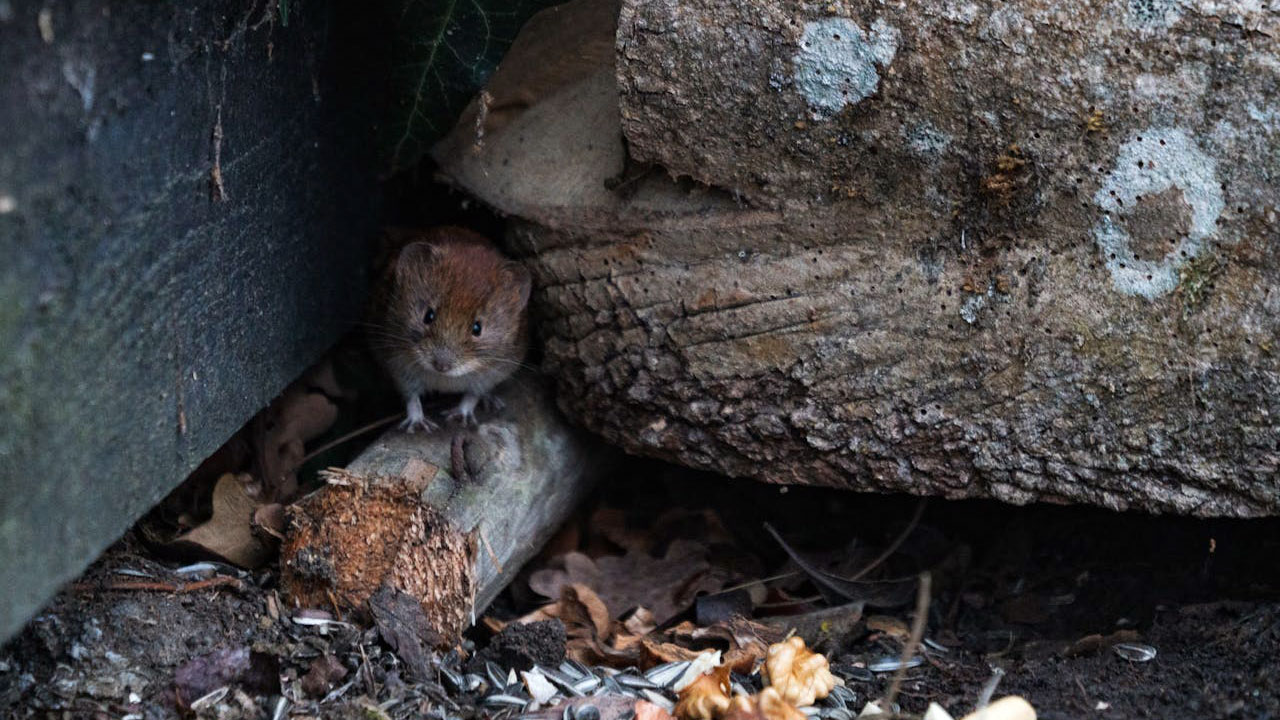
Mice and voles are small, but that does not mean they are irrelevant. Around freshly planted plots, especially where seed is left too shallow or cover is nearby, they can take enough seed to thin things out before the stand ever gets going. You usually do not walk in and think, these rodents ruined my plot. What happens instead is you notice weak establishment, scattered growth, and sections that never seem to fill in right. Sometimes weather is to blame. Sometimes these little thieves are part of it.
They also matter because food plots are often planted in edge habitat where small mammals thrive. Add weeds, brush, nearby bedding cover, and a fresh food source, and it becomes a pretty comfortable setup for them. On their own, mice and voles may not wreck a whole large plot, but on smaller plantings they can affect early success more than many people think. When you are already fighting drought, browsing, and poor soil, losing part of your seed to rodents is one more thing you did not need.
Crows
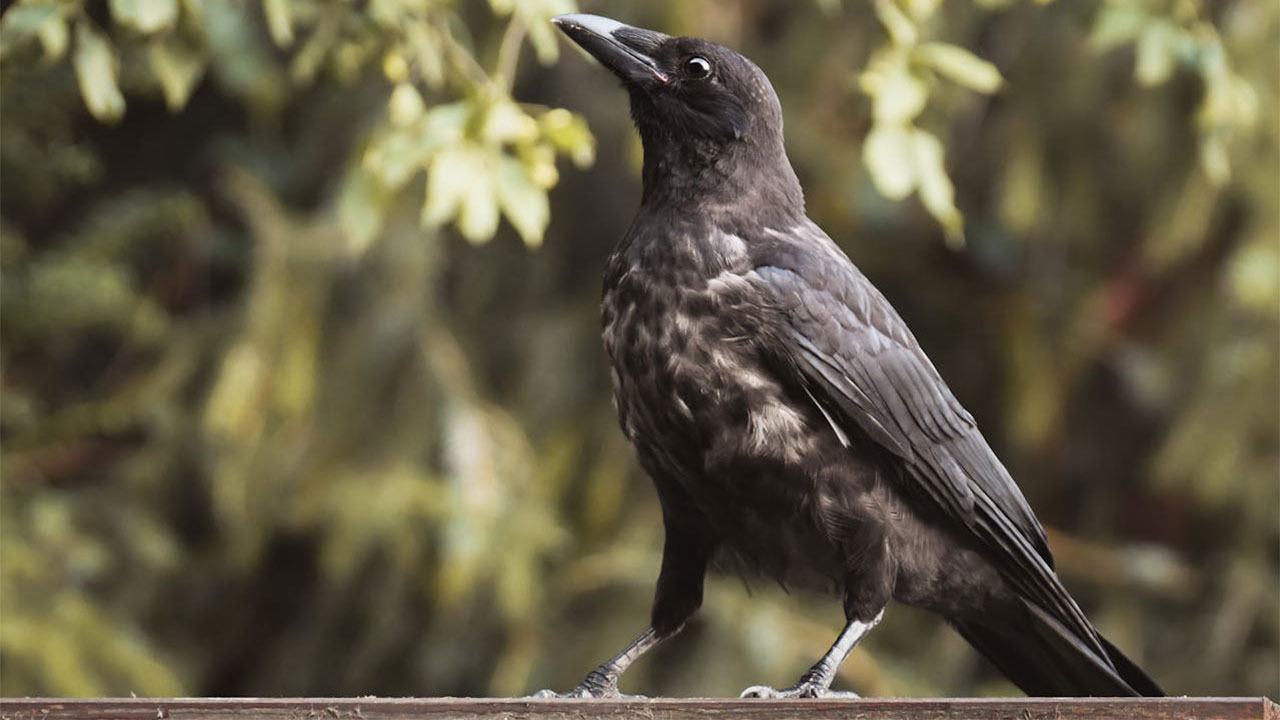
Crows can be a headache on food plots, particularly right after planting when seed is vulnerable and easy to find. They are smart, observant, and quick to key in on disturbed ground. If a field has just been worked and planted, crows may start checking it almost right away. They can pull seed, pick at sprouts, and keep coming back as long as they think the place is giving them an easy meal. On small plots, that pressure can show up faster than people expect.
The problem with crows is not just that they feed there. It is that they learn. Once they connect a field or opening with food, they often stay interested. A landowner may think a plot simply had a weak start, but the birds may have helped make it weak in the first place. They are not the most destructive animal on this list, but they are one more example of how food plots attract way more attention than just the game species you are trying to manage for.
Feral cattle
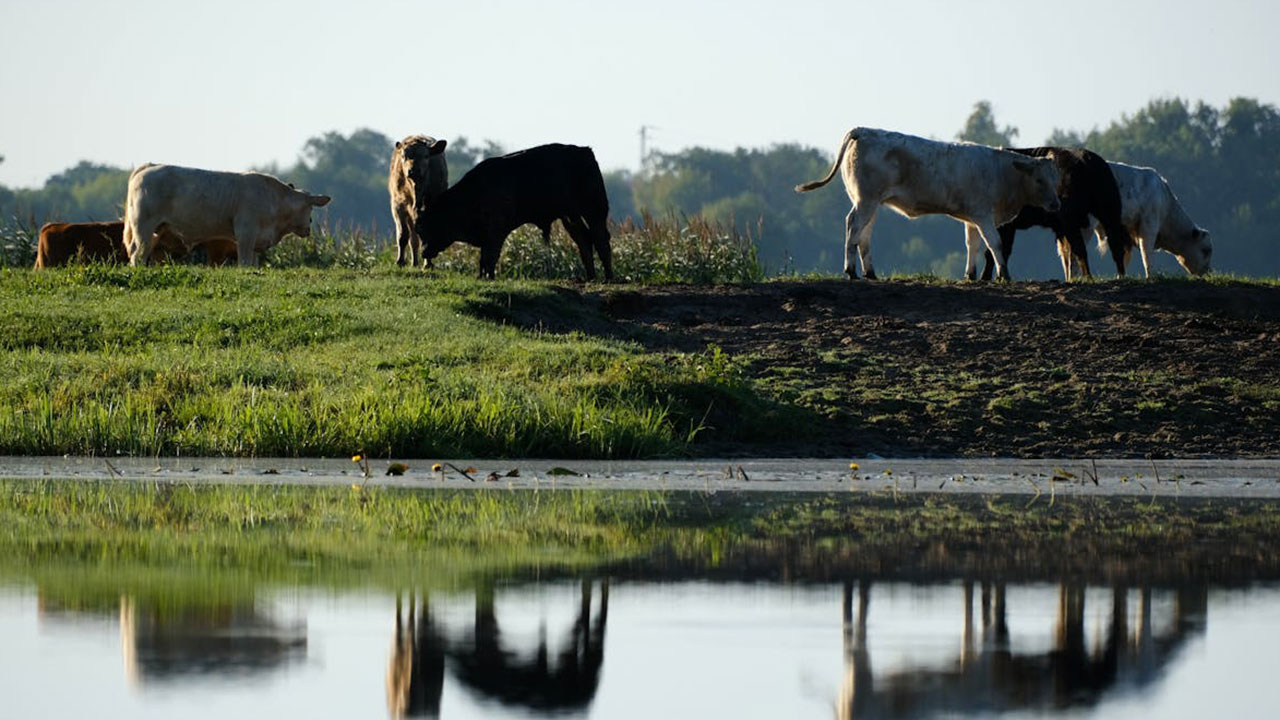
Where cattle get loose or where fencing fails between neighboring ground, they can flatten a food plot fast. This is not subtle damage. Cattle do not browse lightly. They graze, trample, compact the soil, and turn a carefully planted plot into something that looks overused and beat down in almost no time. A few cows wandering into the wrong plot can do a surprising amount of damage before anyone even notices they were there, especially in remote fields that are not checked daily.
This kind of trouble usually comes down to property lines, gates, bad fences, or neighboring livestock getting where they should not be. It is not the most common issue everywhere, but where it happens, it is a real one. A food plot meant to draw deer is no match for cattle pressure. Even after the cows are gone, the effect stays with you in the form of grazed-down plants, churned-up ground, and a plot that now has to recover in the hottest part of the growing season.
Elk
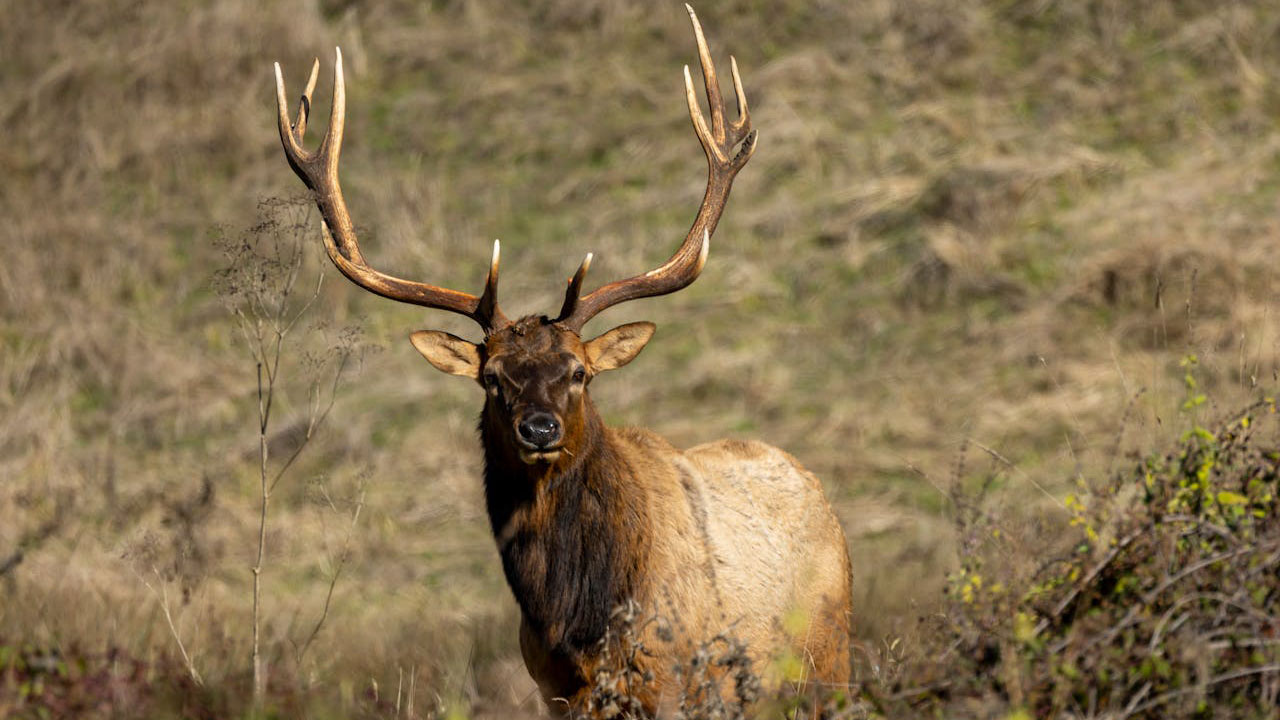
In places where elk overlap with food plot country, they can wear a planting out in a hurry. People love seeing elk, but they are a whole different level of pressure compared to deer. They are bigger, they eat more, and they can hit a plot with the kind of force that makes a small planting look hopeless. A guy who built a little hidey-hole plot for archery season may find out real quick that it was never sized for elk traffic in the first place.
The problem is not only how much elk consume. It is the way they can dominate a spot once they start using it regularly. If the property has limited good forage or if the plot is especially attractive, elk may pound it day after day before hunting season ever opens. That leaves less structure, less draw, and less confidence heading into fall. In the right region, an elk herd can turn a deer-minded plot plan upside down and remind you that not every property pressure problem comes from the same animal.
Antelope

Antelope are not usually the first thing people think about in a food plot conversation, but in the right country they can absolutely become part of the problem. If a plot is planted in an area where antelope travel and feed regularly, they can use it hard enough to matter. They tend to favor open country, which overlaps with the kind of places some landowners try to improve with attractive forage. A plot that greens up in otherwise tough country can pull their attention fast.
That pressure is extra noticeable when the plot is small or when natural forage is not doing much. Antelope may not root and wreck ground like hogs, but they can still take a lot from a planting before the season starts. The key issue is that they are one more mouth on a plot that often already has too many. In regions where they overlap with deer management, ignoring antelope use is a good way to misread why a plot keeps underperforming year after year.
Bears

Bears are not common food plot trouble everywhere, but where they overlap with planted ground, they can make a mess of certain crops. Corn gets a lot of attention for obvious reasons, and bears can flatten sections of it while feeding. They also do not move through a plot gently. Even when they are only targeting part of what is there, they leave enough broken stalks and churned-up sign behind that it feels like more damage than the feeding alone would suggest.
In bear country, the issue is often timing. A plot may look great, then one or two bears start checking it regularly and the whole thing changes. Cameras catch them at night, and soon enough the landowner is wondering how much of that plot will still be standing when season opens. They are not a universal food plot animal, but in the places where they matter, they matter big. A small property can feel a whole lot smaller once a bear decides your planting belongs on his route.
Squirrels

Squirrels are another easy animal to laugh off until you start noticing what they are doing around certain crops and freshly planted areas. They can dig seed, nip tender growth, and work over grain or mast-producing edges near plots enough to matter, especially if the planting is small. Most of the time they are not the main destroyer, but they are part of the steady background pressure that keeps a plot from reaching its full potential. Enough little hits can still add up.
They are especially noticeable around plots cut into timber or laid close to tree lines, which is exactly where a lot of good hunting spots end up. That makes them one more built-in problem around otherwise attractive food plot locations. Squirrels are not wiping out acres by themselves, but they are part of the same truth that catches a lot of people off guard: once a plot starts producing something edible, the whole woods notices, and plenty of mouths besides deer start lining up for it.
Like The Avid Outdoorsman’s content? Be sure to follow us.
Here’s more from us: