Photo credit: Mike Mareen/Shutterstock.com
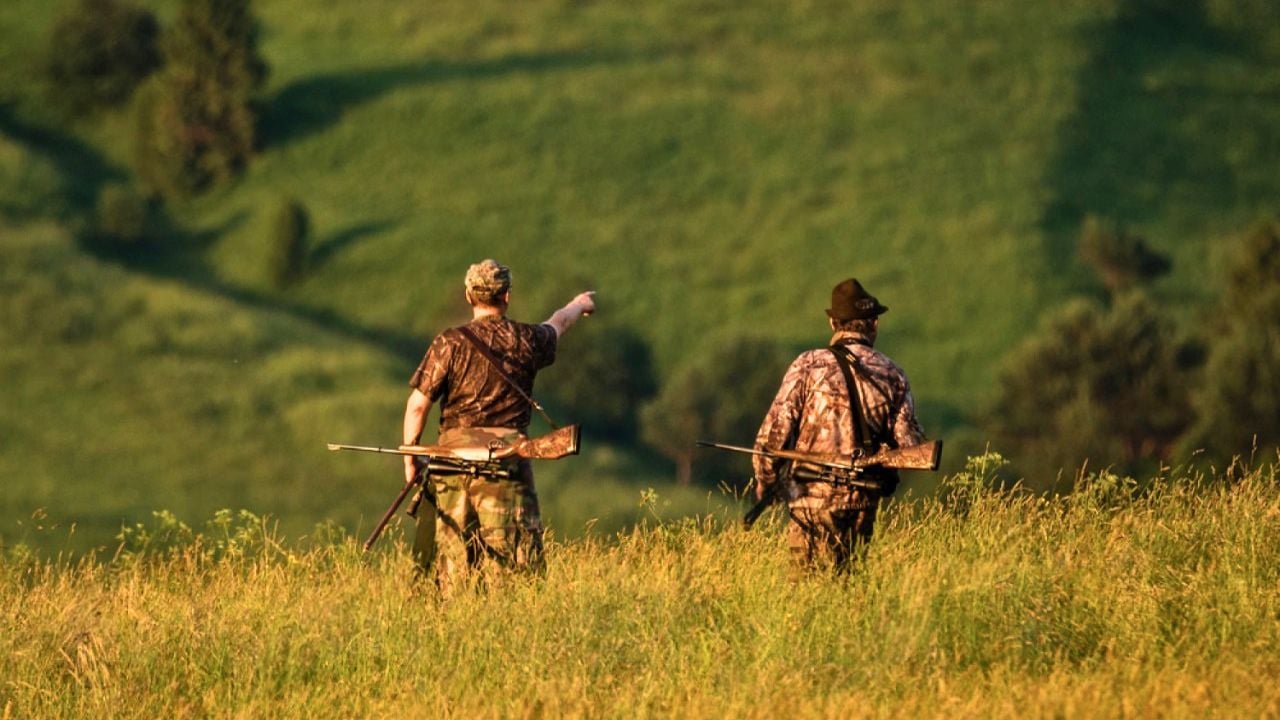
It happens more than a lot of hunters want to admit. You ease into a spot in the dark, feeling good about your plan, and then you catch a light, hear steps, or realize somebody else had the exact same idea. Sometimes it is bad luck. Sometimes it is poor communication. Sometimes it is a spot that has gotten so obvious that everybody with boots on the property ends up circling it sooner or later. Whatever caused it, the mood changes fast. What was supposed to be a calm, focused start to the hunt suddenly turns into a question of space, safety, pressure, and who is going to make the next move. A lot of hunters act like this kind of thing is rare, but on public land, shared leases, family ground, and even private places with loose communication, it is one of the most common ways tension starts. The trouble is, what happens next usually matters more than the fact that both hunters showed up there in the first place.
The first thing that usually happens is both people start making quick judgments, and a lot of those judgments are wrong. One guy assumes the other did it on purpose. The other assumes he was there first enough for it to count. Both are irritated before either one has a clear read on what actually happened. In the dark, with limited visibility and pride already creeping in, the situation can get worse fast if nobody slows it down. That is why the hunters who handle this best are usually the ones who stop treating it like a personal challenge the second they realize what is going on. They know the spot has already changed. Even if nobody says a word, deer movement, pressure, entry routes, and safe shooting angles are all different now. At that point, the question is no longer just who wanted the spot more. The question is whether the hunt still makes sense the way it is unfolding.
The hunt usually stops being what either person planned
A lot of hunters want to pretend they can still force the morning to work exactly the way they imagined. That is usually the first mistake. Once two hunters collide on the same setup, the hunt has changed whether either one likes it or not. If it is a tree line, funnel, ridge point, food plot edge, or any kind of concentrated movement area, then pressure is already different. Noise is different. Access is different. If either hunter stays stubborn just because he does not want to “give up” the spot, then now both men are usually hunting against the situation instead of with it. That is why these run-ins so often produce bad moods and empty mornings. Nobody wants to adjust because adjustment feels like losing, even though refusing to adjust often ruins the hunt for both people anyway.
This is especially true when the spot is tighter than people want to admit. A place can look roomy on a map and still hunt small once two people are trying to work around each other’s movement, wind, and shooting lanes. One hunter may think he can just slide fifty yards and make it work. The other may decide he will stay put because he got there two minutes earlier. Now both are stuck in a version of the hunt that is already compromised. Experienced hunters usually understand this quicker than newer ones. They know that a crowded setup tends to get worse, not better, once ego starts steering. That is why the best move is often not the one that proves a point. It is the one that gets somebody safely and cleanly out of a bad overlap before the whole area turns into dead ground for the morning.
Safety becomes the real issue faster than people expect
A lot of hunters think the main problem is etiquette, but safety is usually the bigger one. It is one thing to be annoyed that somebody stepped into the same plan. It is another thing entirely to sit there not fully certain where that other person may move, what direction he is facing, or whether he understands exactly where you are in relation to him. In open woods, broken cover, or low light, that uncertainty matters a whole lot. The situation gets even touchier with turkey hunting, drives, or any setup where sound, movement, or calling can create confusion. A lot of people talk tough about holding their ground until they realize they are no longer completely comfortable with how the area would look if an animal showed up and both hunters suddenly had decisions to make.
That is why calm, clear communication matters so much if the two hunters do acknowledge each other. Not a confrontation. Not a debate. Just enough clarity to keep the situation from drifting into something careless. If the setup still does not feel right after that, then it probably is not right. Hunters who stay out of trouble long term are usually the ones who know how to tell the difference between an inconvenience and a safety problem. They do not let pride blur that line. If the other hunter is too close, too unclear, or too unpredictable for the situation to feel clean, then the smartest move is often to back out, reset, and hunt another plan. That may feel frustrating in the moment, but it beats letting one crowded morning become a story people tell later for the wrong reasons.
Most of the damage comes after the collision, not during it
What really turns these moments ugly is not that both hunters arrived. It is what they do after realizing it. Some go silent and stay stubborn. Some try to crowd harder out of spite. Some start making passive-aggressive moves like coughing, stomping, or shifting around just to make the other guy uncomfortable enough to leave. That kind of behavior almost never fixes anything. It just adds more pressure, more confusion, and more resentment to a situation that was already compromised. Even if one hunter finally leaves, the spot is often blown enough by then that the “winner” did not really win much. He just stayed long enough to sit in the wreckage of a hunt that had already gone sideways.
The hunters who handle this best usually do something less satisfying and a whole lot smarter. They take a quick, honest read of the setup, accept that the original plan is finished, and move accordingly. Sometimes that means speaking up briefly so both people know where the other is. Sometimes it means slipping out without making it a whole production. Sometimes it means adjusting to a backup plan they already should have had in mind. That is the real lesson in what happens when two hunters show up to the same spot. The collision itself is not unusual. What separates the hunters people respect from the ones people dread dealing with is how they handle the next five minutes. Usually, that is where the whole story gets decided.
Like The Avid Outdoorsman’s content? Subscribe to our newsletter so you never miss an article.
Here’s more from us: