Photo credit: Dudewithcamera/Pexels.com
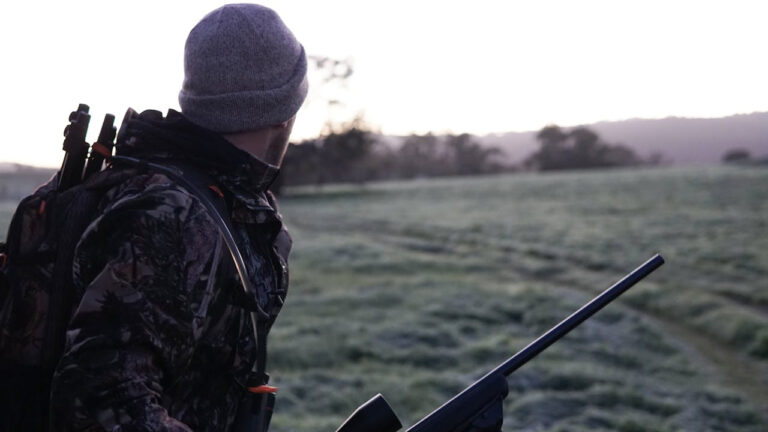
The hunter probably bought the lock hoping he would never need it.
That is how most trail-camera security gear feels. You spend the money, strap it on, and hope it’s just a little extra protection. Maybe it slows down a thief. Maybe it keeps an honest person honest. Maybe it keeps a curious trespasser from walking off with your camera because it looked easy.
Then the camera catches exactly the kind of people the lock was meant for.
In a Reddit post, the hunter shared that his $15 trail-camera lock had paid for itself after the camera caught two trespassers checking it out up close. That is one of those little hunting-land victories that feels small until you think about what probably would have happened without the lock.
The camera might have disappeared.
Trail cameras are easy targets because they are usually left alone in the woods for days or weeks. They are small enough to steal, useful enough to tempt people, and often placed in spots where nobody is around to stop it. If someone trespassing sees one strapped to a tree, there is a good chance he knows it may have already taken his picture.
That can make the camera feel like evidence.
And evidence has a funny way of vanishing when the wrong person finds it.
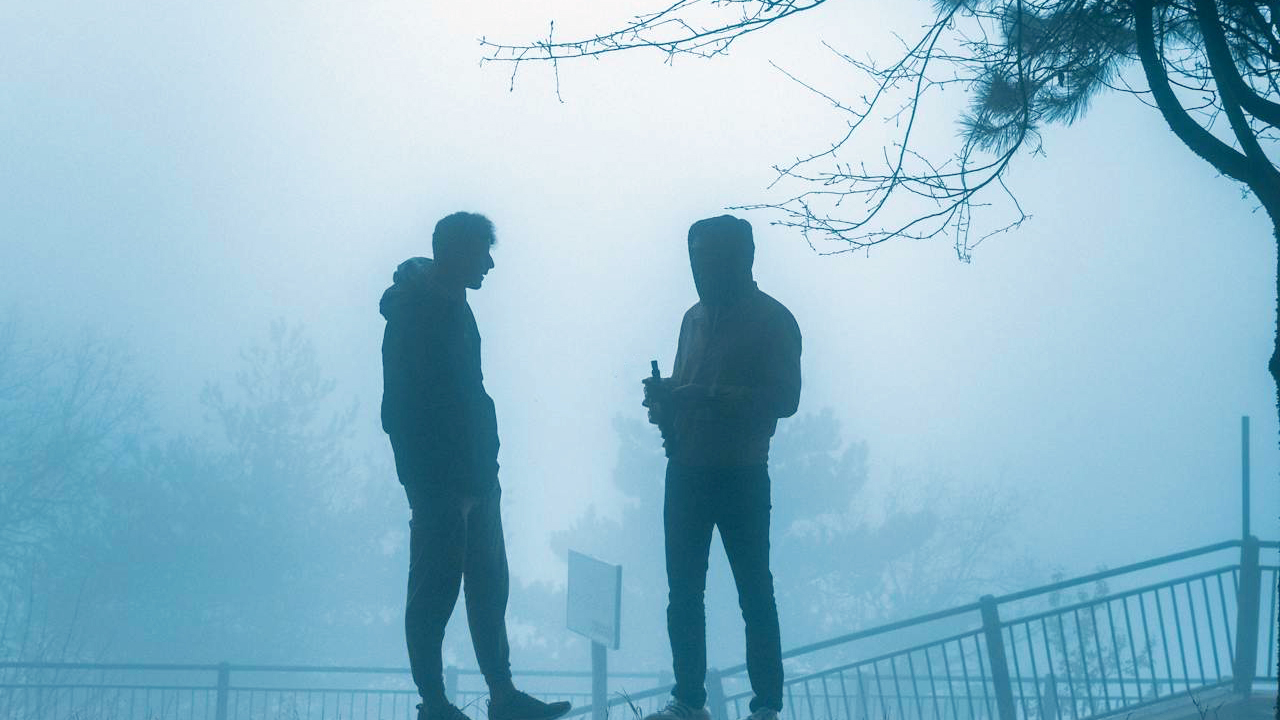
The two trespassers in the post apparently got close enough to inspect the camera. That alone tells you they had noticed it and were interested in it. Maybe they were just curious. Maybe they were trying to figure out if it had taken their picture. Maybe they were checking whether they could pull it down. Maybe the lock made the difference between them walking away and them taking it.
Whatever their plan was, the lock complicated it.
That is the whole point. A $15 lock is not magic. A determined thief with tools and time can beat plenty of locks. But most trail-camera theft is not some carefully planned heist. It is opportunistic. Someone sees a camera, tugs on it, realizes it is easy, and leaves with it. Make it harder, and some people decide it is not worth the trouble.
In this case, the camera stayed put.
And because it stayed put, the hunter kept the pictures.
That matters more than the camera itself in some ways. A stolen camera is frustrating because of the money, but the lost images can hurt worse. If the camera caught trespassers, a good buck, a poacher, or activity near a stand, losing the card means losing the proof. A lock gives the hunter a better chance of keeping both the gear and the evidence.
The story also shows how bold people can get on land where they should not be. Trespassers do not always sprint away the second they see a camera. Some walk right up to it. Some wave. Some cover the lens. Some steal the card. Some take the whole thing. A few seem almost offended that someone had the nerve to record activity on land they had no right to be on.
That attitude is exactly why landowners and hunters get so protective.
A camera is not there to bother honest people. It is there to watch deer, monitor access, and document what happens when nobody is around. If someone is on the property legally, the camera is not a problem. If someone is trespassing, suddenly the camera becomes very inconvenient.
The hunter’s cheap lock turned out to be enough inconvenience.
There is something satisfying about that. Not because trespassers were caught in some dramatic takedown, but because the simplest bit of preparation worked. He spent a little money, secured the camera, and when two people got close enough to check it out, the camera did not walk away with them.
It also likely gave him a better idea of what kind of problem he had. Two people on camera means two faces, clothing, maybe a time of day, maybe direction of travel. If they came in once, they might come back. If they looked at the camera closely, they may already know where it is. That means the next smart step would be moving or adding another camera, especially one hidden higher or farther back watching the same access.
Trail-camera security works best in layers.
A lock keeps the obvious camera in place. A second hidden camera catches whoever messes with it. A cellular camera sends images before anyone can steal the card. Signs remove the “I didn’t know” excuse. Gates and cables slow down vehicle access. None of it is perfect alone, but together it makes trespassing less comfortable.
That is often the best a hunter can do.
The $15 lock did not stop the trespassers from being there in the first place. It did not explain why they were on the property, what they were doing, or whether they planned to return. But it did keep the camera from becoming an easy loss. And because of that, the hunter had something more useful than a missing strap on a tree.
He had proof.
Commenters mostly agreed that a cheap lock is better than learning the hard way after a camera disappears.
Several people said trail-camera theft is common enough that every camera on private or public land should be secured if possible. A lock will not stop someone with bolt cutters, but it can stop the casual thief who only steals what comes off easily.
Others said the bigger win was keeping the photos. If the trespassers had taken the camera, the hunter might never have known who was there. Because the lock kept it in place, the camera continued doing its job.
A lot of hunters recommended pairing a visible camera with a second hidden one. If someone comes back to steal, cover, or damage the first camera, the second camera may catch the act. Several said they also like mounting cameras higher in trees and angling them down so people do not notice them as quickly.
Some commenters pointed out that if trespassers are close enough to inspect a camera, they already know it is there. That may mean the hunter should move it, add another camera, or watch the access route more carefully.
The main advice was simple: don’t make your trail camera the easiest thing in the woods to steal. A cheap lock may not solve the trespassing problem, but it can keep the evidence from leaving with the people causing it.