Photo credit: NRApubs/Youtube
Some rifles don’t become trusted because of one great range day. They earn it slowly. They get carried through wet mornings, dusty roads, cold sits, rough truck rides, and seasons where everything goes wrong except the shot that matters.
Those are the rifles hunters remember. Not always the prettiest ones. Not always the most expensive. Just the ones that keep showing up, keep shooting straight, and keep proving they belong in the rack. These rifles earned their reputation one season at a time.
Remington Model 700 ADL

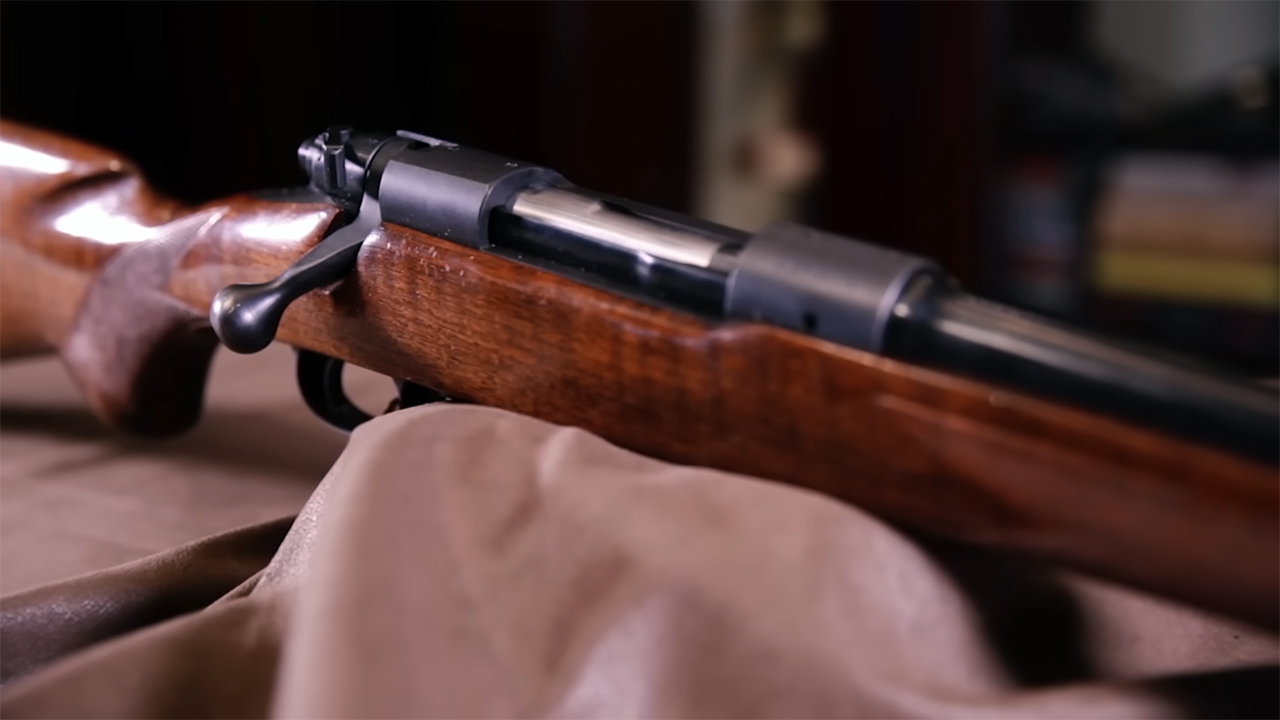
The Remington Model 700 ADL was never the fanciest version of the 700, but that was part of its appeal. It gave hunters the same basic action that made the Model 700 famous without dressing it up too much. A lot of hunters bought one because it was affordable, then kept it because it kept putting deer on the ground.
Season after season, the ADL proved that a hunting rifle doesn’t need floorplates, high-gloss walnut, or custom extras to be useful. It just needs to chamber cleanly, shoot well, and hold zero when it gets dragged through real hunting conditions. Plenty of these rifles rode in trucks, leaned in deer blinds, and got carried through rough country without much fuss. That’s how a plain rifle turns into a trusted one.
Winchester Model 70 Featherweight

The Winchester Model 70 Featherweight built its reputation with hunters who wanted a rifle that felt good in the hands instead of heavy on the shoulder. It brought classic Model 70 bones into a lighter, handier package that made sense for long walks, mountain hunts, and any season where ounces started to matter.
The Featherweight’s appeal is not hard to understand once you carry one. It balances well, looks right, and still has enough rifle feel to inspire confidence. It may not be as weatherproof as a synthetic-stocked setup, but hunters have trusted these rifles for decades because they handle beautifully and shoot well enough to matter. A rifle like that earns respect slowly, one cold morning and one clean shot at a time.
Ruger M77 Hawkeye

The Ruger M77 Hawkeye has the kind of rugged feel that makes hunters trust it before they ever brag about it. It’s not built to be the lightest rifle in the rack or the flashiest one on a sales page. It’s built to feel solid, feed reliably, and handle rough use without acting fragile.
That matters over multiple seasons. A Hawkeye in a hard-hitting chambering feels like the kind of rifle you can take into nasty weather or tough country without worrying over every scratch. The controlled-round-feed action, strong extractor, and classic Ruger build give it a serious field reputation. It may not always win benchrest arguments, but in a hunting camp, steady and dependable counts for a lot.
Browning X-Bolt
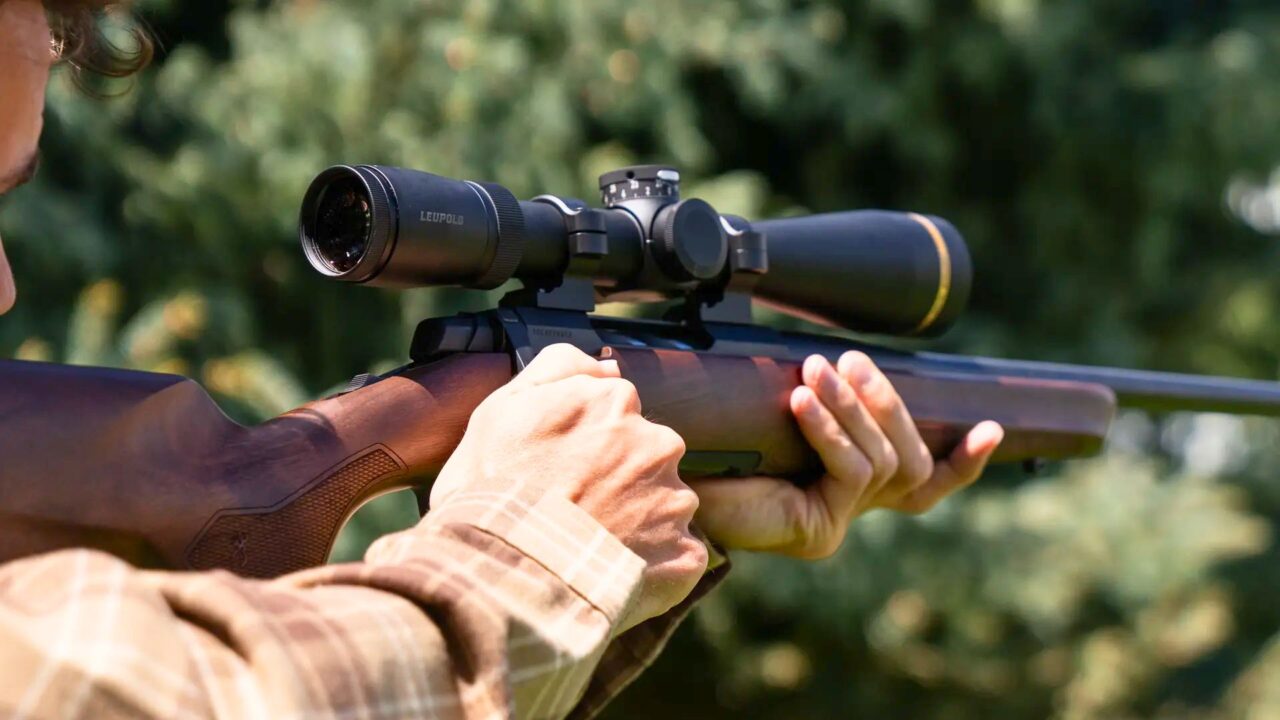
The Browning X-Bolt earned its reputation by being one of those rifles that feels modern without feeling cheap. It gave hunters good accuracy, a smooth bolt lift, a solid magazine system, and enough trim options to fit a lot of different hunting styles. It didn’t take long for hunters to realize the rifle was more than a fresh name.
What makes the X-Bolt work season after season is how practical the whole package feels. The tang safety is easy to use, the bolt unlock button makes unloading safer, and many rifles shoot very well with factory ammunition. It has enough refinement to feel like a step up, but it still works like a field rifle. That combination is why so many hunters stuck with it after the first season.
Kimber Montana
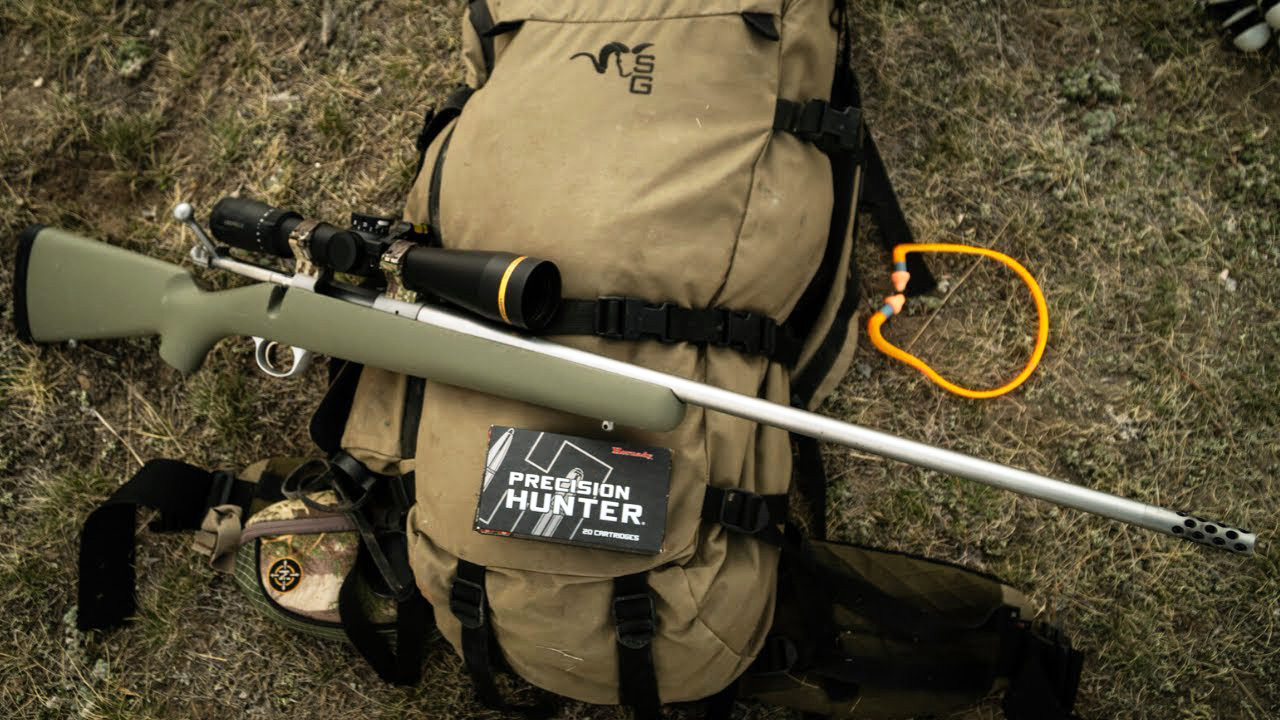
The Kimber Montana built its name with hunters who care about weight because they actually carry rifles in hard places. It was light, weather-resistant, and made for the kind of hunts where a heavy rifle starts feeling like a punishment by noon. That gave it a strong following among mountain hunters and backcountry guys.
Light rifles can be unforgiving, and the Montana is not the kind of gun that hides poor form. But when a shooter learns it and finds the right load, it becomes a serious hunting tool. Its reputation came from real miles, rough weather, and hunters who wanted a rifle that could climb without complaint. It’s not everyone’s perfect rifle, but for the right hunter, it earned respect the hard way.
Sako 85
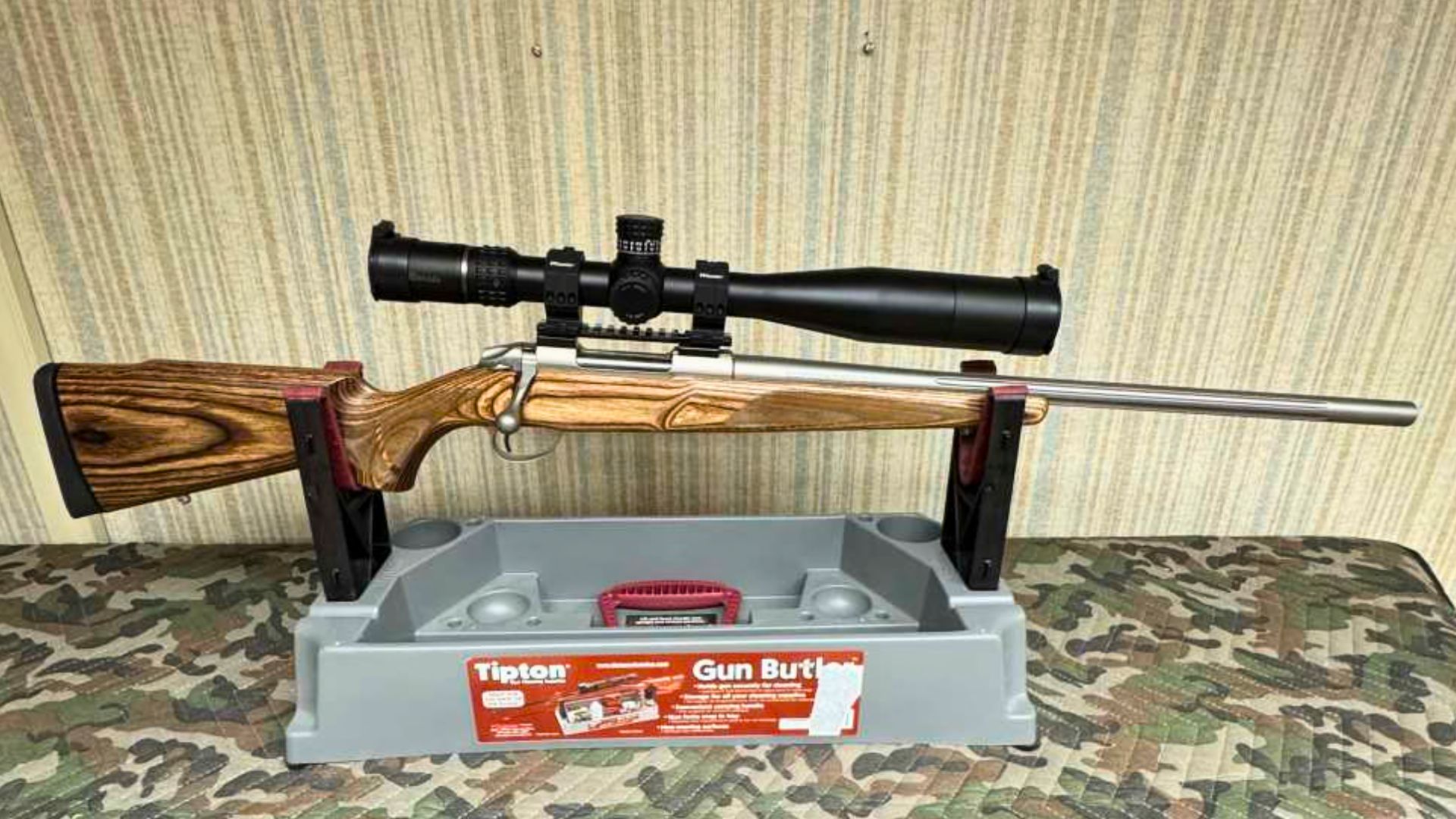
The Sako 85 earned its reputation by feeling like a rifle built with care. It has the smoothness, fit, and accuracy that hunters expect from Sako, but it still belongs in the field. This is not a rifle that needs to shout. The quality comes through when you work the bolt, press the trigger, and settle behind it.
Season after season, the 85 has appealed to hunters who want a rifle that feels refined without becoming too precious to use. It feeds smoothly, shoots well, and has the kind of build quality that makes confidence easy. It costs more than basic hunting rifles, but owners tend to understand where the money went. A rifle that keeps performing cleanly year after year earns its place.
Steyr Mannlicher Classic
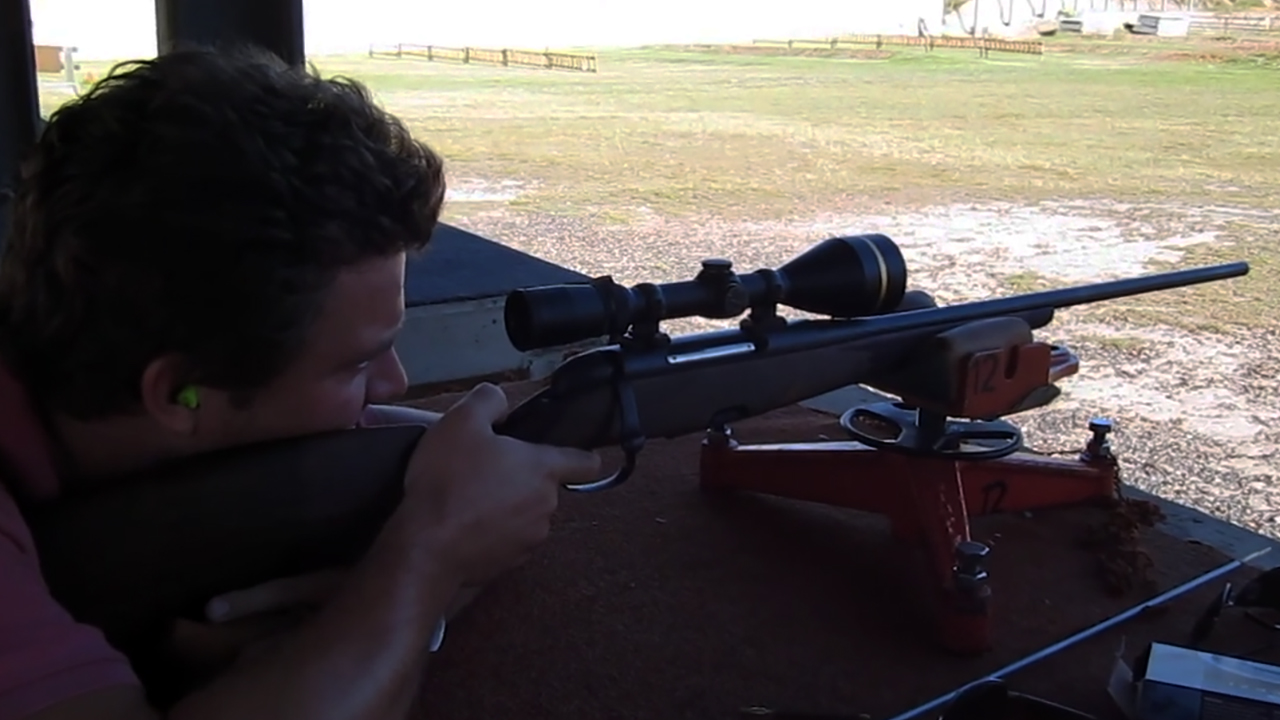
The Steyr Mannlicher Classic is not the most common rifle in American deer camps, but hunters who know them usually respect them. Steyr has long had a reputation for making accurate, well-built rifles with a slightly different feel from the usual American bolt guns. The Mannlicher-style versions especially have a look and balance all their own.
This rifle earns its reputation through smooth handling and consistent field performance. It feels refined, but not weak. The action, trigger, and stock design give it a level of character that stands apart from mass-market rifles. It may not be the obvious pick for every hunter, and parts or accessories may not be as easy to find as they are for domestic rifles. But season after season, a good Steyr has a way of making owners loyal.
Weatherby Mark V

The Weatherby Mark V has carried a big reputation for a long time, and it didn’t earn that by being timid. Built around strength, speed, and Weatherby’s high-velocity identity, the Mark V became the rifle for hunters who wanted reach, power, and confidence in serious chamberings.
What keeps the Mark V respected is that it feels like a rifle built for hard-hitting cartridges. The action is strong, the bolt lift is short, and the rifle has been offered in configurations that cover everything from classic deluxe hunting to rougher backcountry use. Not every hunter needs Weatherby speed, but those who trust the Mark V usually do so because it has proven itself on big country and tough animals over a lot of seasons.
Cooper Model 52
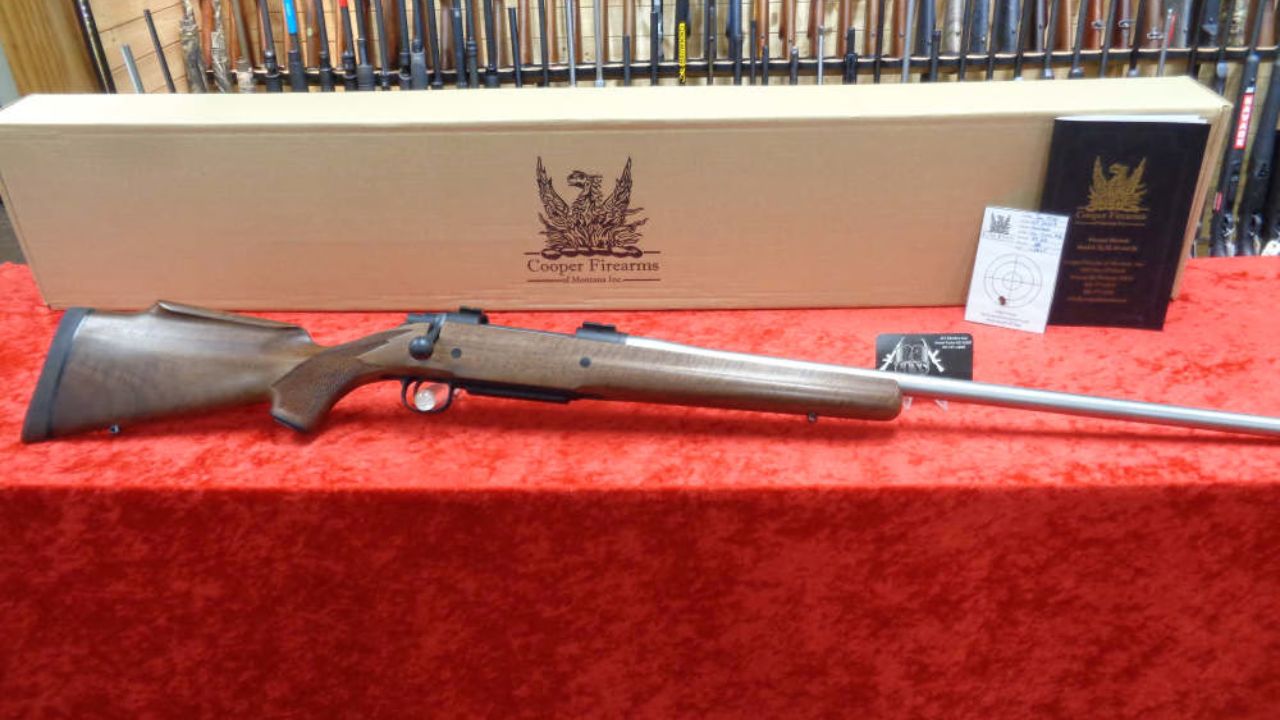
The Cooper Model 52 earned respect among hunters and accuracy-minded shooters who wanted more than a rack-grade rifle. It’s the kind of bolt gun that appeals to someone who cares about clean machining, good triggers, and rifles that shoot like they were built by people paying attention.
A Cooper does not build its reputation through volume or bargain pricing. It does it through precision and consistency. Hunters who spend seasons behind one tend to appreciate the way it groups, handles, and inspires confidence before a shot. It is not a rough truck rifle for everyone, but for someone who wants a hunting rifle with serious accuracy and careful build quality, the Model 52 has earned a loyal name.
Nosler Model 48
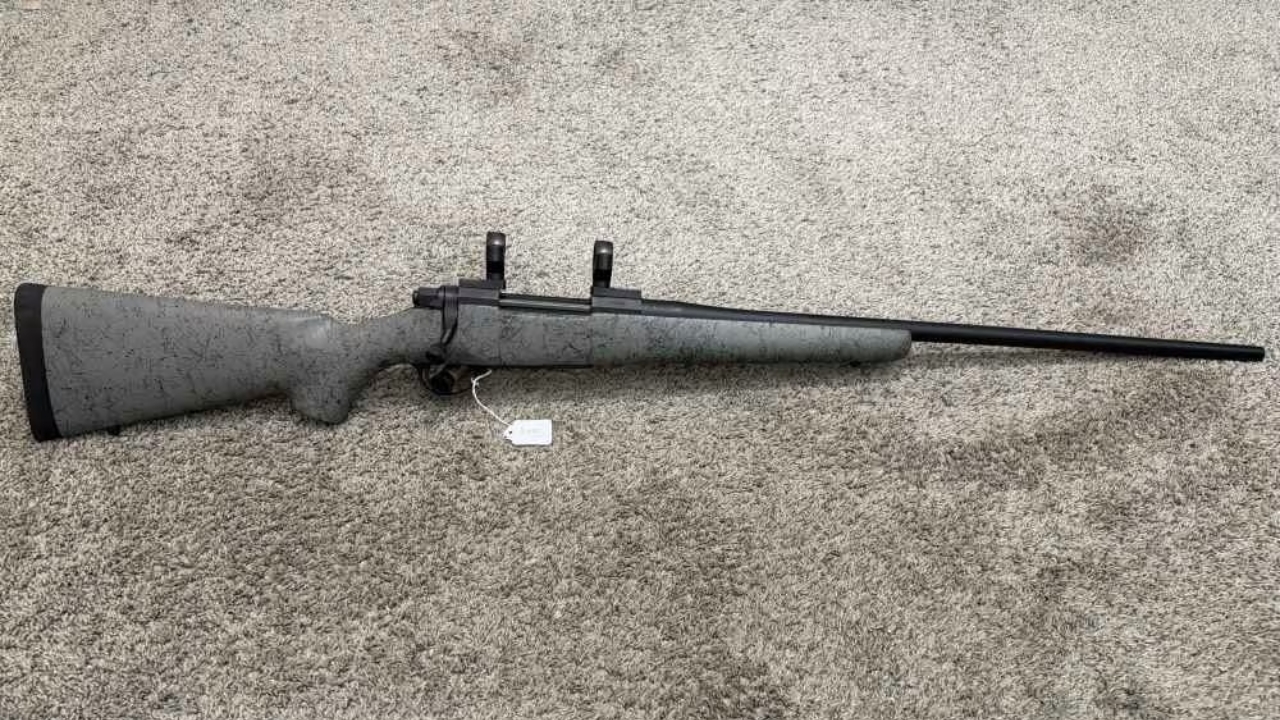
The Nosler Model 48 came from a company already trusted for bullets, so hunters expected it to shoot. What helped the rifle earn its own reputation was that it delivered a practical, accurate hunting package built around real field use. It was not trying to be a cheap entry-level rifle or a flashy safe queen.
The Model 48 appealed to hunters who wanted a lighter rifle that still felt serious and capable. Nosler chamberings and traditional hunting rounds both made sense in the platform, and the rifles were known for good accuracy. Over multiple seasons, that matters more than launch excitement. A rifle earns loyalty when it keeps printing tight groups and riding comfortably through hard country, and the Model 48 did that for plenty of owners.
T/C Encore Pro Hunter
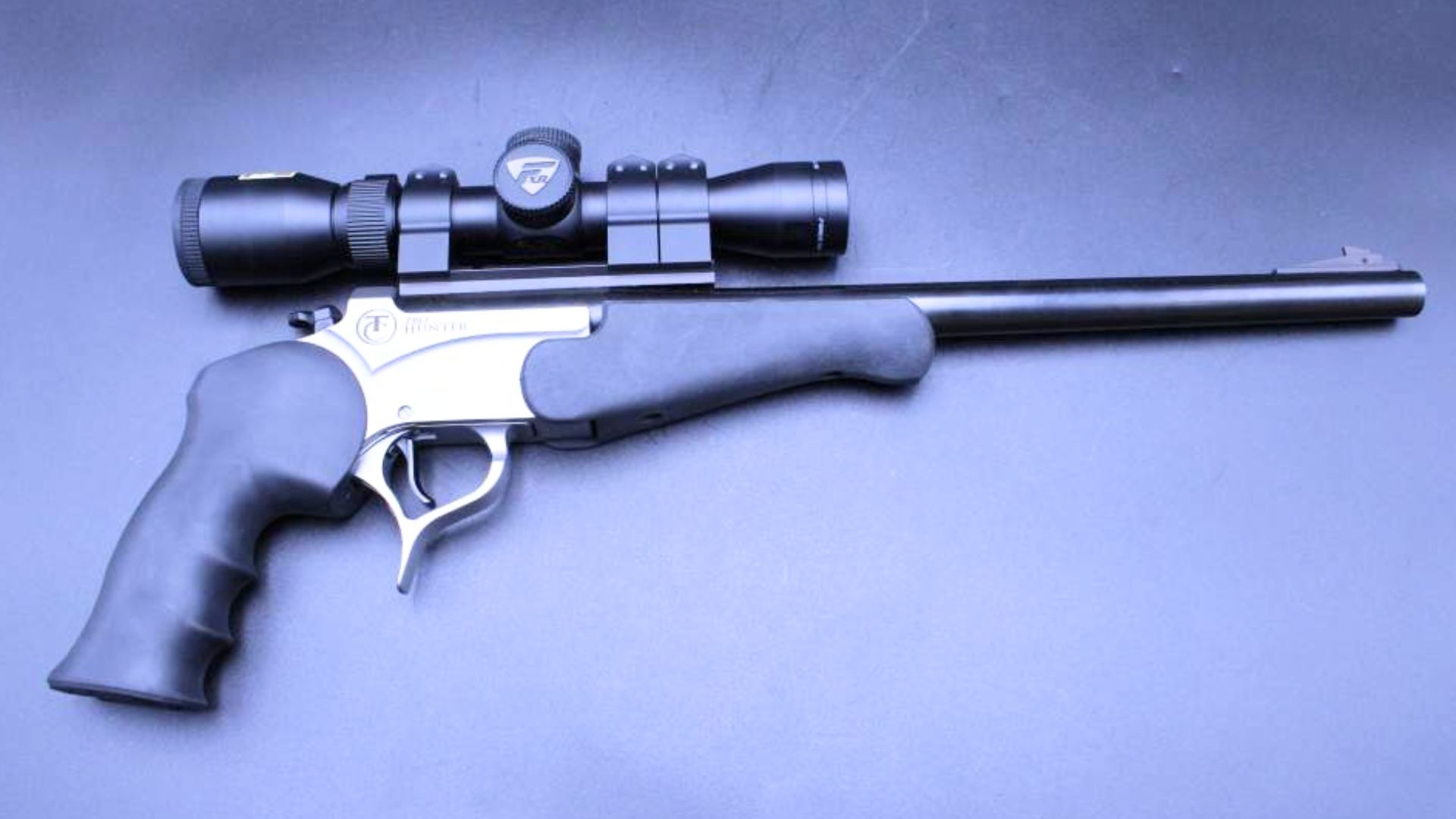
The T/C Encore Pro Hunter earned its reputation in a different way than most bolt rifles. Its break-action, switch-barrel design gave hunters a flexible platform that could become a muzzleloader, centerfire rifle, or shotgun depending on the setup. For people who liked the system, that versatility was hard to beat.
Season after season, the Encore proved useful because it could adapt. A hunter could set up for deer, predators, muzzleloader season, or different states with different rules without buying an entirely new platform each time. It is not as fast for follow-up shots as a bolt-action, and it takes a deliberate shooter. But for hunters who value one accurate shot and a flexible setup, the Encore earned real loyalty.
Marlin XS7

The Marlin XS7 did not stay in the spotlight long enough, but the hunters who bought one often found out they had a better rifle than expected. Like the longer-action XL7, the XS7 gave buyers a practical bolt-action at a price that made sense. It was especially appealing in short-action chamberings for deer and general hunting.
What helped the XS7 build a quiet reputation was accuracy. Many rifles shot well, the trigger was decent, and the overall package did exactly what a budget hunting rifle was supposed to do. It didn’t look expensive, and it didn’t carry a prestige name in bolt guns. But after a few seasons of clean performance, owners started realizing it had earned more respect than the market gave it.
Sauer 100

The Sauer 100 brought German rifle credibility into a more reachable price range. It didn’t have the full luxury feel of Sauer’s higher-end rifles, but it still carried the kind of smoothness and precision hunters expect from the brand. For a lot of buyers, that made it an appealing step into a better class of hunting rifle.
The Sauer 100 earned its reputation by being accurate, well-mannered, and practical in the field. The trigger is good, the action feels clean, and the rifle has enough refinement to stand apart from ordinary budget guns. It is still a working rifle, though, not a museum piece. That balance is why hunters who use one for several seasons often come away impressed.
CZ 550
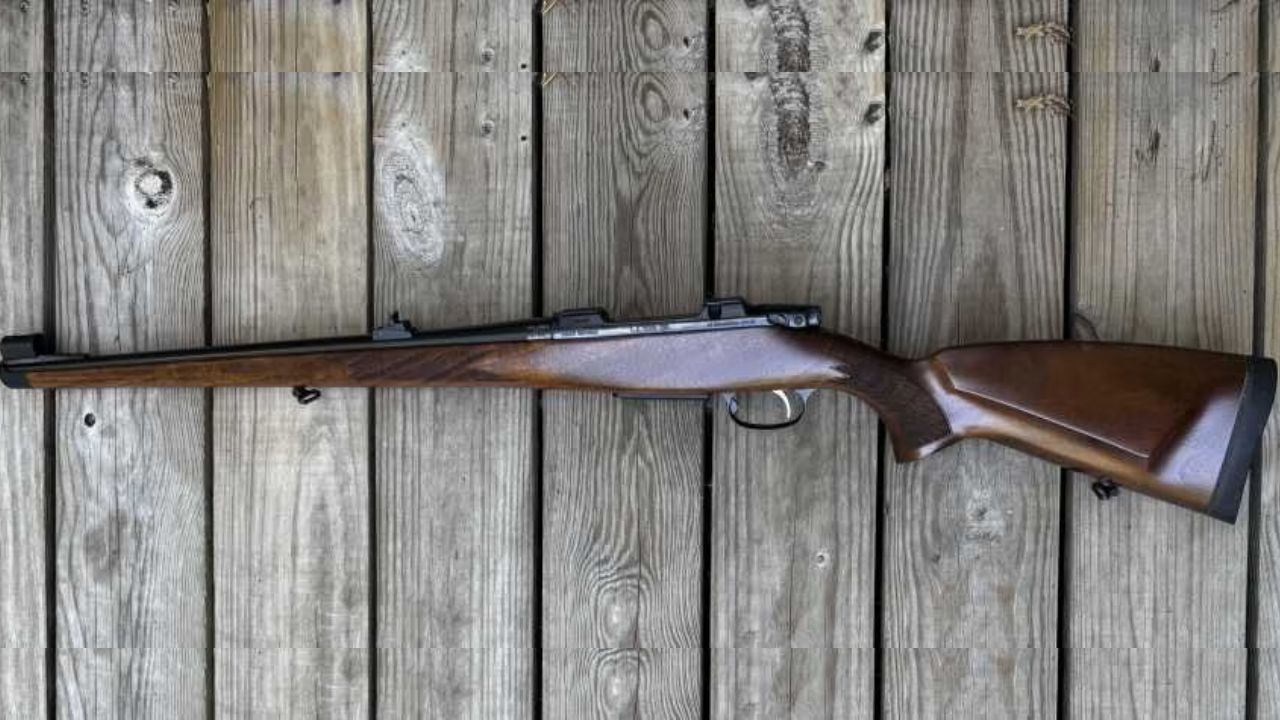
The CZ 550 built a strong reputation with hunters who like controlled-round-feed rifles, strong actions, and old-school toughness. It was especially respected in heavier chamberings, where reliability and confidence matter more than shaving every ounce. The 550 felt like a rifle built for serious use, not just light-duty deer stands.
Its reputation came from the way it handled real hunting conditions. The Mauser-style action, set trigger on many models, and rugged construction made it popular with hunters who wanted something dependable and a little traditional. It could be heavier than some modern rifles, but that weight helped it feel stable. For dangerous game, big game, or rough field use, the CZ 550 earned respect one season at a time.
Barrett Fieldcraft
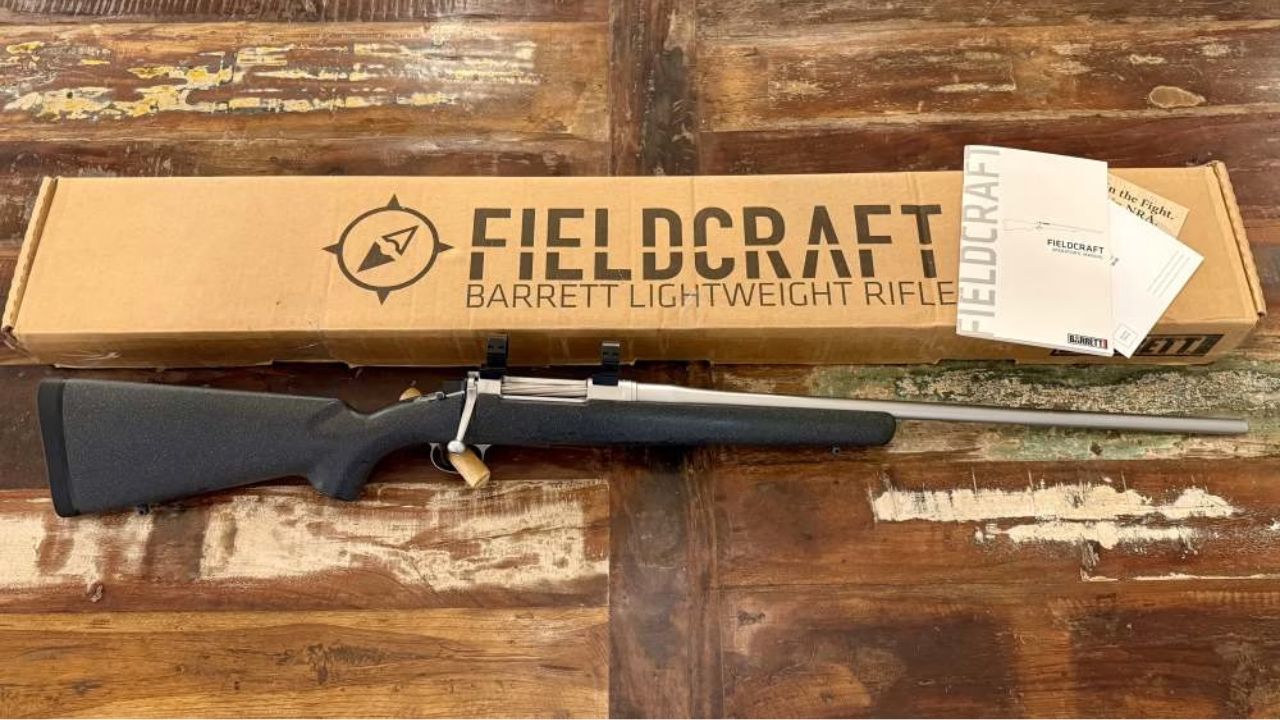
The Barrett Fieldcraft had a shorter production life than many hunters wanted, but it made a strong impression while it was around. It was light, accurate, and built for people who actually cared about carrying a rifle all day. That kind of rifle does not need many seasons to make its point, but the seasons it did see built a serious reputation.
The Fieldcraft stood out because it balanced weight savings with real shootability better than many ultralight rifles. It felt purposeful, not cheapened. Hunters who bought them often found a rifle that carried beautifully and still shot well enough to trust on serious hunts. Now that they are harder to find, the reputation has only grown. Some rifles earn respect slowly. This one did it fast, then left people wishing it had stayed longer.
Like The Avid Outdoorsman’s content? Subscribe to our newsletter so you never miss an article.
Here’s more from us: