Photo credit: The Average Joe Armory/Youtube
Older doesn’t always mean better, but it also doesn’t automatically mean outdated. Some firearms were built so well, designed so cleanly, or balanced so naturally that a lot of newer guns still struggle to match them where it counts. Not in marketing language. Not in accessory rails. In real use.
A good older firearm can make modern shortcuts pretty obvious. You pick it up, run the action, press the trigger, or carry it in the field, and suddenly the newer gun beside it starts feeling a little too hollow, rough, or overbuilt in the wrong places. These older firearms still have enough going for them to embarrass plenty of modern options.
M1 Garand

The M1 Garand is old enough that some shooters only think of it as a historic military rifle, but that sells it short. Pick up a good one, run the action, and shoot it from field positions, and it becomes obvious why so many people still respect it. It has weight, balance, and a solid mechanical feel that modern rifles don’t always deliver.
No, it’s not lighter than an AR-10. It’s not easier to scope. It’s not built around modern accessories. But as a .30-06 battle rifle with real handling character, the Garand still feels serious in a way a lot of newer rifles don’t. It points well, settles under recoil, and carries a kind of confidence that came from being built for hard use instead of showroom comparison charts.
Mauser 98

The Mauser 98 is one of those designs that still casts a long shadow over bolt-action rifles. A lot of modern hunting rifles owe something to it, even if buyers don’t always realize it. Controlled-round feed, a strong action, a massive claw extractor, and rugged field reliability gave it a reputation that has lasted for good reason.
Plenty of newer rifles are lighter, cheaper, and more accurate out of the box. That doesn’t erase what the Mauser 98 did well. It was built for harsh conditions, rough handling, and dependable feeding when things were not clean or comfortable. A good Mauser action still feels purposeful. It reminds you that reliability used to be engineered in with steel and geometry, not just promised on a hang tag.
Winchester Model 52
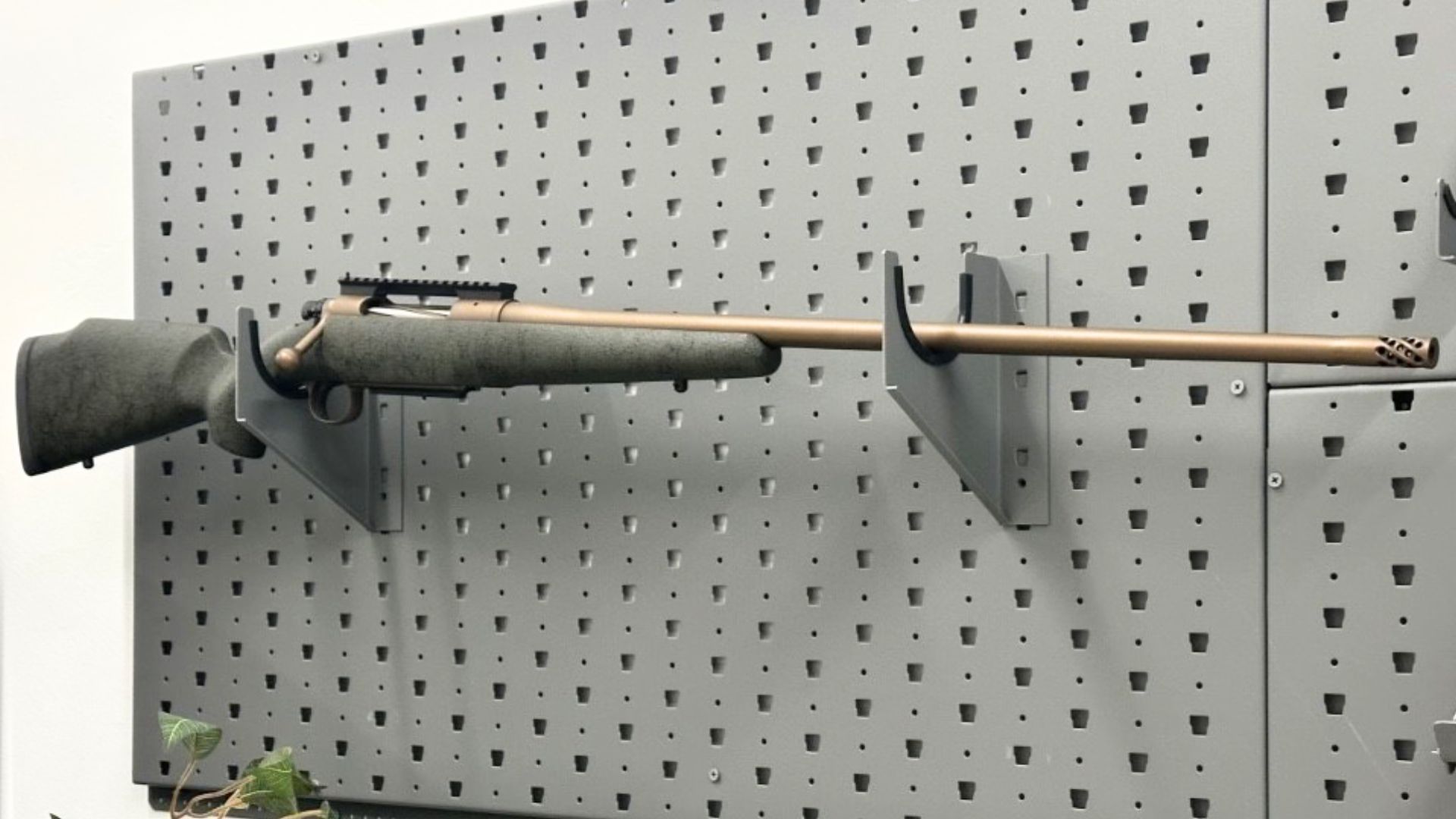
The Winchester Model 52 is a rimfire rifle that can make a lot of newer .22s feel unserious. It was built as a target rifle, and it shows in the weight, trigger, sighting setup, and overall precision. This wasn’t a casual plinker dressed up to look accurate. It was a rifle meant for shooters who cared about clean holes and repeatable results.
Modern rimfires can be excellent, especially with today’s barrels and chassis systems, but the Model 52 still has a level of old-school quality that stands out. The action feels smooth, the rifle sits steady, and the trigger can be excellent when properly set up. It’s the kind of gun that reminds you rimfire accuracy was taken seriously long before every rifle needed a rail and a threaded muzzle.
Browning Superposed
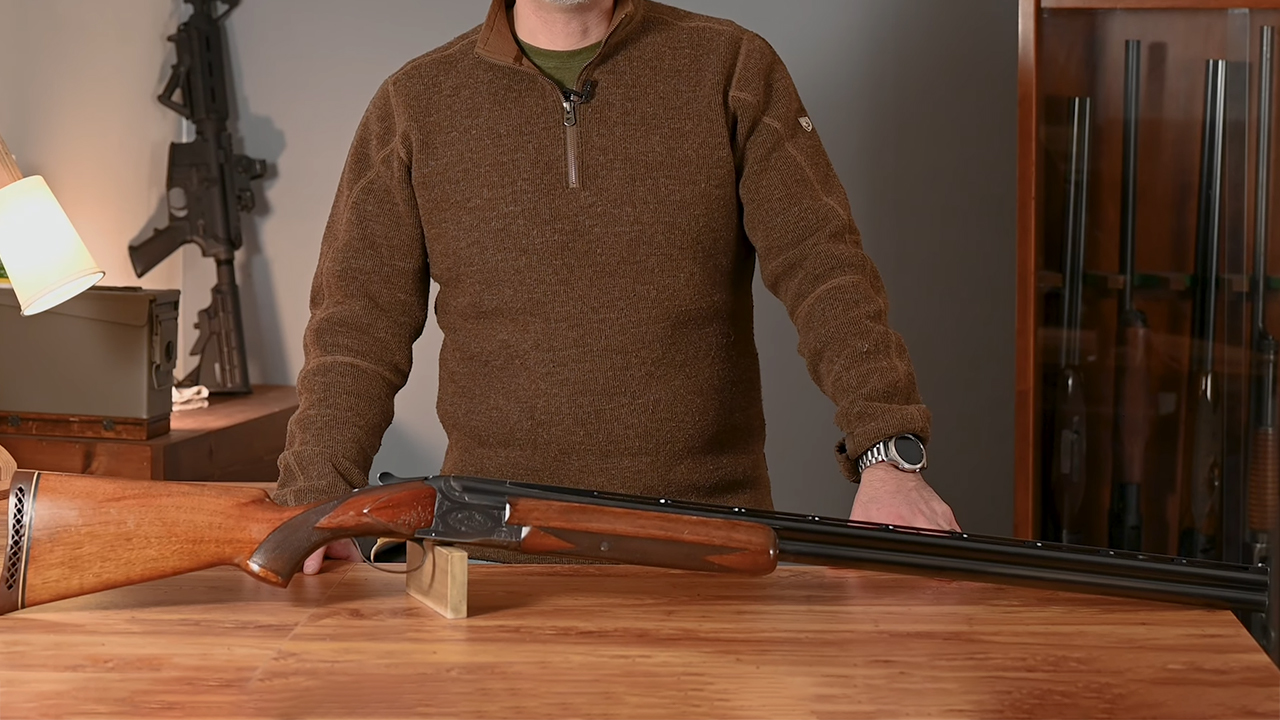
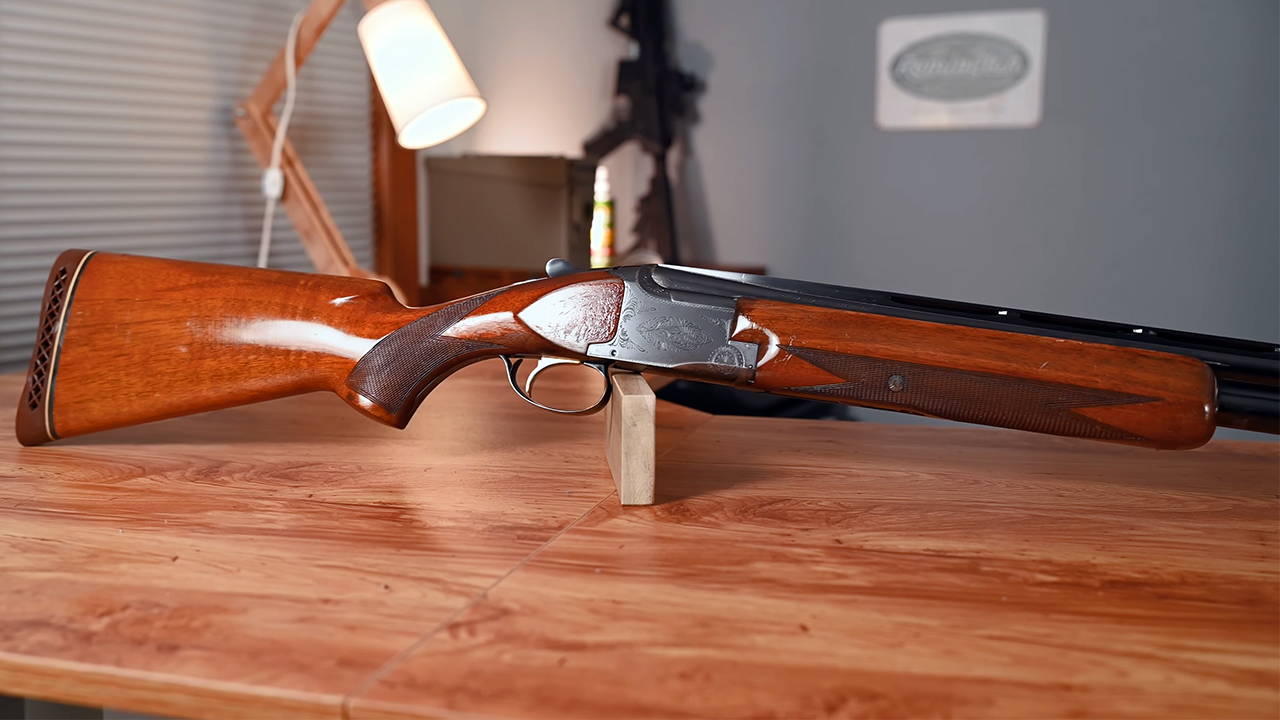
The Browning Superposed is one of those shotguns that makes the word “modern” feel a little overrated. It was John Browning’s final firearm design, and good examples still carry themselves with a balance and fit that many newer over-unders struggle to match at sane prices. It feels like a shotgun built around the shooter, not around cutting cost.
A Superposed points naturally, swings cleanly, and has the kind of mechanical feel that comes from careful manufacturing. Plenty of modern over-unders work fine, but some feel stiff, bulky, or lifeless by comparison. The Superposed has a way of showing what field and clays shotguns used to feel like when fit, balance, and durability mattered more than making the gun look new every few years.
Smith & Wesson Model 41

The Smith & Wesson Model 41 is an older rimfire pistol that still makes many modern .22 handguns feel like toys. It was built for target shooting, and that purpose shows the second you hold one. The grip, sights, trigger, and balance all work together in a way that makes accurate shooting feel natural.
Modern rimfire pistols can be lighter, cheaper, and easier to mount optics on, but the Model 41 still has the kind of refinement that’s hard to fake. It rewards fundamentals and makes range practice feel serious. A good one doesn’t need much dressing up. It shoots well because it was built to shoot well, and that’s a different thing than being built to hit a price point.
Ithaca Model 37
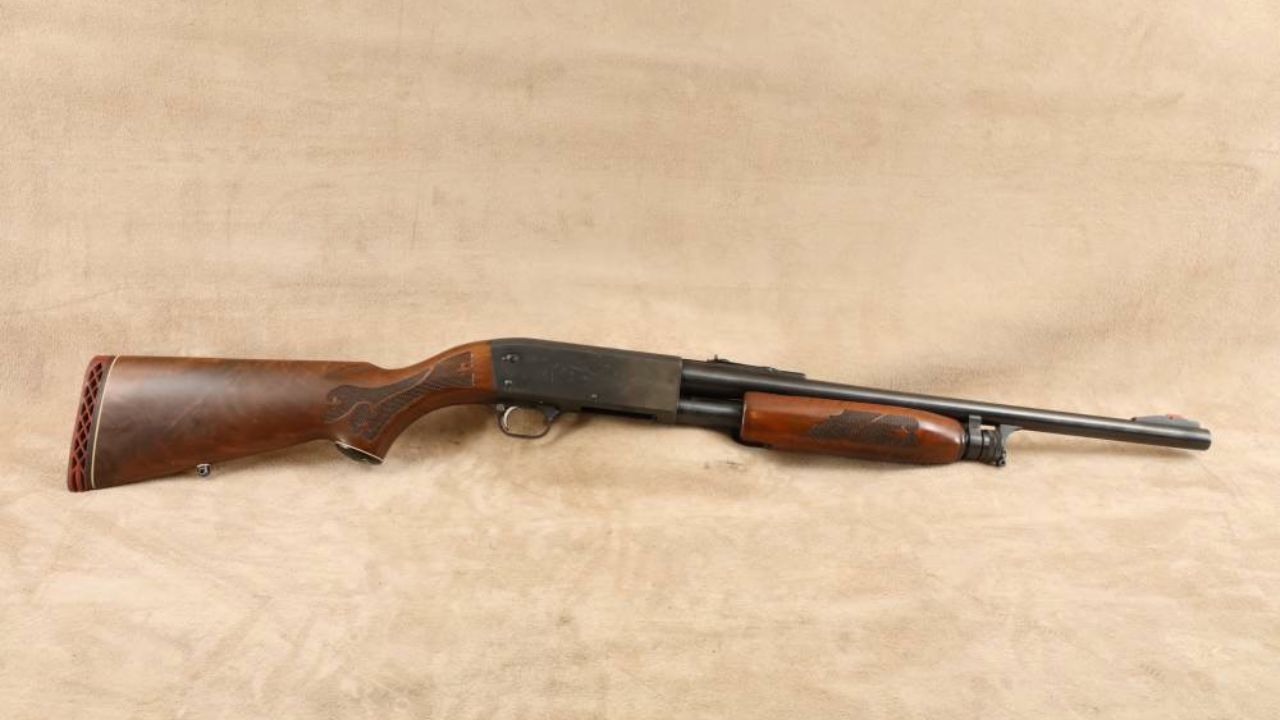
The Ithaca Model 37 is a pump shotgun that still embarrasses newer pumps in handling. It’s light, slick, and simple in a way that matters once you’ve carried one through a long day in the field. The bottom-eject design also makes it friendly for left-handed shooters, which is something plenty of modern designs still don’t handle as cleanly.
A good Model 37 has a fast, lively feel that many newer pumps can’t quite duplicate. Some modern shotguns may be cheaper or easier to accessorize, but they often feel rougher and less balanced. The Ithaca was built as a working shotgun, and it carries like one. For upland birds, small game, and general field use, it still makes a strong case for itself.
Remington Model 721

The Remington Model 721 doesn’t get the same attention as the Model 700, but it deserves more respect than it gets. It was plain, strong, and accurate enough to help set the stage for Remington’s later bolt-action success. It didn’t have fancy lines or luxury finish, but it had the important stuff right.
What makes the 721 interesting now is how honest it feels. It was built as a serious hunting rifle, not a lightweight disposable tool. The action is strong, the rifles often shoot well, and the whole package has a no-nonsense quality that plenty of modern entry-level rifles lack. It may look basic, but it can still do the work that matters most in the deer woods.
Colt Gold Cup National Match

The Colt Gold Cup National Match is a reminder that old-school target pistols had a different kind of appeal. It wasn’t about capacity, compactness, or accessory mounting. It was about a clean trigger, good sights, proper fit, and making the .45 ACP 1911 platform shoot as well as regular shooters could realistically appreciate.
A good Gold Cup still feels special on the range. The trigger is the star, but the balance and recoil impulse matter too. Modern 1911s can be excellent, and some are built tighter than older Colts. Still, the Gold Cup has a feel and history that many newer pistols chase. It can make a basic modern handgun feel crude once you settle in and start shooting groups.
Sako Finnbear L61R

The Sako Finnbear L61R is one of those older hunting rifles that shows what production rifles could be when fit and finish mattered. It has a smooth action, good trigger, strong accuracy reputation, and a level of polish that stands out against many modern rifles in the same general role.
Hunters who have handled one understand the difference fast. The Finnbear feels refined without being fragile. It carries like a serious hunting rifle and shoots like something made by people who cared about more than cost control. Modern rifles may be lighter and more weatherproof, but the Sako has a quality feel that doesn’t need explaining once the bolt is worked.
High Standard Supermatic Citation
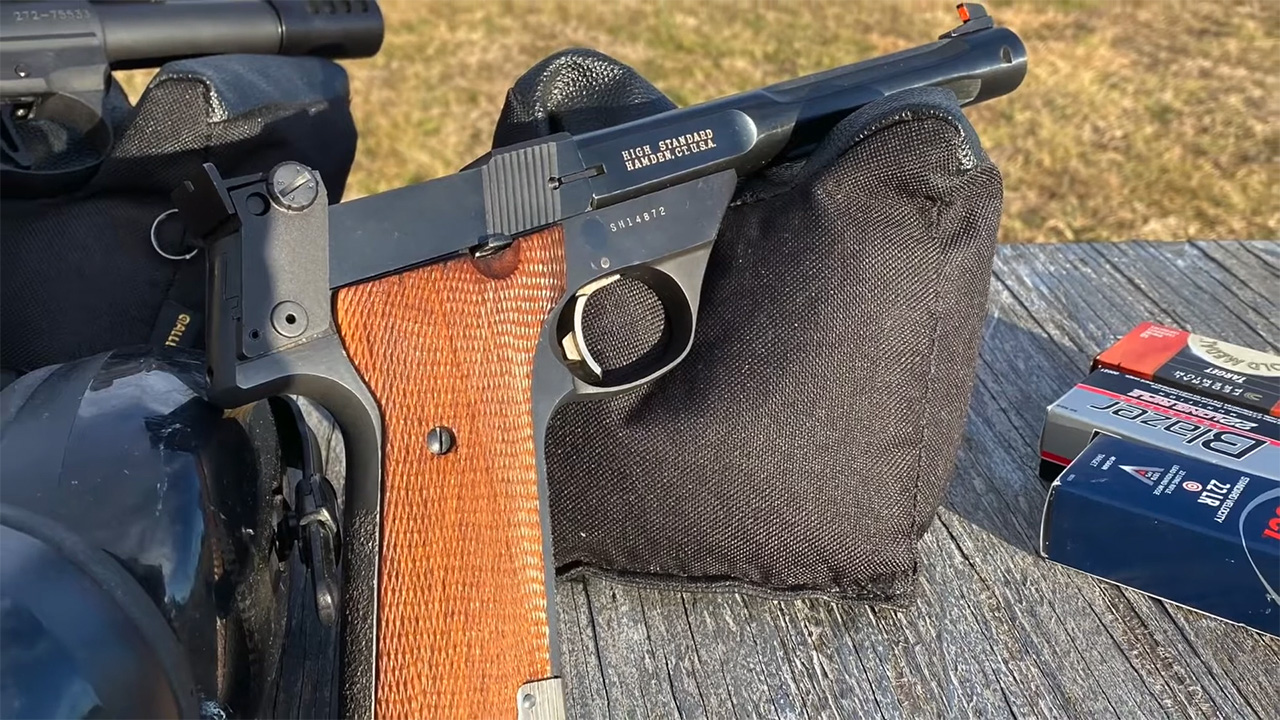
The High Standard Supermatic Citation is another older .22 pistol that can embarrass newer rimfire options quickly. It was built for target shooters, and the design reflects that. The grip angle, trigger, barrel options, and balance all helped it earn a loyal following among people who cared about precision.
Today, many rimfire pistols are sold as casual trainers or suppressor hosts. That’s fine, but the Supermatic Citation came from a time when a .22 pistol was expected to shoot like a serious target gun. A good example still feels crisp and deliberate. It may need more care than a cheap modern plinker, but in terms of pure shooting quality, it still holds its own.
Savage Model 110

The older Savage Model 110 never had the prettiest reputation, but it could shoot. That’s the part that matters. For years, Savage rifles were seen as plain working guns, not high-status hunting rifles. Then people kept noticing that they grouped well and gave hunters accuracy without a luxury price.
Modern rifles owe a lot to that value-driven accuracy mindset, but older 110s still deserve respect. The barrel nut system made them practical and consistent, and the design proved that a rifle didn’t have to look fancy to perform. Some newer rifles have better stocks, better triggers, and cleaner lines, but a good old 110 can still make them sweat on paper.
Beretta 81
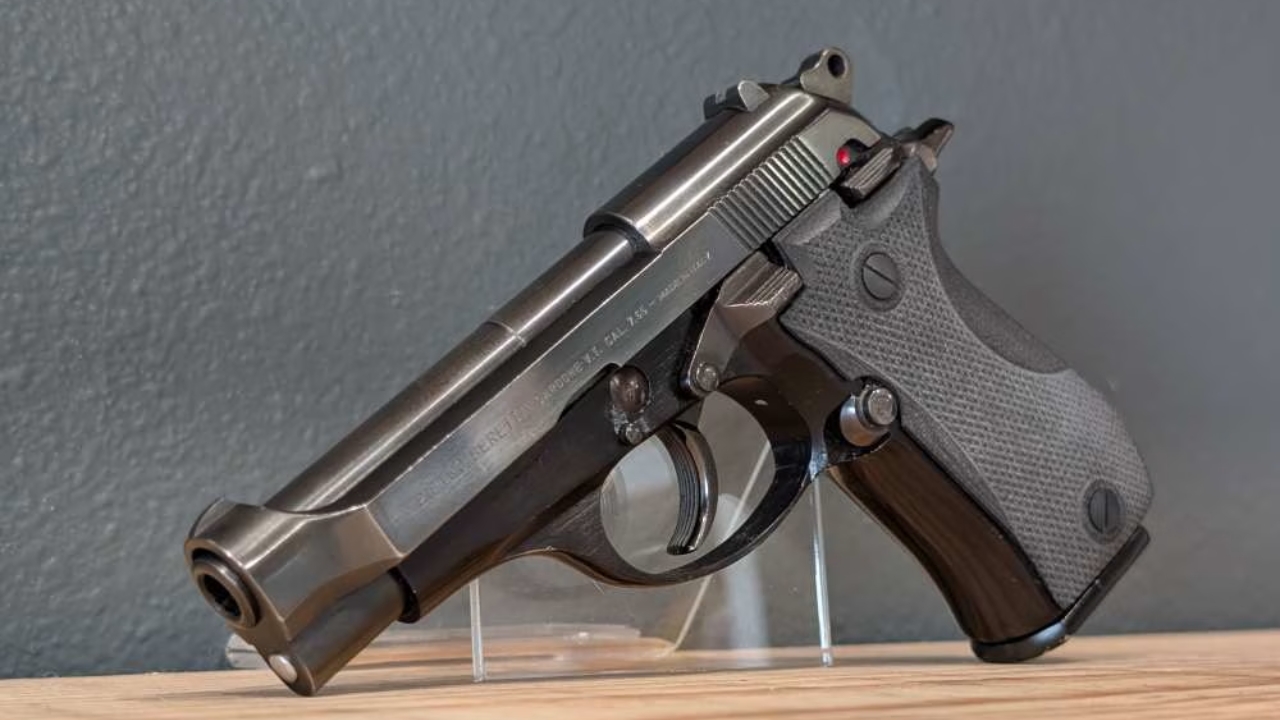
The Beretta 81 is a compact .32 ACP pistol that doesn’t look like it should embarrass anything modern. It’s not powerful by today’s defensive standards, and it isn’t tiny compared with newer pocket pistols. But as a shooter’s pistol, it has a level of quality and control that a lot of newer small guns don’t offer.
The appeal is in how pleasant and accurate it can be. The recoil is mild, the grip is comfortable, and the pistol feels like a real firearm instead of a last-ditch compromise. Modern micro pistols are more practical for many carry roles, but they can be snappy and unpleasant. The Beretta 81 reminds shooters that small pistols used to be built with shootability in mind, not just concealment.
Winchester Model 61
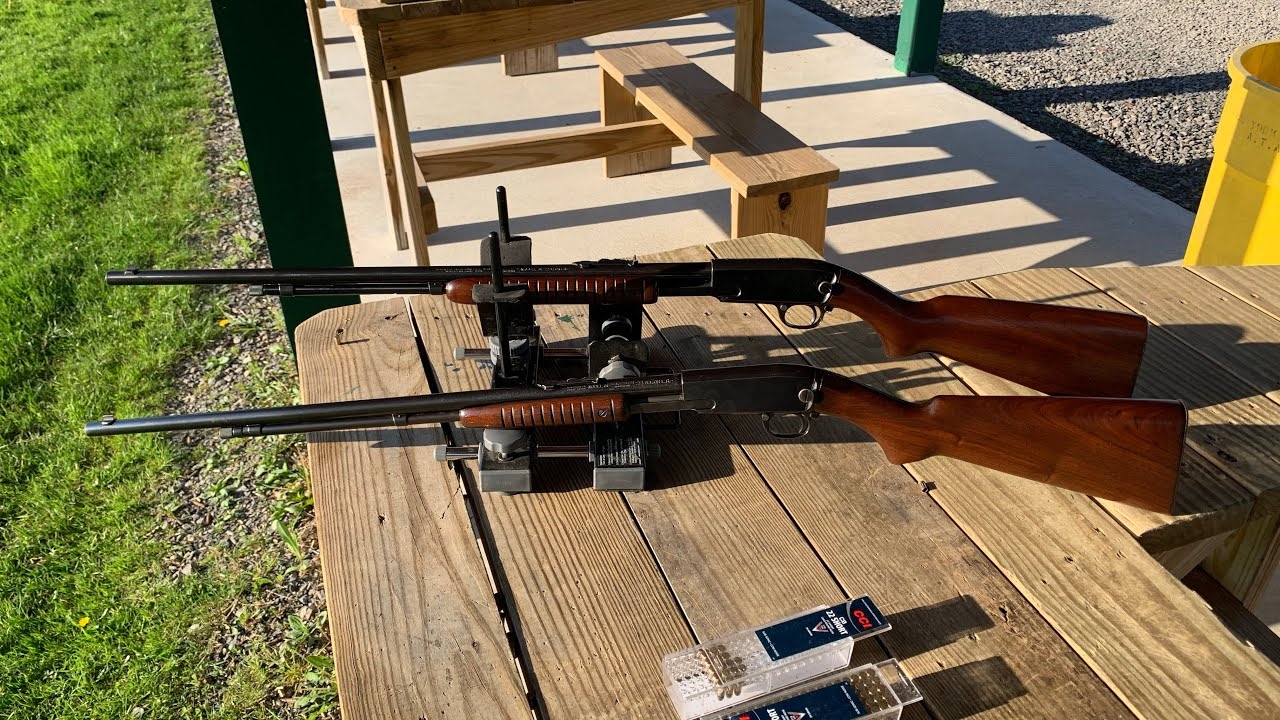
The Winchester Model 61 is a pump-action rimfire that still feels better than most modern .22s built for casual use. It has a smooth action, classic lines, and a solid feel that makes cheap rimfires feel very cheap in comparison. This was a rifle built when even a .22 could get real attention from the factory.
For small game, plinking, and pure range enjoyment, the Model 61 still makes sense. It cycles smoothly, points well, and carries the kind of charm that comes from actual quality rather than decoration. Newer .22s may accept optics more easily and cost less to produce, but few have the same old Winchester feel. That kind of rifle makes a person slow down and enjoy shooting again.
FN FAL

The FN FAL is heavy, long, and dated compared with today’s lighter .308 semi-autos, but it still has a reputation that modern rifles can’t just talk their way into. It served around the world for a reason. The rifle is rugged, powerful, and built with the kind of battle-rifle presence that makes many newer guns feel a little too delicate.
It’s not the easiest rifle to scope, and it’s not the best choice for everyone. But when you judge it as a fighting rifle from its era, the FAL still holds up. The adjustable gas system, solid construction, and real-world service history give it credibility. A lot of modern rifles are more convenient. Not all of them feel more trustworthy.
Remington Model 788

The Remington Model 788 was supposed to be the budget rifle, but it ended up earning a reputation for accuracy that embarrassed more expensive guns. It had a rear-locking bolt, plain styling, and a no-frills design that didn’t look impressive in the rack. Then hunters and shooters found out many of them could flat-out shoot.
That’s why the 788 still gets respect. It gave working hunters a rifle that didn’t cost much but performed where it counted. The detachable magazines can be expensive now, and the rifle has its quirks, but its accuracy reputation didn’t come from nowhere. A good 788 can still make modern bargain rifles look like they’re trying too hard to do what this old Remington did quietly decades ago.
Like The Avid Outdoorsman’s content? Subscribe to our newsletter so you never miss an article.
Here’s more from us: