Photo credit: The Gun Dungeon/YouTube
Some guns sell themselves before the first round ever leaves the barrel. They look right in the case, the price seems fair, the name sounds familiar, or the whole setup feels like it should solve a problem you had in mind. Then you get to the range and realize the gun that made sense under fluorescent lights feels a lot less convincing with live ammo in it.
That first range trip tells you things a counter never will. A trigger that felt fine dry can feel awful under recoil. A grip that seemed comfortable can start biting your hand. A pistol that looked easy to carry can be miserable to shoot. A rifle that promised accuracy can feel cheap, rough, or picky. These are the guns buyers often regret once the first box of ammo exposes the truth.
Taurus Curve

The Taurus Curve looked like the kind of pistol people wanted to handle just because it was different. The curved frame, built-in aiming system, and unusual carry concept made it stand out from every normal pocket .380 in the case.
Then the range trip happened. The odd shape that looked clever on paper did not make the pistol easier to shoot well. The grip felt strange, the sights were not traditional, and the whole gun made basic practice feel more awkward than it needed to be. A carry gun can be unconventional if it works better. The Curve mostly reminded buyers that weird does not automatically mean useful.
Remington R51
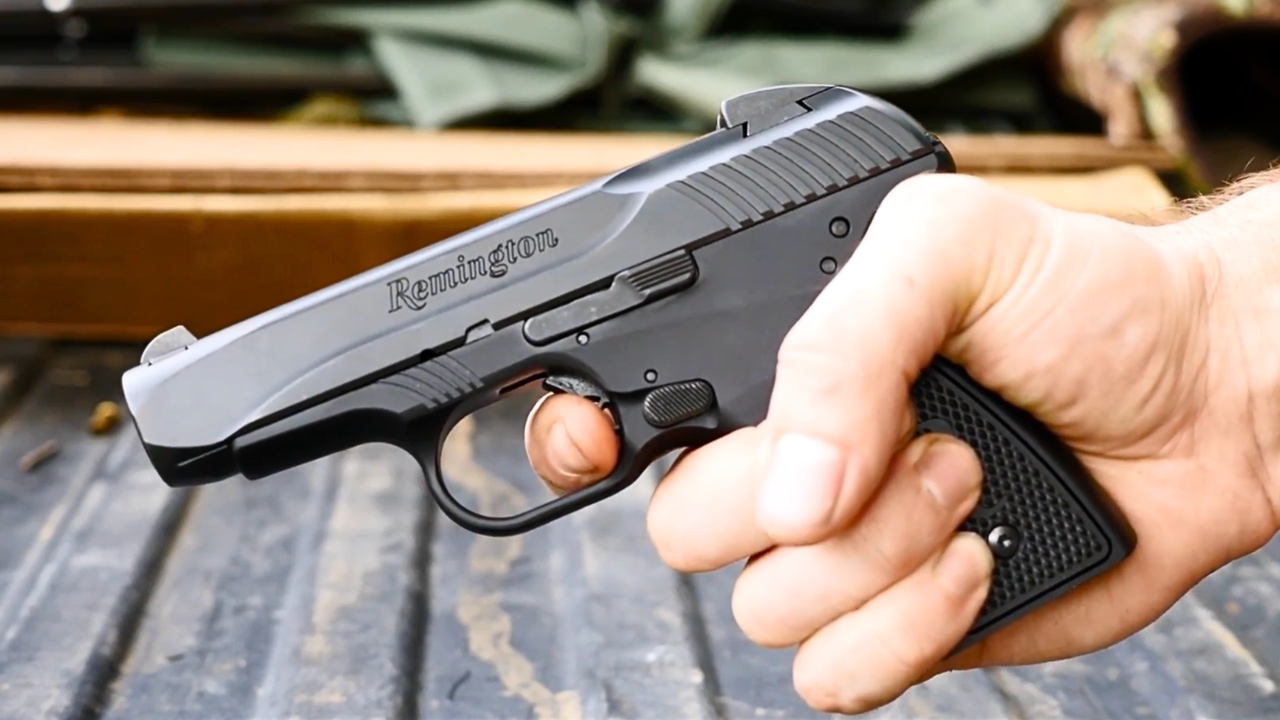
The Remington R51 had a comeback story that sounded great. A famous brand, a revived design, slim 9mm profile, and a promise of soft recoil made it feel like a smart alternative to the usual striker-fired carry pistols.
For many buyers, the first range trip killed the excitement fast. Feeding problems, rough cycling, uncomfortable recoil characteristics, and a general lack of confidence became hard to ignore. Even later examples could not fully escape the reputation the early guns created. A defensive pistol has to earn trust quickly, and the R51 often did the opposite. It looked interesting until live fire made buyers wish they had stayed boring.
Kimber Solo

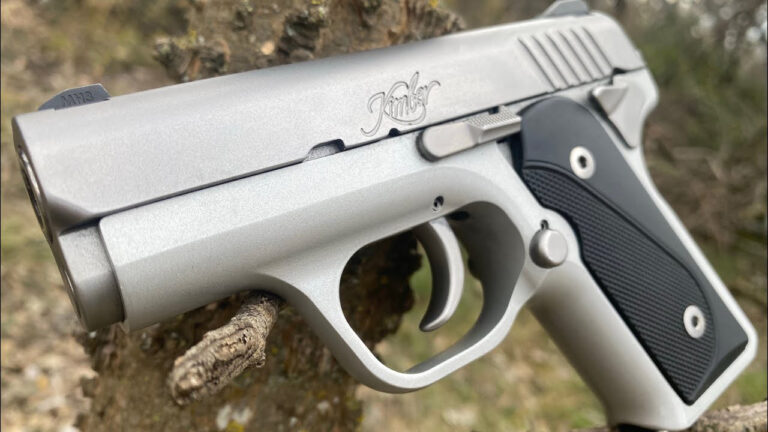
The Kimber Solo had showroom appeal. It was small, sleek, nicely finished, and carried the Kimber name at a time when many buyers wanted a premium micro 9mm. It felt like a classier answer to pocket carry.
The problem was that small carry guns have to run and shoot well, not simply look expensive. The Solo could be ammunition-sensitive, sharp in the hand, and less forgiving than buyers expected. A pistol that needs the right load, the right grip, and the right mood is hard to love after the first frustrating range session. Many buyers went home wondering why a gun that felt premium also felt so hard to trust.
SCCY CPX-2

The SCCY CPX-2 attracts buyers with a low price, small size, and decent capacity. For someone looking for an affordable carry gun, it can seem like a practical answer before they have put rounds through it.
At the range, the long heavy trigger and snappy feel change the conversation. Newer shooters especially can struggle to keep groups tight, and even experienced shooters may find it tiring compared with better compact pistols. A carry gun should make practice easier, not give you reasons to avoid it. The CPX-2 can work, but many buyers realize quickly that saving money up front can cost them confidence later.
KelTec PF9

The KelTec PF9 made sense during the early years of thin 9mm carry pistols. It was light, flat, affordable, and easy to conceal. That combination got plenty of buyers to take it home.
The first range trip often made the compromise obvious. The recoil was sharp, the trigger was not especially friendly, and the pistol could feel unpleasant after only a few magazines. It was designed around carry convenience more than range comfort, and that showed fast. Some owners accepted it as a tool, but others regretted buying a gun they did not actually want to practice with. Thin and light stops sounding great when every shot feels like work.
Smith & Wesson Bodyguard .380

The Bodyguard .380 looks like an easy little carry pistol. It is small, light, and backed by a major brand. For pocket carry or deep concealment, it seems like a safe choice.
Then buyers shoot it and realize tiny pistols demand a lot. The long trigger, small sights, and sharp little recoil impulse can make accuracy harder than expected. It is not that the Bodyguard cannot serve a purpose. It is that many people buy one expecting simple confidence, then discover it takes real practice to shoot well. The gun is easy to carry, but the first range trip reminds you that easy to carry is not the same as easy to run.
Ruger LCP
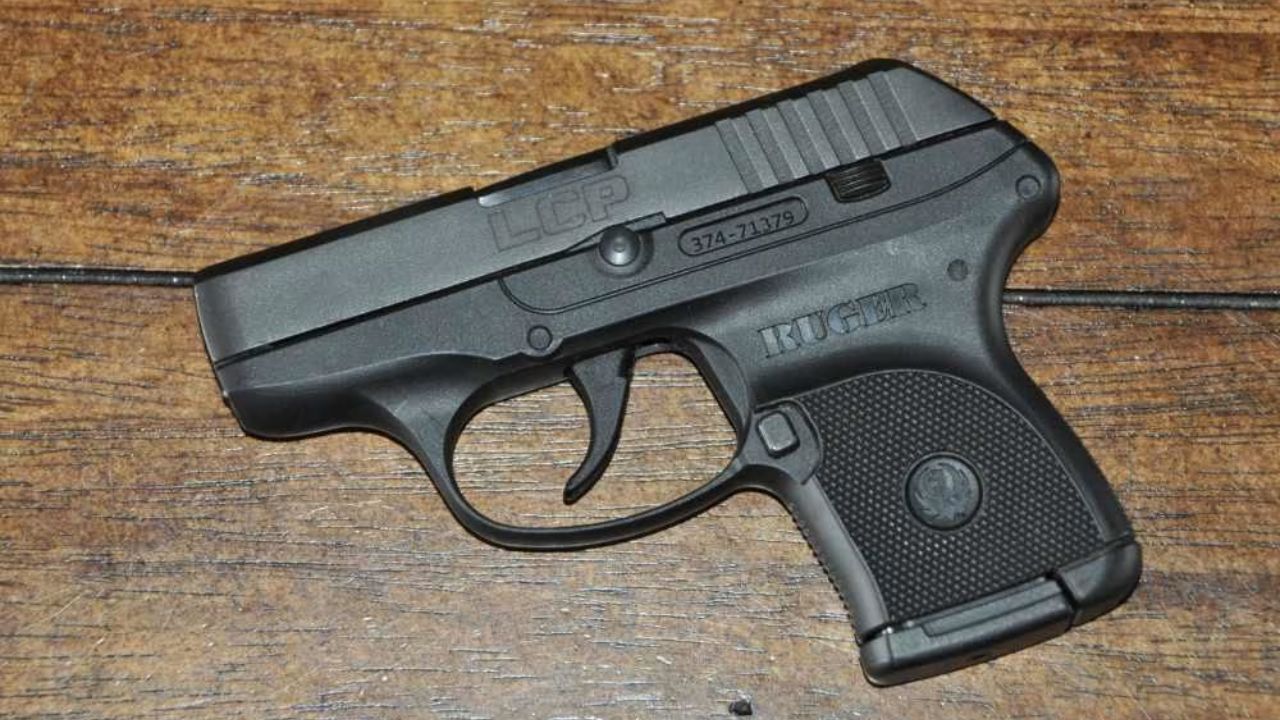
The original Ruger LCP earned its place because it was so easy to carry. It practically disappeared in a pocket, which is exactly why so many people bought one. On paper, that kind of convenience is hard to argue with.
The range is where buyers learned the price of that convenience. The tiny grip, minimal sights, long trigger, and sharp recoil made it a pistol most people practiced with only because they had to. It was not built to be fun, but some buyers still felt surprised by how unpleasant it could be. The LCP works as a deep-concealment tool, but the first range trip has humbled plenty of owners.
Glock 29

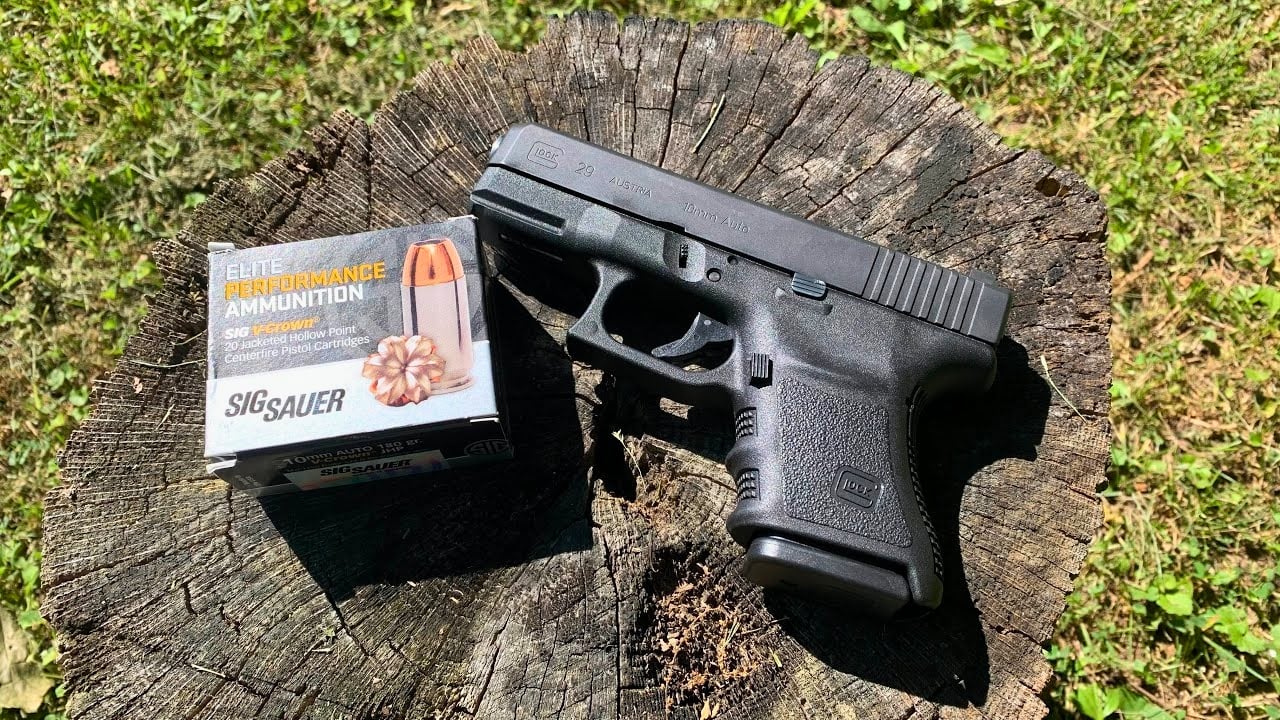
The Glock 29 sounds great if you want serious power in a compact semi-auto. A 10mm Glock with real capacity and a carryable footprint has obvious appeal, especially for woods carry or people who like powerful defensive pistols.
Then you actually shoot full-power 10mm through it. The grip is thick, recoil is stout, and follow-up shots take more work than many buyers expected. It is not a bad gun at all, but it is easy to buy for the idea and regret the reality. A compact 10mm is a specialized tool. The first range trip often separates people who truly need one from people who liked how impressive it sounded.
Smith & Wesson 340PD
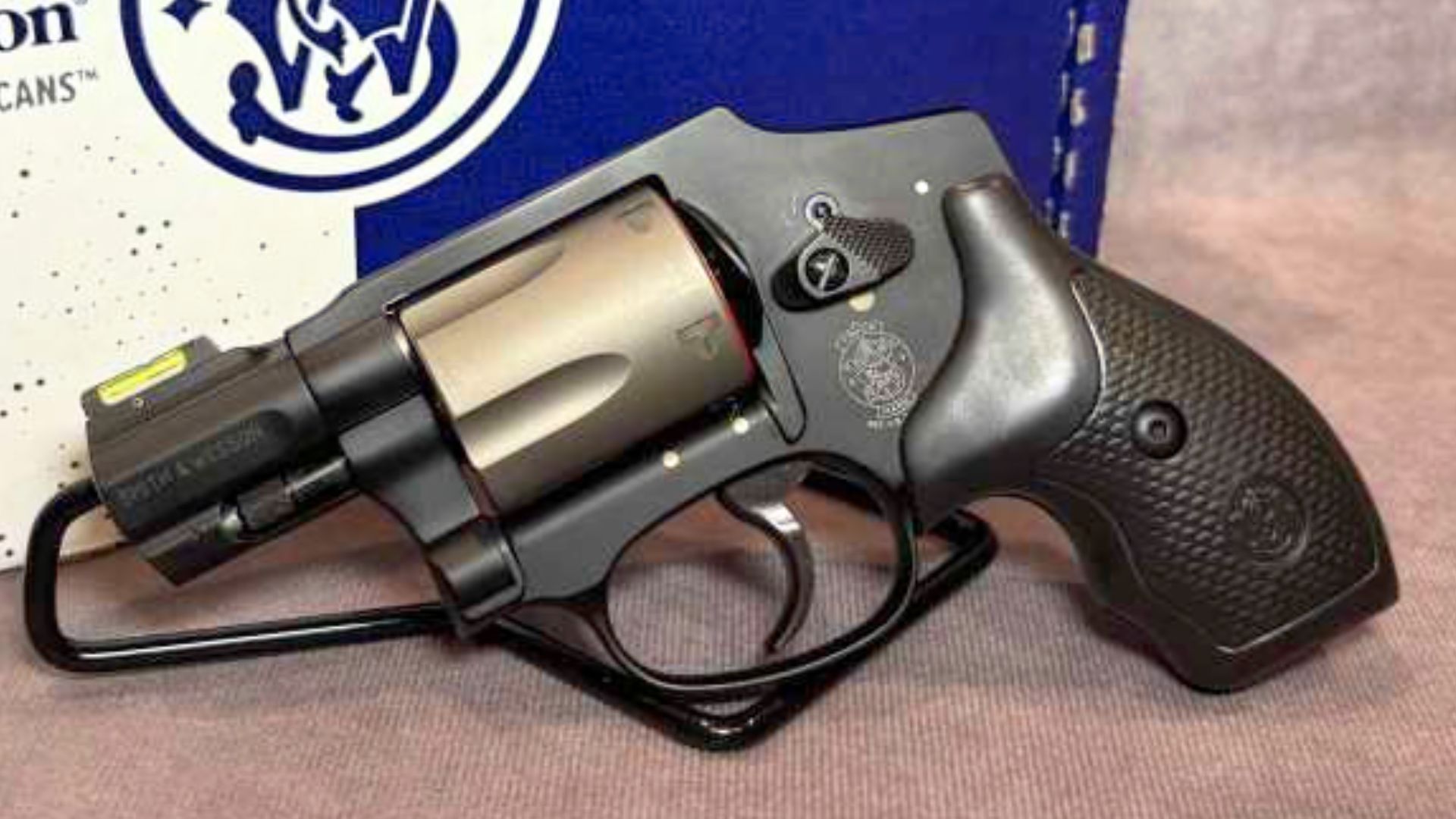
The Smith & Wesson 340PD is one of the easiest guns to admire before firing. It is incredibly light, chambered for .357 Magnum, and built for serious carry. It feels like a perfect “always have it” revolver.
With full-power magnums, though, it can be brutal. The recoil, blast, and hand slap are enough to make many owners load it with .38 Special after one range session. Mechanically, it is a clever revolver. Practically, it is a reminder that ultra-light carry guns can be miserable to train with. Buyers often do not regret the concept. They regret assuming something that light would still be comfortable with magnum ammunition.
Taurus Judge

The Taurus Judge has a huge amount of counter appeal. The idea of a revolver that fires .45 Colt and .410 shotshells sounds versatile, intimidating, and fun. A lot of buyers imagine it solving several problems at once.
The first range trip tends to make the limitations clearer. Patterns can be underwhelming, recoil varies wildly by load, accuracy with some ammunition can disappoint, and the gun is bulky for what it actually delivers. It is fun in a novelty way, and some owners still love it for that. But buyers who expected a do-everything defensive powerhouse often walk away realizing it is more specialized than the marketing made it sound.
Desert Eagle Mark XIX

The Desert Eagle Mark XIX is one of the most tempting guns in any display case. It is huge, famous, powerful, and instantly recognizable. A lot of buyers know it is impractical and still want the experience.
Then the experience gets expensive and awkward quickly. The gun is heavy, ammunition costs add up fast, and the grip size is not friendly to everyone. It can be fun, but it is also a lot of gun to manage for a range toy. Some buyers finish the first outing smiling. Others realize they bought a conversation piece they may not shoot often. The Desert Eagle rarely disappoints quietly. It makes the regret loud.
Mossberg 464 SPX
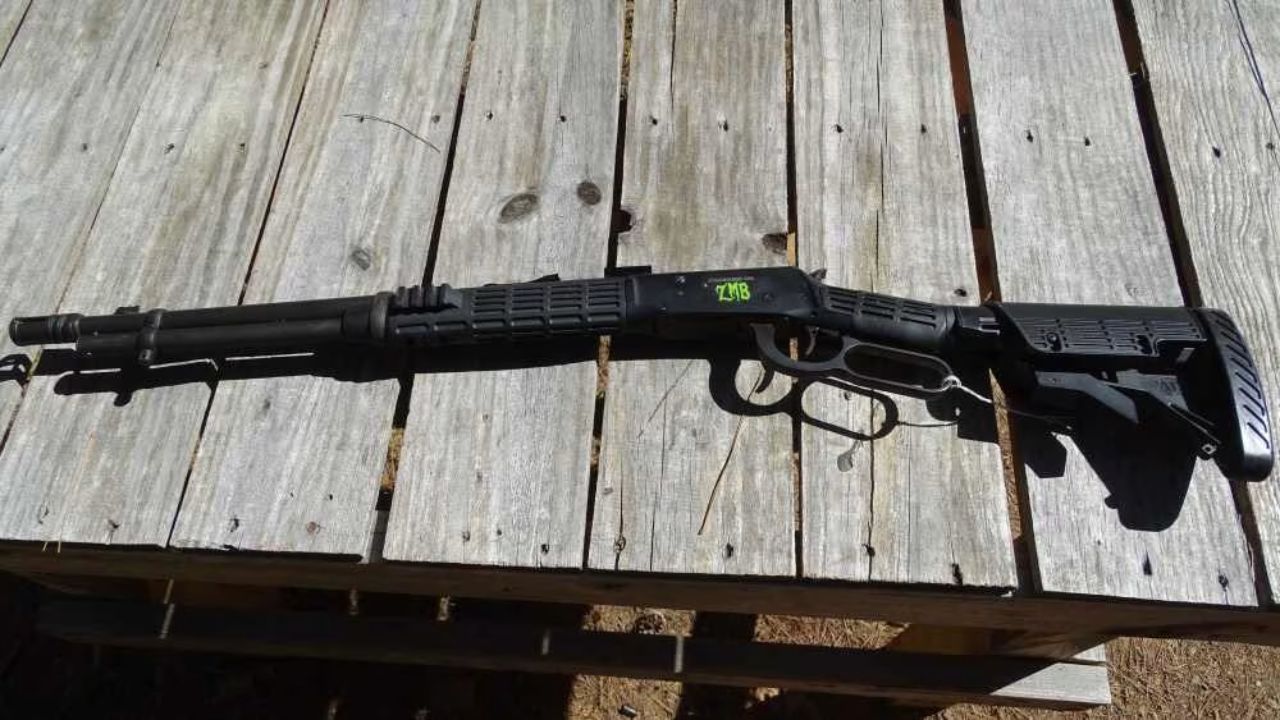
The Mossberg 464 SPX looked like a lever gun dragged into the tactical aisle. Rails, black furniture, and modern styling gave it a strange appeal to buyers who wanted something different from a classic .30-30.
At the range, many shooters realized the mashup did not make the rifle better. The added bulk and styling did not improve what lever guns already do well, and it lacked the clean handling charm of a traditional carbine. A plain lever-action feels quick, handy, and honest. The SPX version could feel like it was trying too hard. Buyers who wanted practical usually wished they had gone traditional.
Remington RP9

The Remington RP9 entered a crowded striker-fired 9mm market with a familiar brand name behind it. Capacity was good, the price was approachable, and some buyers hoped Remington had finally built a serious modern handgun.
The first range trip could be sobering. The pistol felt large, the trigger did not impress many shooters, and the overall handling failed to stand out in a market full of better choices. It was not enough for the RP9 to simply exist. Glock, Smith & Wesson, SIG, Walther, CZ, and Ruger had already raised expectations. Buyers who expected a comeback pistol often found a gun that felt late, plain, and forgettable.
Springfield Armory XD-E

The Springfield XD-E seemed interesting because it offered a hammer-fired carry pistol in a world full of striker guns. For buyers who liked double-action/single-action pistols, it looked like a rare modern option in a slim package.
The range trip often exposed the problem. The trigger system took adjustment, the gun was not as small-feeling as some expected, and it arrived just as higher-capacity micro-compacts were changing the carry market. It was not useless, but it felt like a niche answer. Some buyers liked the idea more than the shooting experience. That is when regret starts: when a gun’s concept is stronger than its performance in your hands.
Savage Axis

The Savage Axis can look like a smart buy because it is affordable and often accurate enough from the bench. For a new deer rifle, that seems like all a buyer really needs.
Then the first range trip shows the rough edges. The stock feels hollow, the bolt can feel clunky, and the overall rifle may not inspire much confidence even when the groups are acceptable. Accuracy matters, but so does how a rifle feels when you load it, cycle it, shoulder it, and shoot from real positions. The Axis can absolutely work, but many buyers leave the range understanding why it costs less. Cheap groups do not always equal long-term satisfaction.
Like The Avid Outdoorsman’s content? Be sure to follow us.
Here’s more from us: