Photo credit: GUN MAN/YouTube
Some calibers get ignored because they are not loud enough in the gun-counter argument. They are not the fastest, newest, hardest-hitting, or most talked-about option online. They just work quietly in the roles they were built for, which is usually why experienced shooters keep coming back to them.
The overlooked calibers are often the ones that do not need much drama. They shoot accurately, recoil reasonably, kill cleanly when matched to the right game, or make practice easier. They may not win every chart, but they make a lot more sense once you stop chasing numbers and start thinking about real use.
.22 WMR

The .22 WMR gets overlooked because people either jump down to .22 LR or up to centerfire varmint rounds. That leaves the little magnum sitting in the middle, where it is easy to underestimate.
In the field, that middle ground is useful. It hits harder than .22 LR, shoots flatter, and carries well in small rifles and handy revolvers. For farm use, small predators, raccoons, pests, and light trail carry, .22 WMR makes sense. It is not a deer cartridge and should not be treated like one, but inside its lane, it is more capable than people give it credit for.
.32 H&R Magnum

The .32 H&R Magnum never got the attention it deserved because most revolver shooters were already focused on .38 Special, .357 Magnum, or later .327 Federal Magnum. It became the quiet option in a loud crowd.
That is a shame because .32 H&R is pleasant, accurate, and useful in small revolvers. It gives more punch than .22 or .32 Long without the bark and recoil of heavier defensive revolver rounds. For shooters who want a controllable carry or trail revolver, it has real appeal. It is one of those cartridges that makes more sense after you shoot it.
.327 Federal Magnum

The .327 Federal Magnum should get more respect than it does. It gives small revolvers serious velocity, flatter shooting, and often one extra round compared with similar-size .357 revolvers. On paper, that is a strong case.
The problem is ammo availability and market momentum. Shooters know .357, so they trust .357. But .327 Federal gives you a lot of flexibility because many revolvers can also fire .32 H&R Magnum, .32 S&W Long, and .32 S&W. That makes it more versatile than people realize. For a trail, carry, or small-game revolver, it deserves a harder look.
.38 Special

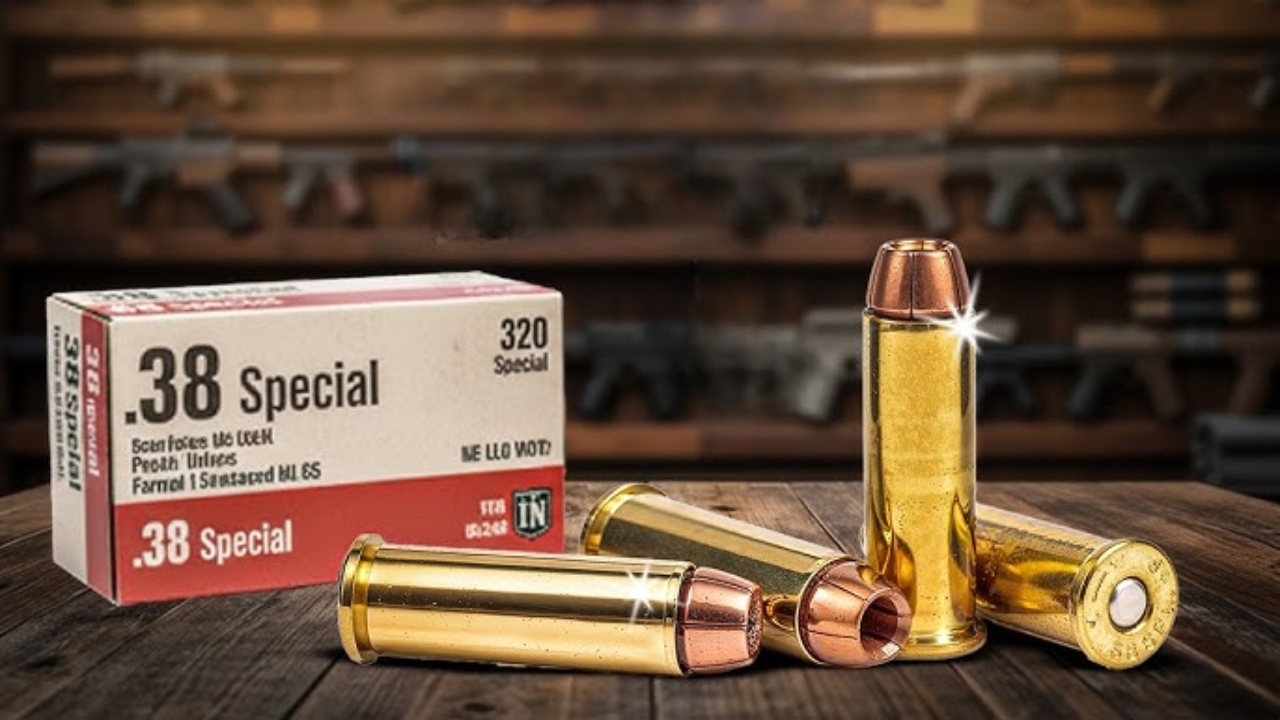
The .38 Special gets overlooked because people treat it like the weak older sibling of .357 Magnum. That misses why the cartridge lasted so long. It is easy to shoot, accurate, mild in recoil, and excellent for learning revolver fundamentals.
In a quality revolver, .38 Special still makes sense for practice, target work, and certain defensive roles with the right loads. It also keeps older service revolvers useful without beating them up. Not every handgun needs magnum force to be valuable. Sometimes a mild, accurate cartridge that people actually practice with is the smarter choice.
.41 Magnum
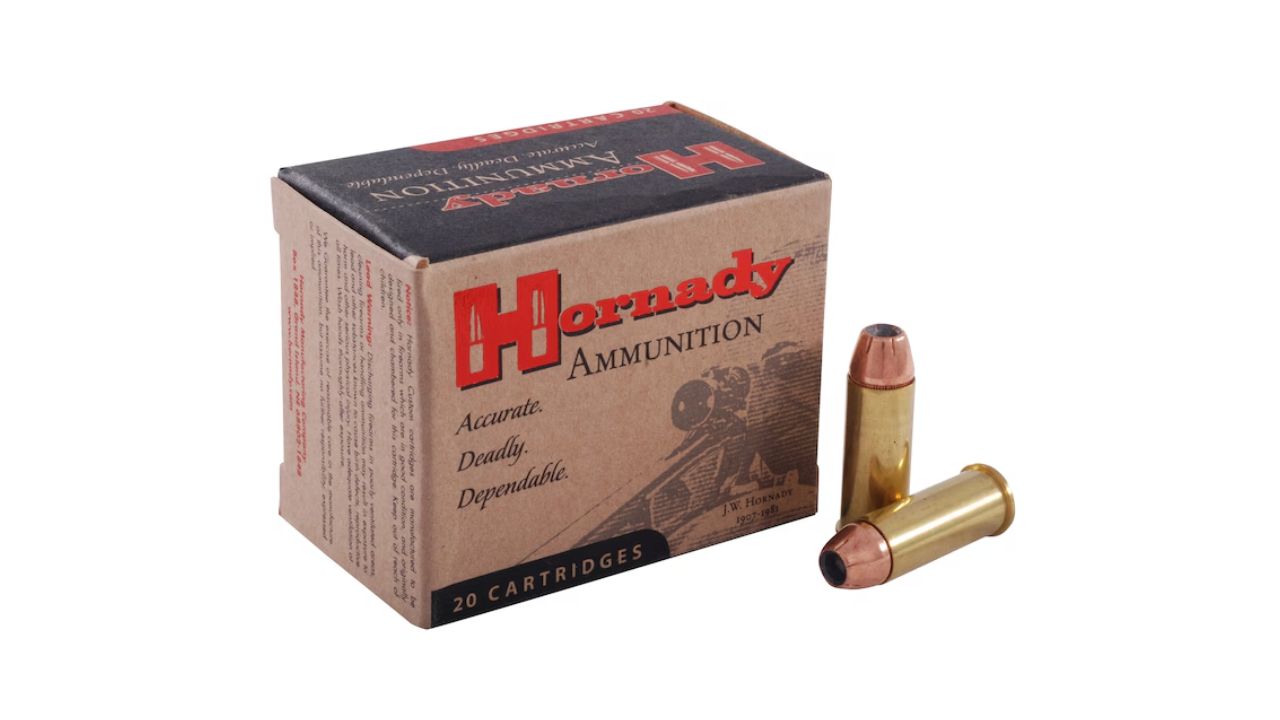
The .41 Magnum has spent its life stuck between .357 Magnum and .44 Magnum. That is exactly why people overlook it. It is not as common as either one, and it never built the same broad following.
But for handgun hunters and revolver fans, .41 Magnum is a serious cartridge. It hits harder than .357, shoots flatter and often recoils less sharply than heavy .44 loads, and has plenty of authority for deer-sized game in capable hands. The issue has always been popularity, not usefulness. If you handload, the .41 gets even more interesting.
10mm Auto

The 10mm Auto is talked about more now than it used to be, but plenty of shooters still overlook where it actually shines. They either treat it like a magic bear stopper or dismiss it as unnecessary compared with 9mm. Both views miss the middle.
A good 10mm semi-auto can be excellent for woods carry, hogs, black bear country, and outdoors use where capacity and power both matter. It gives more punch than common service rounds without forcing you into a big revolver. You still need the right ammo and a pistol that runs it well, but the cartridge has a real role.
.243 Winchester

The .243 Winchester gets overlooked because modern hunters love newer 6mm and 6.5mm cartridges. That has pushed the old .243 into the background, even though it still does a lot of jobs well.
For deer, antelope, coyotes, and younger or recoil-sensitive hunters, .243 remains a very practical choice. It shoots flat, recoils lightly, and works beautifully with the right bullets. It is not the cartridge I would choose for every big-game hunt, but inside its limits, it is clean and effective. A lot of hunters moved past it before they needed to.
.257 Roberts

The .257 Roberts is one of those cartridges that never deserved to fade as much as it did. It is mild, accurate, and excellent for deer and antelope when loaded properly. It does not kick hard, and it has a smooth field personality that is easy to like.
The problem is that it got overshadowed by faster, louder cartridges. The .25-06, .243, and later 6.5s all stole attention. But the Roberts still has a classy usefulness to it. In a good bolt rifle, it feels like a cartridge made for hunters who value placement, low recoil, and clean performance over bragging rights.
6.5×55 Swedish

The 6.5×55 Swedish has been doing useful work longer than most modern cartridge trends have existed. It gets overlooked because American shooters often gravitate toward newer 6.5s, especially the 6.5 Creedmoor.
That does not make the Swede any less capable. It is accurate, mild in recoil, and has a long history on deer, moose, and similar game when loaded appropriately. In modern rifles, it can be especially effective. It does not need hype because its reputation was built slowly. Shooters who know it tend to respect it deeply.
7mm-08 Remington

The 7mm-08 Remington is one of the best hunting cartridges that still gets ignored too often. It sits in a practical place between .243 and .308, giving hunters good bullet weight, mild recoil, and plenty of deer and elk capability with the right load.
It is especially good for hunters who want real performance without magnum punishment. The cartridge shoots flat enough, carries enough energy, and fits short-action rifles nicely. It may not sound exciting anymore, but it is one of those rounds that keeps making sense every time you actually hunt with it.
.280 Remington

The .280 Remington has always lived in the shadow of the .270 Winchester and .30-06. That is a tough place to gain attention, even when the cartridge itself is excellent.
What the .280 offers is balance. It shoots flat, handles a wide range of 7mm bullets, and brings serious big-game capability without stepping into magnum recoil. For deer, elk, and mixed hunting, it is one of the most sensible cartridges ever underappreciated. It never got the marketing push it deserved, but experienced riflemen know it was never lacking in the field.
.308 Winchester
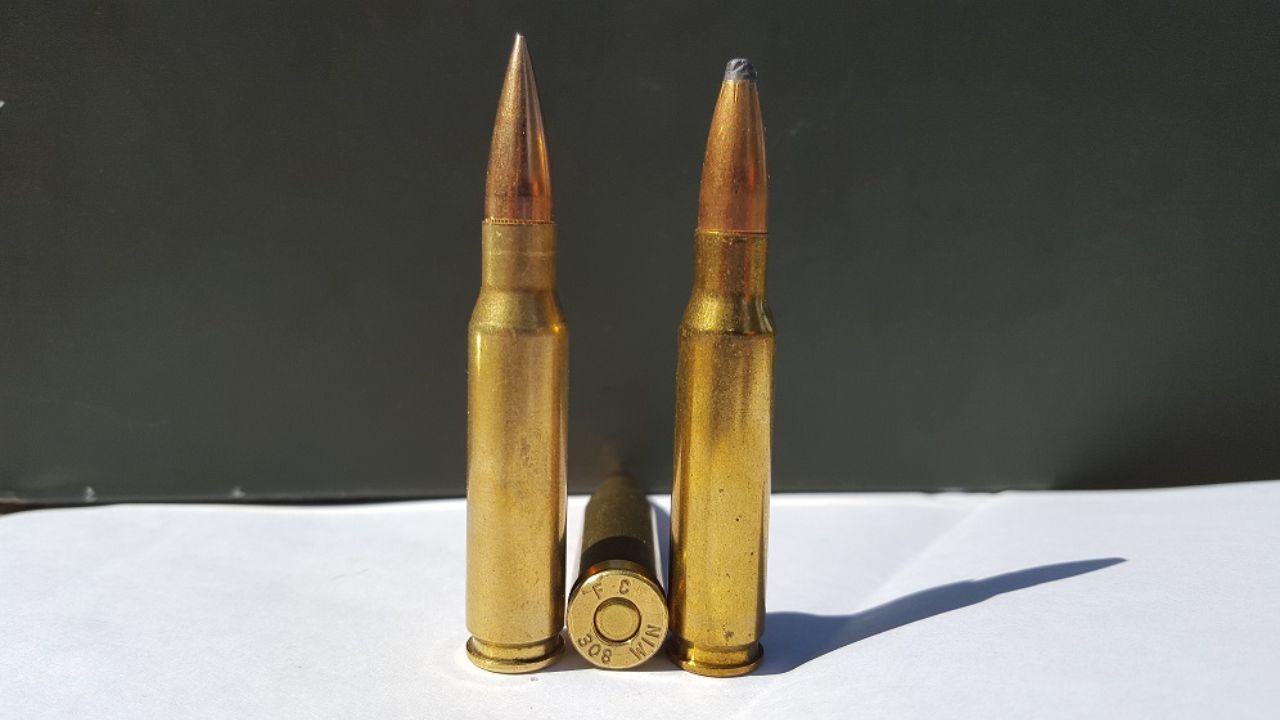
The .308 Winchester is common, but it still gets overlooked in a strange way. Shooters get so used to it that they stop respecting it. They chase flatter, faster, newer cartridges and forget how dependable .308 really is.
For normal hunting distances, practical precision, and general rifle use, .308 remains hard to beat. Ammo is widely available, barrel life is good, recoil is manageable, and the cartridge works in short-action rifles. It is not exotic, and that is the point. The .308 keeps proving that boring can be extremely useful.
.35 Remington

The .35 Remington gets overlooked because it is tied mostly to older lever guns and woods hunting. It does not look impressive on long-range charts, and that hurts it with shooters who judge everything by velocity.
Inside the timber, though, .35 Remington still has a strong argument. It hits with authority at close to moderate ranges and works well on deer and black bear when used properly. In a Marlin 336 or similar rifle, it feels like a cartridge built for real woods work. It is not flashy, but it has filled a lot of freezers.
.338 Federal

The .338 Federal never caught on the way it probably should have. It offers a lot of thump from a short-action rifle without stepping into true magnum recoil or long-action weight. That is a useful idea.
For hunters after deer, black bear, hogs, and elk at reasonable distances, .338 Federal makes plenty of sense. It throws heavier bullets than .308 while staying in a compact rifle platform. The downside is ammo availability, which is a real concern. But as a cartridge concept, it is far more practical than its popularity suggests.
.30-30 Winchester

The .30-30 Winchester gets overlooked because everyone knows it. That sounds strange, but familiarity can make a cartridge seem less capable than it is. Shooters chase newer rounds and forget how many deer this one has cleanly taken.
The .30-30 is not a long-range cartridge, and pretending otherwise is silly. But in woods ranges, from a handy lever gun, it remains useful, mild, and easy to carry. It points fast, recoils lightly, and does exactly what generations of hunters needed it to do. Overlooked does not always mean rare. Sometimes it means taken for granted.
Like The Avid Outdoorsman’s content? Be sure to follow us.
Here’s more from us: