Photo credit: The Avid Outdoorsman
The couple had finally gotten out of apartment life and bought their first house in rural North Carolina.
That alone tells you how excited they probably were. After eight years in an apartment, they finally had their own place, their own woods, and enough room to breathe a little. The property was not huge — about 2.5 wooded acres — but it backed up to a neighbor’s 75 acres, so most of the time it was quiet.
For a new landowner who was also interested in hunting, that had to feel pretty close to perfect.
In a Reddit post, the poster explained that his neighbor was an active hunter and also held concealed carry and safety classes on an outdoor range he had built. So gunshots in the area were not unusual. The poster was new to hunting himself, but he had spent time going out with his father-in-law and grandfather-in-law on their property, and he was excited to finally be able to hunt his own land.
That excitement did not last long.
Before he could even really get set up for rifle season, both he and the neighbor started having problems with trespassers. And not harmless “somebody walked through once” problems either. The signs started piling up in a way that made the whole situation feel intentional.
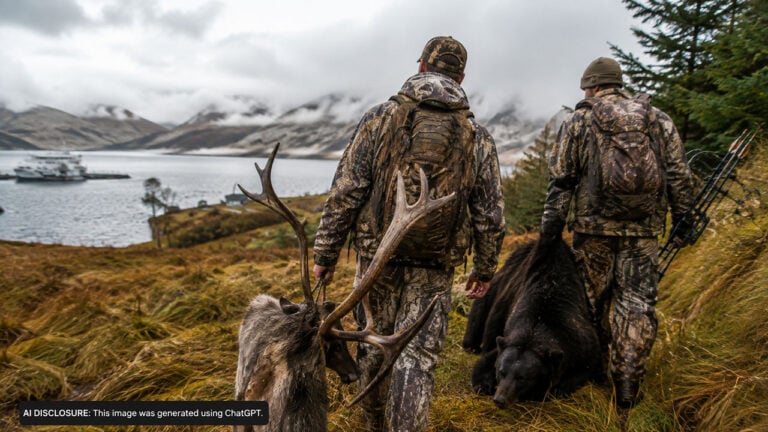
By December, they had pulled two dead deer out of the creek. One was a fawn. The other was a button buck. Both had been gut shot.
That is the kind of thing that would make any hunter sick. A bad shot can happen, but two young deer left dead in a creek near the property starts to look like somebody out there is shooting irresponsibly, not recovering animals, or just flat-out not caring what happens after the trigger pull.
Then there was the muzzleloader.
The poster said both he and the neighbor had heard what sounded like a muzzleloader firing at the break of dawn on several different occasions. The frustrating part was the timing. Whoever was doing it seemed to be shooting on weekdays when neither the poster nor the neighbor were out there.
That detail had to make it feel even more deliberate. It is one thing to know somebody might be wandering through. It is another thing to hear shots when the people who actually own and watch the land are not around.
Then the neighbor called with worse news.
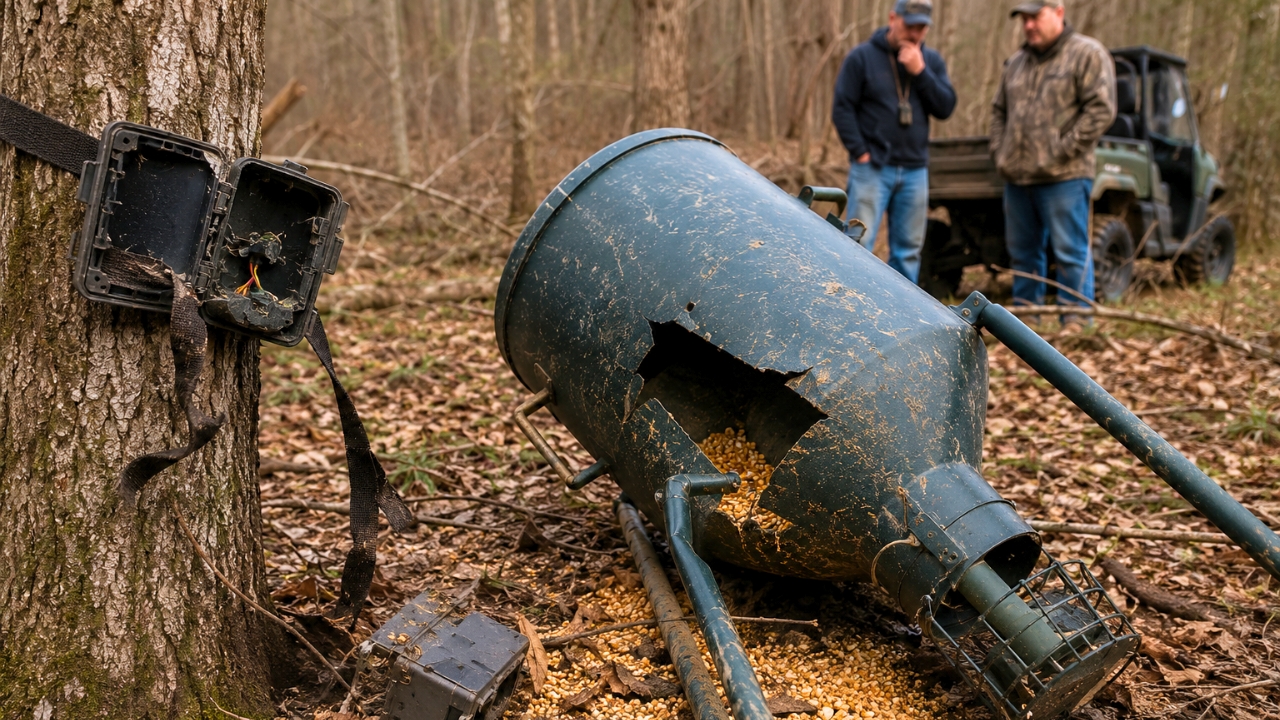
Someone had destroyed his feeder and stolen his trail camera. Both had been near the border of the neighbor’s property and the poster’s property. That pushed the situation past trespassing and bad hunting. Now they were dealing with property damage and theft.
At that point, the poster and his neighbor were not even sure who they were dealing with. They wondered if maybe someone from the small housing development being built on the other side of the poster’s property was involved. To get from that development to the land, someone would have to cross through the poster’s woods and a creek, so it was not exactly a casual sidewalk stroll.
The theory was that maybe someone in the neighborhood did not like hunting or did not like living near a place where people hunted and shot. That would explain the destroyed feeder and stolen trail camera a little better than a poacher would, though it still would not explain everything cleanly.
And that is what made the whole thing so aggravating. Were they dealing with trespassers hunting illegally? Someone anti-hunting and trying to sabotage them? A neighbor who did not like the range noise? A person from the new development? Multiple people?
The poster did not know.
What he did know was that someone was crossing private land, deer were being found dead in the creek, shots were being heard at dawn, and his neighbor’s gear had been destroyed and stolen. That is a lot for a new rural homeowner who had just wanted to enjoy his woods and maybe set up to hunt.
It also raised the hunter harassment question. If someone was damaging hunting equipment because they did not like hunting, that may be more than trespassing or theft. In many places, interfering with lawful hunting can bring its own consequences. But proving that intent is not always easy. A destroyed feeder and stolen camera show damage. They do not automatically show why the person did it.
That is where the poster was stuck. He had enough to know something was wrong, but not enough to know exactly who was behind it or how to stop it.
There is something especially frustrating about owning land and still feeling like you cannot relax on it. The woods that were supposed to feel quiet suddenly feel like a place where strangers may be slipping through before daylight, firing shots, leaving wounded deer, and stealing equipment. That changes how you walk your own property. You start looking for tracks. You listen harder when you hear a shot. You wonder who is on the other side of the creek.
For the poster, the dream of having his own rural place was still there. But now it came with the ugly side of land ownership: boundaries only work if people respect them, and some people need more than a line on a map to get the message.
What Commenters Said
Commenters told him pretty quickly that he and the neighbor needed to stop guessing and start building a record.
Several people said the first step was proper no trespassing signs. Not vague markers. Official, signed signs placed clearly around the property. One commenter warned that without clear posting, permission can sometimes be argued or implied depending on local laws. That was not the kind of loophole any new landowner wants to leave open.
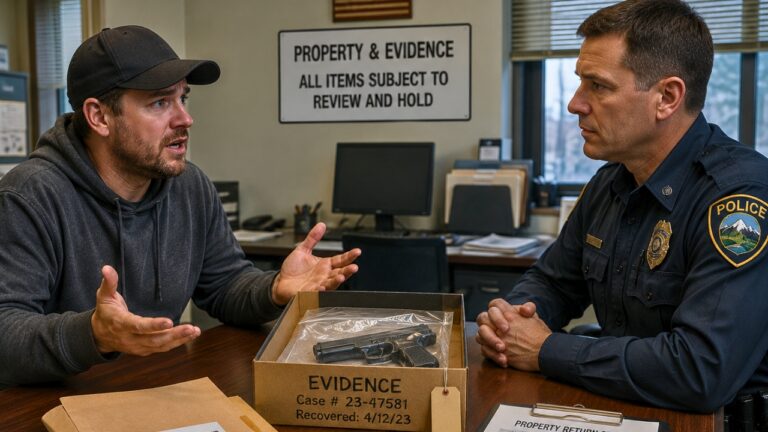
A lot of commenters told him to go to the sheriff and game warden with his neighbor. That part came up again and again. The neighbor had 75 acres, a range, hunting equipment, and damaged property. The poster had a smaller wooded property and possible access from the housing development side. Together, they could show authorities this was not a one-off complaint from someone new to the area. It was a pattern.
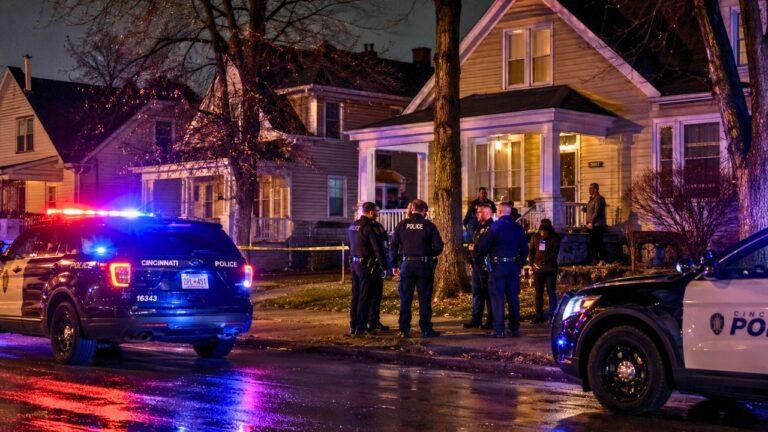
Some said getting law enforcement involved early would help later if they caught someone. The sheriff or game warden could tell them exactly how to post the property, what evidence to collect, and what would be needed if charges became possible. One commenter said that after working with the same game warden on trespass issues, the warden knew the property and the problems stopped.
Trail cameras were another big suggestion, but commenters were clear that they needed to be hidden well. Since one camera had already been stolen, putting another obvious one in the same kind of spot might just give the trespasser another free camera. Some suggested setting cameras high, aiming them down, using decoys, or placing one camera where it could watch another.
Several people told the poster to walk the borders and look for signs of traffic: boot tracks, ATV marks, creek crossings, stands, bait, cut paths, and anything else that suggested where people were entering. A few said they should gate drive-in points if possible and make the property harder to access casually.
There was also a safety warning. If they were walking the land looking for trespassers or evidence, some commenters said they should not do it alone. Whoever was out there may be armed, angry, or willing to destroy property. Walking up on that person in the woods could turn bad fast.
Other commenters leaned into deterrence. Put up video surveillance signs. Make it obvious the property is watched. One person even suggested using signs that make trespassers nervous enough to move on somewhere else.
The strongest advice was not flashy. It was: post the land, document everything, call the sheriff, call the game warden, and work with the neighbor instead of trying to solve it alone.
For the poster, that probably was not the exciting answer. He had bought a rural place and wanted to hunt his own land. Instead, he was dealing with dead deer, stolen cameras, broken feeders, and mystery shots before daylight. But the comments made one thing pretty clear: once trespassing turns into theft and dead animals in a creek, it is time to treat it like a serious pattern, not a random annoyance.