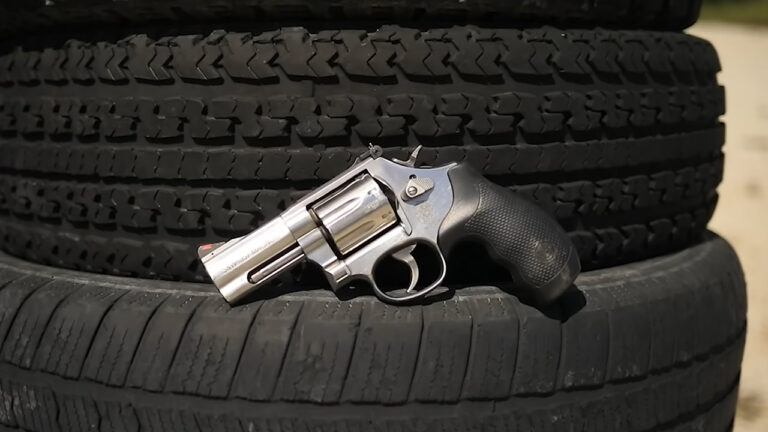
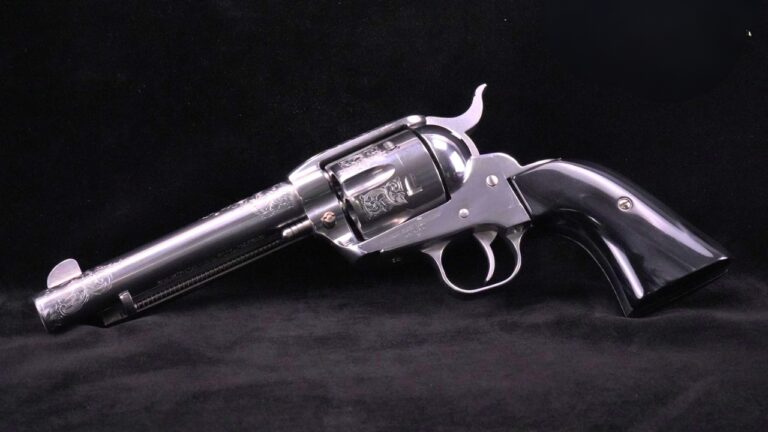
Photo credit: sootch00/YouTube
The Ruger GP100 is not the fanciest .357 Magnum revolver in the case. It does not have the old Colt Python mystique, the same polished collector pull, or the kind of delicate trigger that makes revolver snobs get quiet for a second. What it does have is the thing that matters more to a lot of shooters: strength, usefulness, and a reputation for taking hard use without acting fragile.
That is why people rarely regret buying one. The GP100 is a double-action revolver built around a strong frame, triple-locking cylinder, transfer-bar safety system, easy maintenance, and enough model variety to fit everything from range use to home defense to field carry. Ruger’s current GP100 line includes .357 Magnum models with 6- and 7-shot capacities, barrel lengths from 2.5 inches to 6 inches, and grip options like cushioned rubber with hardwood inserts or Hogue Monogrips depending on model.
1. It Is Built Like a Tank
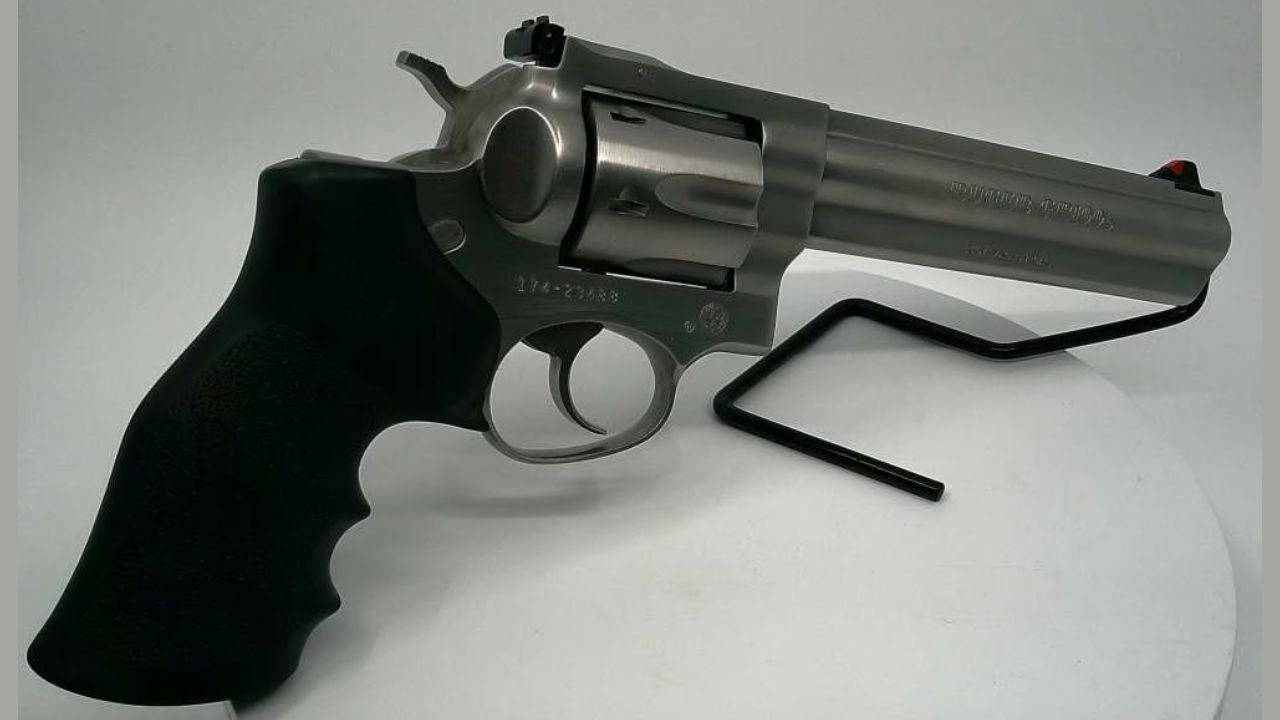
The GP100’s reputation starts with strength. Ruger built it as a durable medium-frame revolver that can handle steady use with .357 Magnum. It feels solid in the hand, and that is exactly what a lot of buyers want from a revolver they plan to keep for decades.
That ruggedness is not only about weight. Ruger’s design uses a strong frame and a cylinder lockup system meant to keep everything aligned under repeated firing. A .357 revolver takes real pressure and recoil, especially with full-power loads. The GP100 was built with that kind of use in mind, which is why people trust it as a long-term revolver instead of a delicate range toy.
2. The Triple-Locking Cylinder Matters

One of the GP100’s biggest mechanical strengths is its triple-locking cylinder. Ruger says the cylinder locks into the frame at the front, rear, and bottom for more positive alignment and dependable operation shot after shot.
That matters because cylinder alignment is a big deal in revolvers. You want the cylinder locking up consistently when the gun fires, especially with magnum loads. The triple-locking setup is one of the reasons the GP100 has such a strong durability reputation. It is not flashy, but it is one of those features that helps explain why the revolver feels overbuilt in the best way.
3. It Shoots .357 Magnum and .38 Special

A .357 Magnum GP100 also gives you the ability to shoot .38 Special, which is one of the best reasons to own a .357 revolver in the first place. Full-power .357 loads give you serious recoil, blast, and performance. .38 Special gives you cheaper, softer-shooting practice and a more relaxed range day.
That flexibility makes the GP100 more useful than a single-purpose handgun. You can practice with .38s, carry or keep .357s for serious use where appropriate, and tailor the gun to your tolerance and needs. A revolver that lets you move between mild and powerful loads is a revolver you are more likely to keep shooting.
4. The Weight Helps With Recoil

The GP100 is not a lightweight revolver, and that is part of the point. A common 4.2-inch stainless .357 model weighs around 40 ounces, while a 6-inch stainless model is listed at 45 ounces.
That weight can make carry more annoying, but it helps tame recoil. A light .357 can be miserable with full-power loads. The GP100 has enough mass to make magnum shooting manageable for more people. If you mostly shoot from the range, around the property, or from a field holster, that weight is more benefit than problem.
5. It Is Easier to Maintain Than Some Revolvers

Ruger designed the GP100 with maintenance in mind. The company says disassembly of integrated subassemblies requires no special tools, which makes basic maintenance and reassembly easier for owners.
That matters for a revolver meant to be used, not admired from a velvet-lined case. Revolvers still need cleaning. Carbon builds up around the forcing cone and cylinder face. Chambers get dirty, especially after shooting .38 Special in a .357 cylinder. A gun that is easier to maintain is more likely to stay in good working order.
6. The Transfer Bar Safety Adds Peace of Mind

The GP100 uses Ruger’s transfer-bar mechanism. Ruger describes it as a security feature that helps prevent accidental discharge unless the trigger is pulled.
That is one reason modern Ruger revolvers are so easy to recommend for practical use. A revolver may feel old-school, but the GP100 has a modern safety system built into the design. You still need safe handling, of course. No mechanical feature replaces that. But the transfer bar is a smart part of the platform and adds confidence for owners who actually use the gun.
7. It Comes in Practical Barrel Lengths

The GP100 line gives buyers several useful barrel-length options. Ruger’s current model list includes 2.5-inch, 3-inch, 4.2-inch, 5-inch, and 6-inch variants depending on chambering and distributor model.
That lets the buyer pick the revolver around the job. A 3-inch GP100 can make sense for belt carry or woods carry. A 4.2-inch version is a strong all-around length. A 6-inch model gives more sight radius and weight for range work, hunting sidearm use, or field shooting. The GP100 is not one gun. It is a family with enough options to matter.
8. The 4.2-Inch Model Is a Sweet Spot

The 4.2-inch GP100 may be the most practical all-around version for a lot of shooters. It gives you enough barrel to take advantage of .357 Magnum, enough sight radius for accurate shooting, and enough weight to keep recoil controlled. At the same time, it is not as long or nose-heavy as a 6-inch model.
That balance makes it a good first GP100. It can work as a range revolver, home-defense revolver, field sidearm, or general-purpose .357. It is too large for easy concealed carry for most people, but that is not really its main lane. If someone wants one GP100 to do a little of everything, the 4.2-inch version is hard to argue against.
9. The 6-Inch Model Is a Range and Field Workhorse
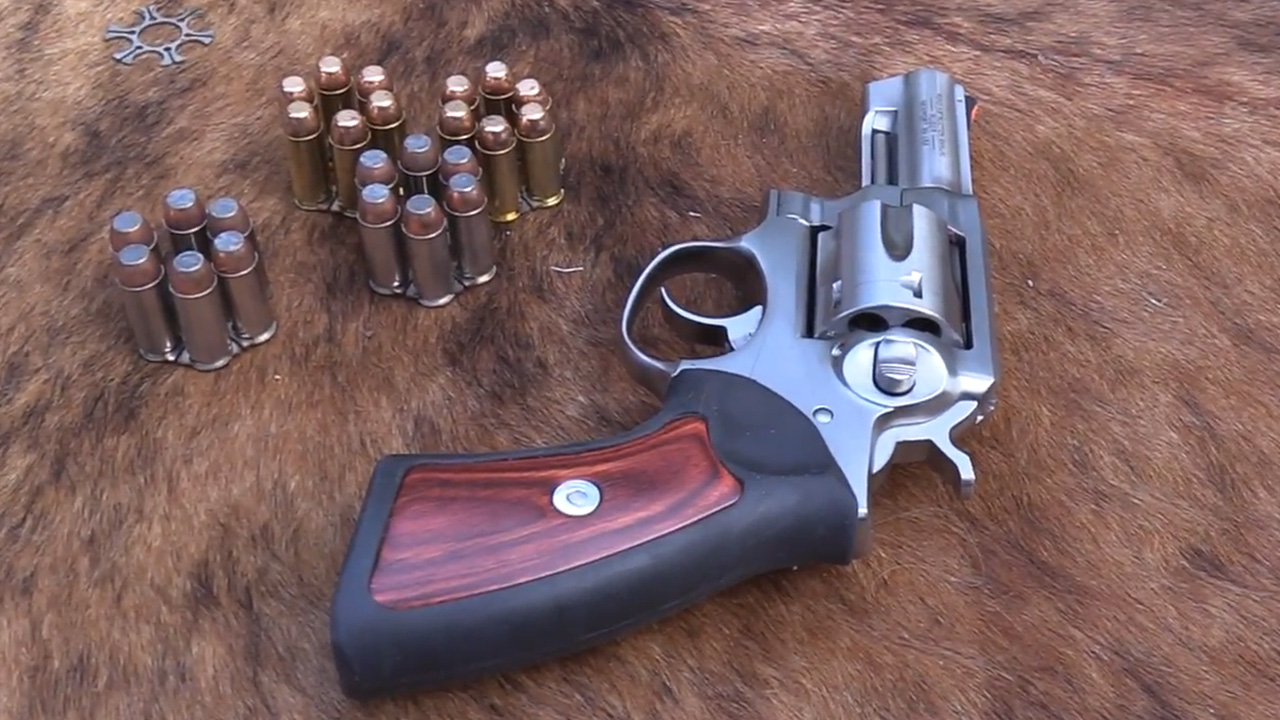
The 6-inch GP100 is heavier and longer, but that comes with benefits. Ruger lists one stainless 6-inch .357 model at 45 ounces with adjustable rear sight, ramp front sight, and Hogue Monogrip.
That extra length gives you more sight radius and more weight out front. For slow-fire accuracy, hunting sidearm use where legal, and magnum range work, the 6-inch model makes a lot of sense. It is not the easiest revolver to pack around all day, but when you want control and shootability, the long-barrel GP100 earns its keep.
10. The 7-Shot Models Add Real Appeal

Traditional .357 revolvers usually hold six rounds, but Ruger offers 7-shot GP100 models in .357 Magnum. Ruger’s current GP100 model list includes 7-shot .357 options with barrel lengths like 2.5, 4.2, and 6 inches depending on model.
That extra round is not the whole reason to buy one, but it is nice. Revolver capacity is limited compared with semi-autos, so gaining one more round without leaving the GP100 platform has real appeal. Buyers should still compare trigger feel, cylinder size, holster fit, and speedloader compatibility, but the 7-shot GP100 gives the line a more modern edge.
11. The Grip Design Is Easy to Live With
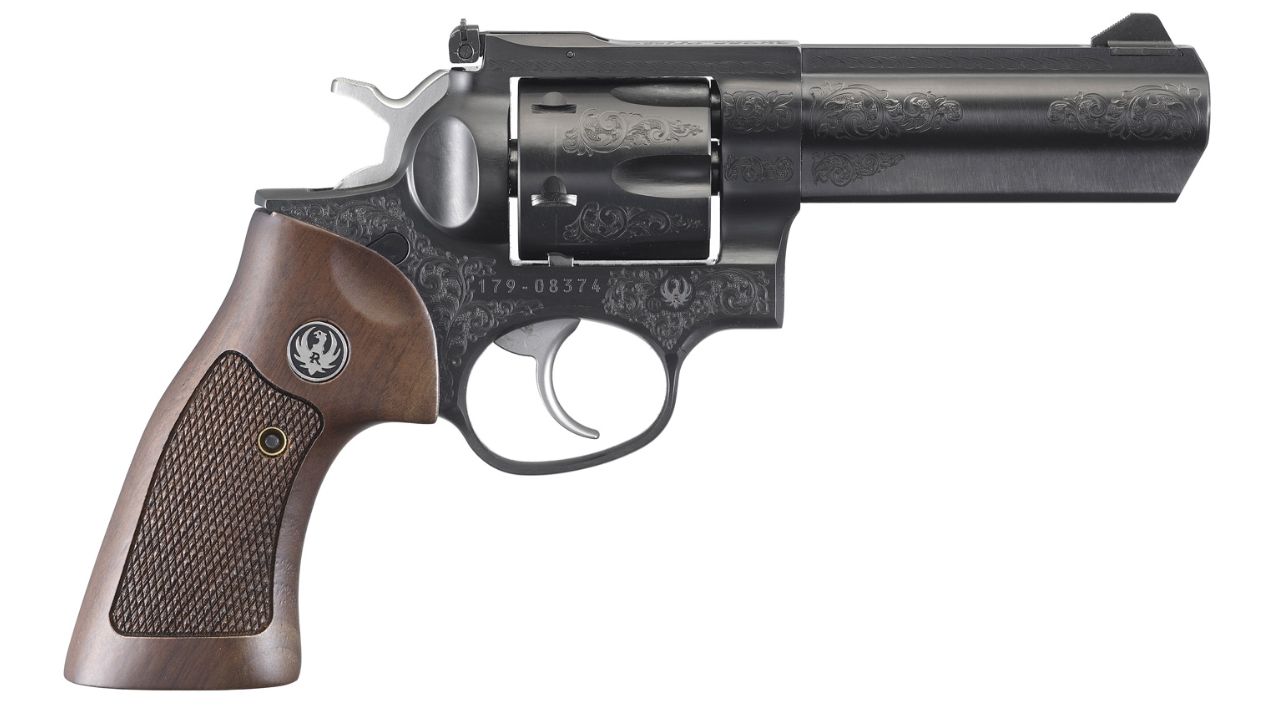
The GP100’s grip design is another reason people keep them. Ruger says the grip frame easily accommodates a wide variety of custom grips, and current models include options like cushioned rubber with hardwood inserts or Hogue Monogrips depending on configuration.
That matters because revolver grips change everything. A grip that fits your hand well can make .357 Magnum much easier to manage. A grip that fits poorly can make the same gun feel punishing. The GP100 gives owners plenty of ways to tune the feel, which helps it fit more shooters over time.
12. The Trigger Can Improve With Use

The GP100 trigger is usually serviceable out of the box, but not always silky. Some shooters complain that it feels heavier or rougher than a Smith & Wesson or Colt. That can be true. The GP100 is more workhorse than showpiece, and the factory trigger may not wow everyone on day one.
But the trigger often smooths out with use, and there are gunsmith and spring-kit options for people who know what they are doing. A GP100 does not need to have the best trigger in the revolver case to be worth owning. It needs a trigger you can learn, manage, and trust. For most shooters, it gets there.
13. It Makes a Strong Home-Defense Revolver
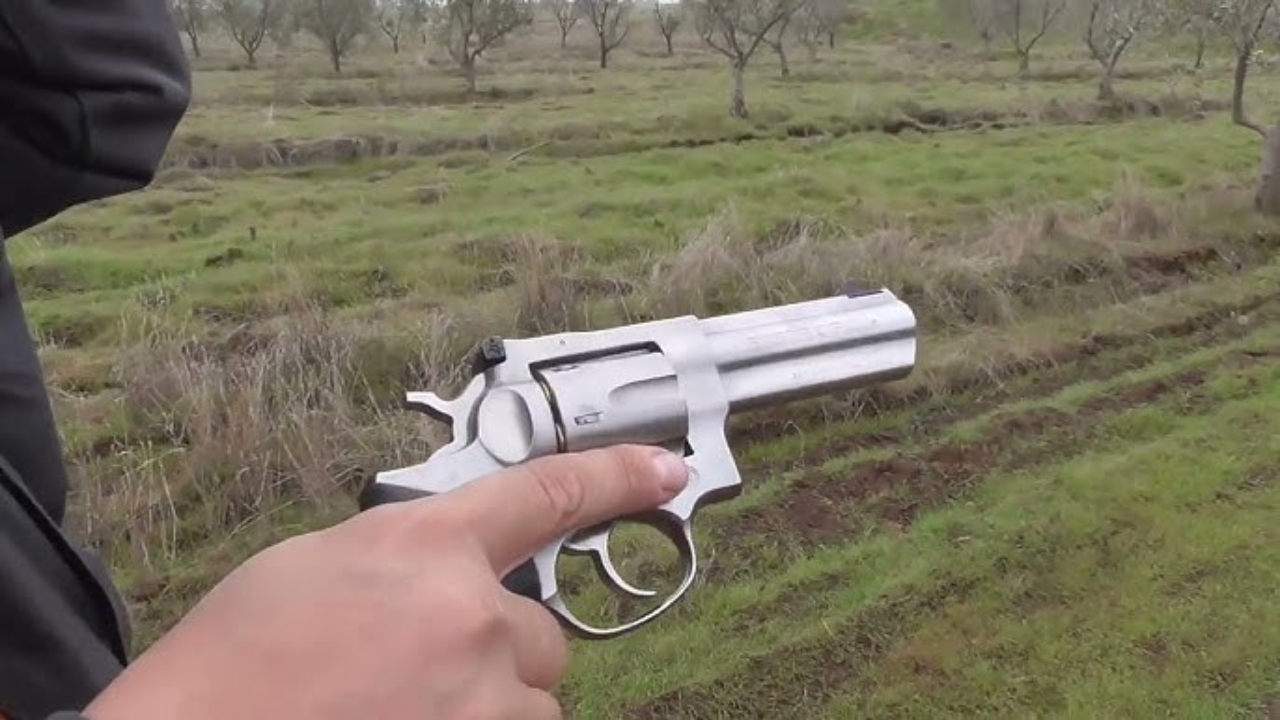
A 4.2-inch GP100 in .357 Magnum or .38 Special can make a serious home-defense revolver for someone who trains with it. The gun is stable, simple to load and verify, and not dependent on magazine springs or slide manipulation. The weight helps with recoil, and adjustable sights on many models help with accuracy.
That said, buyers need to be honest. Revolvers still require practice. Reloads are slower than semi-autos for most people. .357 Magnum indoors is loud and blast-heavy. Many owners may prefer quality .38 Special +P defensive loads for better control. The GP100 is a strong platform, but the load and training matter.
14. It Is Not Trying to Replace a Modern Semi-Auto

The GP100 is not a Glock 19 alternative in the usual sense. It is larger, heavier, lower-capacity, slower to reload, and harder to conceal. If someone wants a practical everyday carry gun for most modern defensive roles, a compact 9mm may make more sense.
But that does not make the GP100 outdated. It fills a different lane. It is a durable .357 revolver for range use, home defense, field carry, woods use, teaching revolver fundamentals, and long-term ownership. It is not trying to win the polymer-pistol game. It is a revolver for people who still understand why revolvers matter.
15. It Is the Kind of Gun That Stays Useful for Decades

The Ruger GP100 is the kind of revolver people do not regret buying because it keeps making sense years later. It is strong, versatile, easy enough to maintain, comfortable enough to shoot, and available in enough versions to fit different roles. It may not have the romance of a Python or the same trigger reputation as a tuned Smith, but it has something just as valuable: trust.
That is why the GP100 has stuck around. It is not a delicate collector piece. It is not a short-lived trend. It is a revolver you can shoot, carry in the field, keep ready at home, teach with, and pass along without wondering if it can handle real use. For a lot of shooters, that is exactly what makes it worth buying.
Like The Avid Outdoorsman’s content? Be sure to follow us.
Here’s more from us: