Photo credit: Danita Delimont/Shutterstock.com
Predator risk isn’t only about which animal can kill you. It’s about which animal is most likely to put you in a bad situation in the first place. That’s why a creature that rarely attacks can still be low risk, even if it’s powerful. And why a smaller predator can be high risk if you’re likely to run into it, surprise it, or step into its “strike zone” without knowing.
This is a practical ranking based on real-world odds: how often you cross paths with the animal, how fast a normal encounter can turn physical, and how ugly it gets when it does. The order is intentional, even though any of these can ruin your day if you get careless.
Rattlesnakes

Rattlesnakes sit near the top because the encounter odds are high in a lot of North America, and the mistake is easy. You step over a log, reach into brush, or hike at dusk when snakes are active. The bite can happen before your brain catches up, and you don’t need to be “messing with it” to get tagged.
Most bites are defensive, and many people recover with prompt medical care, but it still turns into a serious emergency fast. Pain, swelling, and tissue damage are real, and delay makes everything harder. The risk stays highest for hikers, hunters, yard workers, and anyone moving through rocky, brushy ground without watching where hands and feet go.
Copperheads

Copperheads don’t have the same reputation as big rattlers, but the real risk is high because they blend in and hold tight. They’re masters of leaf litter, woodlines, and the edges where people actually walk. You can be careful and still step close enough to trigger a defensive bite.
Most copperhead bites are survivable with treatment, but “survivable” isn’t “minor.” Swelling and pain can be intense, and the injury can sideline you for a long time. The other risk factor is location: copperheads often live close to homes, trails, and suburban green space. If you’ve got brush piles, stacked firewood, or a messy woodline, you’re sharing space with an animal that bites when surprised.
Cottonmouths

Cottonmouths climb the list because they overlap with human behavior. People fish, wade, and hunt around the same waters cottonmouths use. In swampy edges, thick bank grass, and muddy creeks, you can close distance without realizing it, and the snake will defend its space.
Their venom can cause serious tissue damage, and bites are emergencies. The most common ugly scenario is a foot or ankle bite while someone is stepping out of a boat, climbing a bank, or walking a flooded trail. The fix is discipline: watch where you step, use a light at night, and avoid reaching into shoreline cover. Around water, you don’t get many second chances once you’re already close.
Black bears

Black bears are common across huge parts of North America, and that alone pushes their real-world risk up. Most are shy, but you don’t need a “predator” mindset to get hurt. You need a surprise encounter, a food-conditioned bear, or a sow defending cubs at close range.
Serious incidents are still rare compared to how many people live and recreate in bear country, but the situations that go bad often go bad fast. Dogs can trigger problems, garbage can keep bears coming back, and a bear that’s learned people equal calories is a different animal than a wild one. Your best protection is behavior: clean camps, locked trash, and giving bears room to leave. A bear that has space usually chooses it.
American alligators

Alligators are a high-risk predator in the places they live because the danger zone overlaps with backyards, docks, canals, and fishing spots. You don’t have to be deep in wilderness. You can be walking a dog near a retention pond, casting from the bank, or swimming where you should not be swimming.
Most gators avoid conflict, but they’re opportunistic and extremely fast over short distance. The most common bad outcomes involve pets, people wading, or someone getting too close for a photo. Feeding alligators, even once, is how you create the bold ones that cause trouble later. If you treat every gator like it can cover the gap instantly, you’ll make smarter choices around water edges.
Brown bears and grizzlies

Grizzlies and coastal brown bears are not common everywhere, but where they exist the consequence is high. These are animals that can cover ground fast, hit hard, and keep going once a defensive charge becomes physical. Most serious conflicts happen at close range, often when a bear is surprised on a trail, on a carcass, or in thick cover.
The real risk is tied to terrain and behavior. If you’re moving quietly in alder tangles, glassing with your head down, or packing meat, you’re in the exact scenario that triggers problems. Prevention is boring and effective: make noise in tight cover, keep a clean camp, and manage meat and food smells. When a bear gets surprised inside its personal space, your options shrink quickly.
Sharks
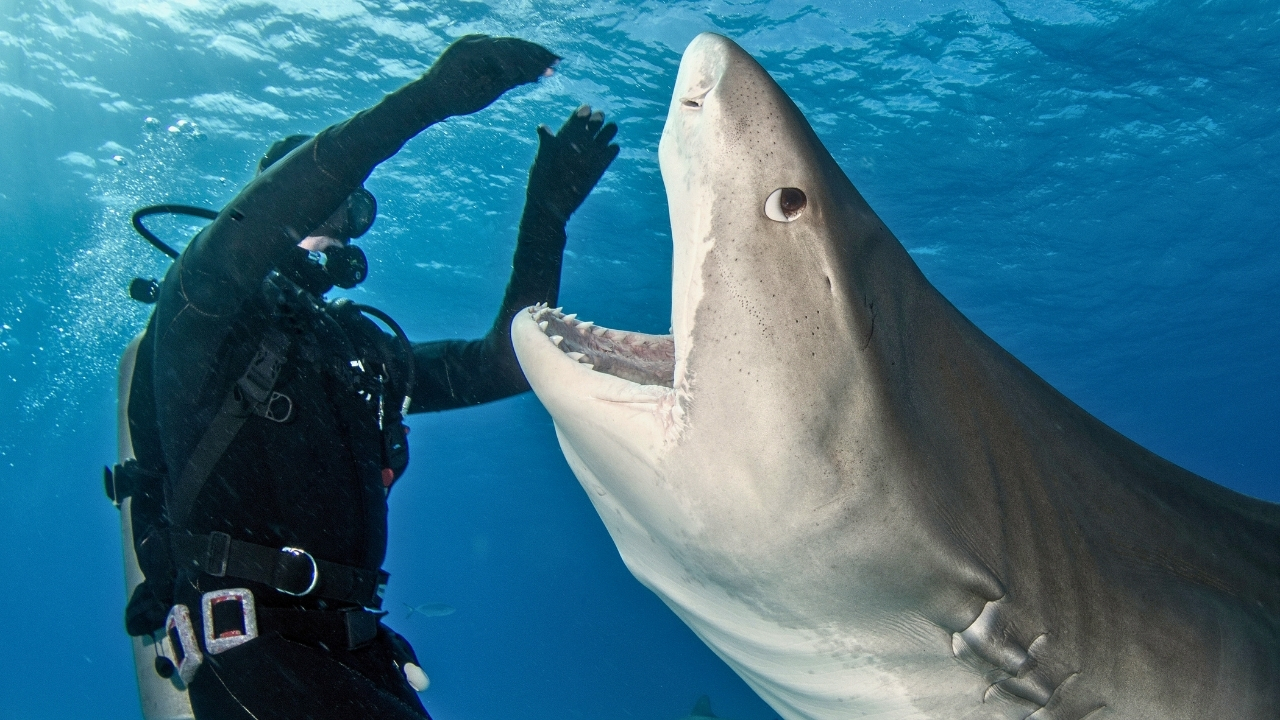
Sharks don’t top the list because attacks are rare relative to the number of people in the ocean. They make the list because the consequence can be severe and the “mistake” can be normal beach behavior. Murky water, baitfish runs, fishing nearby, dawn and dusk swims, and sandbar zones all increase risk.
Most bites are thought to be investigative, and many victims survive, but bleeding is the real emergency. The practical risk is easy to manage if you respect conditions. Don’t swim near active fishing, avoid water where you can’t see your feet, and pay attention to local warnings. In North America, sharks are a real predator risk, but it’s concentrated in specific places and moments, not an everyday threat for most people.
Cougars and mountain lions

Cougar attacks are rare, but they sit higher than people expect because the few that happen can be predatory and sudden. Lions are built for ambush, and that means the warning can be minimal. The risk increases where lion populations overlap with trail systems and where deer densities pull cats close to neighborhoods.
Most encounters end with the cat leaving, yet the rule is the same: don’t run and don’t act small. Make yourself look big, keep eye contact, and be ready to fight if it commits. Kids and smaller adults are at higher risk because they match the size profile cougars hunt. The real-world risk is low, but the “cute moment” fantasy is dangerous. A lion is not curious in a friendly way.
Wolves

Wolves have the hardware to be deadly, but the real-world risk to people is generally low because most wolves avoid humans. The situations that get sketchy tend to involve habituated wolves, food-conditioning, or dogs. A wolf that’s learned campsites mean scraps can start testing boundaries.
The reason they rank here is not because attacks are common, but because when it goes bad it can involve multiple animals and can escalate. Most of your prevention looks like smart backcountry behavior: don’t leave food out, keep pets under control, and don’t encourage close encounters with photos and baiting. If you’re in wolf country, you treat them like serious wildlife and keep your distance. You don’t try to “see how close they’ll come.”
Coyotes

Coyotes are everywhere, including suburbs, and that pushes their practical risk up. They rarely target adults, but they can bite, especially when habituated, when defending den areas, or when people unintentionally train them to approach with handouts. They’re also a major risk to small pets, and that’s often when people get involved at close range.
The common pattern is a bold coyote that starts showing up in daylight, following dogs, or hanging around yards. That’s a behavior problem you address early, not after it becomes routine. Hazing works when it’s consistent, food sources are removed, and pets are supervised. Coyotes aren’t monsters, but they are opportunists. If you let them set the rules in your neighborhood, they will.
Bobcats
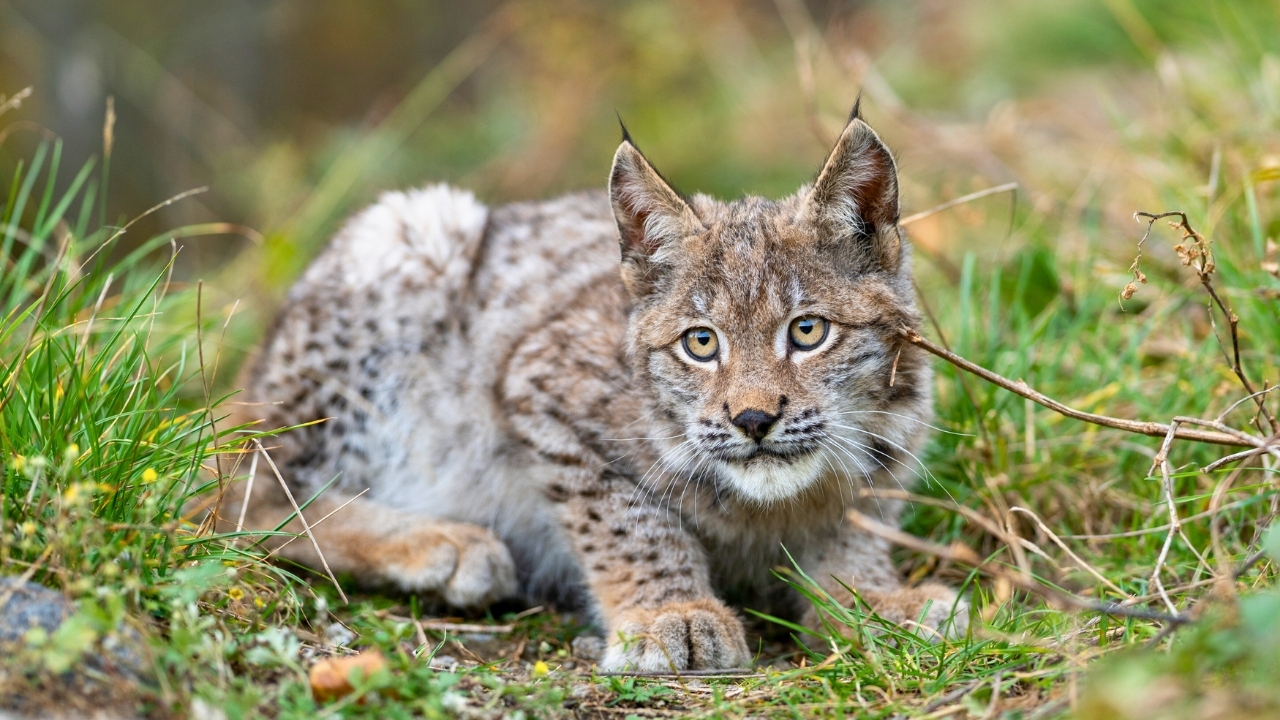
Bobcats don’t get much attention because they’re small compared to the big predators, but they can still bite hard when cornered. The risk is usually linked to a bobcat that’s sick, injured, trapped, or surprised at close range. People get bitten trying to “help” or trying to handle one like a stray cat.
Healthy bobcats typically want distance, and that’s what you give them. If you see one acting oddly fearless or aggressive, treat it seriously and keep kids and pets inside. The real risk is not a bobcat stalking you on a trail. The risk is you walking up on one in a garage, a shed, or a tight corner where it feels trapped. Tight spaces turn a shy predator into a fighter.
Red foxes and gray foxes
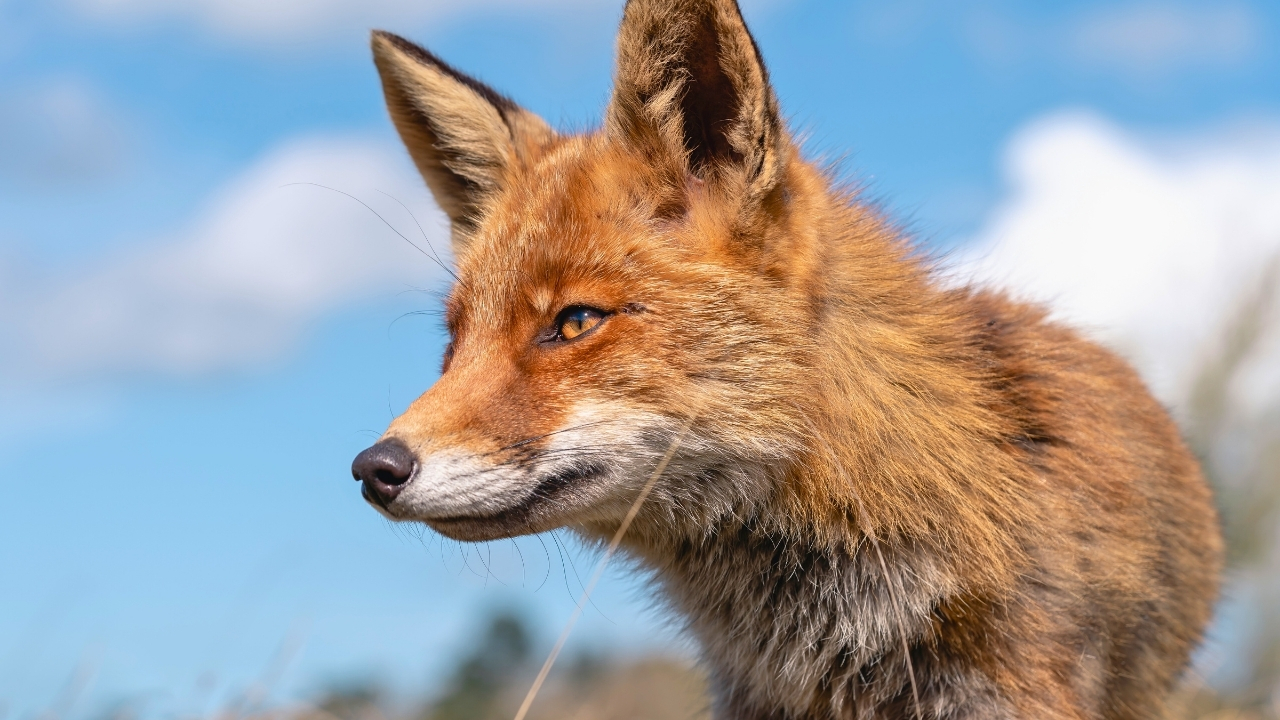
Foxes look friendly when they trot through a yard, and that’s where bad decisions start. Fox bites to humans are uncommon, but risk rises when a fox is habituated, cornered, or acting strangely. A fox approaching people or pets without caution is not behavior you ignore.
Most of the practical risk is about disease concerns and defensive biting. You don’t feed foxes, you don’t try to pet them, and you don’t let small dogs rush them. If you find a fox stuck in fencing or injured, handling it yourself is how you get bit. The correct move is distance and a call to animal control or a wildlife rehabber. Foxes aren’t out hunting people, but they can still leave you with a nasty bite and a long week.
River otters

Otters surprise people because they look playful, but they’re predators with strong jaws and a short fuse when stressed. Encounters often happen around ponds, docks, and rivers where people are swimming, kayaking, or fishing. If an otter feels cornered, or if you get between it and water, it can bite and keep biting.
Otter attacks are not daily news, but they do happen, and they’re often ugly because the animal doesn’t treat you like a “one bite and flee” target. The best way to stay safe is to give them water access and space. Don’t try to approach for photos, don’t crowd them on shore, and don’t let dogs chase them into tight corners. A calm otter at distance is fine. A stressed otter up close is a problem.
American crocodiles

American crocodiles are limited in North America, mostly to far south Florida, but where they exist they deserve respect. They’re larger and generally more wary than alligators, yet they’re still a big predator in the same habitats people use for boating and shoreline recreation.
The risk is low for most readers because the range is limited. The risk becomes real for locals and visitors who treat canals, mangroves, and brackish edges like a casual swimming hole. You avoid close shoreline activity at dawn and dusk, keep pets away from the waterline, and never feed or approach. Crocodiles aren’t looking for conflict, but they are built to end it quickly if you force the issue.
Polar bears
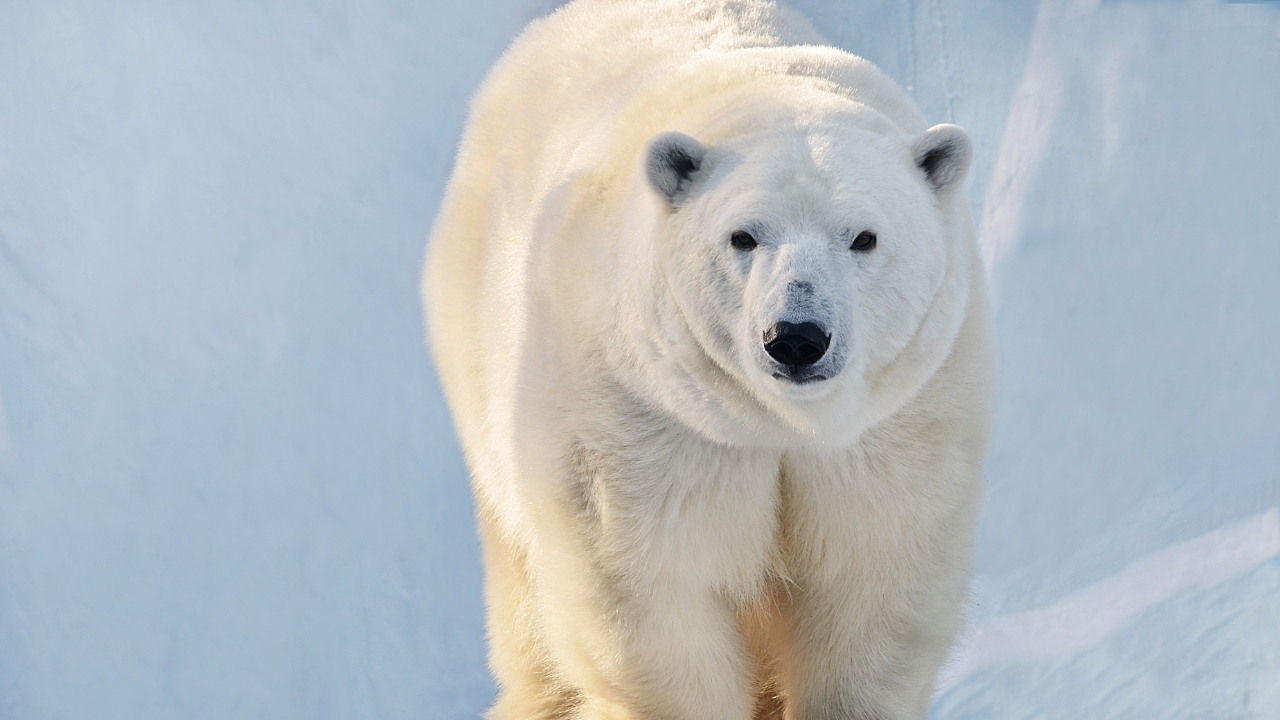
Polar bears rank low for most people only because most people never share space with them. For those who do, the risk is as real as it gets. Polar bears can view humans as prey, not only as threats, and that changes the entire feel of an encounter. You don’t “scare one off” with attitude if it decides you’re on the menu.
The danger zone is Arctic travel, coastal villages, and remote work sites where bear encounters are part of life. Wind, visibility, and surprise matter a lot, and response options are limited by terrain and weather. If you’re in polar bear country, you follow local protocols and you take it seriously every time. This is one predator where the price of getting casual can be fatal.
Wolverines

Wolverines have a mythic reputation, and while attacks on people are rare, they’re still a predator you treat carefully. They’re strong for their size, aggressive around food, and willing to stand their ground in a way that surprises people. The risk climbs when a wolverine is trapped, cornered, or defending a carcass.
Most folks will never see one outside wild country, which keeps overall risk low. Still, if you do cross paths, you don’t try to haze it at close range and you don’t approach for a photo. Give it space and let it leave. The real danger isn’t a random wolverine charging hikers all day. The danger is the wrong close encounter where it has something to defend and nowhere to go.
Gila monsters
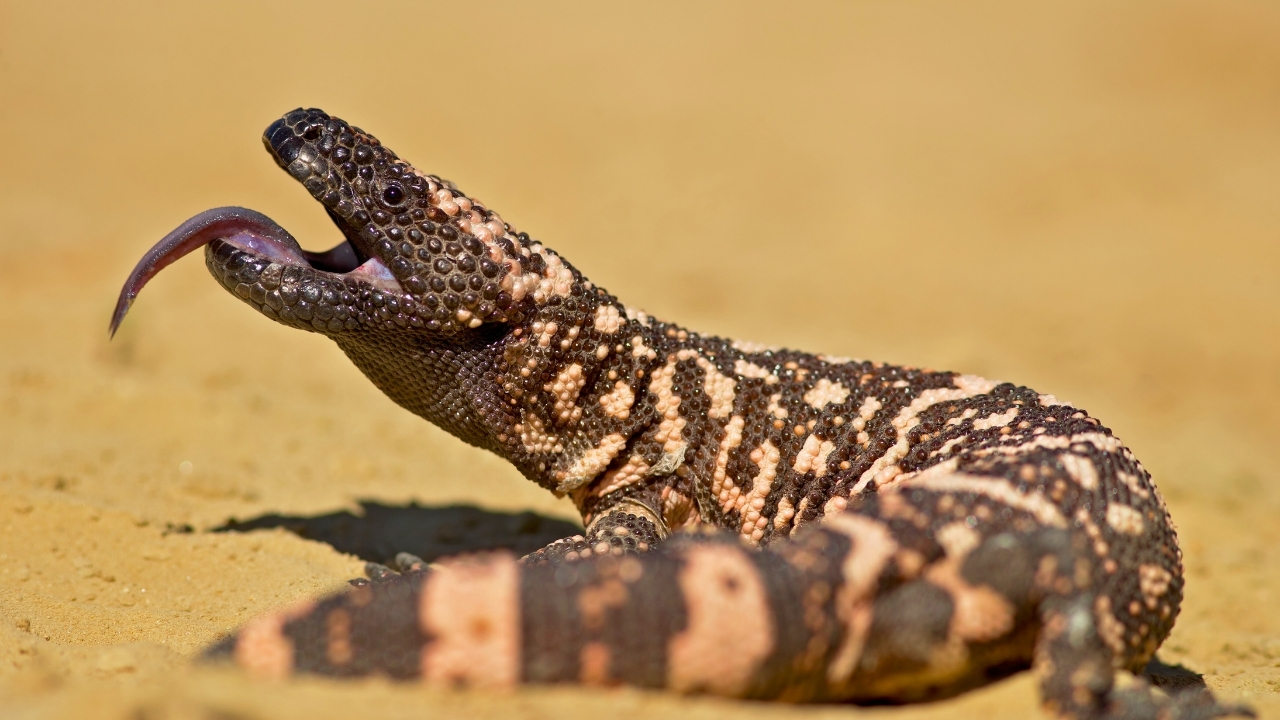
Gila monsters aren’t fast, but they’re still predators with a painful bite, and they don’t let go easily once they clamp down. They’re venomous, and bites are medical events, even if fatalities are extremely rare. The risk comes from people trying to pick them up, messing with them, or stepping too close in desert terrain.
They’re also easy to underestimate because they look slow and almost cartoonish. That’s how someone ends up with fingers near the mouth. If you see one, admire it at distance and keep pets away. Most bites happen because a person chose to close the gap. In the desert, you watch where you place hands and feet, especially around rocks and crevices where these animals shelter.
Like The Avid Outdoorsman’s content? Subscribe to our newsletter so you never miss an article.
Here’s more from us: